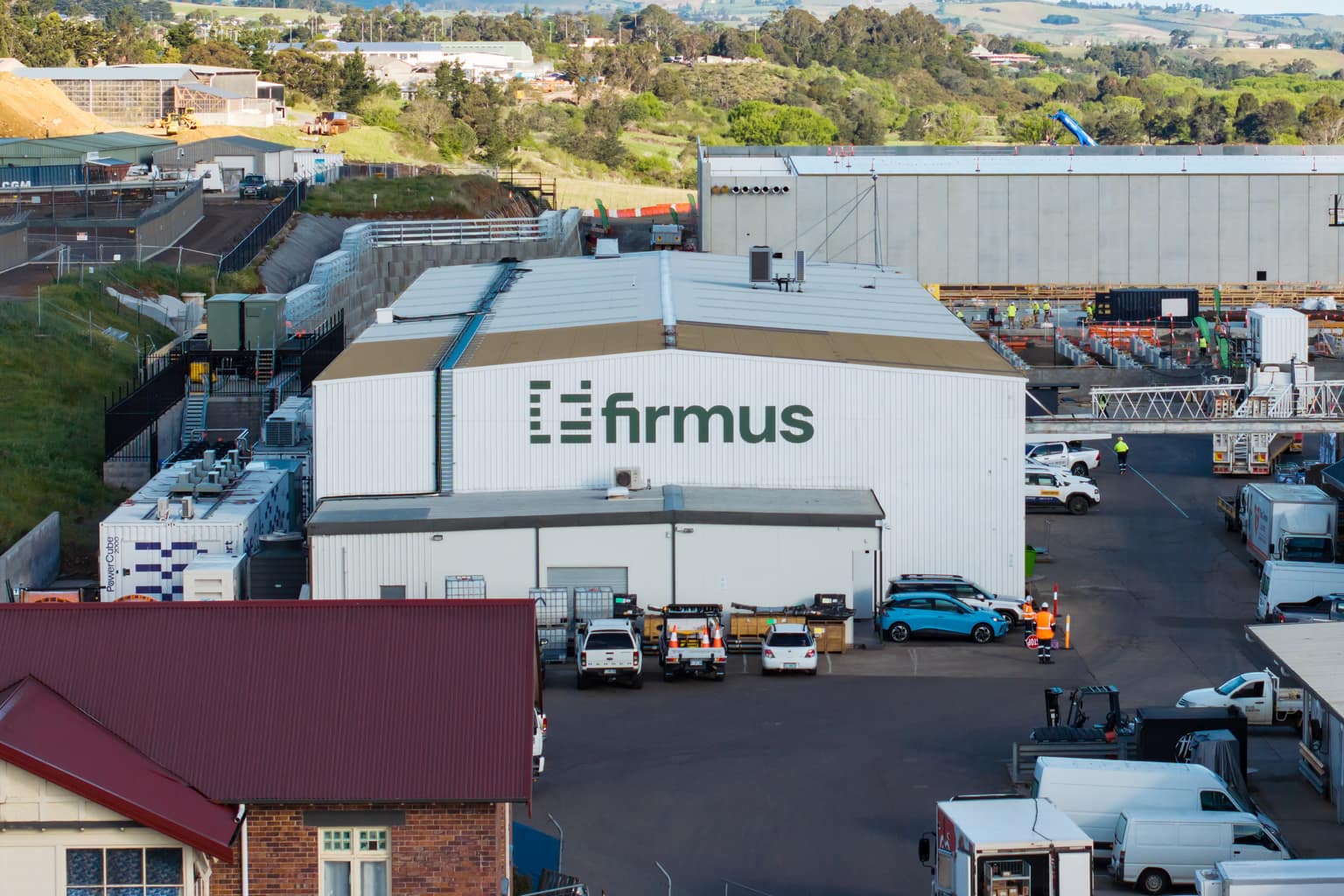
Firmus Technologies says only its St Leonards data centre and the first stage of its Wesley Vale project are fully funded, with its other Tasmanian plans dependent on raising capital.
Firmus’ general manager of energy Paul Grusnick told a parliamentary committee on energy matters this week that development approval was “an important trigger for us to progress the funding components”.
“The Launceston site [St Leonards] is obviously fully funded,” he said. “The Wesley Vale stage one is also fully funded.”
Asked by Greens MP Vica Bayley whether the projects relied on a reported $4 billion capital raise, Grusnick said Firmus would “continue to pursue raising capital as we have recently through private markets and consider public markets in the future”.
Earlier this month, Firmus withdrew its application to list on the ASX, citing market volatility.
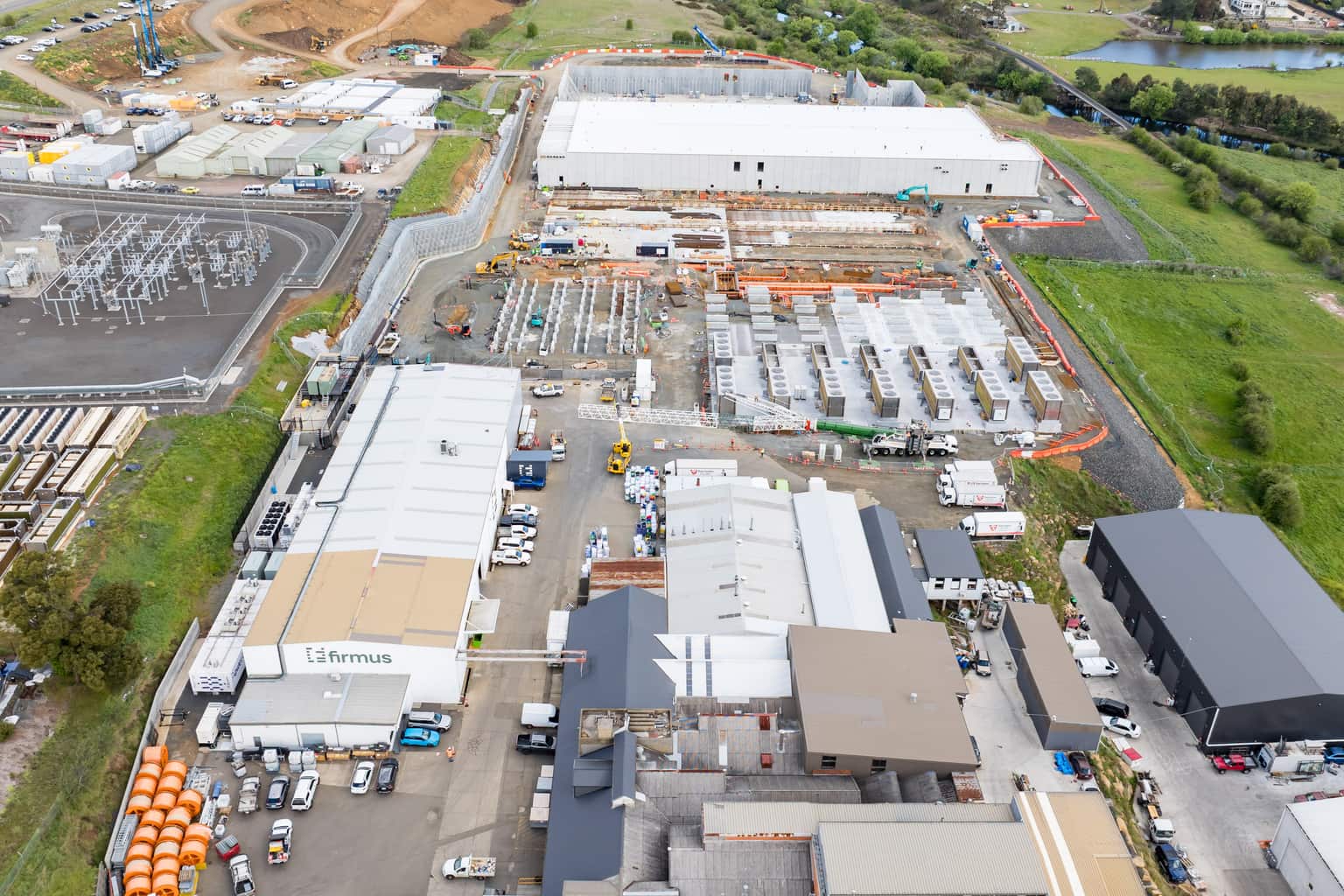
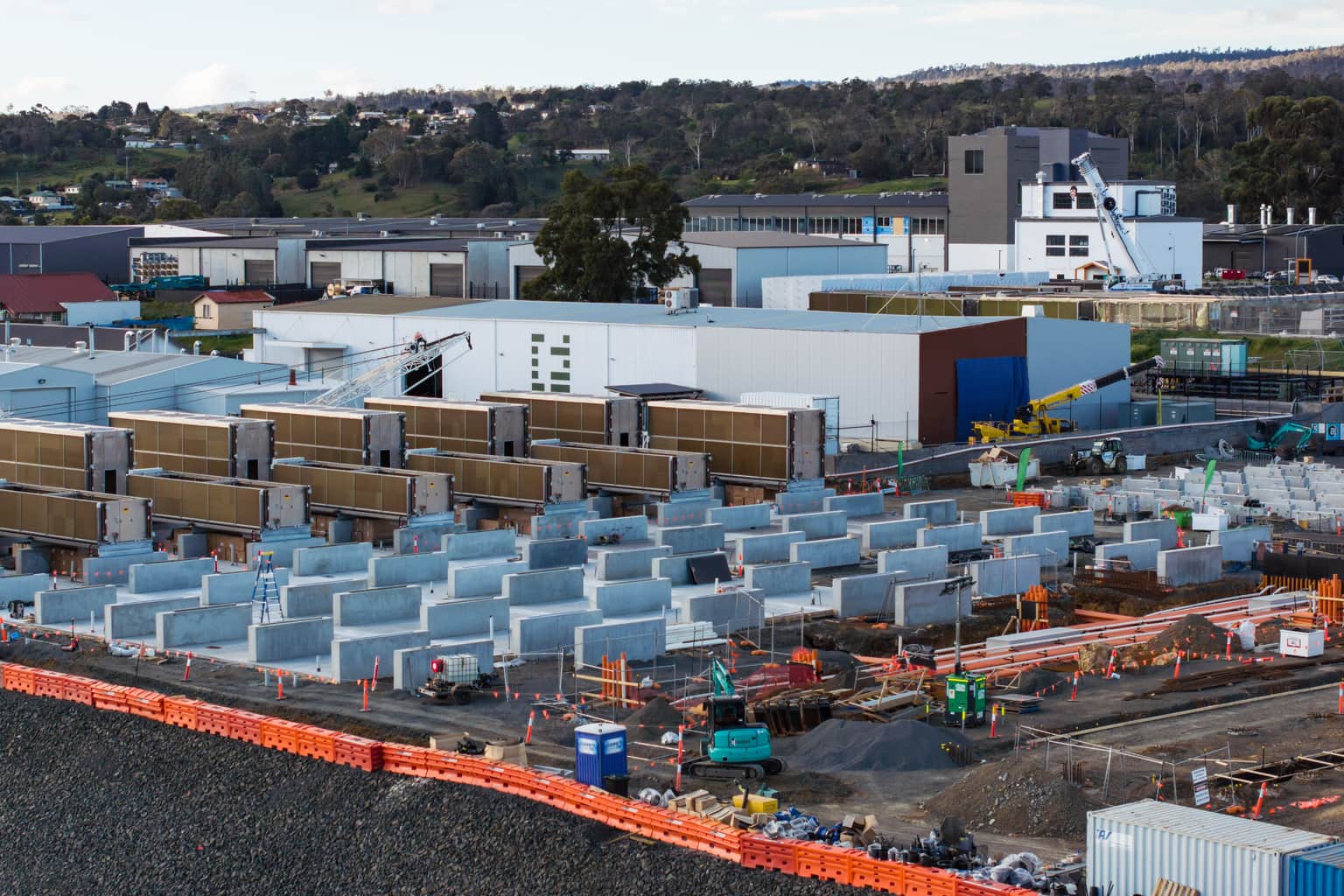
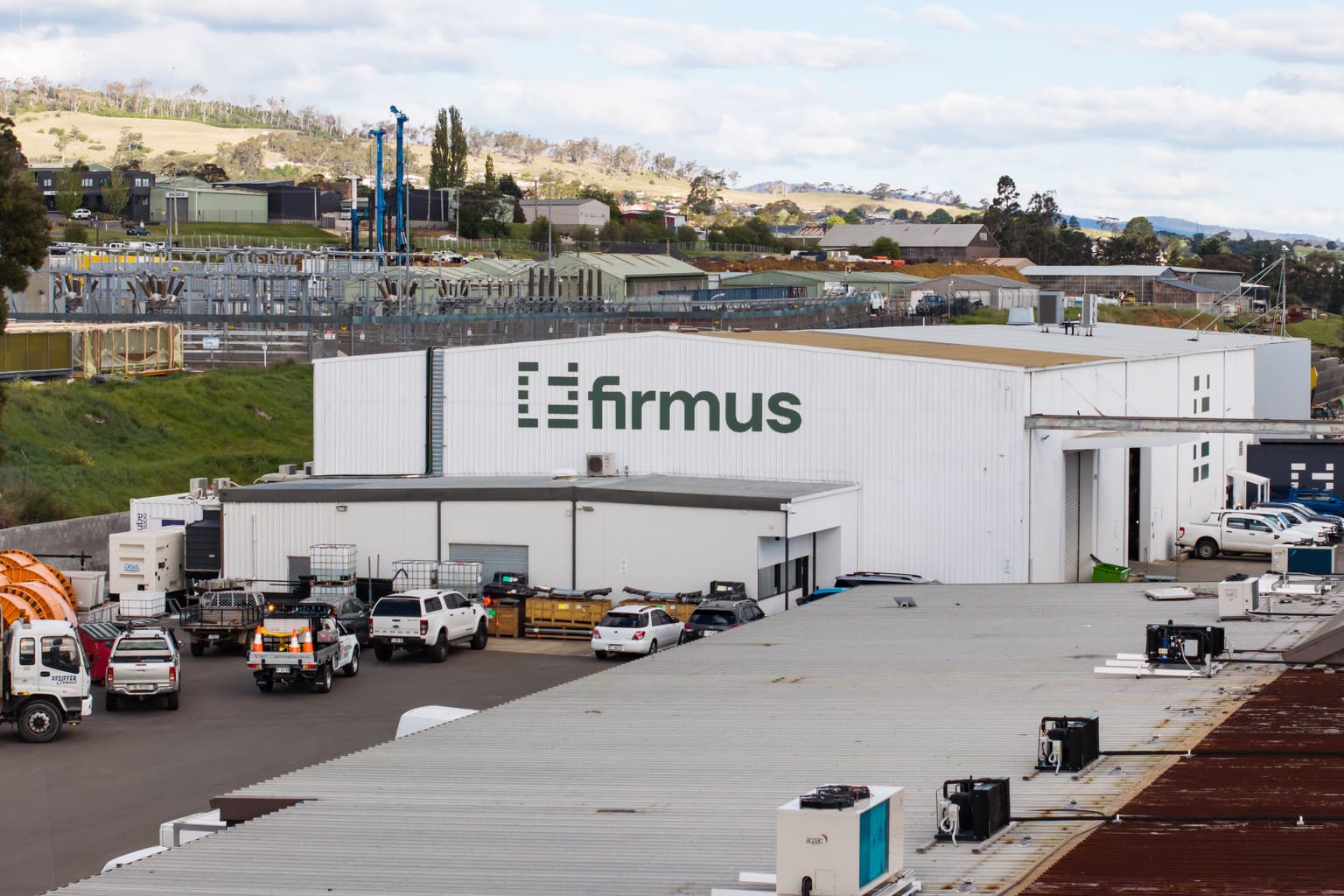
The company is building a $2 billion AI factory at St Leonards, near Launceston.
George Town Council approved its 288-megawatt Bell Bay AI factory in August.
A development application has been lodged for the Wesley Vale site, which is planned in two stages of about 26 megawatts each.
Grusnick said Firmus was still negotiating an energy deal with Hydro Tasmania, which had indicated it would decide by the end of the year.
“I’d like to be able to announce it next week,” he said.
Asked whether a legal agreement already required Hydro to source new generation on the island, he first said yes, then clarified: “I don’t have an agreement.”
In March, Firmus signed a three-year deal with Aurora Energy for up to 104 megawatts to power St Leonards. Grusnick worked at Aurora for around 20 years before joining Firmus.
He said Firmus would pay “significantly higher” than the roughly $106 per megawatt hour on Hydro’s rate card and would seek no government subsidy.
He said all of the company’s energy would be “developed and procured on island in Tasmania”.
A committee member noted Firmus’s written policy refers to projects anywhere in the national market. Grusnick said the policy included site-specific requirements.
He said Firmus would underwrite at least two megawatts of new renewable capacity for every megawatt of its Tasmanian load or around 1,000 megawatts.
That would be done through offtake agreements, not capital investment.
The three sites are expected to need around 444 megawatts, which would make Firmus the state’s largest electricity user.
Grusnick said that at that load, Firmus would cover around 30% of the Marinus Link costs that would otherwise go to “mum and dad customers”.
He said diesel generators were for backup, “just like hospitals have diesel backup generators”, but declined to discuss Firmus’s appeal against generator conditions on its Bell Bay approval.
He said the Tasmanian operations would create around 200 direct jobs.