The government has priced its AI data centre community fund at a minimum $3,000 a megawatt, with the premier telling developers who will not pay to “take your data centre elsewhere”.
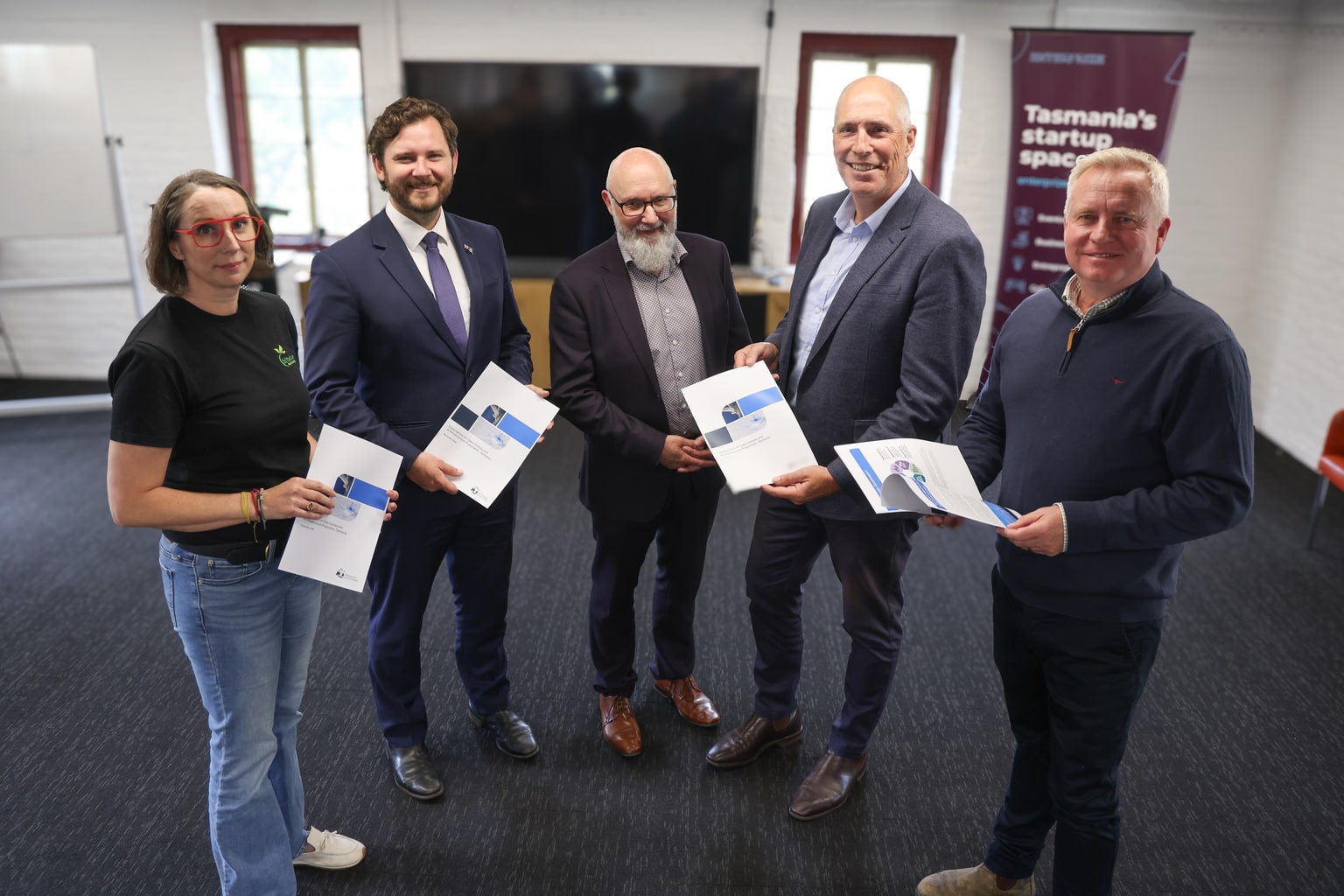
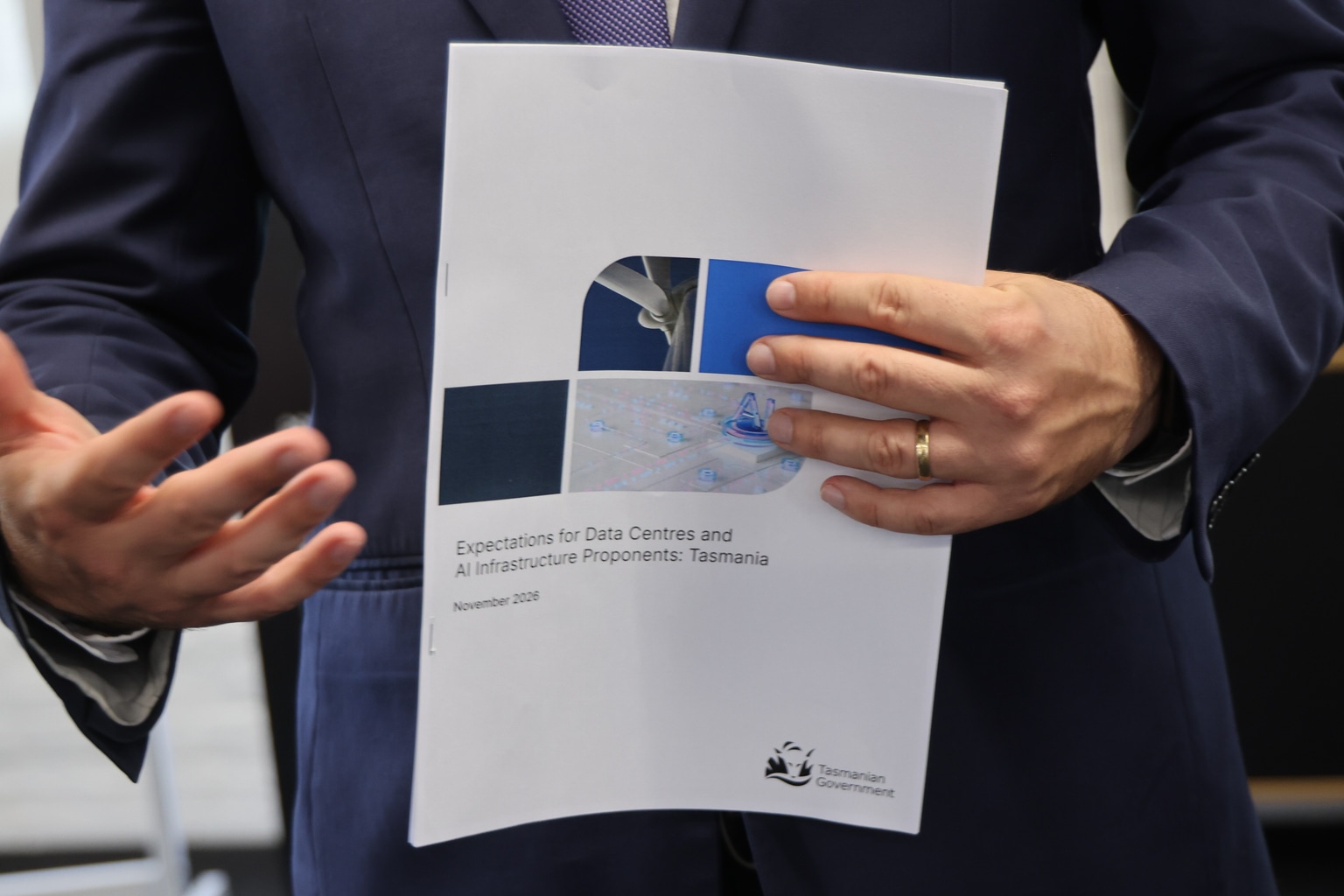
The government today released its final statement of expectations for data centres and artificial intelligence (AI) infrastructure, requiring developers of facilities larger than 20 megawatts to pay at least $3,000 a year per megawatt of contracted firm demand into a local community benefit fund.
Premier Jeremy Rockliff said the fund was “a requirement”.
“If developers of AI data centres … are not willing to invest in the Local Community Fund, are not willing to apply to our set of rules and expectations, then you’re not welcome,” he said.

“So if you’re not going to abide by our rules and expectations, then take your data centre elsewhere.”
Innovation, Science and Digital Economy Minister Felix Ellis said a 100-megawatt data centre would pay at least $300,000 a year to its local community.
The statement says contributions will be indexed to inflation, last for the life of the facility and continue if it changes hands, with the fund to be reviewed after five years.
The payments will not be legislated. Instead, each developer will sign an agreement with the government, which the statement says gives the state “rights to enforce those commitments”.
“No, it’s part of the data centre statement of expectations and we’ll seek agreement with the data centre proponents,” Ellis said.
When the government announced the fund on October 14, Rockliff did not say how much companies would pay or how contributions would be calculated.
Ellis said community groups would be able to apply for grants for projects such as sporting clubs, environmental work and skills and training.
He rejected suggestions the payment was a tax or a broken election promise.
Energy and Renewables Minister Nick Duigan said developers would have to partner with new renewable energy projects in Tasmania, either directly or through Hydro Tasmania.
“So if Hydro is acting as an aggregator, that ticks the box,” he said.

The statement defines new generation as projects larger than one megawatt that have not reached a final investment decision when contracts are signed.
Duigan said developers would pay for their own grid connections and upgrades, meaning there would be “no flow-on uplift in energy costs to other customers”.
He said federal legislation due early next year would set out how data centres must prove their renewable energy credentials.
Duigan said fossil fuel backup generation should only be used in emergencies. The statement says diesel generators should be used only as “a genuine backup arrangement for electricity supply and not as part of normal operations”.

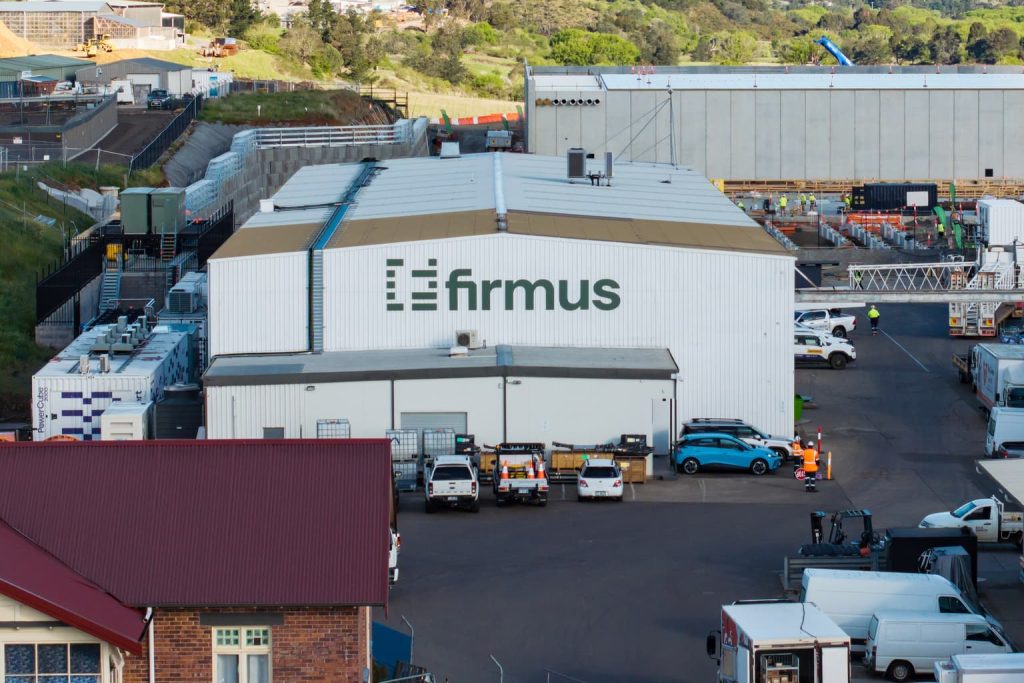
Firmus is appealing a George Town Council condition limiting the 276 backup diesel generators at its planned Bell Bay site to emergency use, but told a parliamentary inquiry this week it ruled out using them when “commercially convenient”.
Developers must also publish forecasts of their maximum and average annual water demand and avoid harming water security for existing users.
They will report energy and water use every quarter and emissions every year, with the government to set up a data portal to publish the information.
Developers must engage with councils, nearby landowners and the Tasmanian Aboriginal community before lodging development applications and show how feedback shaped their projects.
They are also expected to maximise opportunities for Tasmanian suppliers and partner with the University of Tasmania and TasTAFE on training.
TasICT Chief Executive Russell Kelly said the onus was now on developers to build trust with Tasmanians.

“The thing about expectations is that you have to live up to them,” he said.
“The Local Community Benefit Fund means that this private investment has to provide public value.”
Kelly said the amount was “in the same ballpark” as what was being suggested for the industry across Australia.
Rockliff said the expectations would be reviewed after six months.