Tasmania’s lower house has voted to call for an urgent review of the state’s short-stay accommodation laws.
The motion, moved by independent Clark MP Helen Burnet, passed 19 votes to 13 on Wednesday afternoon, with the government and Shooters, Fishers and Farmers MP Carlo Di Falco voting against it.
It calls on the government to review the Short Stay Accommodation Act 2019 and examine the impact of short-stay accommodation on housing.
The government is also being asked to seek public submissions and table a report with recommendations within six months. The motion is not binding.
Burnet said Tasmania was in a housing crisis, telling parliament the social housing waitlist stood at 5,655 people and rental vacancies were consistently below 1%.

She said the state had lost 1,722 whole homes to short-stay accommodation between 2019 and 2026, citing the TasCOSS ‘State of Housing’ dashboard, with most of those homes in Hobart.
“Every home we lose from our long-term rental stock creates a greater risk of homelessness for those who can’t afford or secure one of the diminishing number of rental properties,” she said.
Labor supported the motion but argued short-stay accommodation was not the main cause of the housing crisis.
Franklin MP and shadow treasurer Dean Winter said the planning system and a failure to build enough homes were bigger problems.
“Short stay is a factor, but it is not the major factor,” he said.
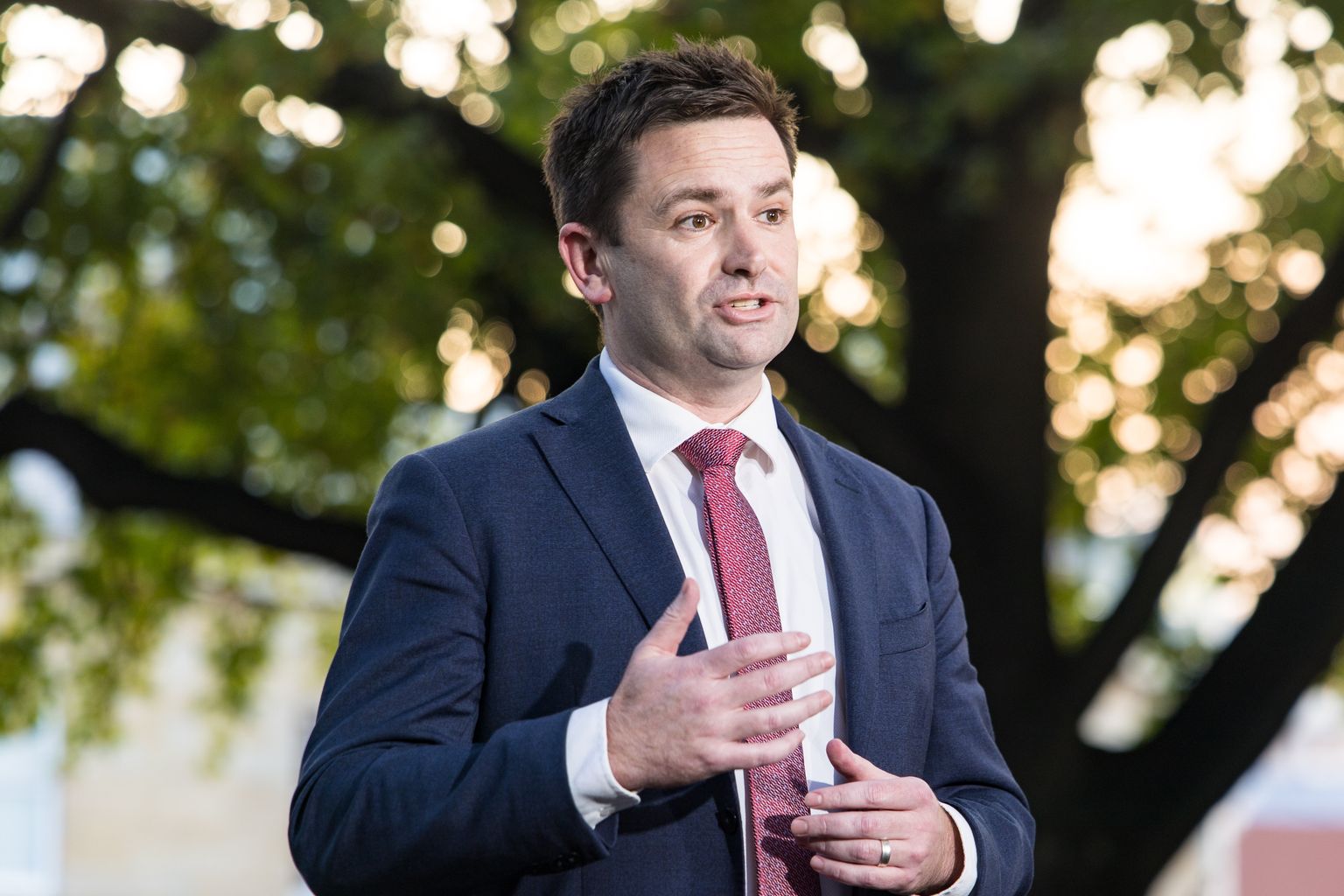
Winter also took aim at “green” councillors, saying that in his experience they were often the ones who “continue to vote against development and new housing”.
He pointed to several Hobart apartment proposals he said had been opposed or delayed, as well as what he described as the Greens’ opposition to the University of Tasmania’s move into the city.
“You can talk about housing and you can talk about short stay when it suits you, but you’ve also got to be real about this and that is we need to build more homes,” he said.
“We need a planning system that says yes. We need councillors – and council elections are coming up – who also say yes to new development.”
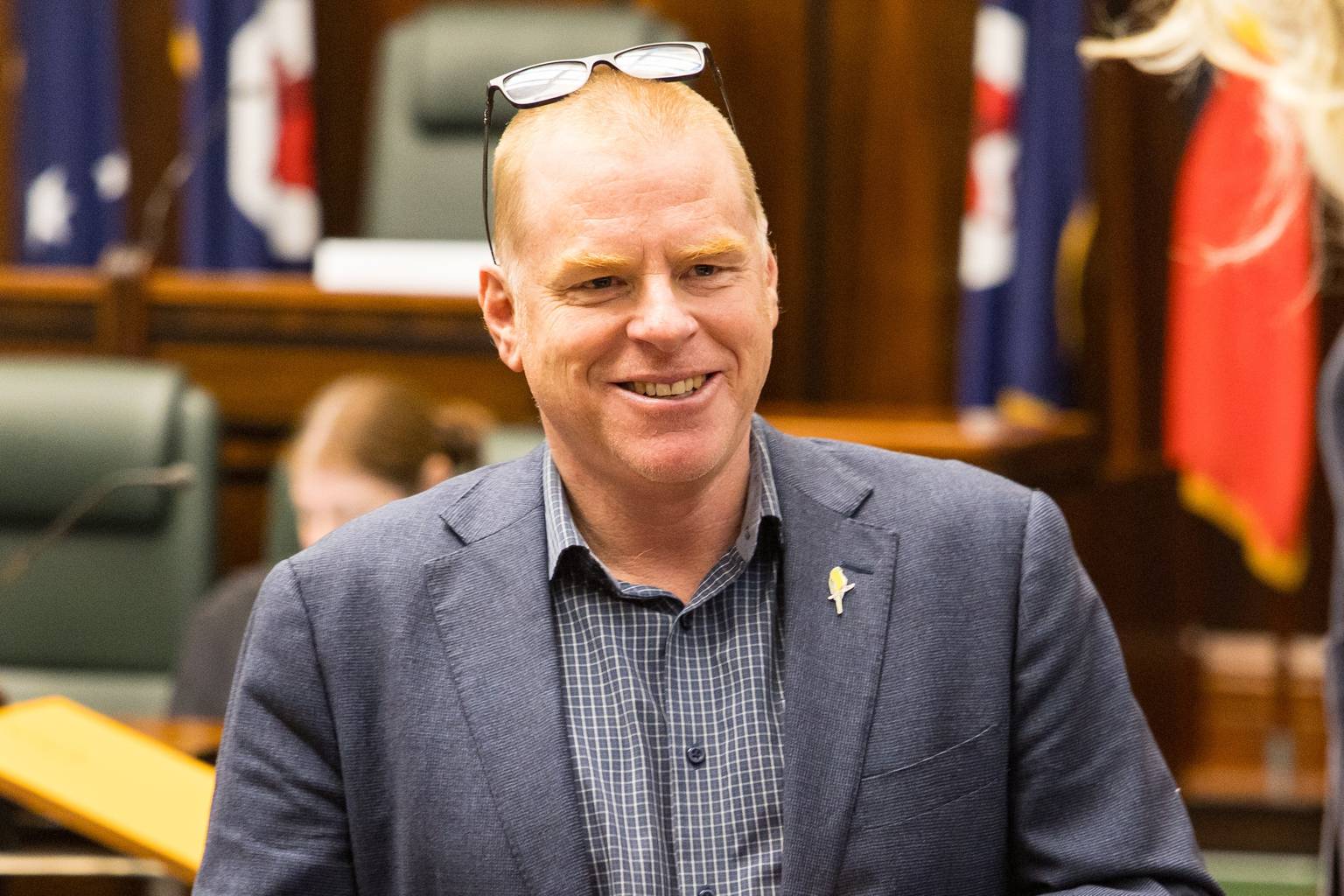
Greens deputy leader Vica Bayley backed the motion, saying short-stay accommodation was one part of the housing crisis parliament could act on now.
“It has been said that this is a multi-faceted crisis that we’re facing here. That’s absolutely the case and I accept short stay is not the driving factor of this crisis,” he said.
“The least we can do is stop the bleed of whole-home rentals leaving the market and going to short-stay accommodation.”
Treasurer Eric Abetz opposed the motion on behalf of the government, pointing to a new Consumer, Building and Occupational Services (CBOS) dashboard and quarterly data he said was provided to councils.
“The assertion that the government has failed to review the impact of short-stay accommodation on the housing market or to provide effective data to monitor the impact at a local government level is simply not supported,” he said.
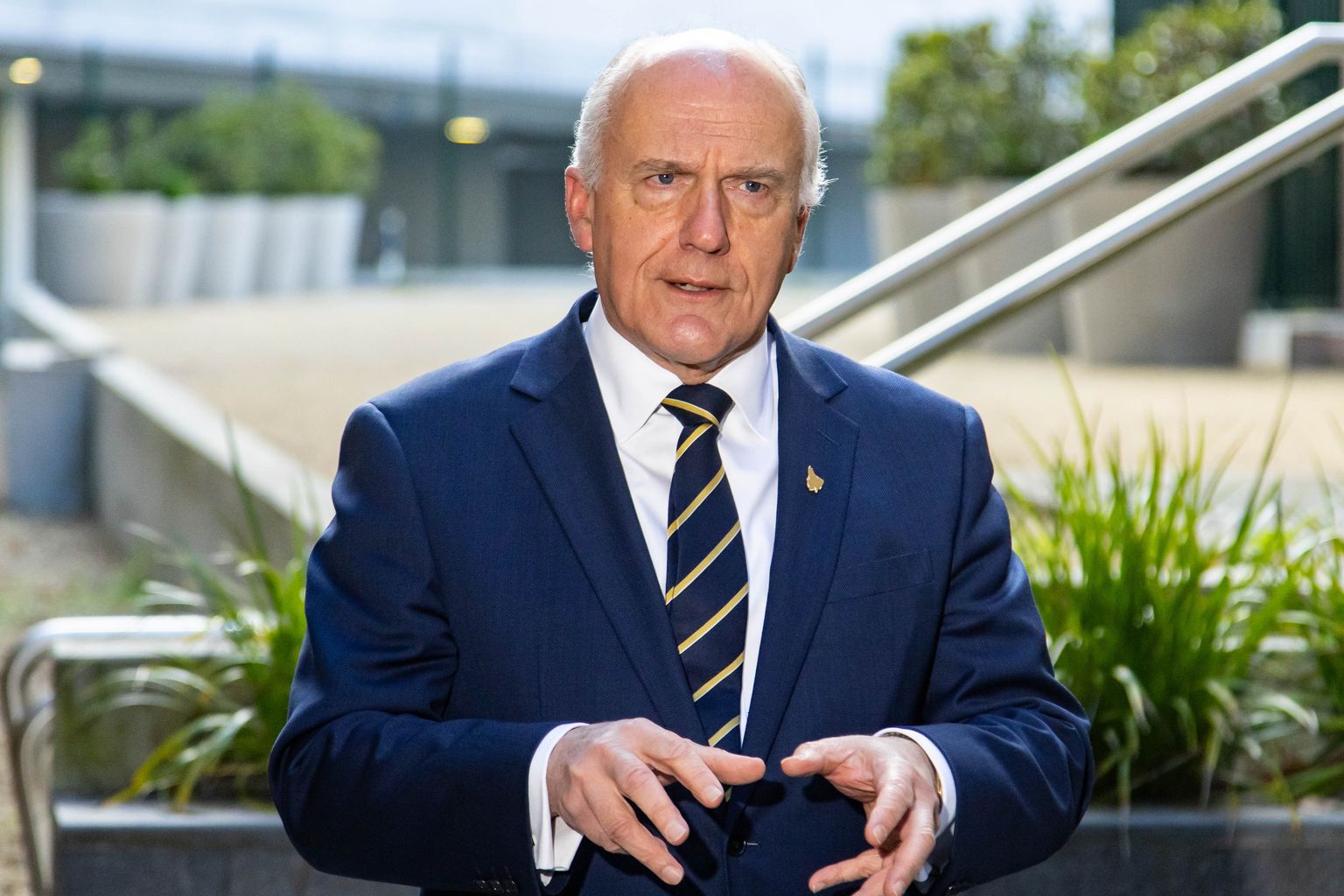
Abetz said most listings involved people renting out their own homes, which he said would not otherwise be available for long-term rent.
“It is true that Tasmania, like the rest of Australia and indeed the world, is facing a significant and multi-faceted housing challenge,” he said.
“A myriad of factors – including planning issues, the rising cost of construction materials, rising interest rates and general cost-of-living pressures – have put increased pressure on families, the economy and broader housing market and Tasmania is not immune to the effects.”
The vote came just hours after the upper house rejected the government’s proposed 5% short-stay levy.