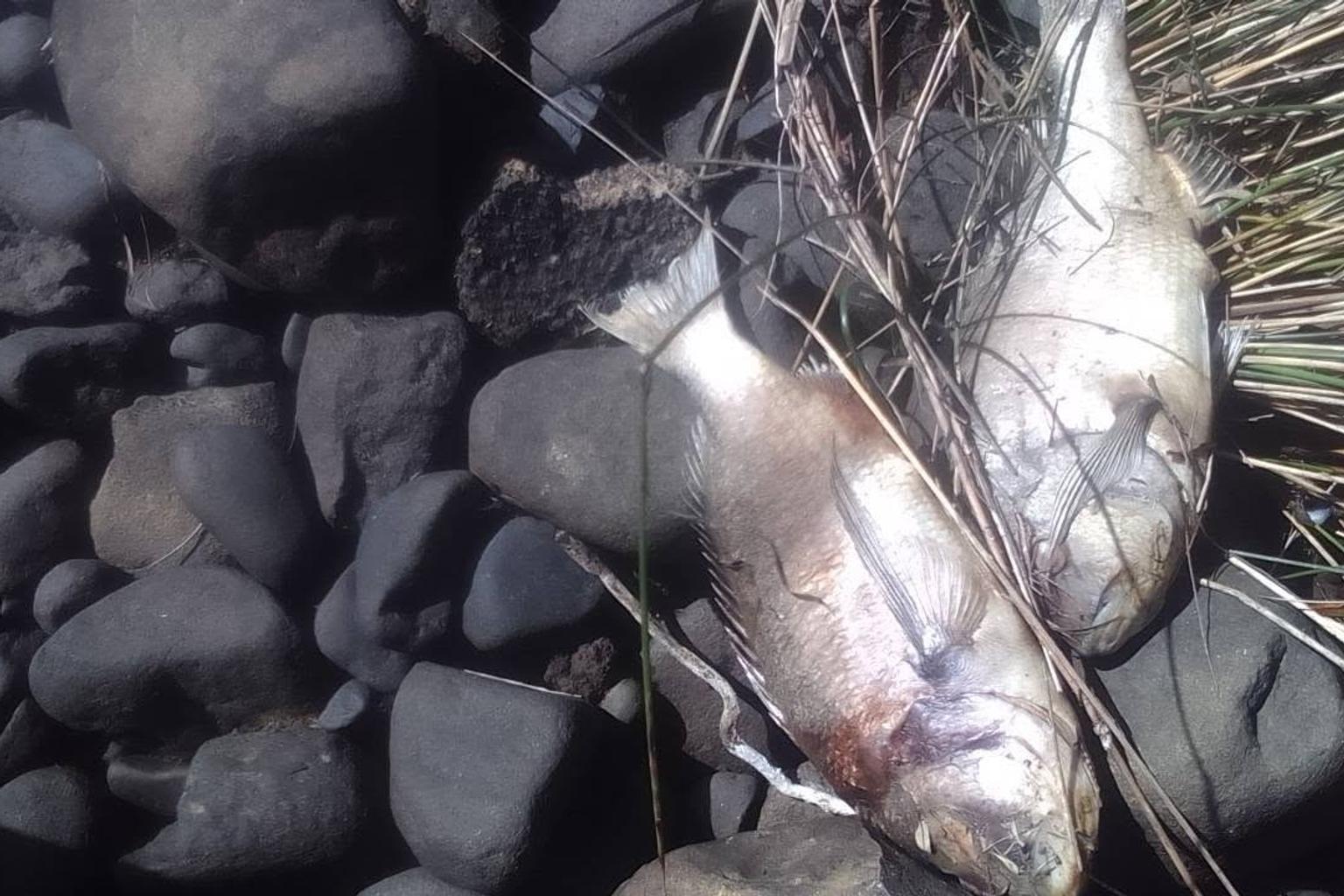
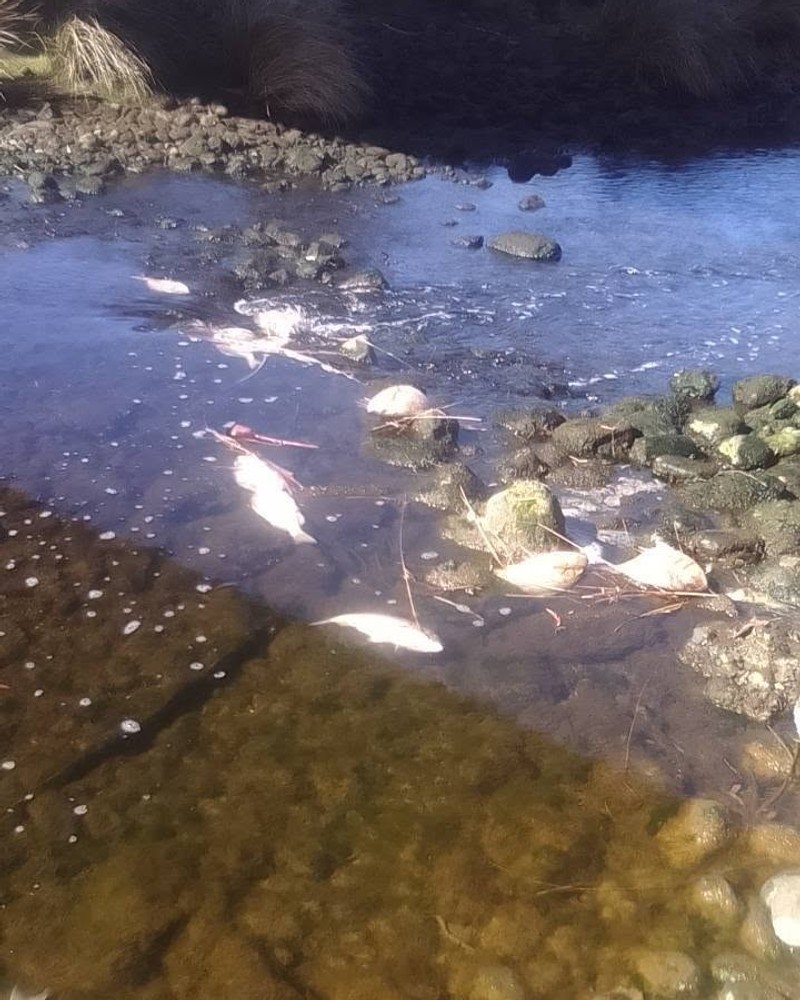
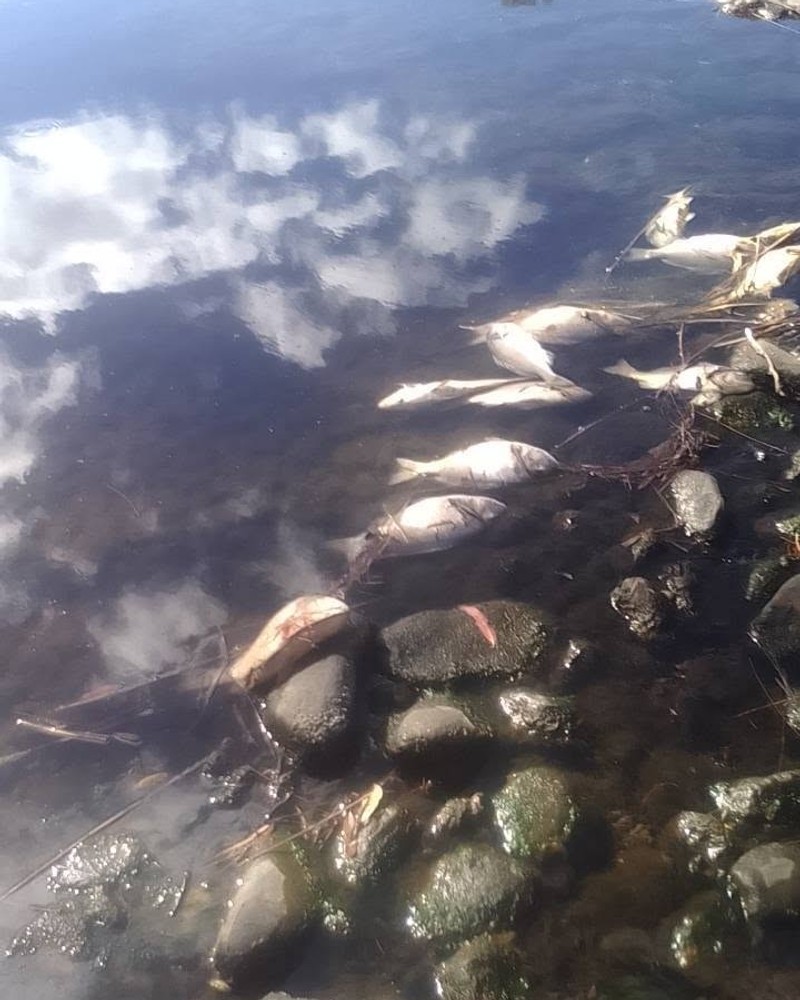
Hundreds of dead fish have been found floating in Little Swanport on Tasmania’s east coast, prompting calls for authorities to investigate and clean up the site.
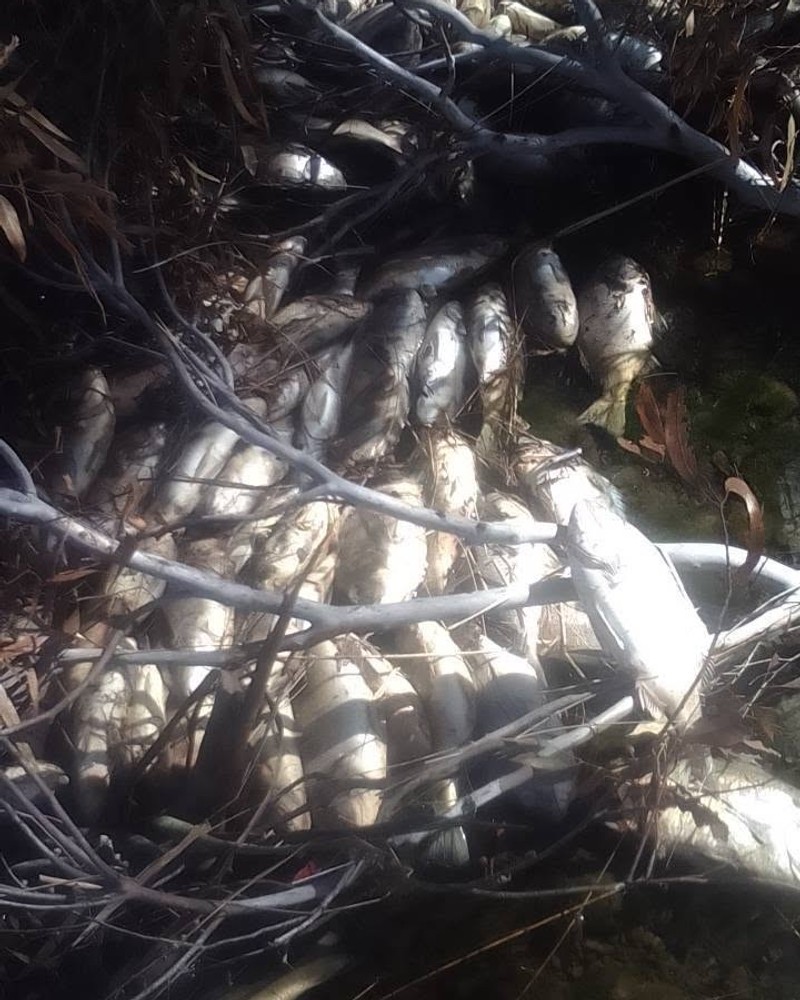
A concerned local reported counting around 50 dead fish under the Little Swanport bridge on Thursday before returning to find 482 dead fish, with more visible further downstream.
The kill has predominantly involved southern black bream.
The Department of Natural Resources and Environment Tasmania said it is aware of the reports and has been working with the Inland Fisheries Service to investigate.
“Following reports, fish and water samples were collected late last week,” an NRE Tas spokesperson told Pulse.
“The samples are being tested as part of the investigation.”
The spokesperson said further information would be provided as it becomes available.
TARFish, the peak body representing recreational marine fishers in Tasmania, said the event was understandably concerning but urged people to wait for evidence before jumping to conclusions.
“When you see dead fish floating in a river, the immediate reaction is often … ‘What’s been dumped in the water?'” the organisation said in a statement.
TARFish said pollution and contamination needed to be considered and ruled out by authorities.
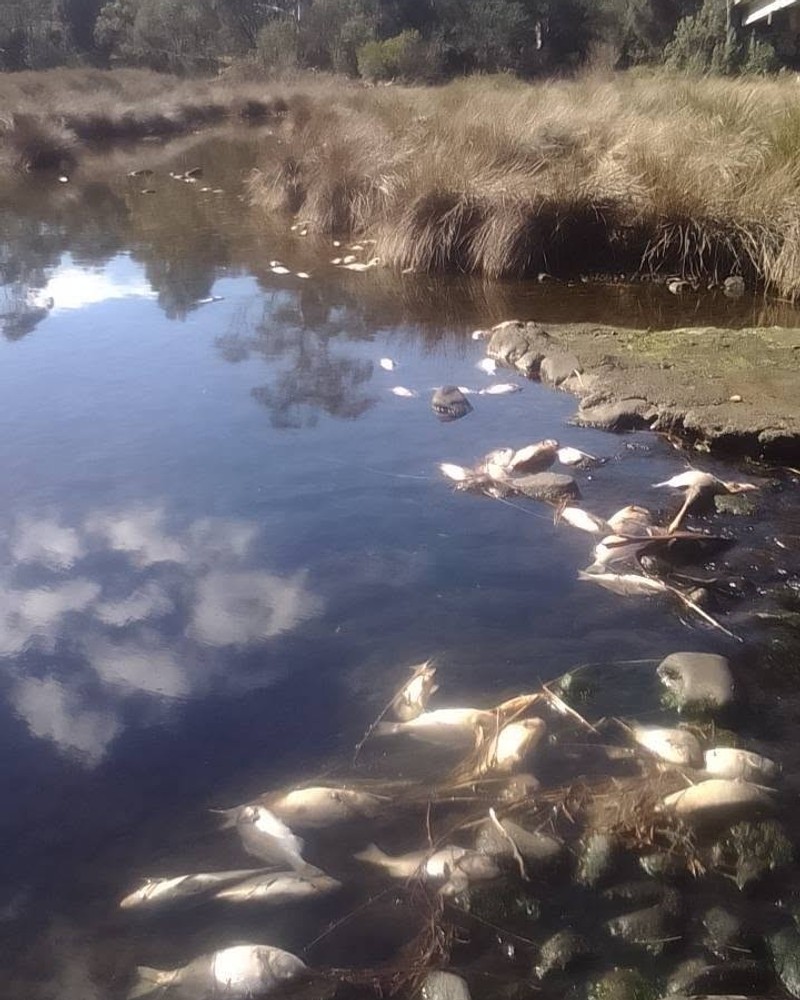
However, it noted that fish kills are not uncommon in east coast estuarine systems and can occur naturally.
In estuaries, fresh water flowing downstream meets heavier salt water from the sea and under certain conditions those waters can form separate layers rather than mixing properly.
TARFish said when warm conditions, low flows and decaying vegetation are added to the mix, bacteria can consume significant amounts of dissolved oxygen.
If those oxygen-poor layers then mix through the water column, fish can effectively suffocate.
Black bream are particularly vulnerable because they spend much of their lives within the same river system, meaning large numbers can be concentrated in one area when poor conditions develop.
One local responded to the TARFish statement by heading to the estuary alone to begin removing dead fish.
“I’ve stacked hundreds of bream and there’s hundreds I can’t get to,” the local said, describing himself as “an old bloke with a landing net and a barrow.”
He questioned where government environmental scientists, council and clean-up crews were, warning the rotting fish could trigger a second kill event if not removed quickly.
TARFish said every significant fish kill deserves investigation.