Neil the seal has returned to Tasmania – and at an estimated 1,000 kilograms, he is bigger than ever.
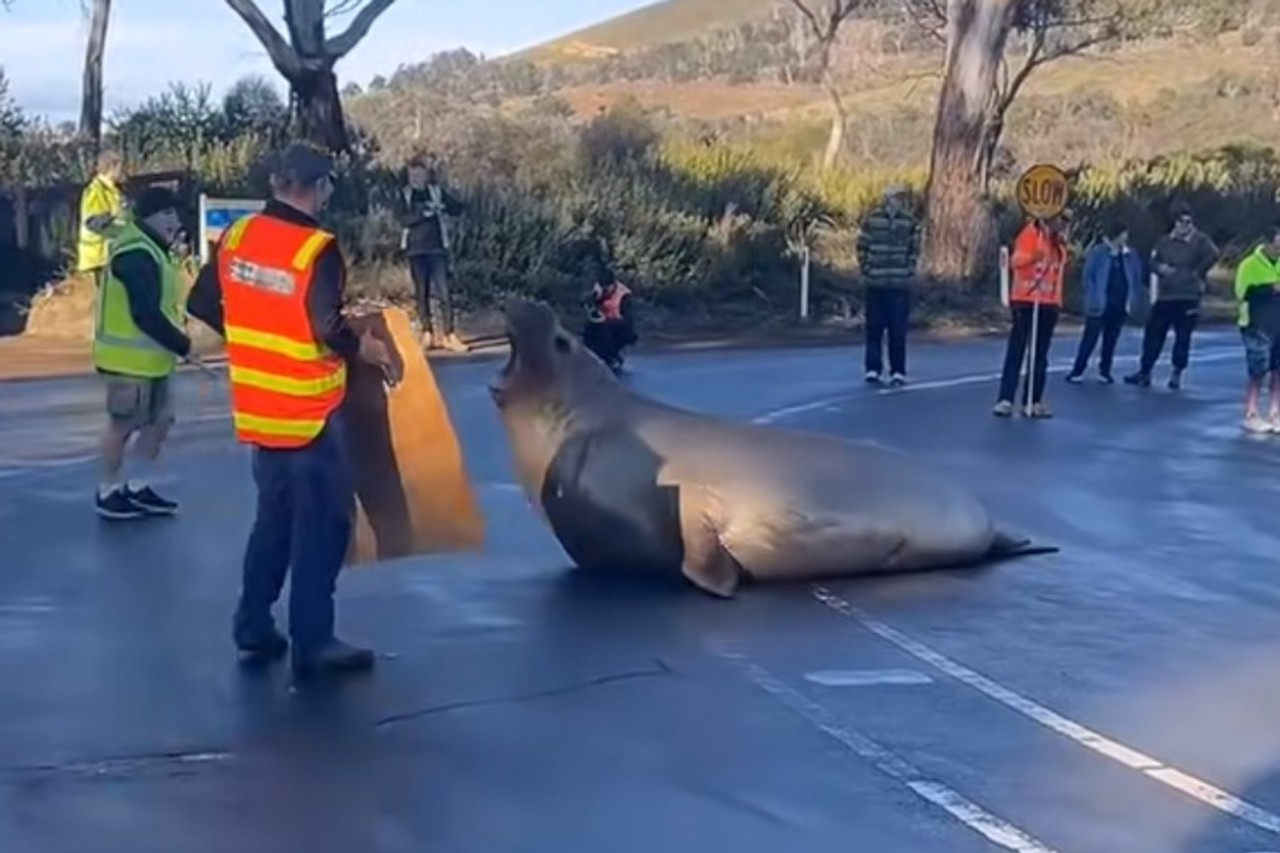
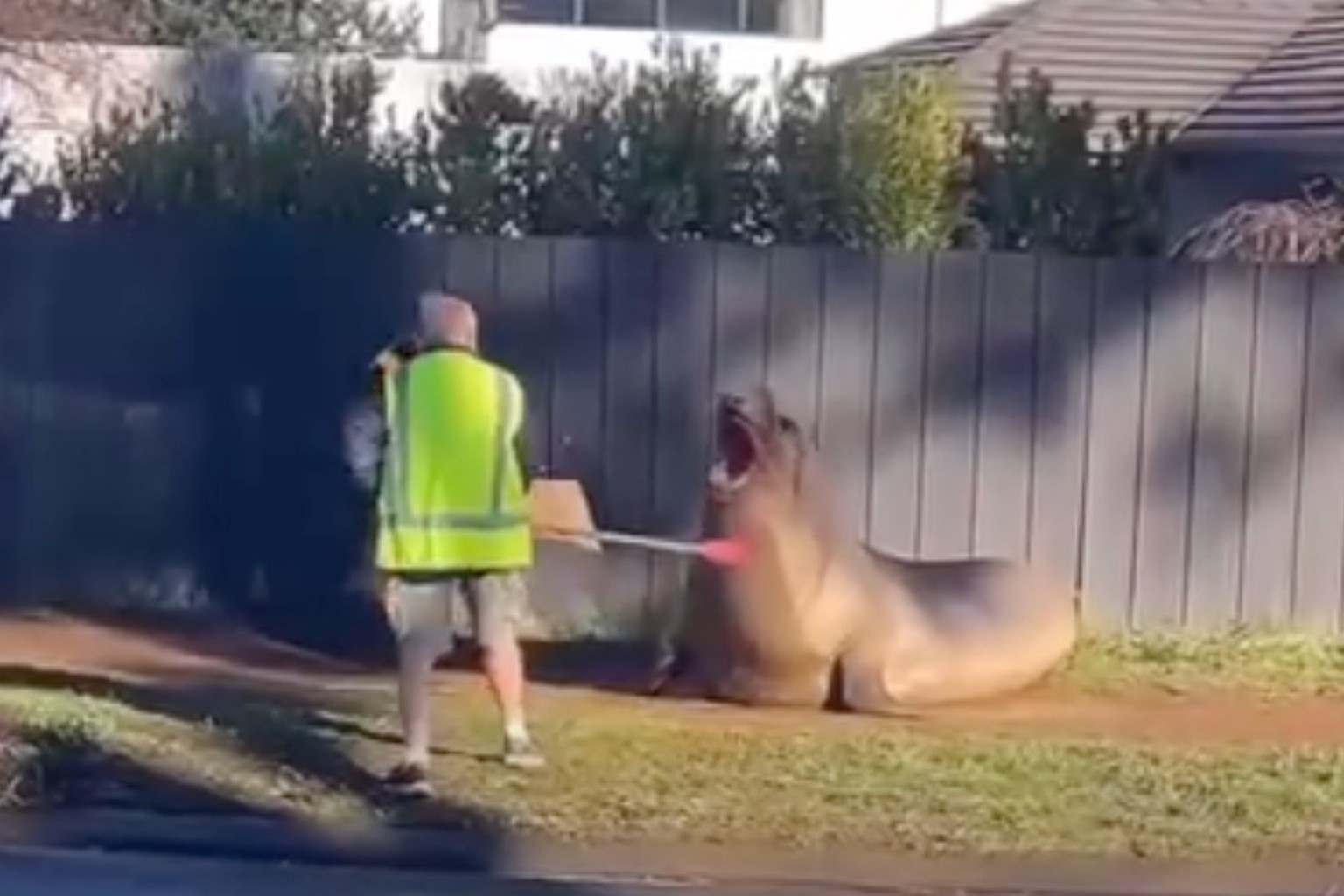
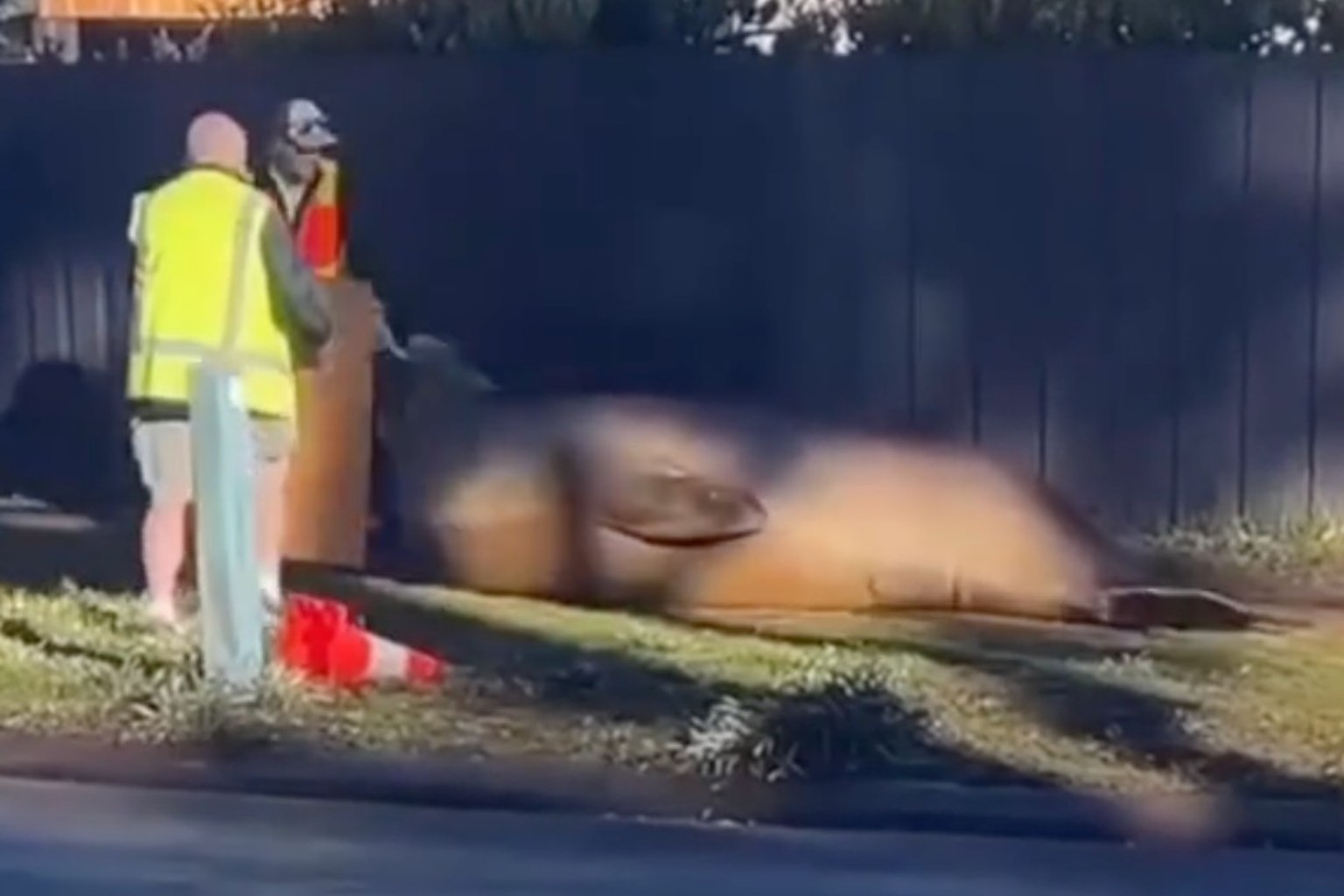
Multiple videos circulating online show wildlife staff waving long padded poles and holding boards as they work to move the elephant seal off a suburban road in southern Tasmania.
The Department of Natural Resources and Environment (NRE) told Pulse staff were on site relocating Neil using padded poles, boards and noise to guide him to safety.
“These techniques do not harm the animal,” the department said, adding it could not leave Neil where he was.
“This puts him at risk of being hit by a vehicle and creates a safety hazard for drivers and pedestrians.”
NRE said his size made the job more dangerous.
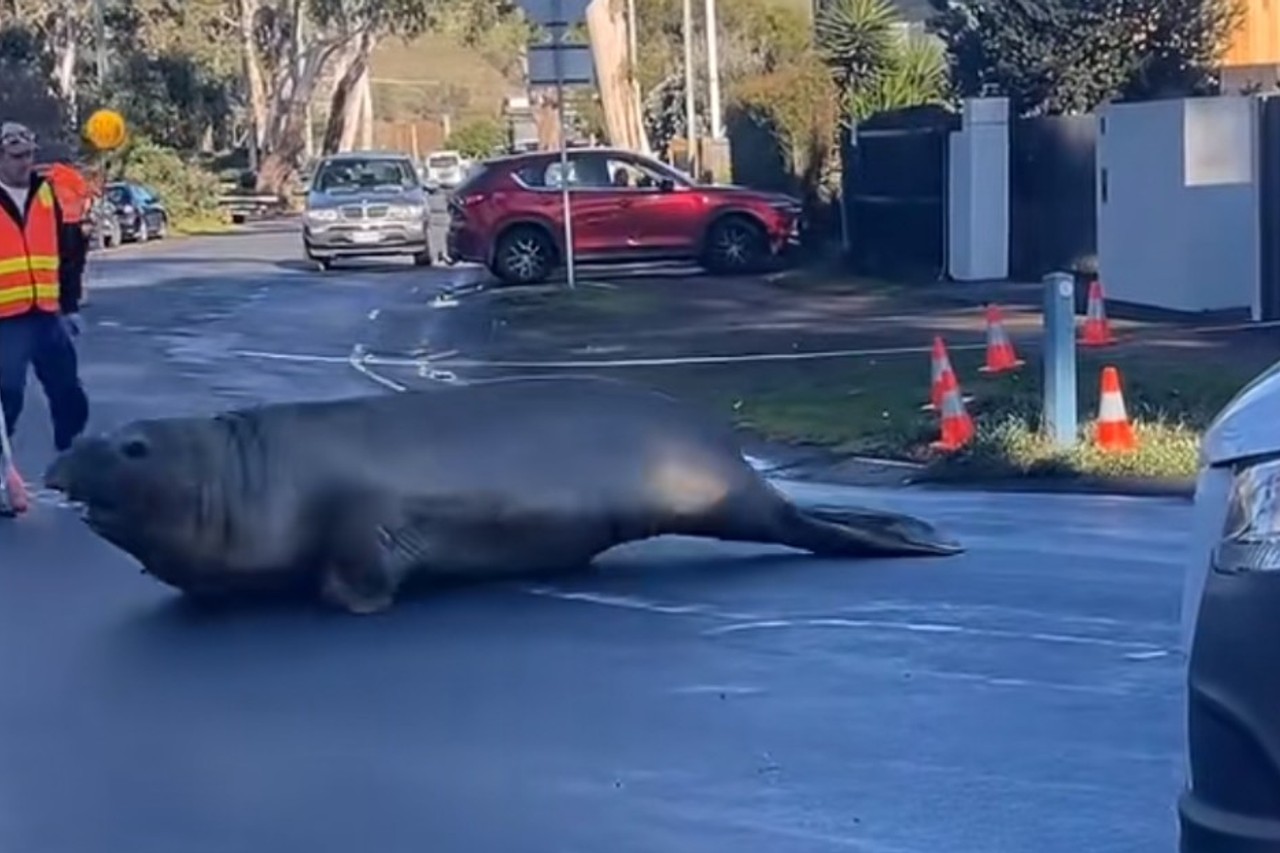
“Even small movements from a large wild animal can cause serious injury,” it said.
Neil was estimated at about 600 kilograms in late 2023 and around 700 kilograms in 2024. He is now believed to weigh about 1,000 kilograms.
His growth means the methods used to move him have changed.
In an earlier relocation he was lifted onto a trailer using a tarp and a team of people – an approach no longer considered possible at his current size.
The department said his behaviour had also changed as he grew.
“As a subadult, his behaviour has changed and techniques used during previous visits have been updated to ensure everyone’s safety,” it said.
Neil is a southern elephant seal, an endangered species. He is believed to be the only local elephant seal in Tasmania.
He was born in 2020 and shot to fame in July 2022 after hauling out in the state’s south for his moulting period, where he played with traffic cones placed to protect him.
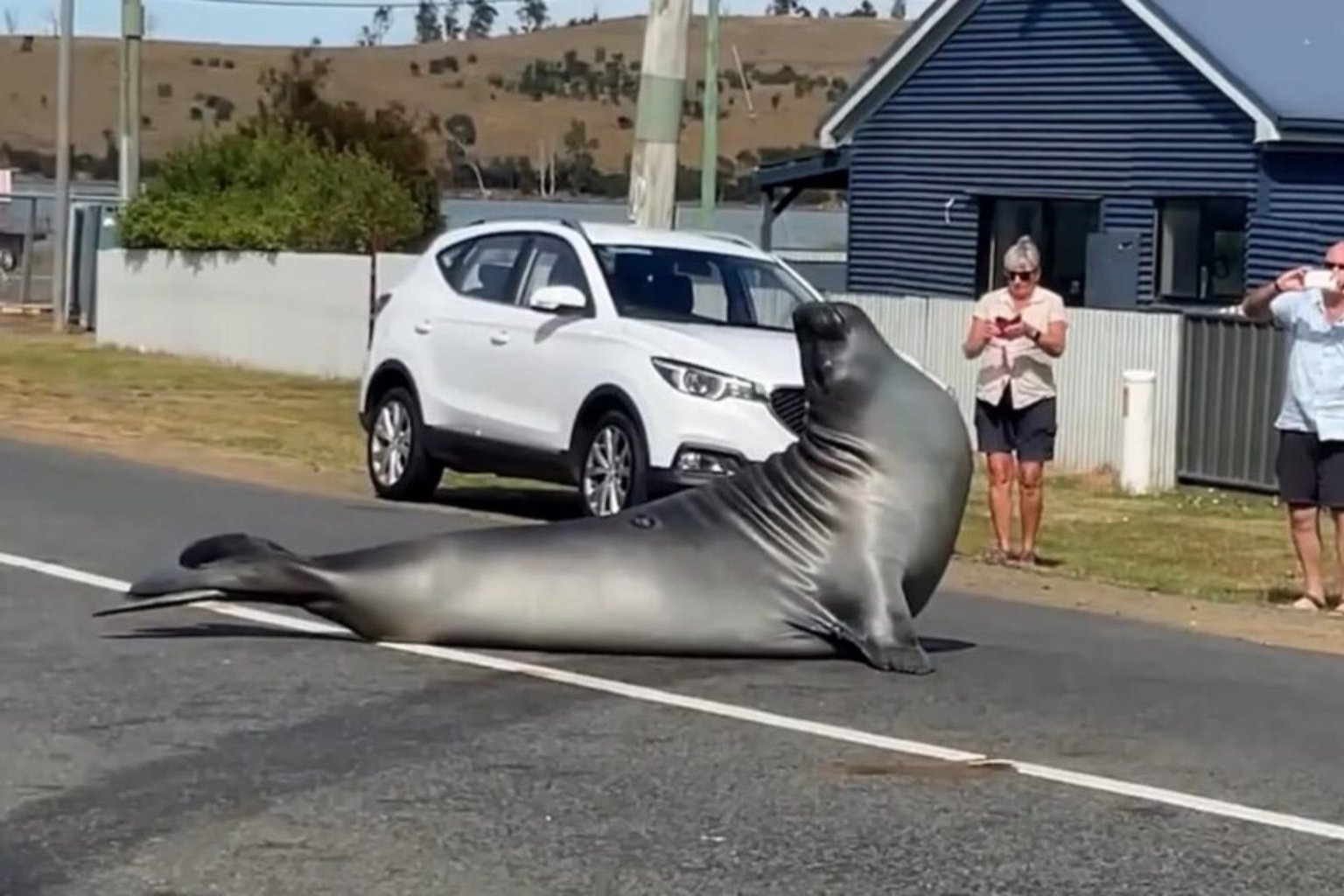
Locals began filming his antics and posting them online.
Videos of Neil blocking roads, napping on lawns and knocking over bollards drew millions of views on TikTok and Instagram.
His fame has also prompted efforts to keep his location secret, with people asked not to share where he is to protect him from crowds.
The department urged people not to engage with him, saying it could reinforce unsafe behaviour.
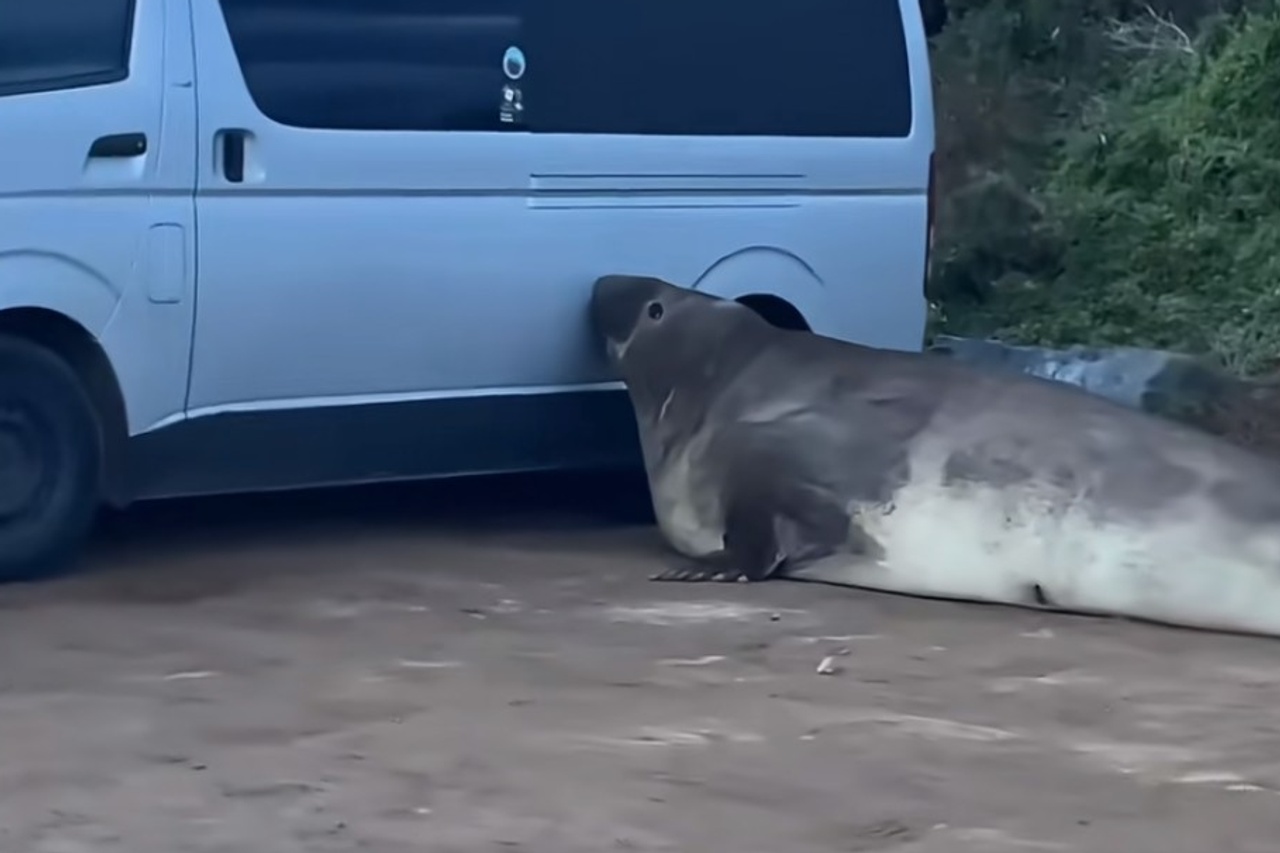
It has asked the public to stay at least 20 metres away from Neil and to keep dogs on a lead at least 50 metres away.
“The use of padded poles, boards and noise to encourage large wildlife to move is a standard, internationally recognised approach used by trained wildlife experts,” the department said.
“These methods are designed to safely guide the animal without causing harm.”
Sightings or concerns can be reported to the marine mammal hotline on 0427 942 537.