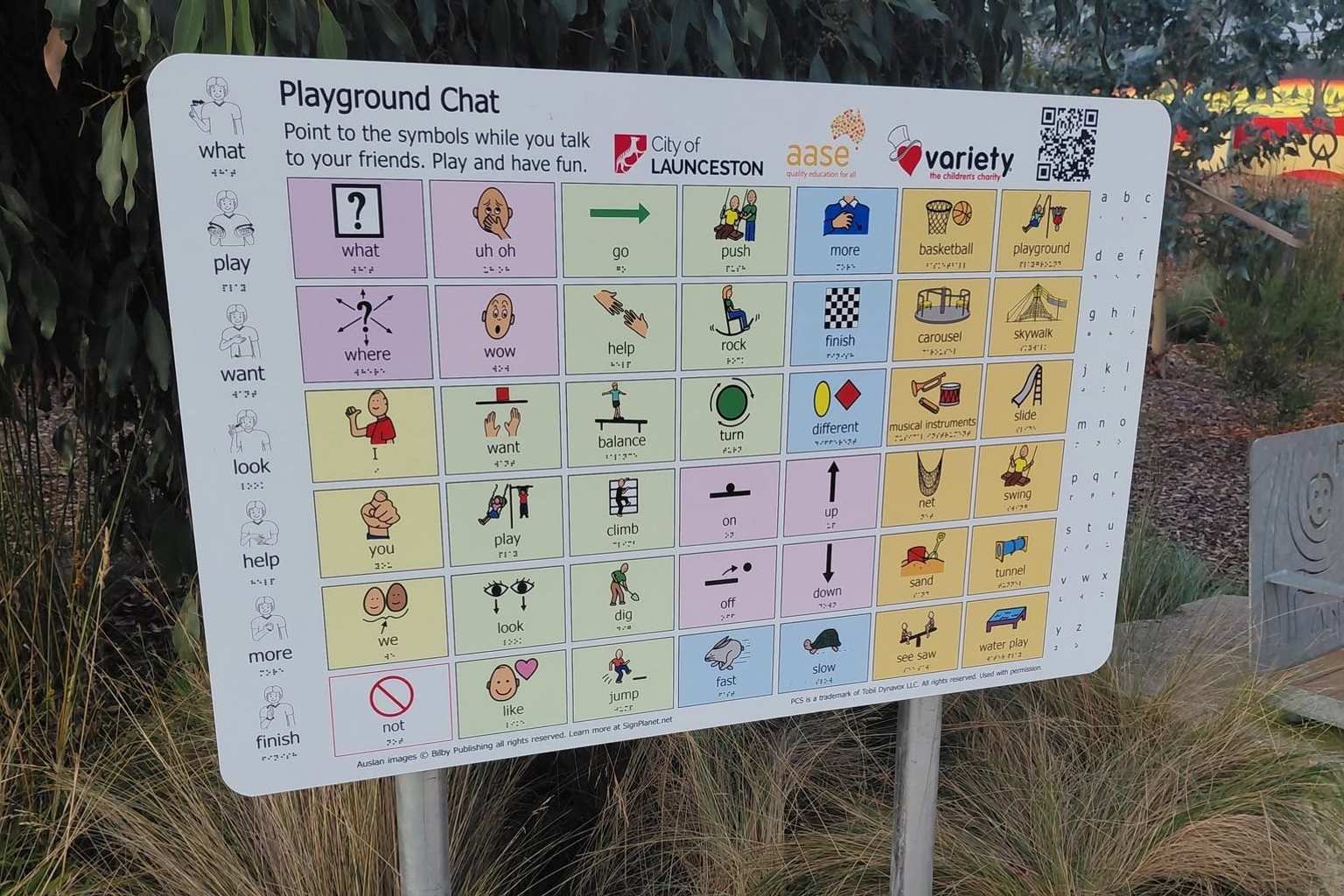
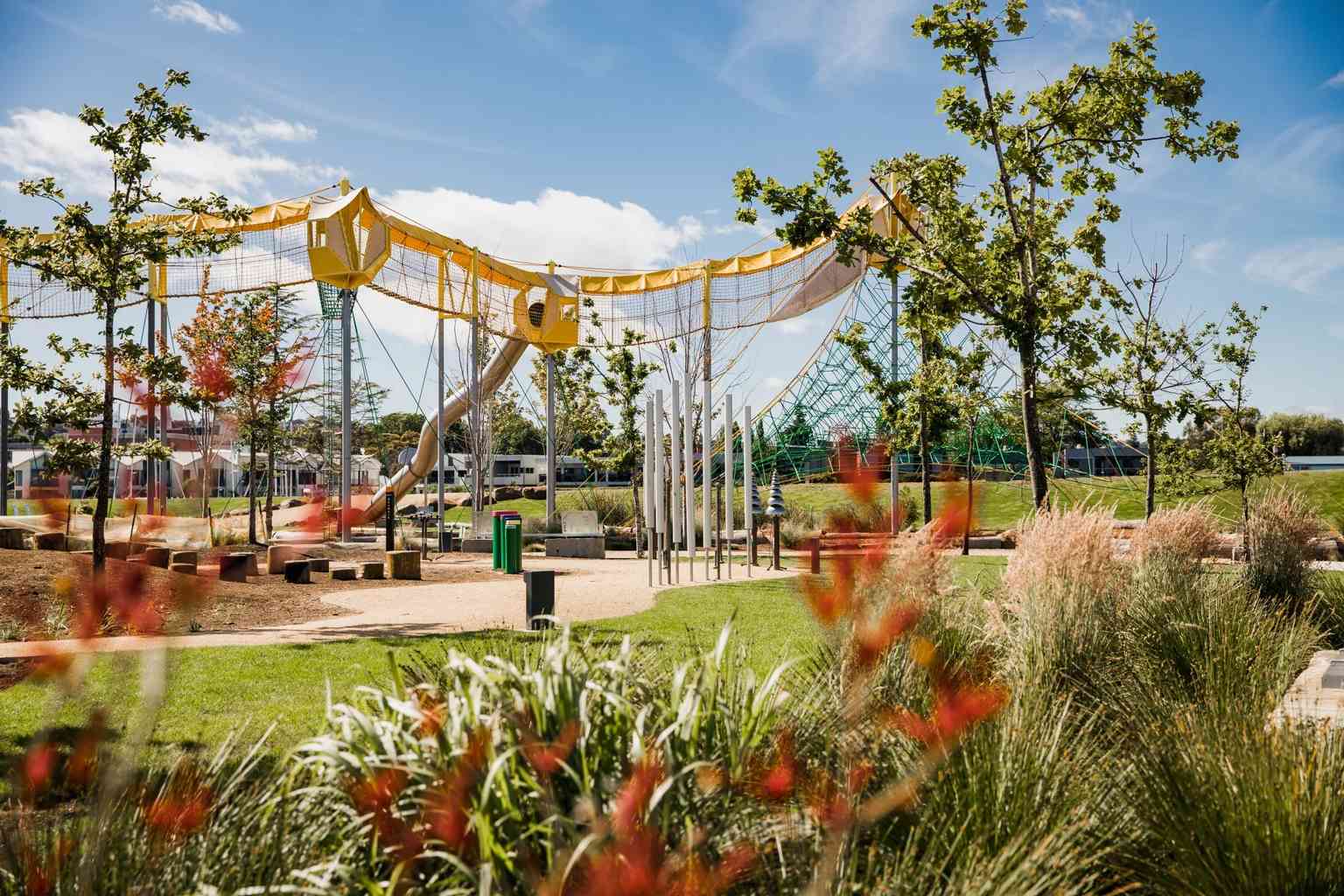
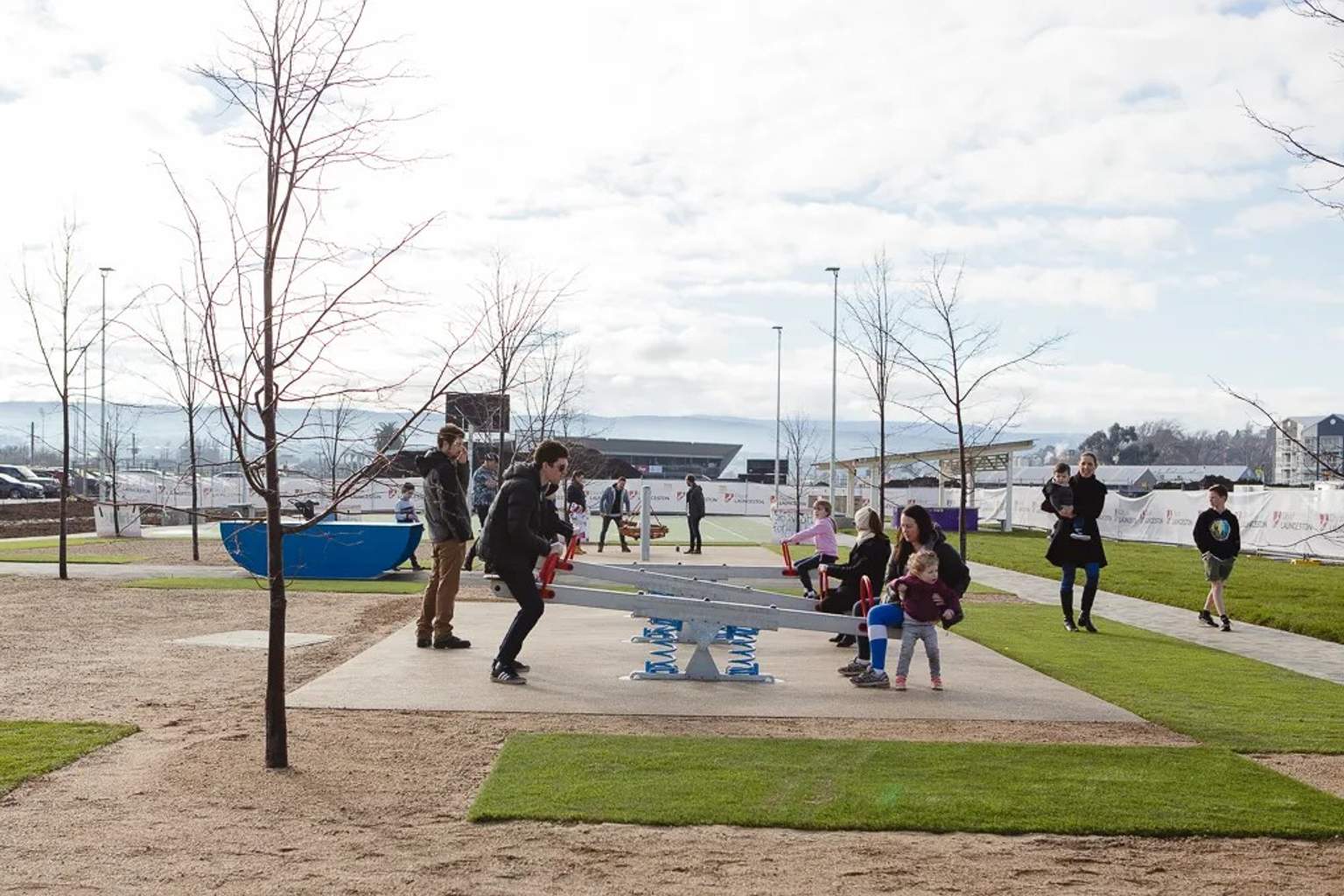
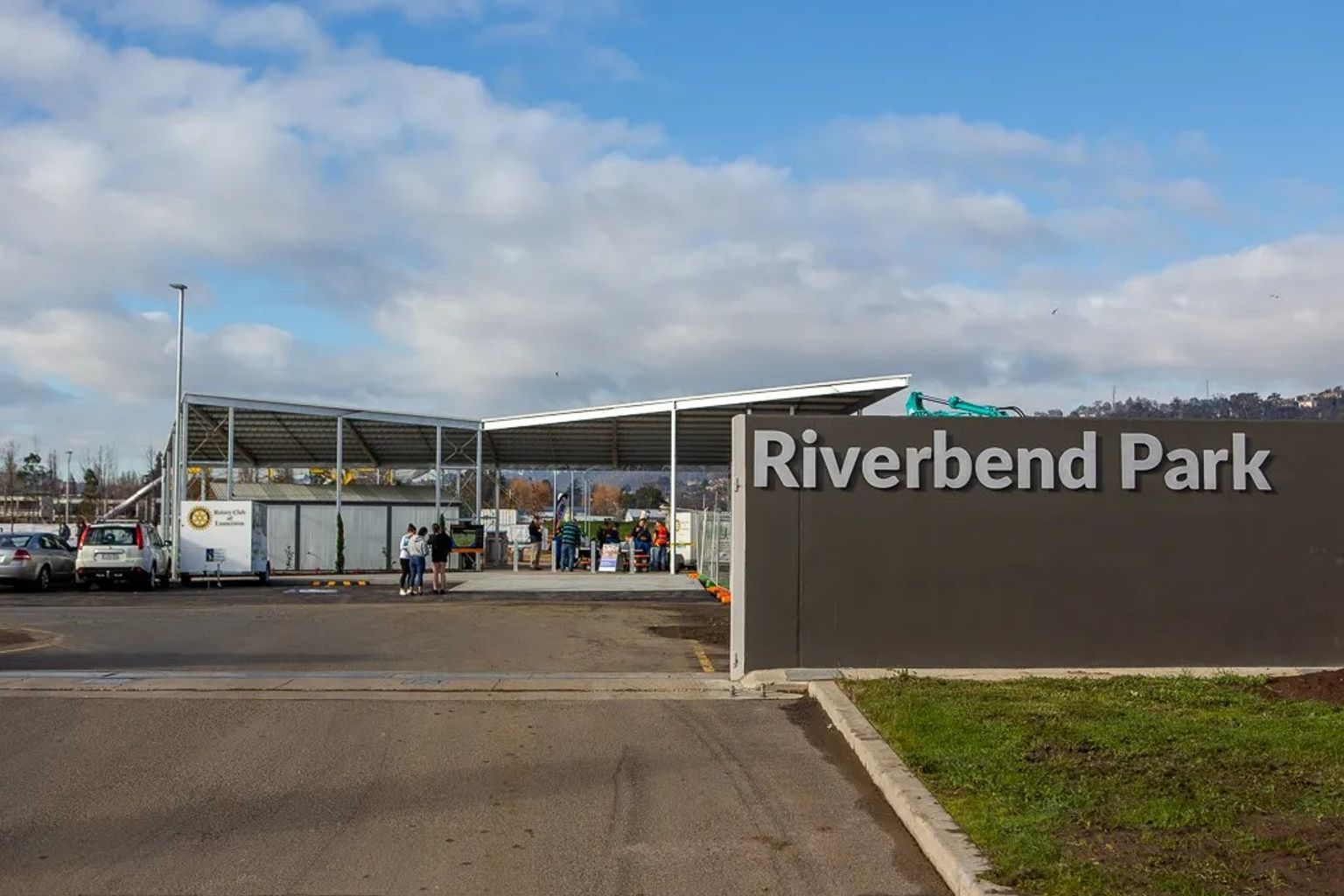
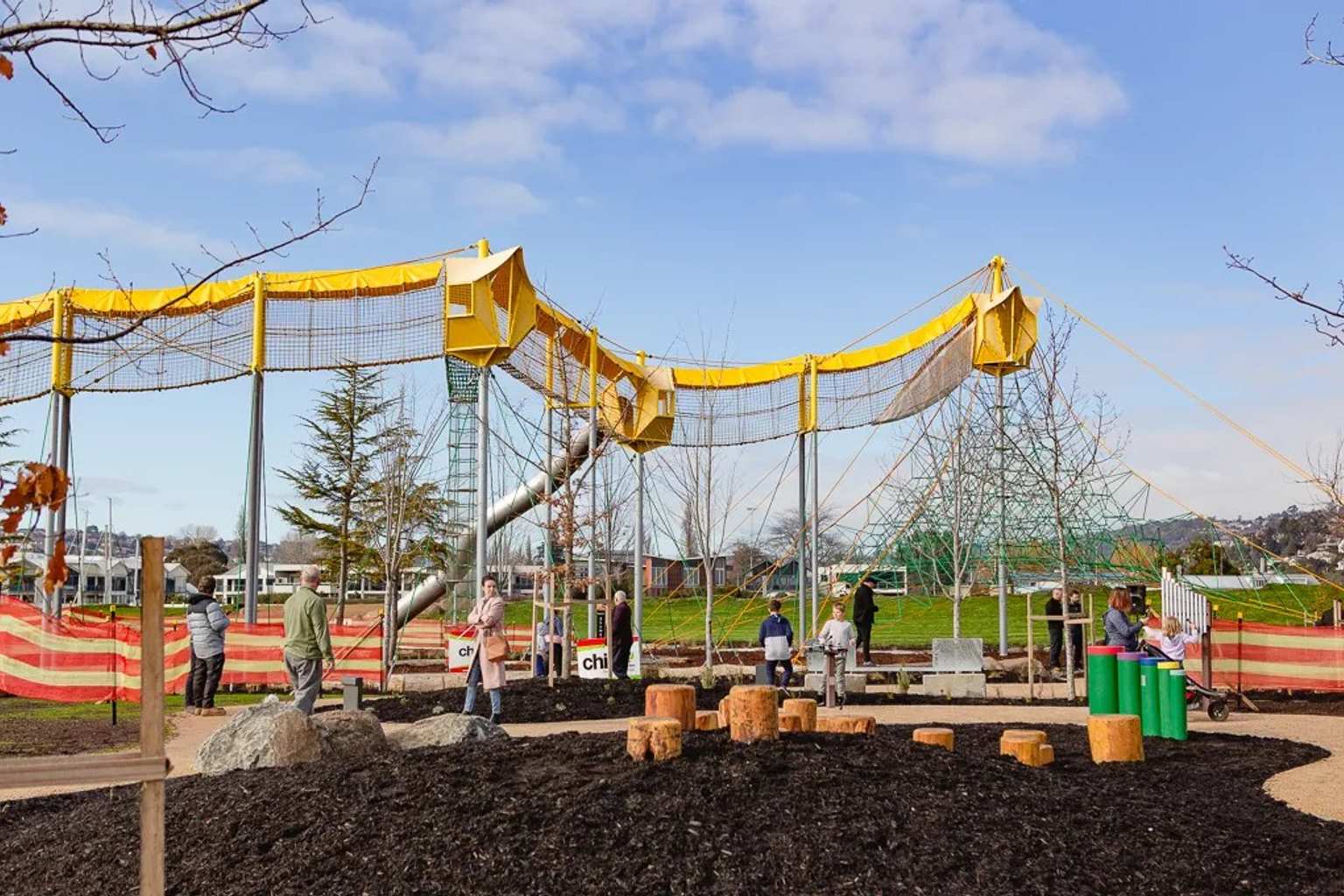
A new communication board at Launceston’s Riverbend Park is helping make the playground more accessible for people who are deaf, non-speaking, blind or have low vision.
The board features Auslan, Braille, symbols and words, and is tailored to the specific equipment at the destination playground.
It supports people who face barriers to verbal communication to talk about and explore the park in different ways.
A free community event will be held at the park today (Saturday) from 11am to 1pm to mark the installation, with a barbecue, face painting and activities for children and adults of all abilities.
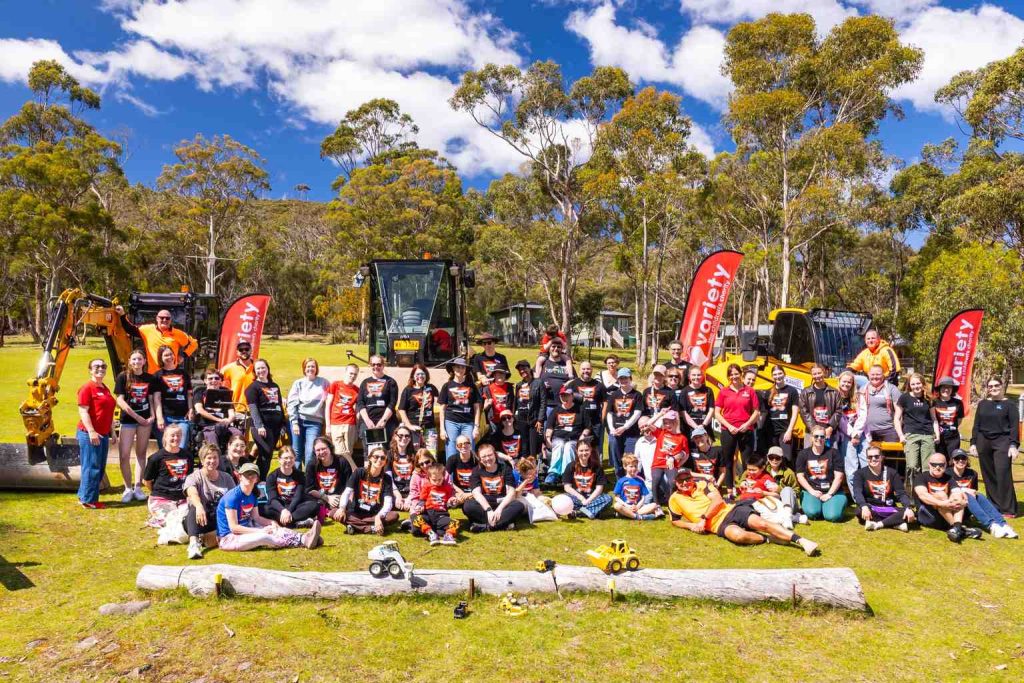
The board is the result of a collaboration between the Inclusive Spaces Working Group, City of Launceston recreation officer Ben Clark and Variety the Children’s Charity.
Inclusive Spaces founder Codie Baylis said the board was an important step in making play spaces welcoming for everyone.
“Every child deserves the opportunity to play, connect and belong in their community,” Baylis said.
“Improvements to accessible and inclusive play spaces help remove barriers for children and families, creating places where everyone can participate, feel welcome and thrive.”
“The launch of the first Community Chat Board in Launceston at Riverbend Park is an exciting milestone in ensuring community voices are heard and valued.”
Variety Tasmania chief executive Mohammad Aldergham said chat boards were a low-cost way to make playgrounds more inclusive.
“Not only do they provide a non-verbal and Braille communication tool, but they also serve as engaging and educational play equipment that fosters curiosity and raises awareness,” Aldergham said.
“We congratulate the City of Launceston and the community’s Inclusive Spaces Working Group on their proactive and consultative approach to improving inclusion in our playgrounds.”
“This is a shining example of what can be achieved when communities and local governments work together, and we encourage other councils to follow in these footsteps.”
The Inclusive Spaces Working Group is a grassroots organisation made up of people with lived experience and professionals passionate about access and inclusion for people with disability and neurodiversity.
The group said this was its first installation resulting from advocacy with the City of Launceston, with more inclusive features in progress for other local parks.