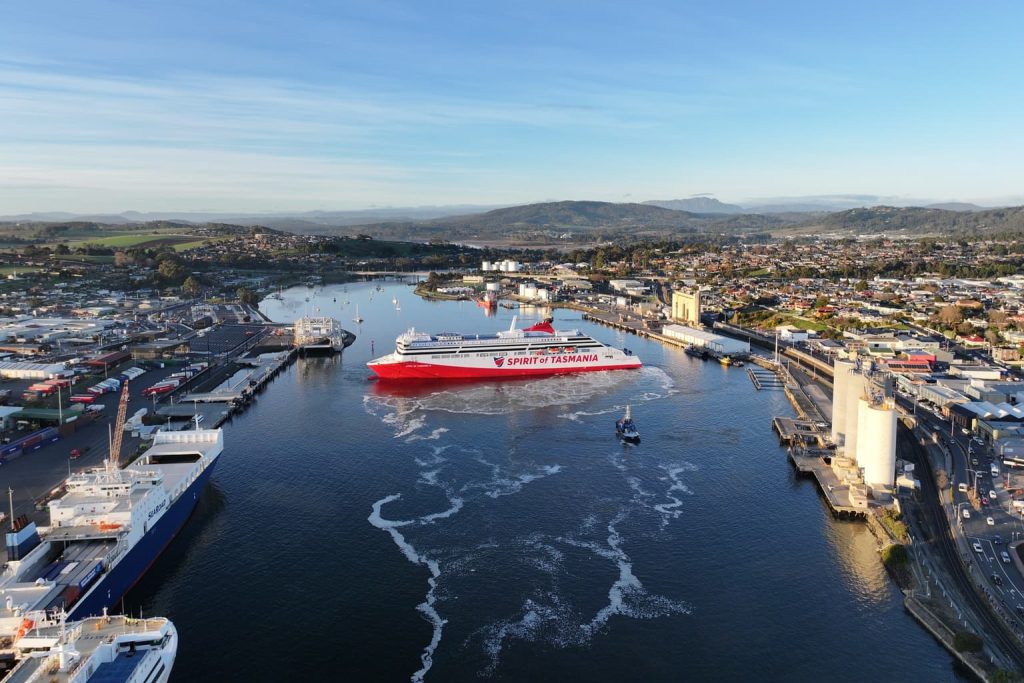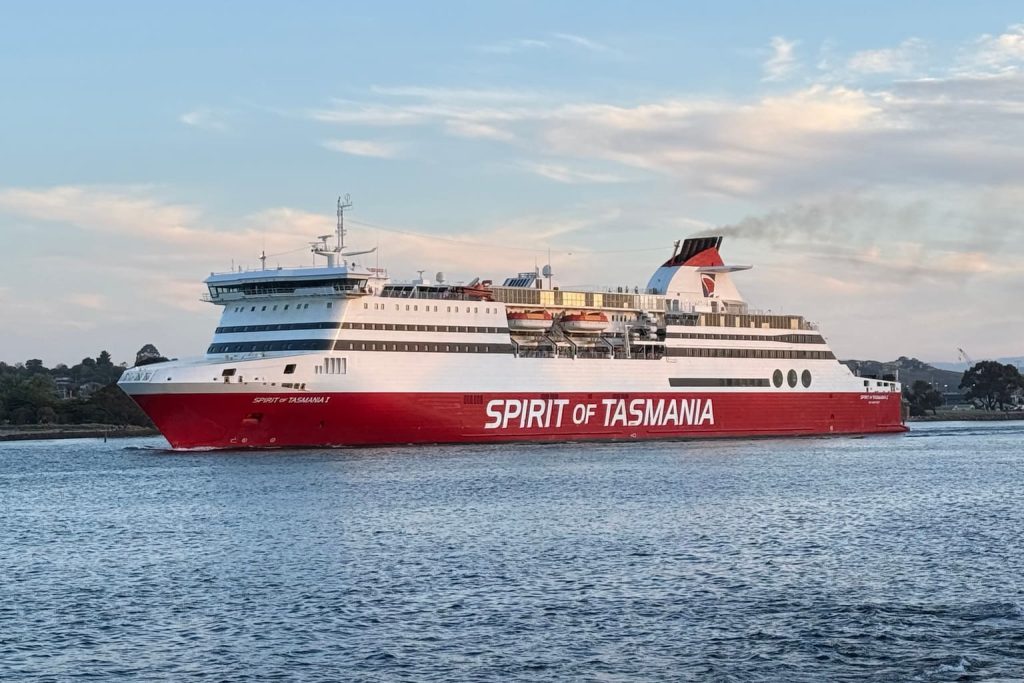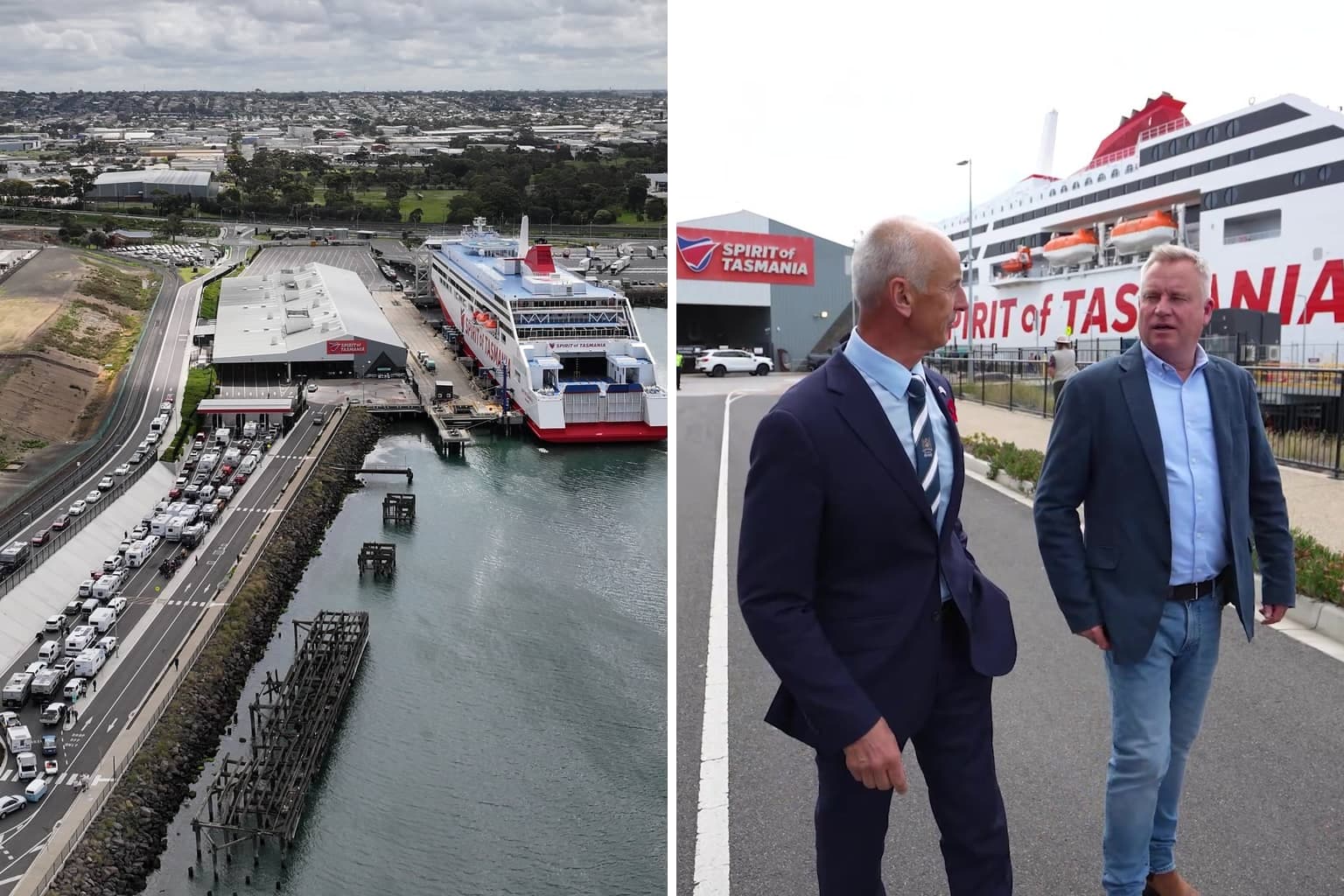
The new Spirit of Tasmania ferries will carry their first paying passengers across Bass Strait tonight, after years of lengthy delays and cost blowouts.
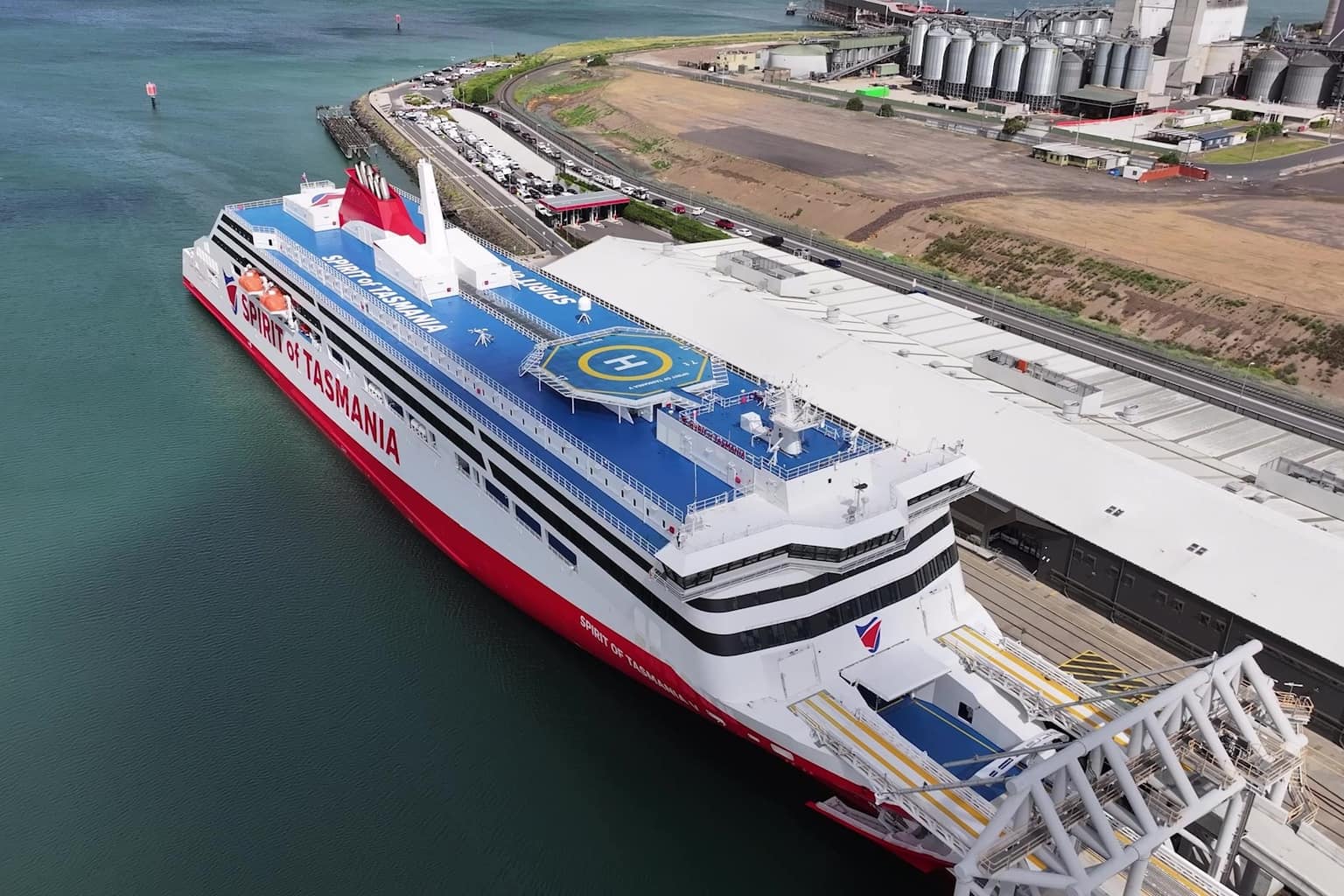
Spirit of Tasmania IV is departing Geelong and Spirit of Tasmania V is leaving Devonport on the inaugural sailings, the first passenger crossings since the old ships were retired last week.
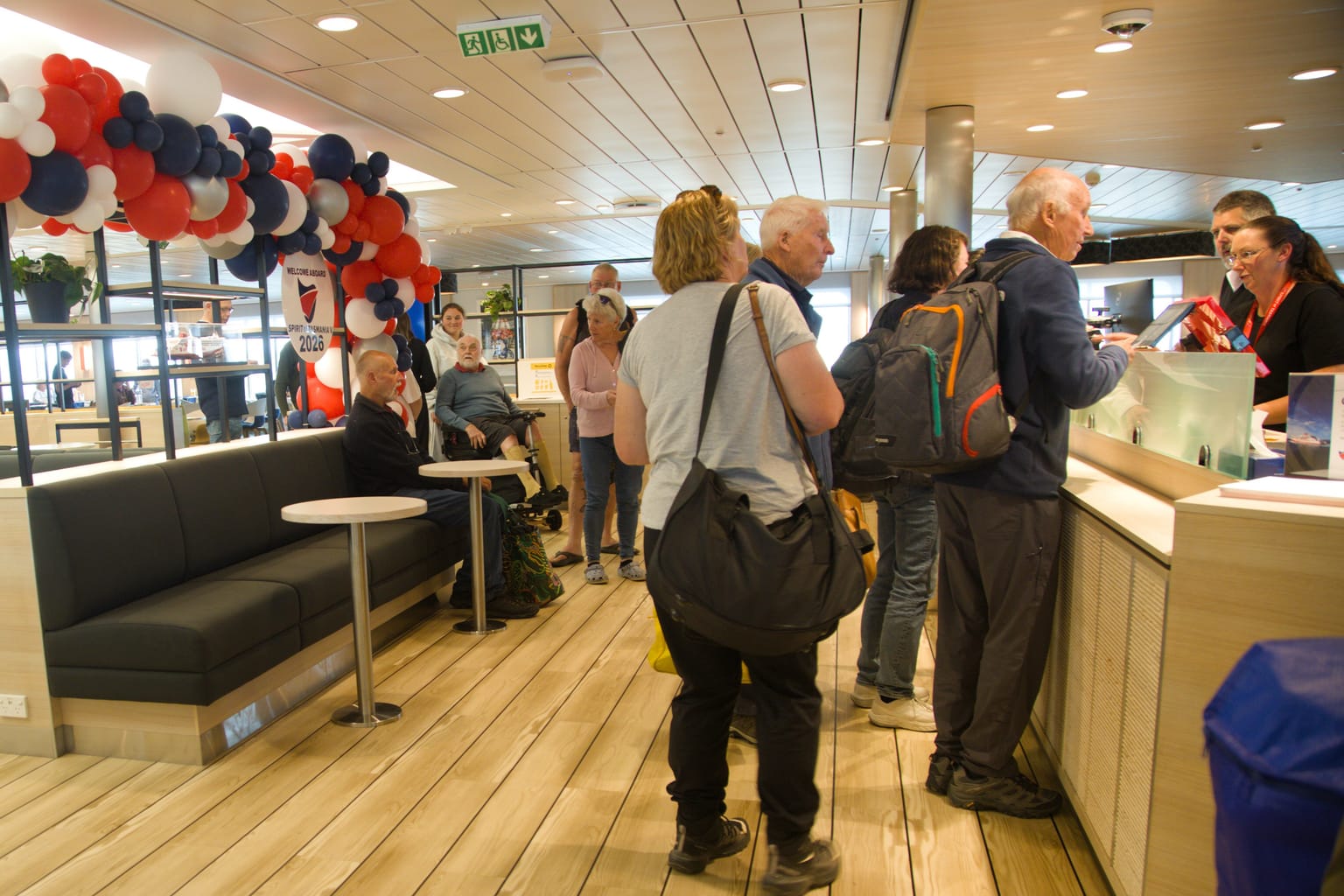
Spirit of Tasmania said the new vessels could each carry an extra 470 passengers per sailing and had 301 cabins, including pet-friendly and accessible options.
Premier Jeremy Rockliff said the sailings marked “the beginning of a new chapter for Tasmania”.
Asked what the government had learned from the project’s delivery and cost, he said every big project faced “troubled waters”.
“The important thing is we’ve stayed the course,” he said.
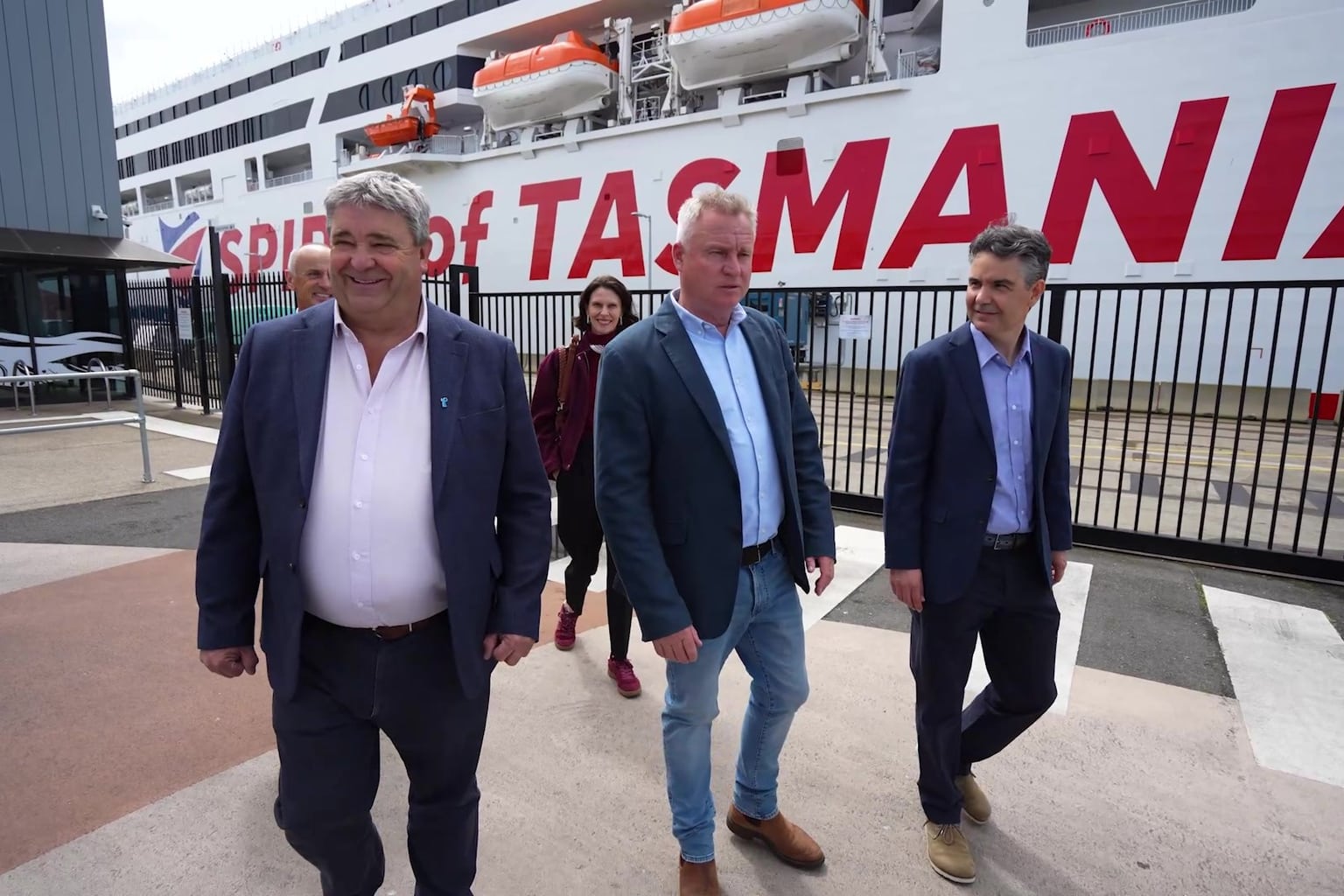
Rockliff said he was comfortable with TT-Line’s financial position and “enormously confident” in the company’s management.
State government minister Kerry Vincent said October bookings were running 22% above last year.
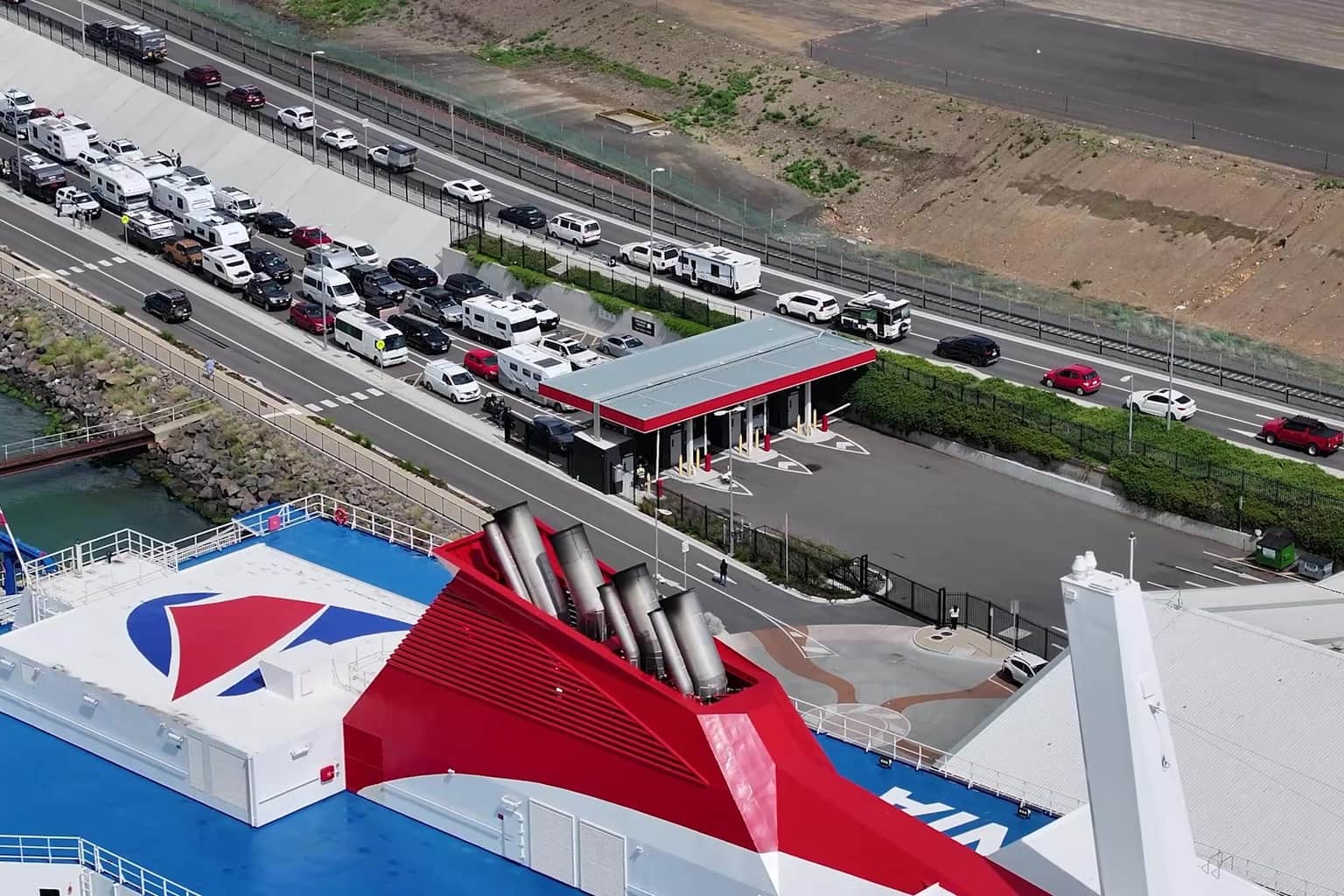
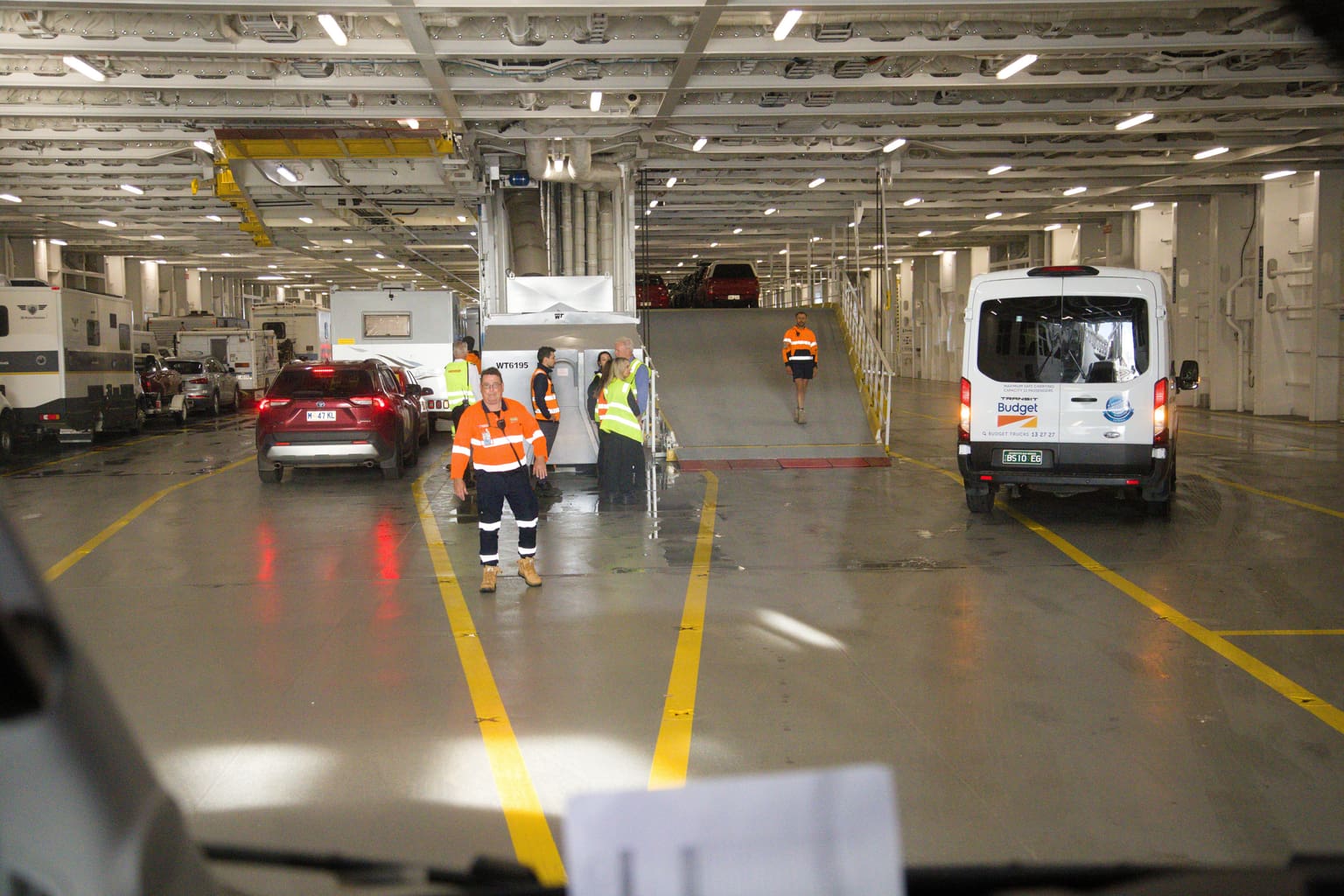
He said the larger ships could take more caravans and motorhomes and the waiting list for crossings had disappeared.
“We used to always experience a waiting list of people trying to get in and out of Tasmania, but already and the, the bookings have only been open for a short time, that wait list has gone,” he said.
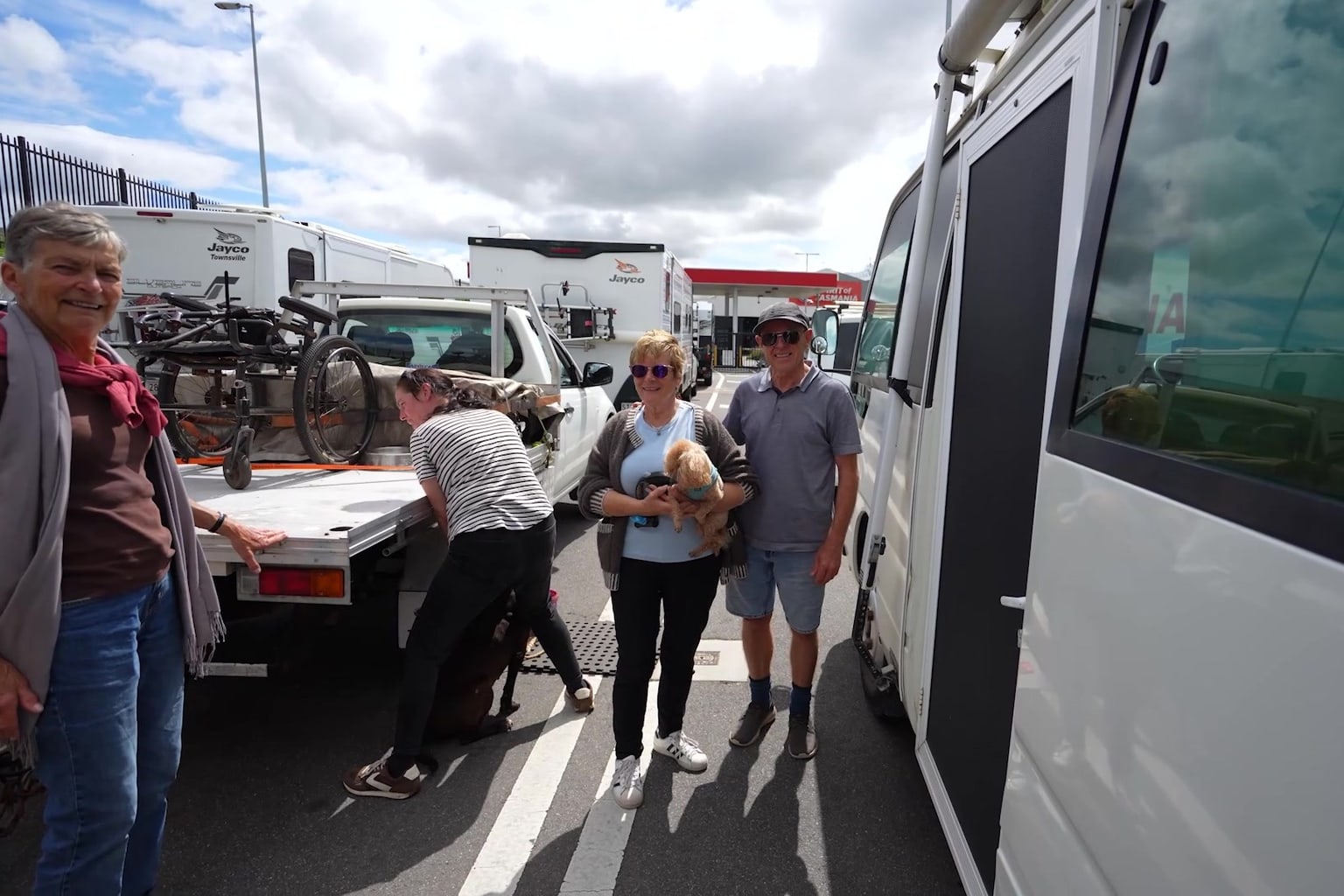
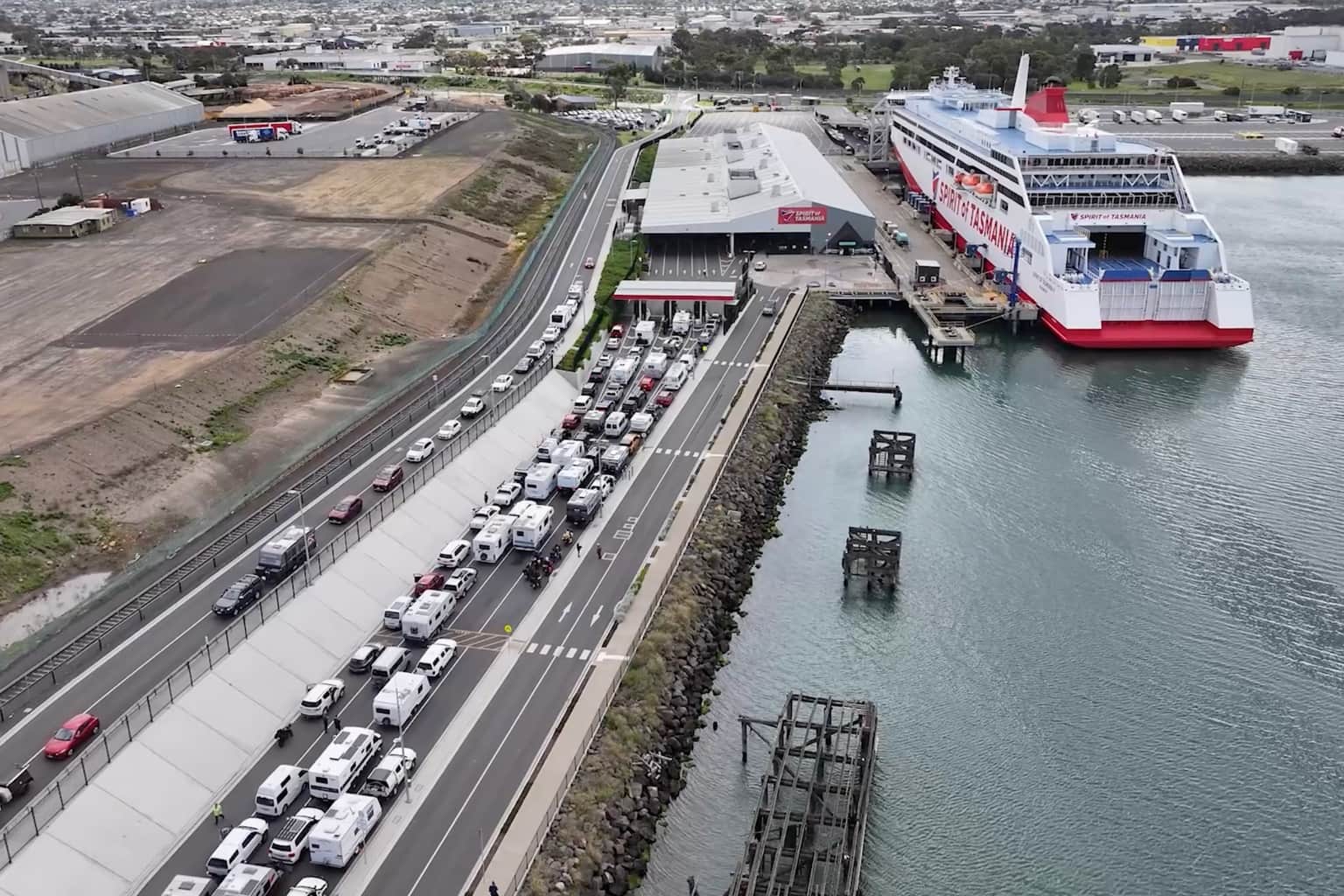
TT-Line chief executive Chris Carbone said the ships could take three times as many caravans, leaving availability through the peak season. He said day sailings would return once evening sailings sold out.
“I’ll be the happiest CEO ever once we’ve put on those first day sailings, ’cause it’ll mean we’ve sold out the evenings,” he said.
Carbone also ruled out bringing back a 15% fuel surcharge. He said the company hoped to make announcements on the sale of the old vessels in the coming weeks.
Tourism Tasmania chief executive Sarah Clark said the extra capacity would encourage visitors to “stay longer and explore more of Tasmania’s regions and communities”.
Last week, TT-Line reported a $723 million loss for 2025-26, including a $368 million write-down on the value of the new ships.