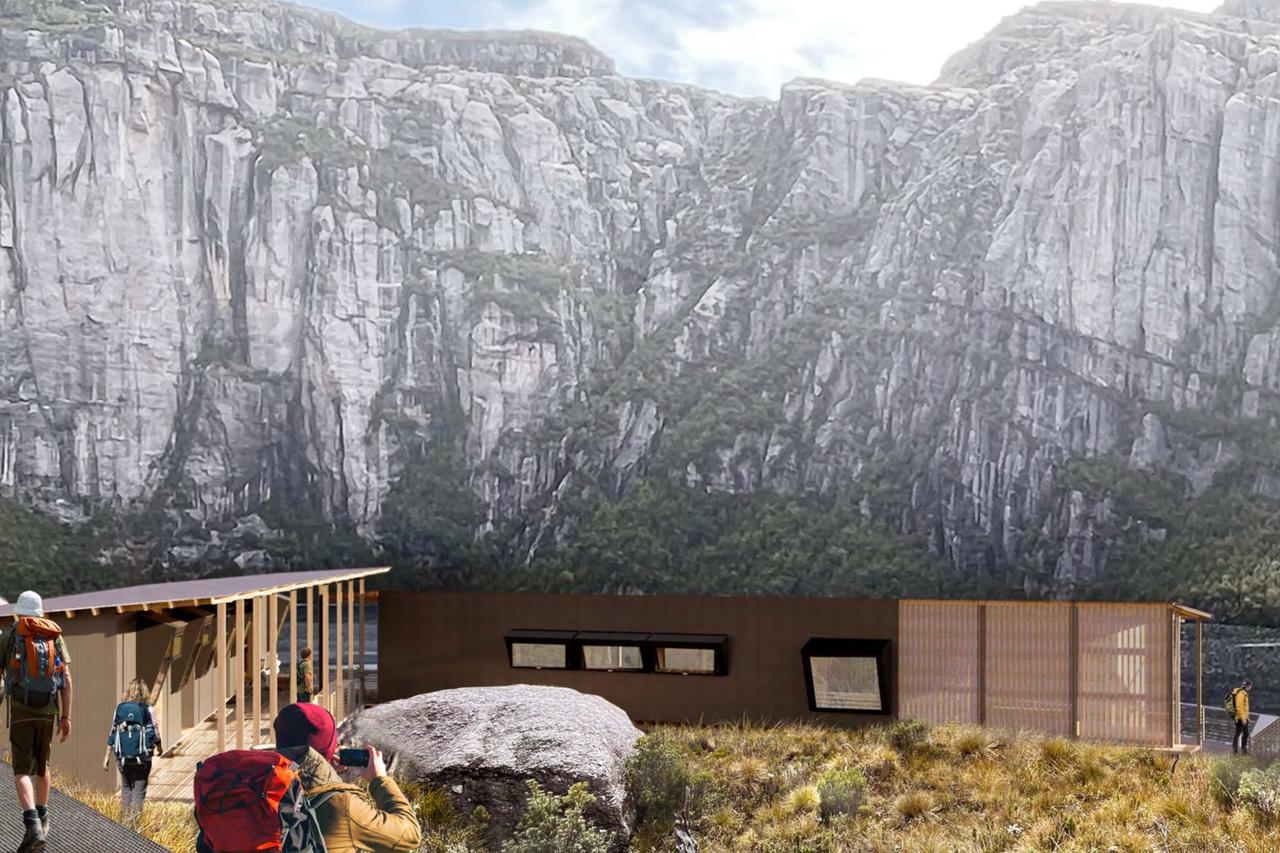
A $40 million hut-based walk through Tasmania’s Tyndall Range has been approved by a parliamentary committee, clearing another hurdle for the state government’s ‘Next Iconic Walk’ project.
The Public Works Committee this week recommended the project proceed, finding it would meet a need for overnight walking opportunities and deliver economic benefits to the West Coast.
The three-day, two-night walk will run 31 kilometres between Lake Plimsoll and the Lake Margaret Power Station.
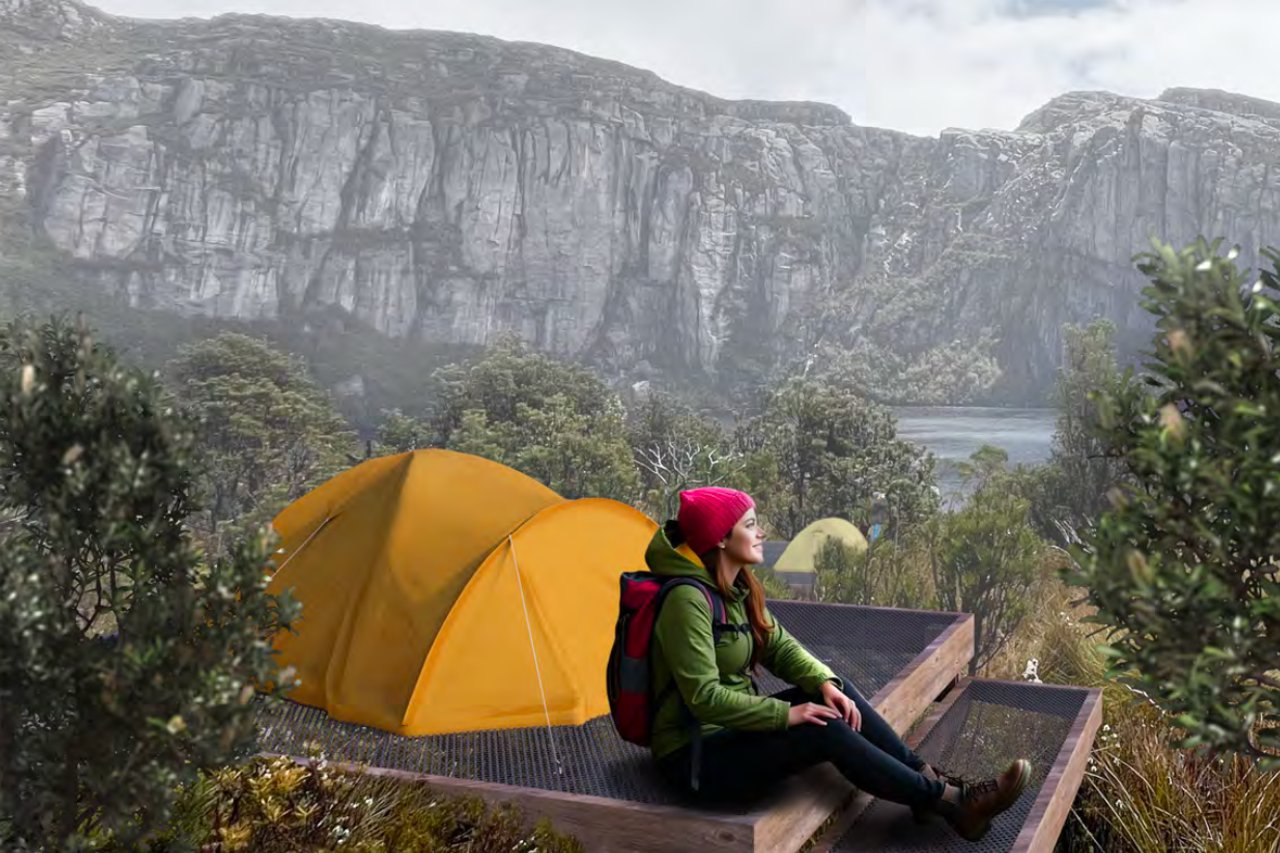
Two overnight accommodation nodes will be built near Lake Huntley and Lake Margaret.
The committee found the Tyndall Range was the preferred location due to its natural environment and heritage values.
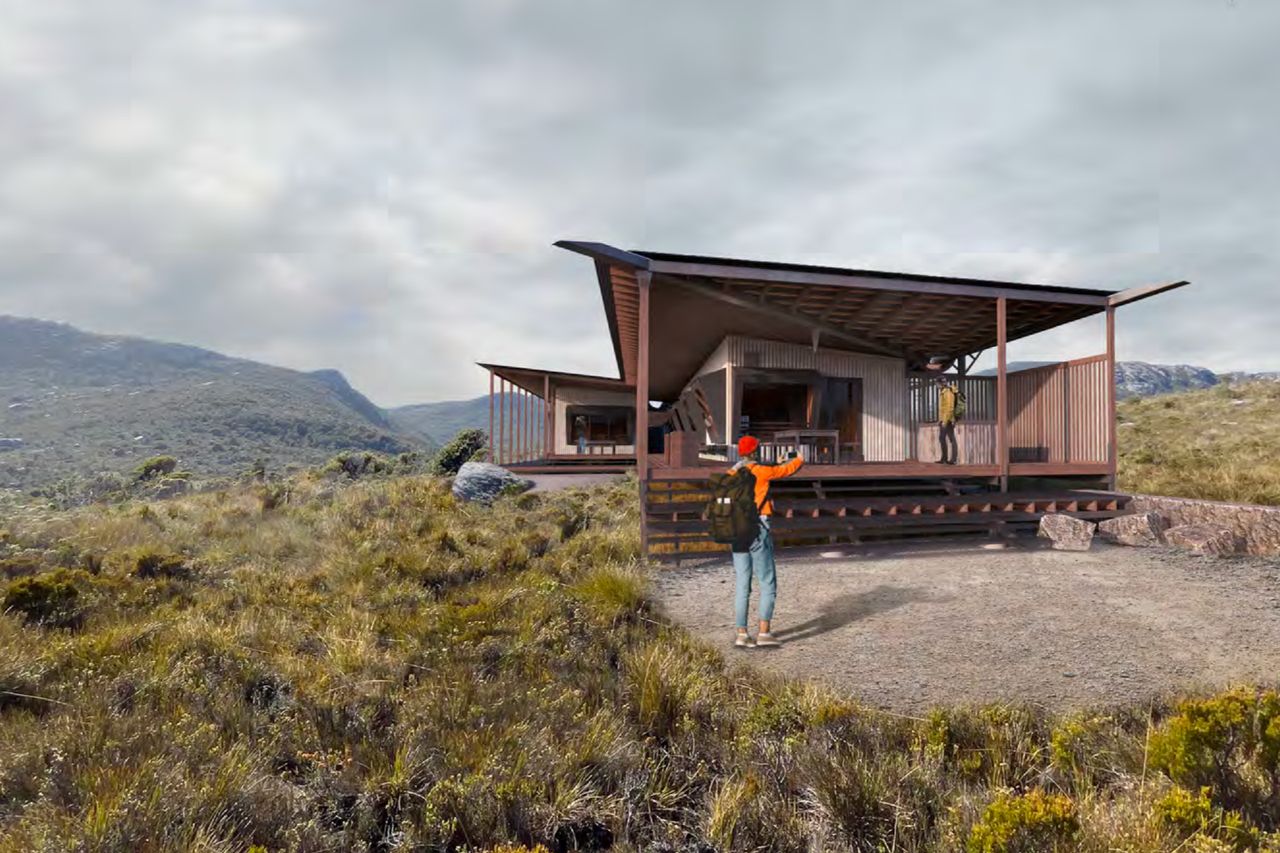
“On the balance of evidence received, the committee is satisfied that the proposed works will meet the identified need for overnight walking opportunities, attract visitors to the West Coast and encourage them to stay longer and create employment and business opportunities,” the report said.
The project’s budget has doubled from an initial $20 million commitment in 2021 to $40 million.
During hearings in Queenstown in February, the committee questioned officials about the increase.
Deputy secretary Sophie Muller told the committee the higher cost reflected rising construction prices and detailed scoping work.
“In recent years the work we have done has really had a laser-sharp focus on delivering to the $40 million budget,” Muller said.
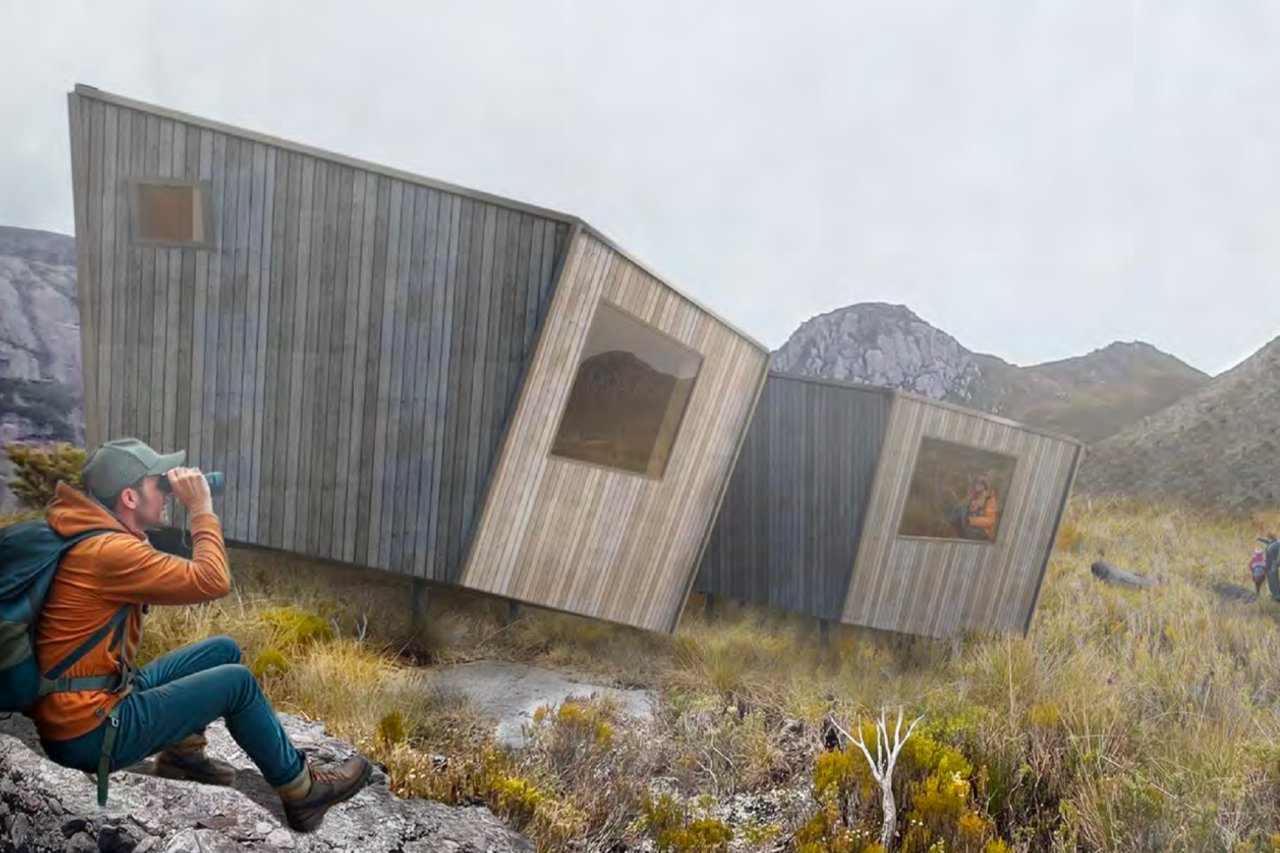
Project director Keith Ryan told the committee the final route had been moved off the exposed Tyndall Plateau to avoid sensitive alpine vegetation and severe weather.
It now sits mostly between 600 and 800 metres elevation.
The committee acknowledged concerns raised by the Tasmanian National Parks Association, the Tasmanian Wilderness Guides Association and the Wilderness Society.
The groups raised issues about the site selection process, cost analysis, and operational, environmental and biosecurity risks.
However, the committee found those concerns had been “adequately addressed” by Parks and Wildlife.
The committee was chaired by Labor MP Jen Butler and included independent MLCs Dean Harriss and Tania Rattray, Liberal MP Mark Shelton and independent MP Helen Burnet.
Burnet, a former Greens MP, voted against the recommendation.
She argued the project was not value for money and had been designed for the export market rather than Tasmanians.
Greens MP Tabatha Badger on Saturday said the approval was “deeply concerning” for both the “environment and state budget”.
“When the Three Capes Track was constructed, costs escalated from $12 million to over more than $30 million,” she said.
“The community is right to fear the Tyndalls will be the same, costing Tasmanians even more than the proposed $40 million in the middle of a budget crisis.”
Parks Minister Nick Duigan welcomed the committee’s decision.
“Our government is delivering this $40 million walk to enhance Tasmania’s reputation as one of the great walking destinations in Australia and the world,” he said.
“This project offers Tasmanians and visitors a fresh opportunity to experience the outstanding natural values and history and will bring significant economic and social benefits to the West Coast and Tasmania.”
The approval follows federal environmental sign-off earlier this month. A development application will now go to the West Coast Council.
The walk is expected to create 139 construction jobs and 40 ongoing jobs, with a forecast benefit-cost ratio of 12.71 for the West Coast.
Subject to remaining approvals, it is on track for completion in 2029.