Container litter across Tasmania has been cut in half just 12 months after the state’s container refund scheme launched.
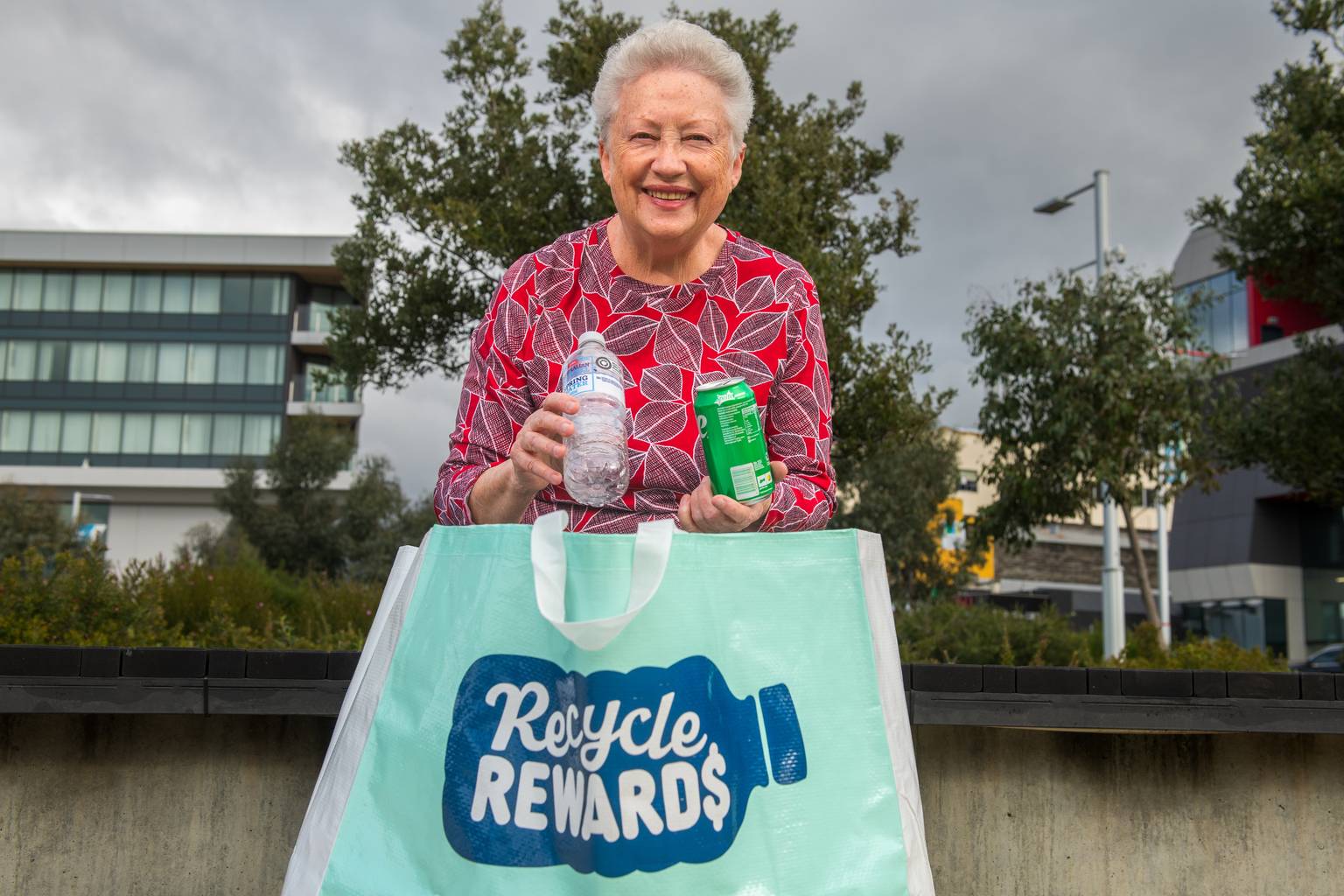
The Recycle Rewards program, which gives people 10 cents for every eligible drink container they return, has hit its litter reduction target in its first year of operation.
Figures from the Department of Natural Resources and Environment Tasmania’s annual litter survey show drink container litter dropped 50% between the 2024-25 and 2025-26 surveys.
Soft drink can litter fell 61%, beer cans dropped 58% and plastic bottles were down 46%.
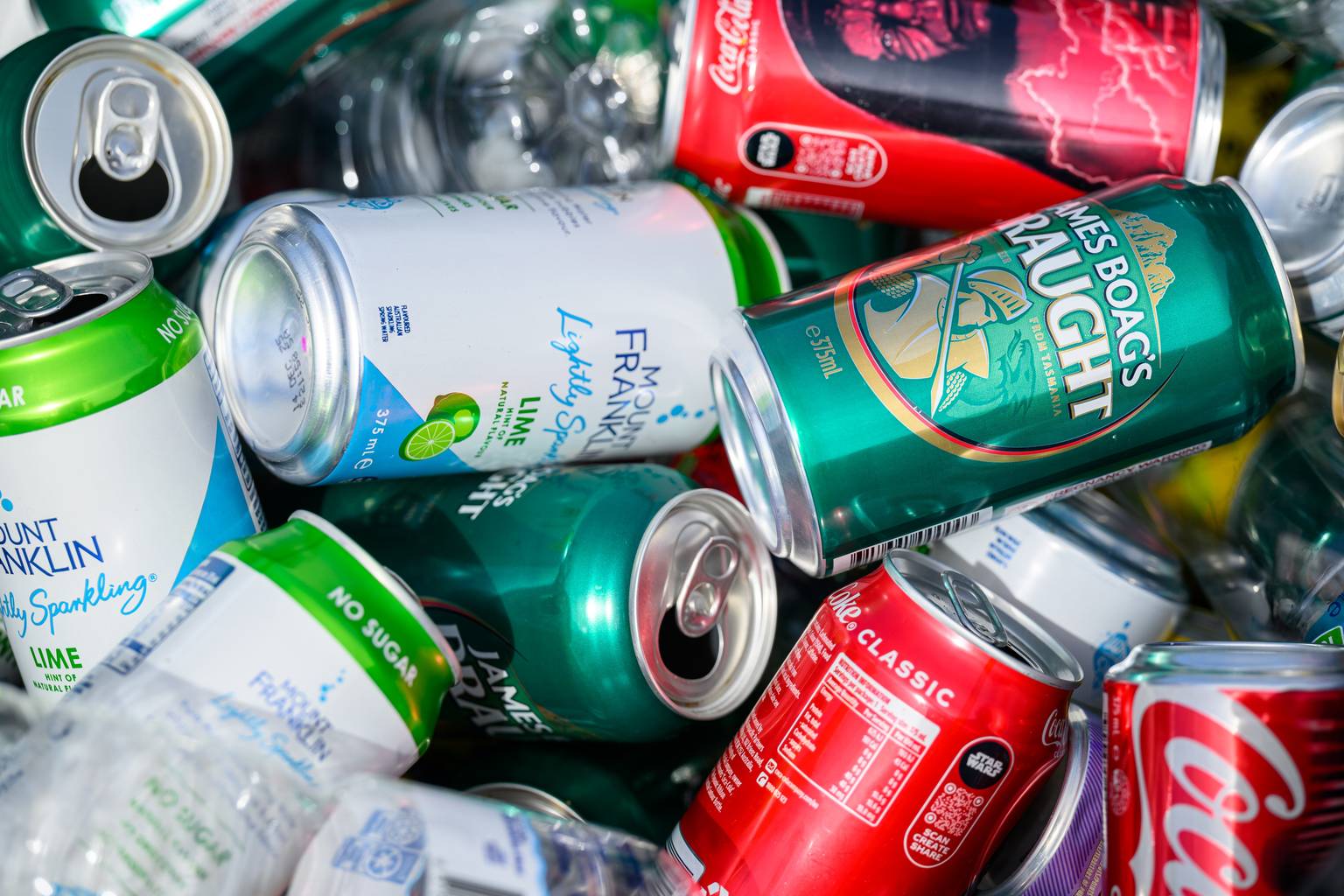
Alcohol and soft drink containers remain the biggest categories of littered drink containers.
Dale Campisi, spokesperson for TasRecycle, said the results belong to everyday Tasmanians.
“This result in terms of the litter reduction, the 50% reduction, that’s for Tasmanians to celebrate ’cause Tasmanians have achieved that,” he said.
Campisi said the 10 cent refund puts a value on single-use items and encourages people to think twice before throwing them away.
He said more than 130 million containers have been returned so far, delivering environmental benefits he described as “like a triple whammy” covering financial, social and environmental outcomes.
He said the recycling effort has produced a carbon saving equivalent to taking more than 10,000 cars off the road for a year along with energy savings that could power 2,300 homes for a year.
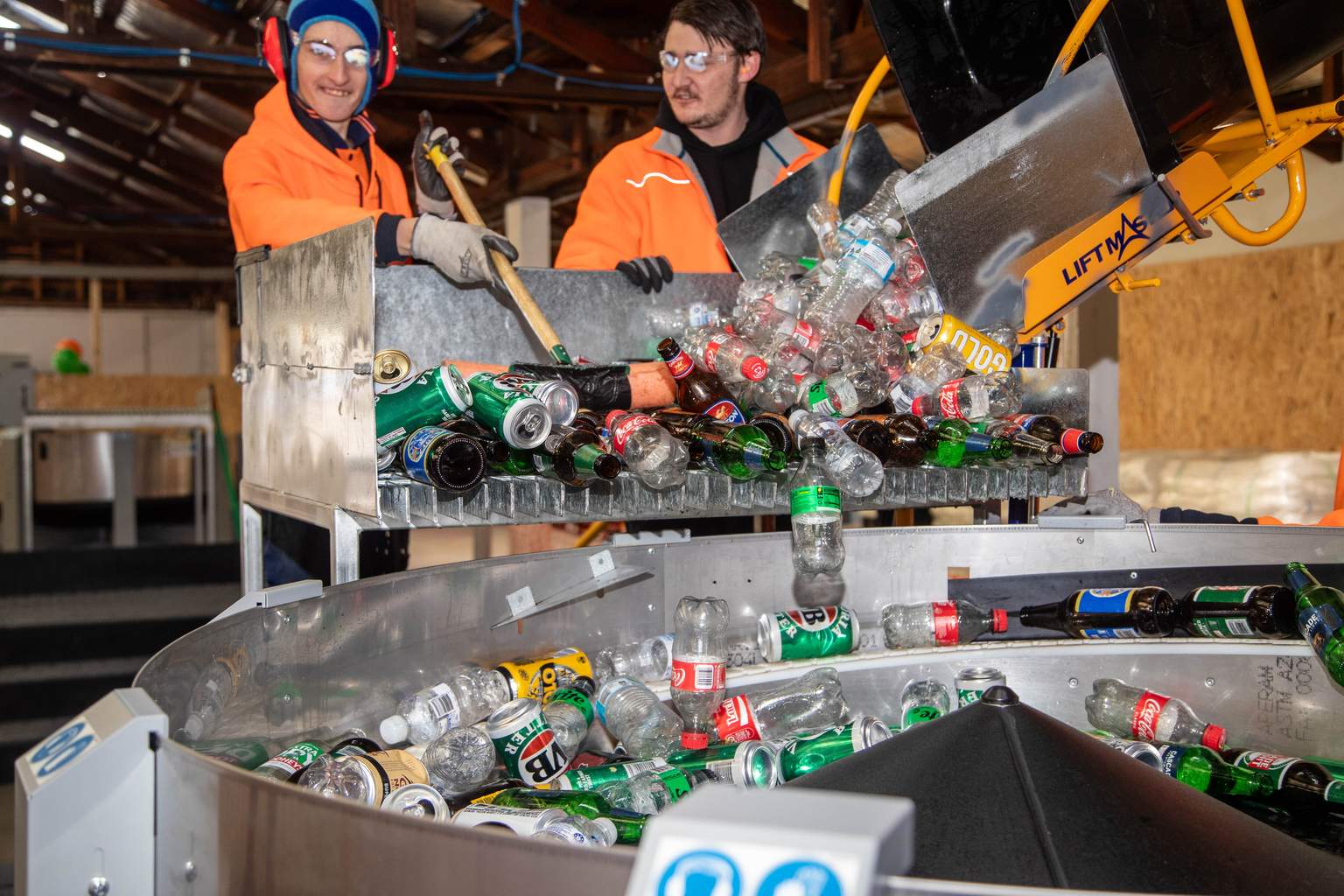
TasRecycle CEO Ken Roughley said every container returned is making a difference.
“Every container returned is one less item littering our beaches, parks, waterways and streets, and one more resource being recycled into new products as part of the circular economy,” he said.
Pam Allan, chair of the Waste and Resource Recovery Board Tasmania, called the achievement inspiring.
“Recycle Rewards is helping protect our environment from litter and building our circular economy at the same time,” she said.
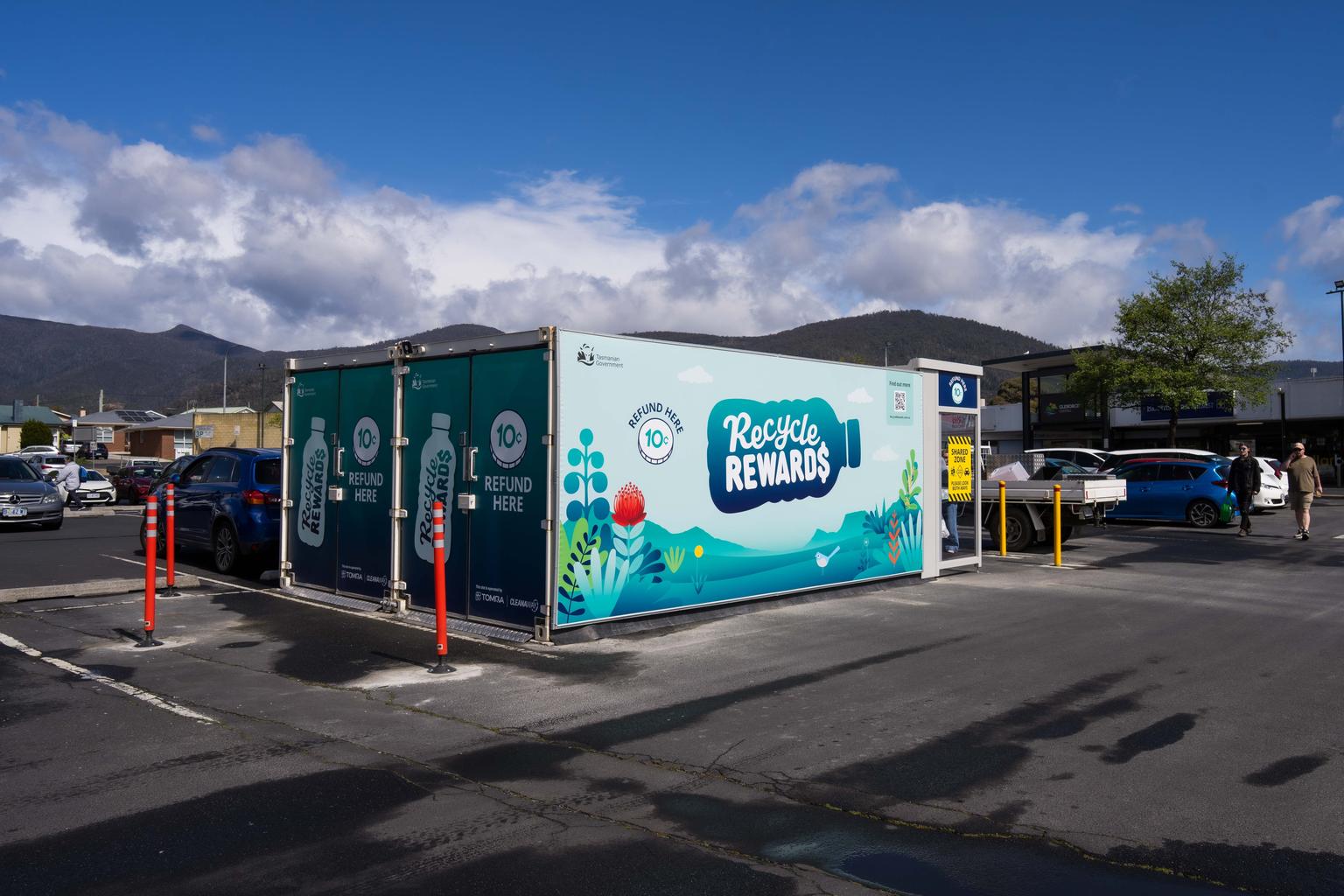
Tasmania now has 49 refund points, including on King and Flinders Islands.
Campisi said more than 85% of Tasmanians have a refund point within 10 kilometres of their home, with most located in supermarket car parks for convenience.