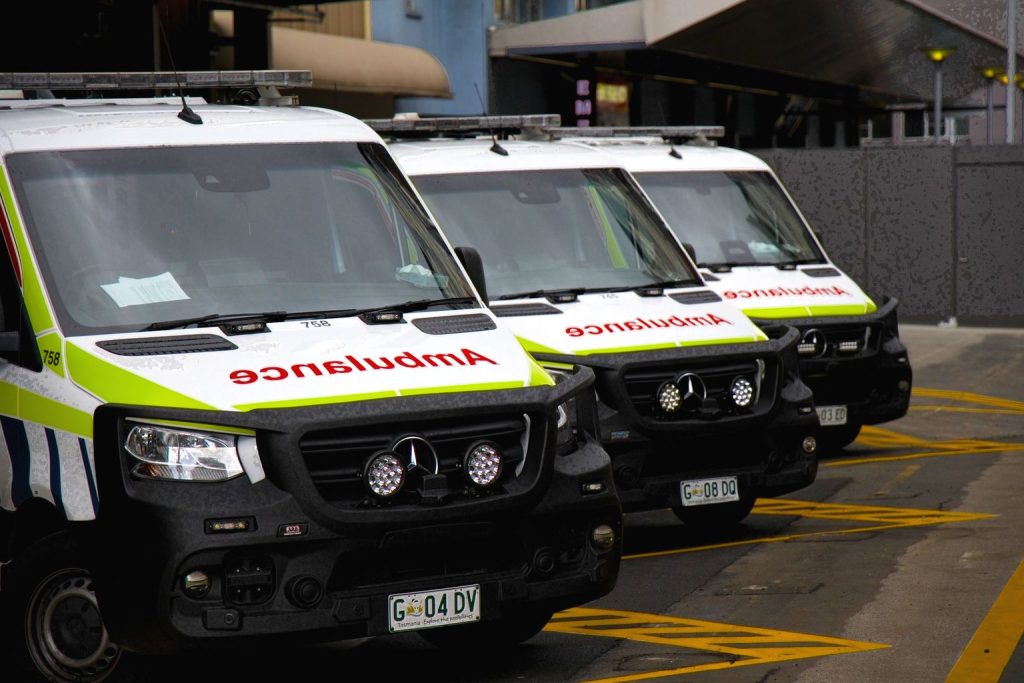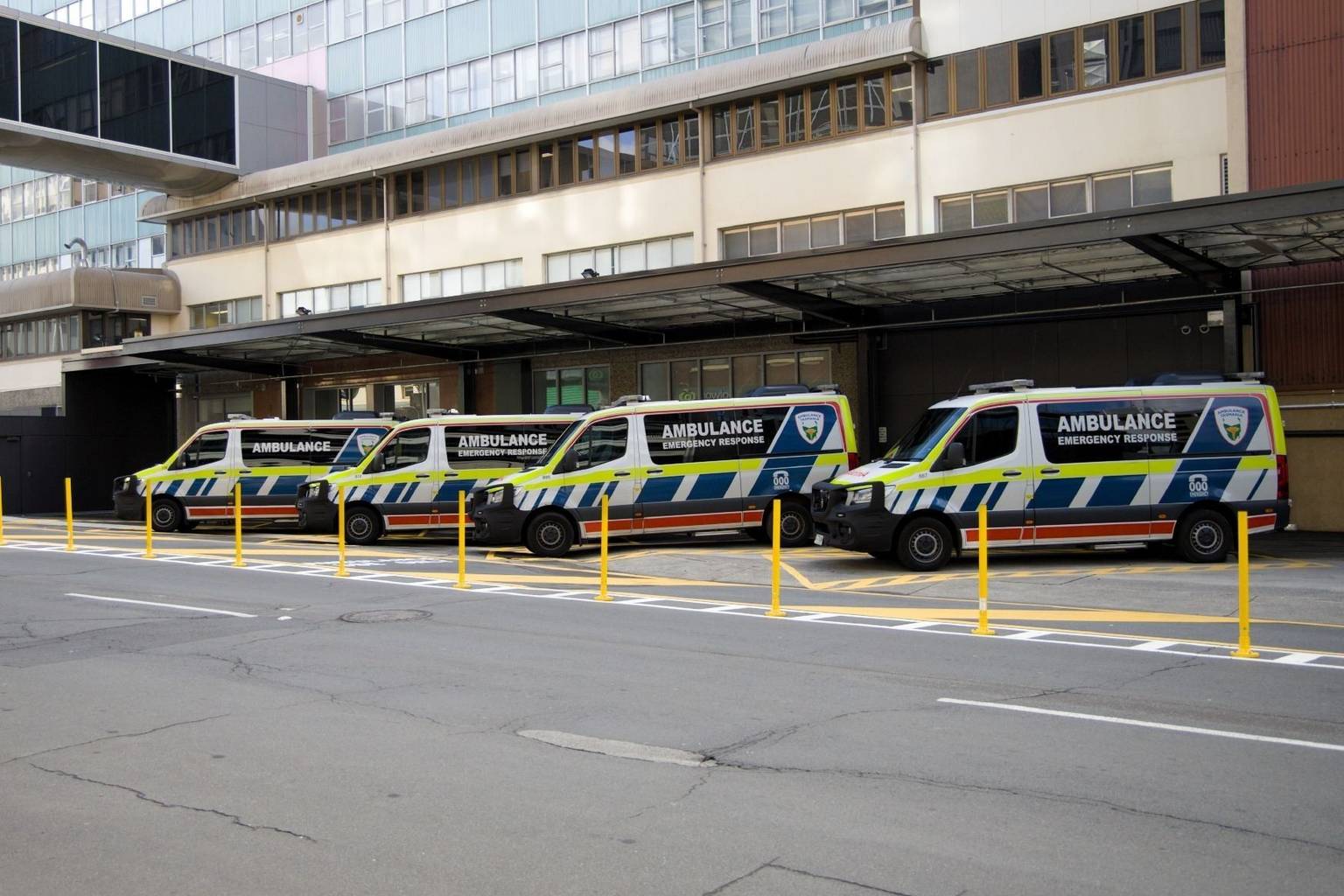
Tasmanians waited more than three minutes for an ambulance crew to be dispatched on almost 17,000 Triple Zero (000) calls last financial year, up about 30% in 12 months.
Figures obtained by Labor under Right to Information laws show there were 16,905 delayed activations in 2025-26, compared with 13,025 the year before.
A delayed activation is recorded when it takes three minutes or more for a crew to be sent out.
Labor and the health union released the figures on Thursday, with MLC and shadow health minister Sarah Lovell saying they showed a system under growing pressure.
“Tasmanians should have confidence that there is an ambulance available for them when they need it,” she said.
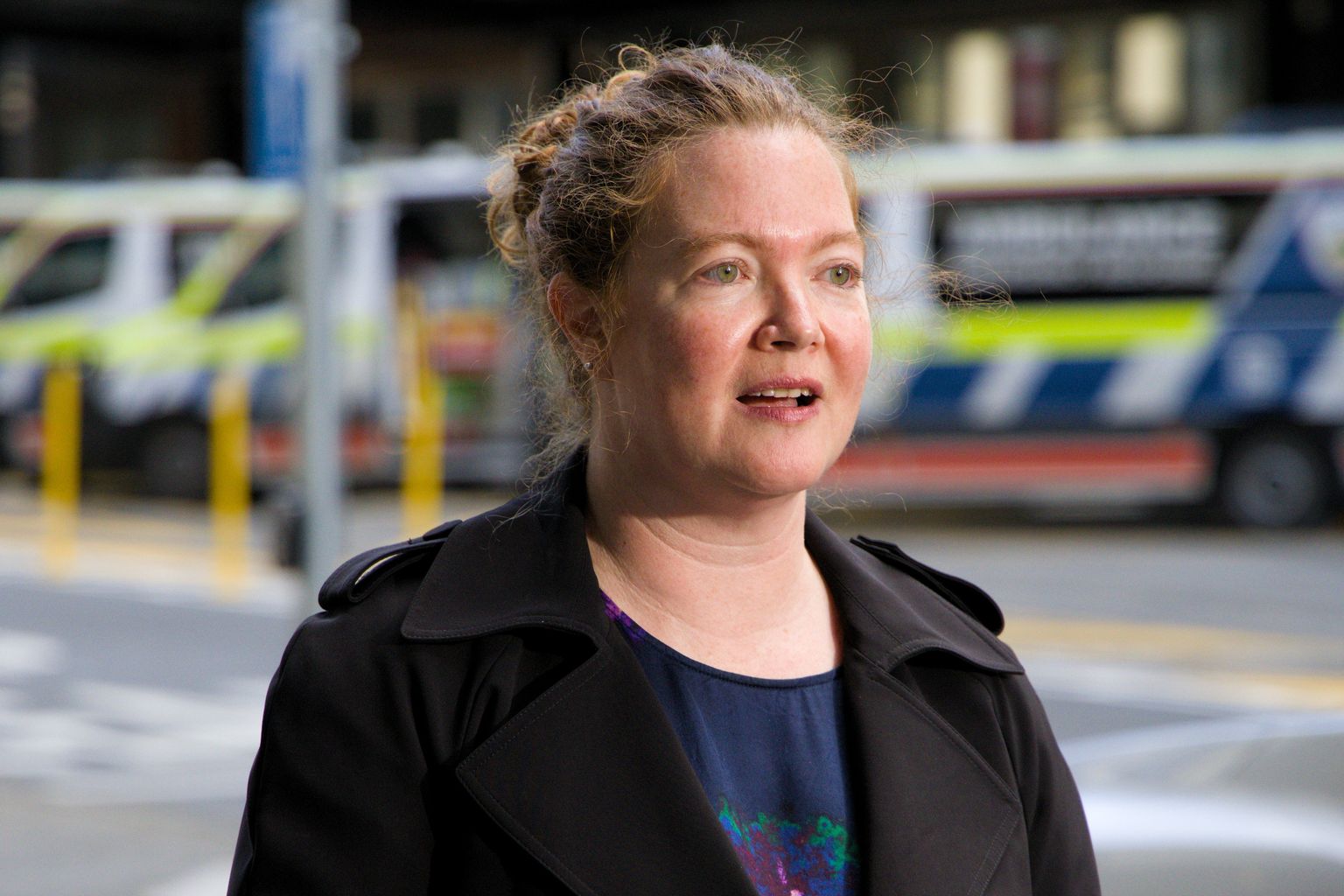
Lovell said paramedics wanted to reach patients but were often unable to because crews were tied up elsewhere.
Health and Community Services Union (HACSU) state secretary Robbie Moore said the figures backed up what frontline workers had been telling the union.
“It’s exactly what paramedics, comms staff who answer the Triple Zero (000) calls are telling us,” he said.
Moore said crews were regularly unavailable even for life-threatening cases and pointed to previous instances where callers had been told to catch an Uber or had a taxi ordered for them instead.
“We need an ambulance to respond when it’s needed and for that we need more ambulances,” he said.
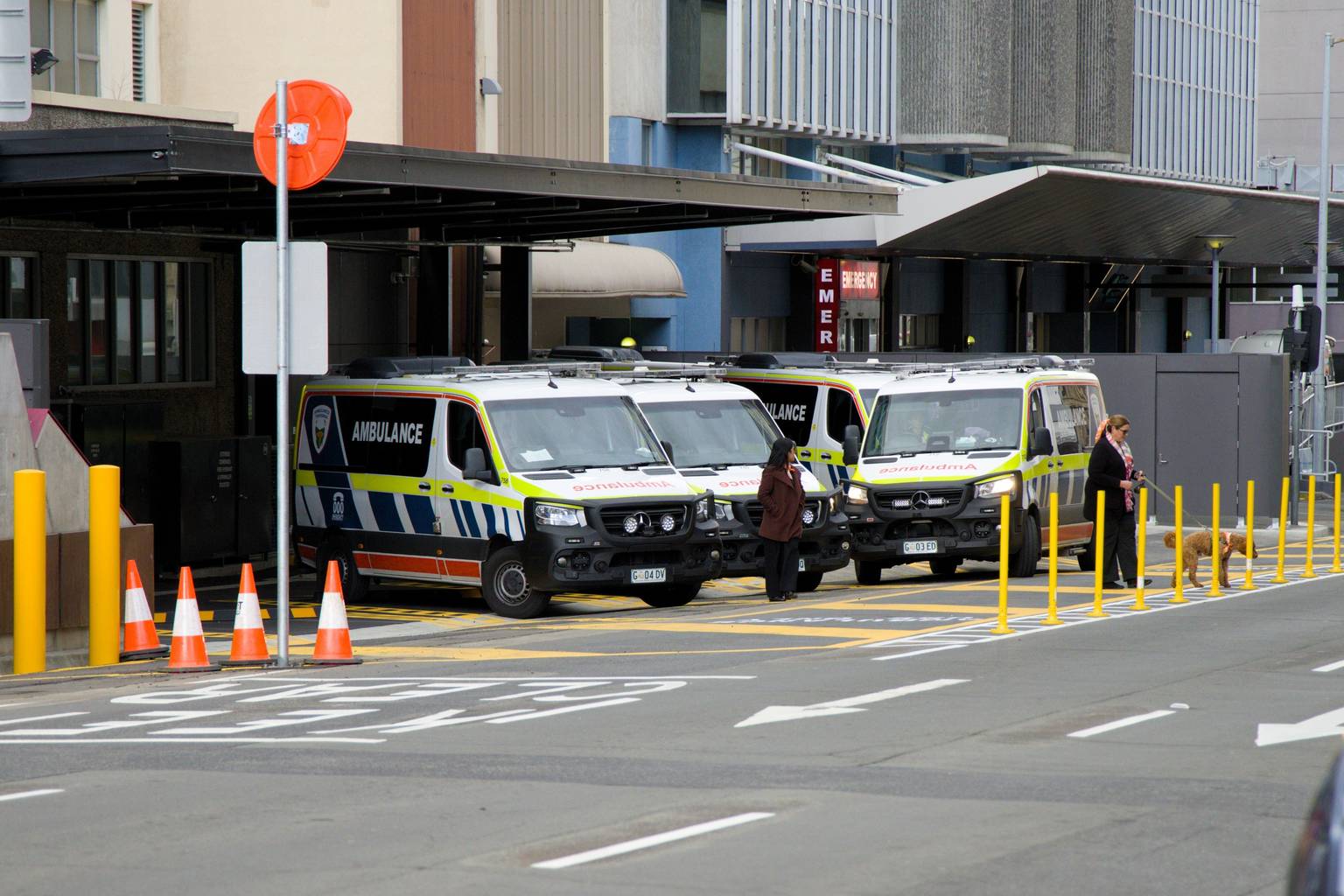
“But we also have to address the bed block situation at our major hospitals because that is also adding to the ramping.”
Moore said the state government had promised to ban ramping but had not followed through.
He said it had “effectively withdrawn” from the plan after failing to introduce a 45-minute cap for moving patients off the ramp.
At the Royal Hobart Hospital, Moore said crews were unable to clear even 70% of ambulances within an hour.
Health Minister Bridget Archer said demand for ambulances was continuing to grow, with record call volumes recorded over the past month.
“If you call an ambulance and you need an ambulance, you will get an ambulance,” she said.
Archer said every call was triaged based on urgency, meaning some patients could wait while crews attended more serious cases.
“Whilst I empathise with someone who may be waiting for that ambulance to arrive, that ambulance may well be attending to somebody that is having a medical episode of a higher acuity,” she said.

She defended the government’s transfer-of-care rules, saying they had freed up thousands of hours by getting paramedics back on the road sooner.
“The fastest way to get an ambulance back out on the road is to have that handover at the hospital occur as quickly as possible,” she said.
“It was very pleasing to me today to see Robbie Moore come out and acknowledge that bed block is one of the largest causes that we see contributing to response times, to access to our hospitals.”
Archer said the union had taken the government to the Industrial Commission over the rules, delaying their rollout.
She also rejected claims of $700 million in cuts, saying health spending was increasing across the budget.
“We spend 35% of the entire state budget on healthcare, $10 million every day and we continue to invest in healthcare,” she said.