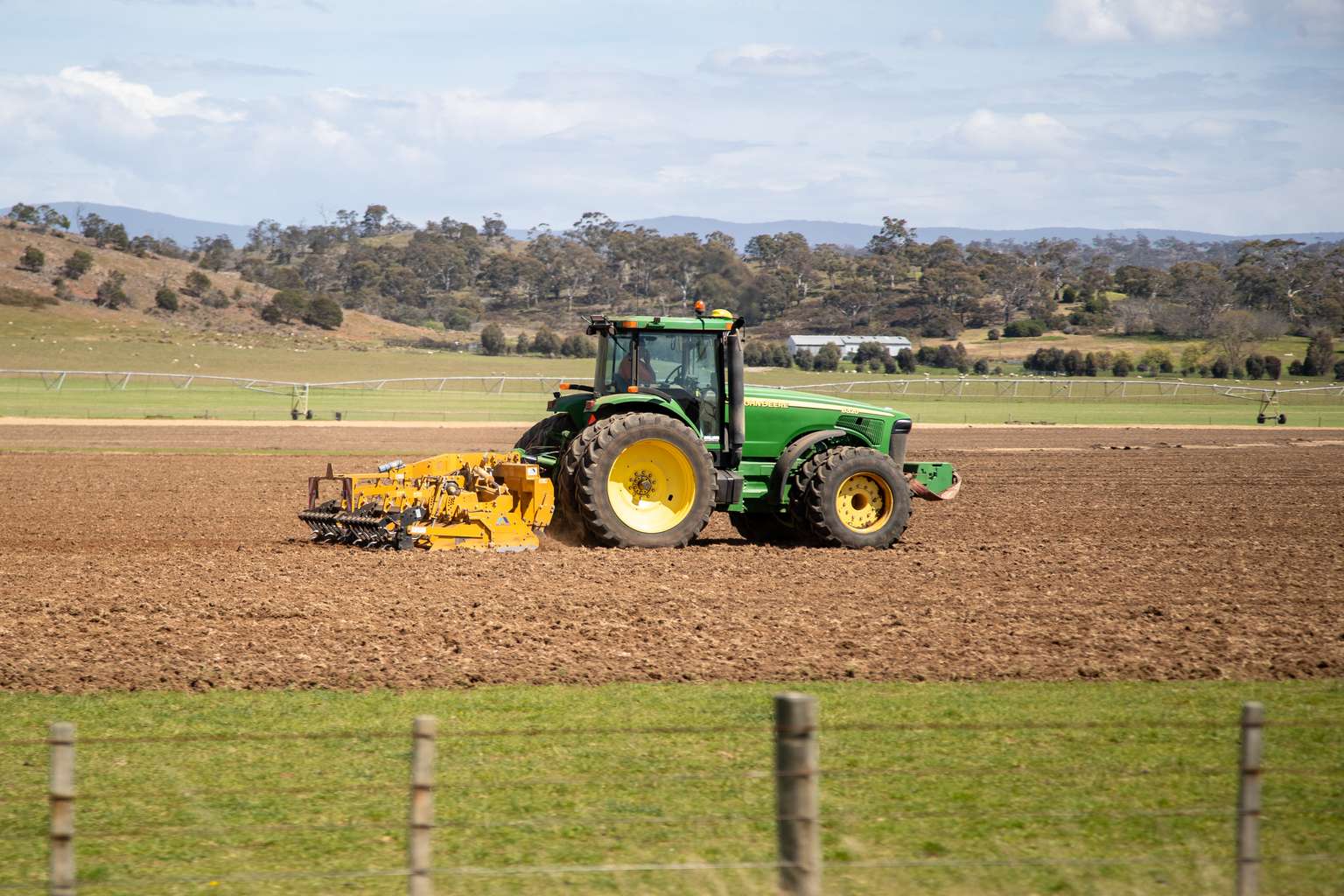
Tasmanian farmers are warning the state’s food supply could be under threat as diesel shortages spread across regional Australia, with some contractors being told their fuel deliveries cannot be guaranteed.
TasFarmers has called on federal and state governments to prioritise diesel for agriculture and freight as prices surge and supply becomes increasingly uncertain.
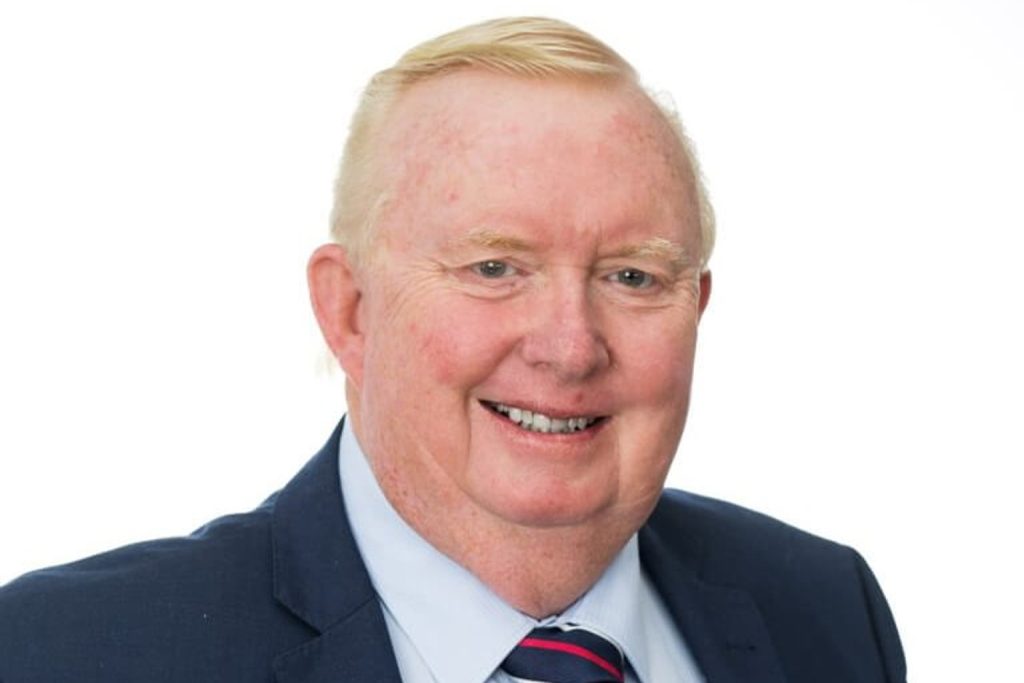
“Without fuel there is no food. It’s as simple as that,” TasFarmers president Ian Sauer said.
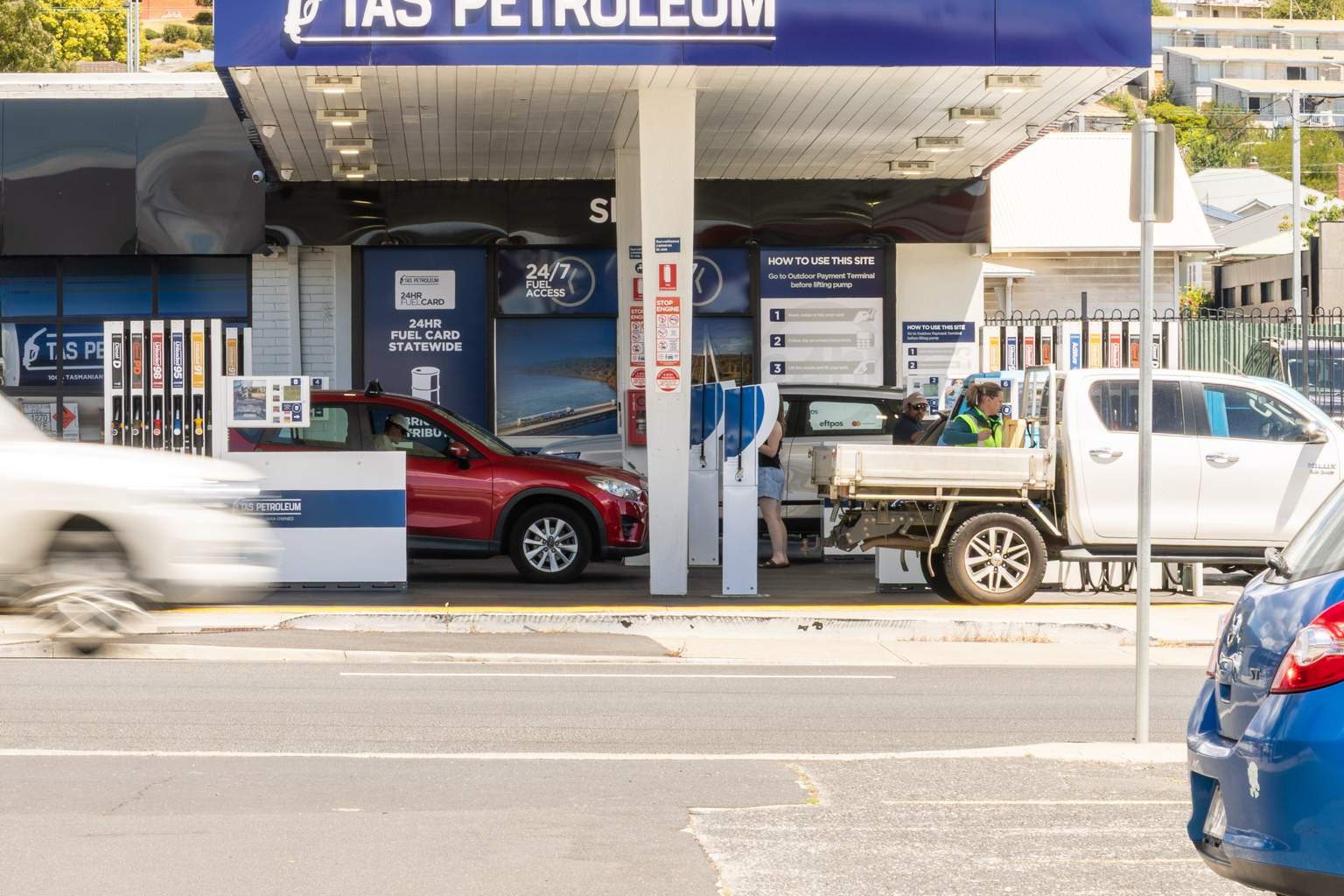
Diesel prices in parts of Tasmania have risen from about $1.87 to more than $2.17 per litre in the past week. On Wednesday morning, diesel was peaking at $2.67 per litre.
The jump follows the effective closure of the Strait of Hormuz, which normally carries about 20% of the world’s oil supply.
The disruption was triggered by US and Israeli strikes on Iran late last month, prompting Iranian retaliation and attacks on oil tankers in the vital shipping corridor.
Sauer said farmers and contractors across Tasmania were already facing delays, raising concerns for businesses planning planting, harvesting and irrigation work.
“There are contractors running heavy equipment across the state who are being told their diesel supply may not be guaranteed,” he said.
“If that uncertainty continues for weeks rather than days, work slows down, crops stay in paddocks longer and costs start rising across the supply chain.”
Many Tasmanian farms rely on diesel-powered irrigation pumps because electricity connections are unavailable or prohibitively expensive.
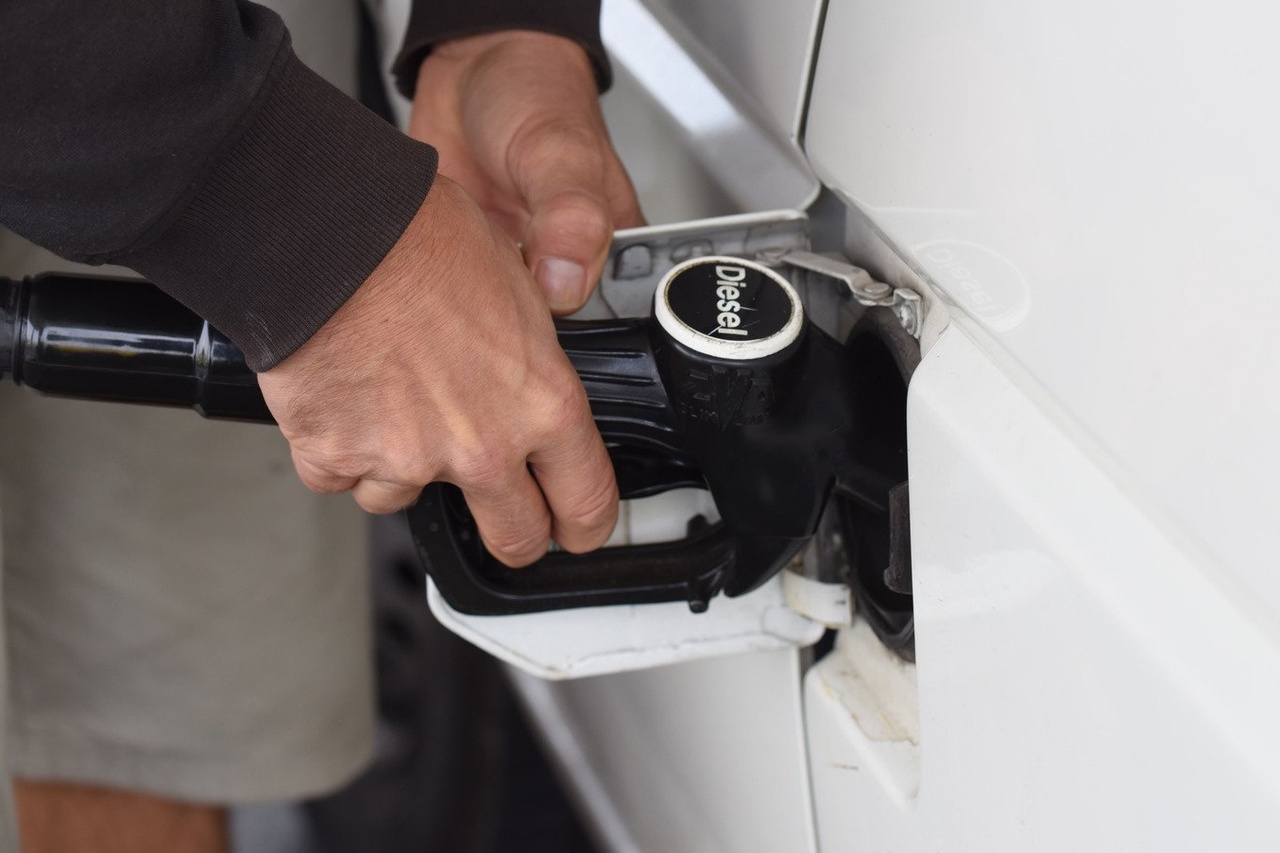
Energy Minister Chris Bowen told federal parliament this week Australia had 34 days of diesel reserves – the highest level in 15 years – but acknowledged regional farmers were struggling to access fuel.
He said the problem was being driven by a “huge spike in demand”, partly due to panic buying rather than any disruption to imports.
Sauer urged calm but said governments needed to ensure the “orderly distribution of fuel, so our nation’s food security is protected first”.
“Australia needs stronger fuel and fertiliser security so global conflicts don’t immediately hit farmers and food prices,” he said.