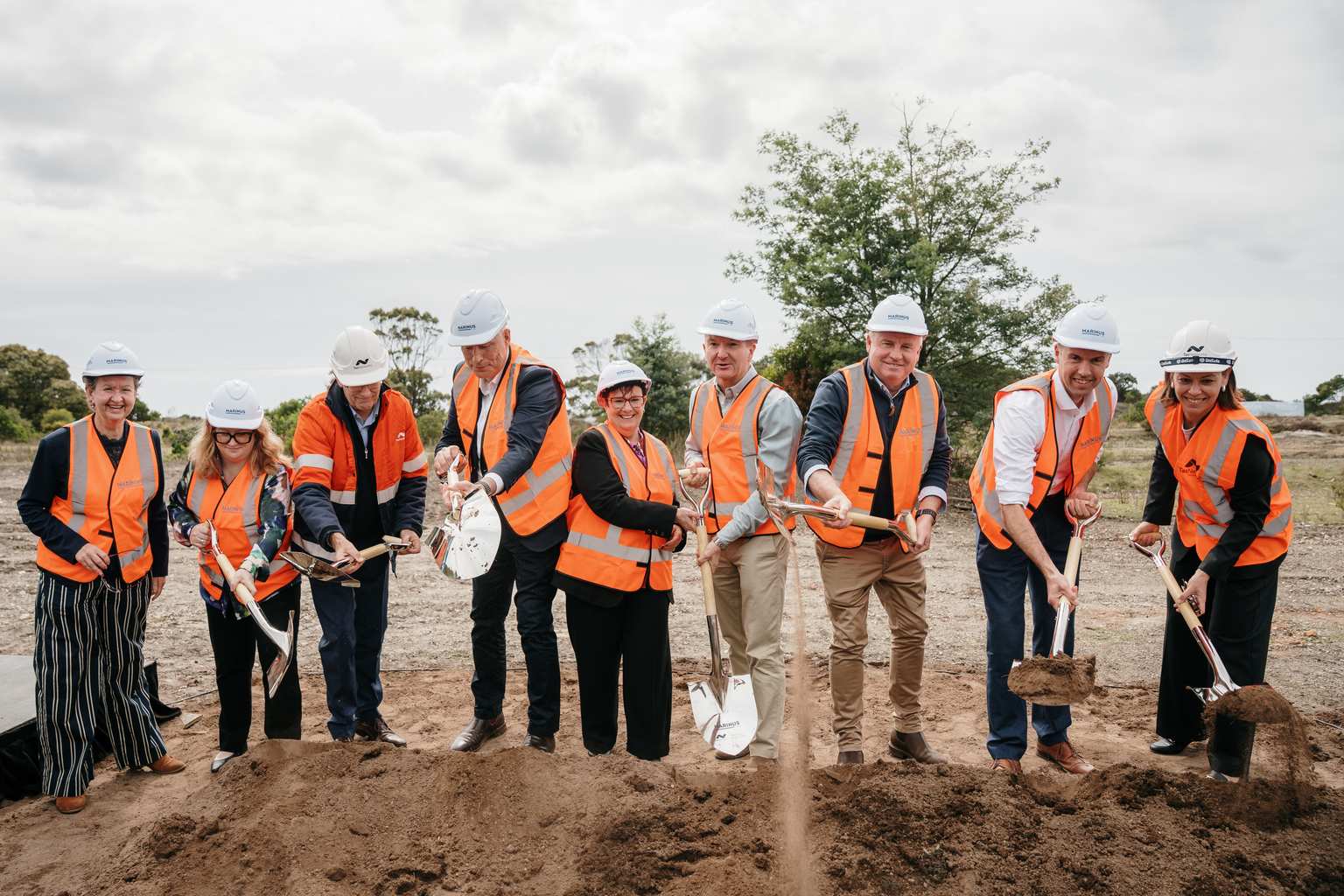
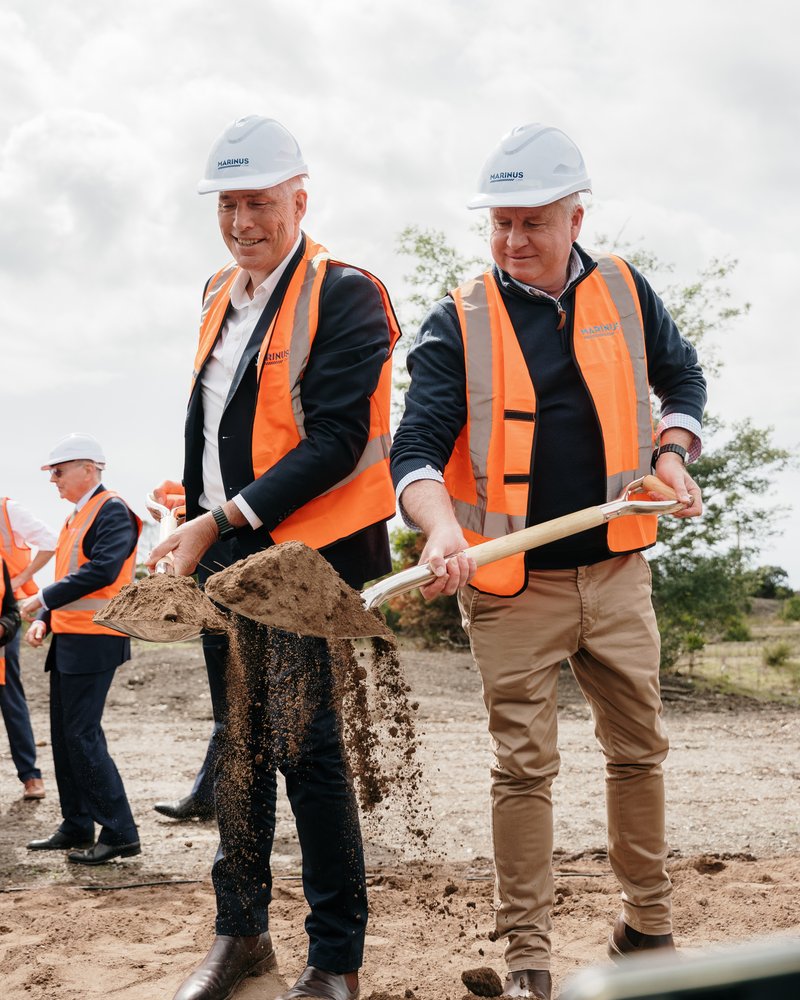
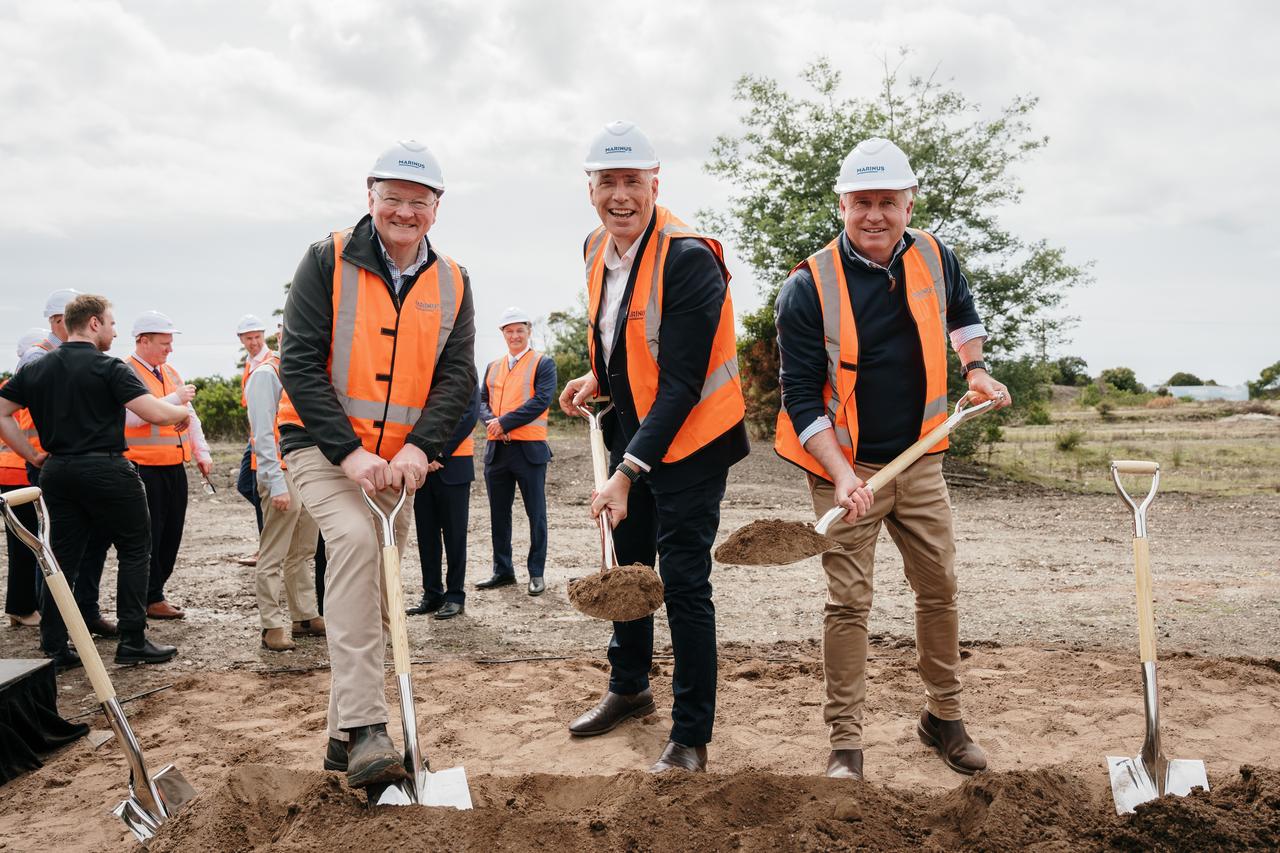
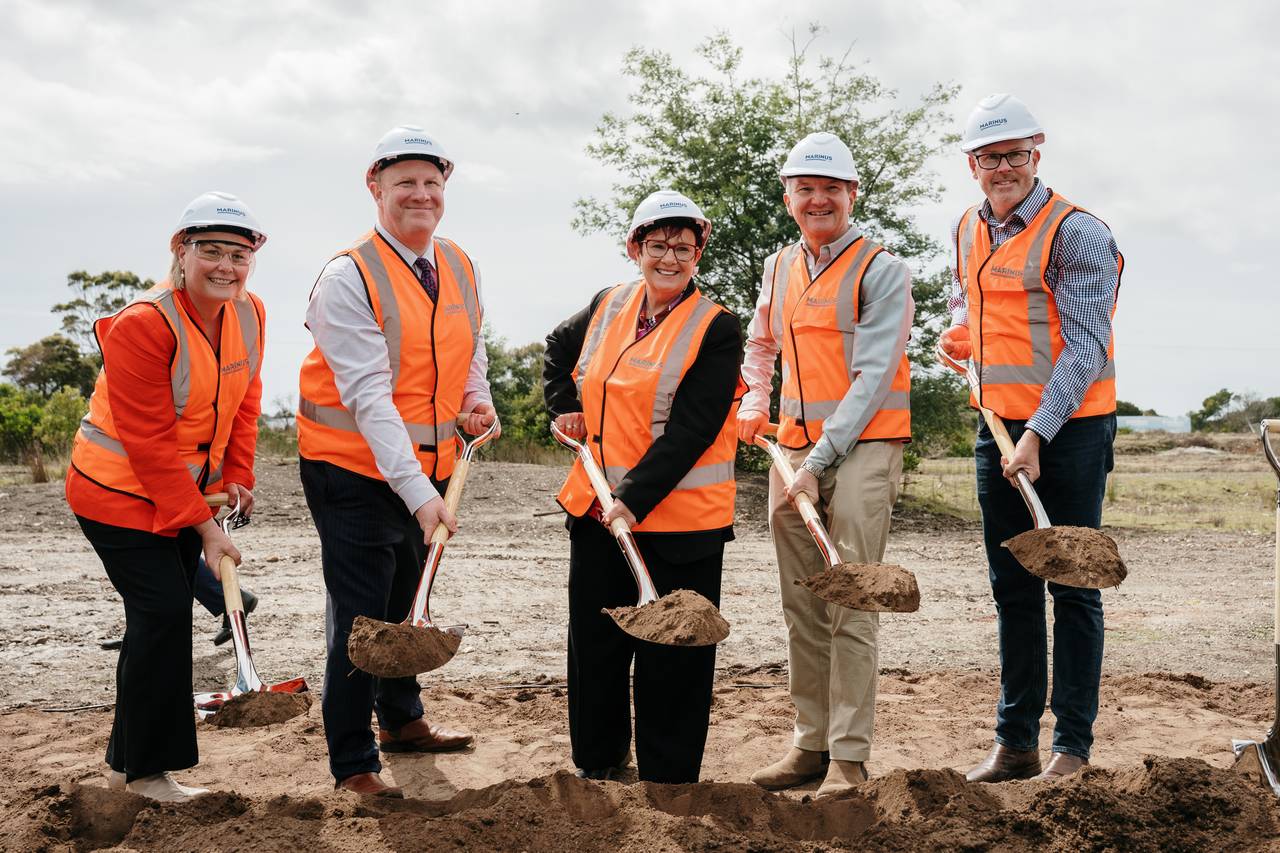
Major construction has officially started on Project Marinus, the undersea power and data link between Tasmania and Victoria, with leaders turning the first sod in north-west Tasmania.
Government, business and community leaders gathered for the ceremony, which comes around a year after the project reached financial close.
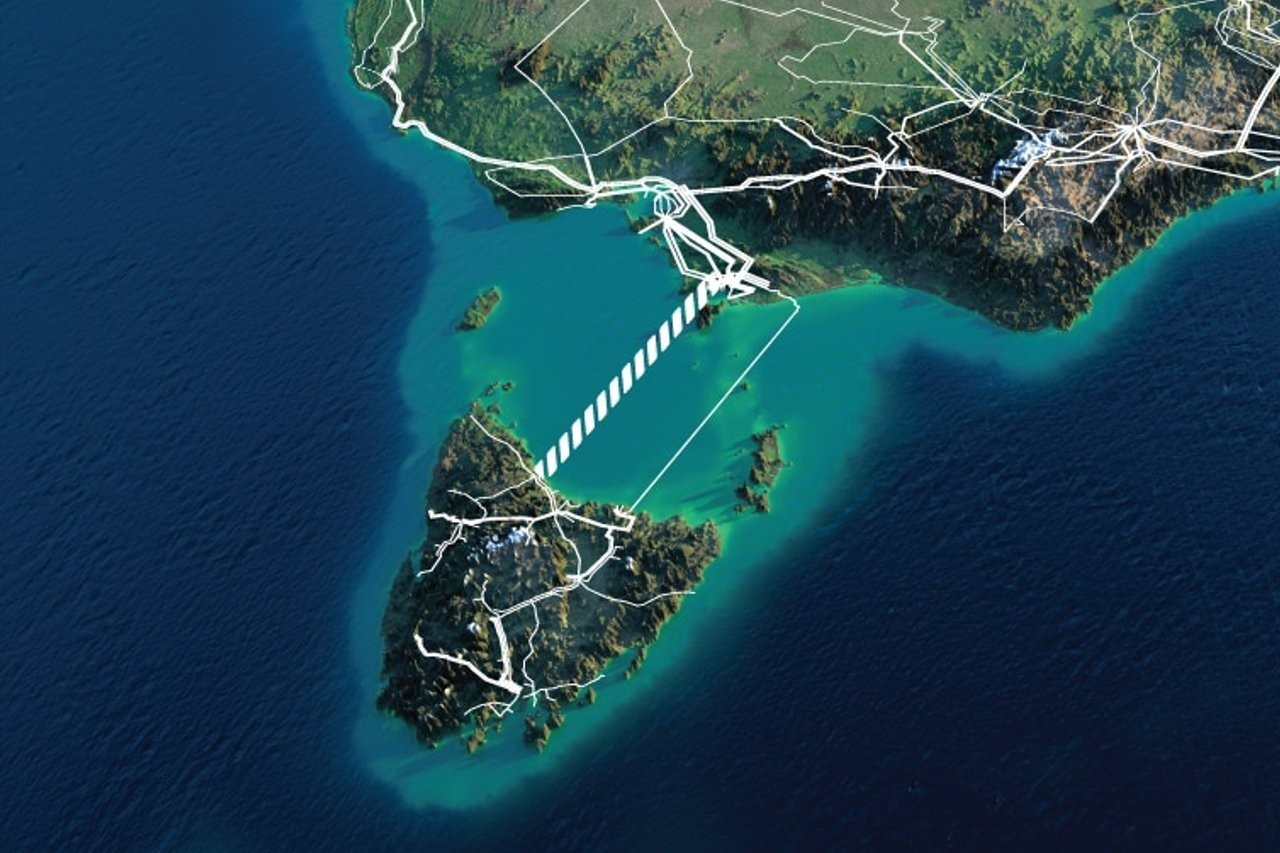
Project Marinus is made up of two parts. One is the Marinus Link interconnector, which will run between north-west Tasmania and Victoria’s Latrobe Valley. The other is the North West Transmission Developments (NWTD).
Premier Jeremy Rockliff said the project would strengthen the state’s economy and create jobs.
“Importantly, power prices will be lower with Marinus than without,” he said.
Federal climate change and energy minister Chris Bowen said the project would unlock enough energy to power 750,000 homes and create 2,400 construction jobs, including 1,400 in Tasmania.
Asked when households would see the benefits on their power bills, he said “not until it’s finished”, which was “several years off yet”.
When told the saving for Tasmanians was around $30 a year, Bowen said the project was “absolutely” worth it.
“It’s about the economic opportunities that are opened up for Tasmania and Tasmanians,” he said.
He also rejected a suggestion that planned AI data centres in Tasmania were intended to justify the cost of the project, saying Marinus was agreed long before discussions about data centres began.
Energy minister Nick Duigan said “almost $55 million has already been invested in 87 vendors, including over 50 Tasmanian businesses” as part of preparations for the NWTD.
Work on the NWTD has started between Sheffield and Burnie, including access tracks, fencing, tower foundations and works at the Sheffield Substation.
TasNetworks chair Roger Gill said stage one of the transmission developments would cover 130km and was due to be in service by 2030.
“After years of careful planning, design and preparation, it’s rewarding to see construction begin and this once-in-a-generation project start to take shape on the ground,” he said.
Marinus Link chair Sandra Gamble said the two-way interconnector would allow electricity to flow in either direction and improve reliability.
She said 119 businesses and suppliers had been engaged across the project, including 59 from the north and north-west of Tasmania.
Duigan said TasNetworks had reached voluntary agreements with all but four of the 270 landholders on the NWTD route. He said the government respected the appeals process and would abide by any court decision.
Rockliff said modelling showed Marinus would add an average of $470 million to Tasmania’s bottom line.
Asked whether many in the community felt the project had been imposed on them, the premier said not everyone would agree and “that’s why you need strength in leadership to see things through”.
Before the project reached financial close, it was hit by cost blowouts and delays.