OPINION: While Tasmania’s media has been focused on Neil the Seal, Victorians have been focused on their own elephant (seal) in the room that also has the capacity to do huge amounts of damage.
Changing premiers just months before the next Victorian election is a bold move.
The reality is, you can change leaders as much as you like, but if you can’t change your party’s direction it’s not going to amount to much.
This is an opinion piece written for Pulse by Andrew Porter, a former adviser to three Labor leaders – Prime Ministers Kevin Rudd, Julia Gillard and Opposition Leader Bill Shorten.
In Victoria the rot well and truly set in when former Premier Daniel Andrews left office.
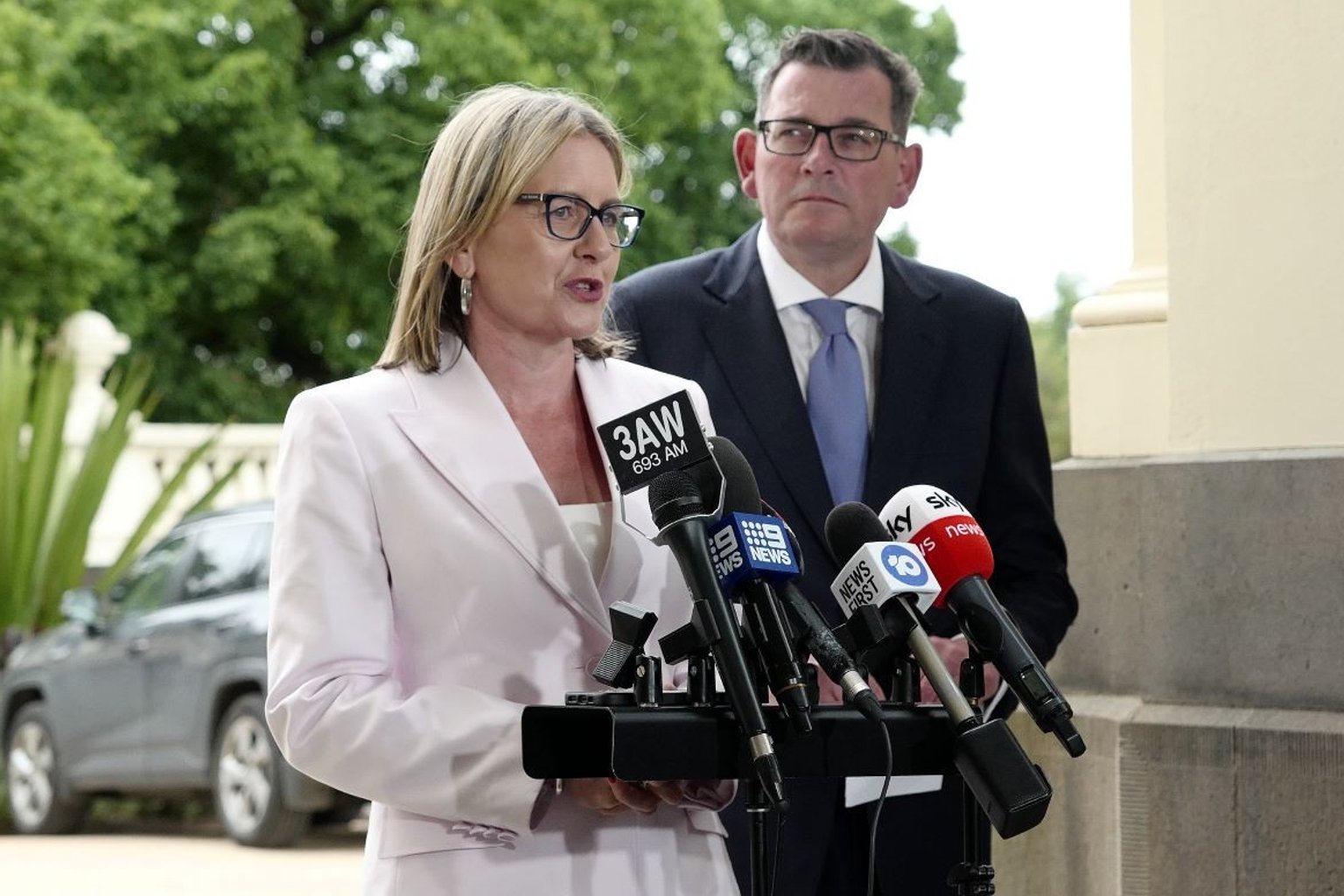
On his way out, Andrews insisted on Allan replacing him.
He raged against now Premier Ben Carroll challenging for the deputy leadership in an (unsuccessful) attempt to give the position to an Andrews ally.
That meant the new Allan administration kept fighting Andrews’ internal fights rather than tackling the issues that mattered to the public at large.
Viewed a slightly different way, a not-unkind assessment I heard during the week was that Andrews’ crew had so completely brutalised even loyal cabinet members that not even Allan quite knew how to ask them to leave the premier’s office once she was in charge.
For Allan, that meant she was locked in to supporting an infrastructure program that was obviously facing huge challenges, least of all allegations of corruption.
It’s odd to think about a premier not having authority.
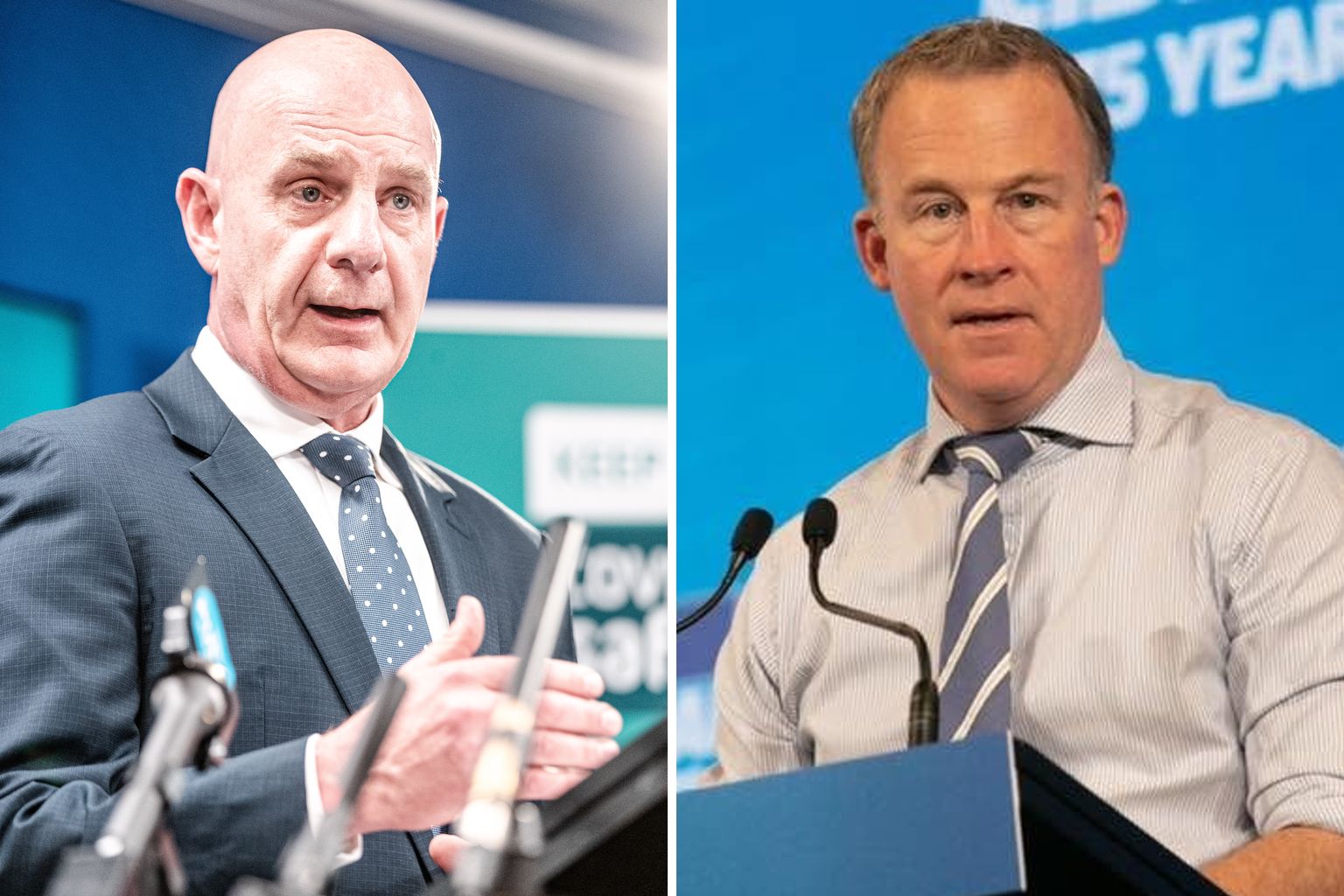
Imagine if Will Hodgman or Peter Gutwein were liked by the public but not so much internally (not true in either of their cases), had moved on, yet insisted on “continuity with change” and demanded that their people keep looking after the shop. That everything but them ought to stay the same.
That matters in Tasmania because Labor is trying to return to government after a fifth consecutive election defeat, its worst-ever primary vote and just 10 seats in 2025.
Josh Willie’s job is not merely to persuade Tasmanians that the Liberals have been there too long.
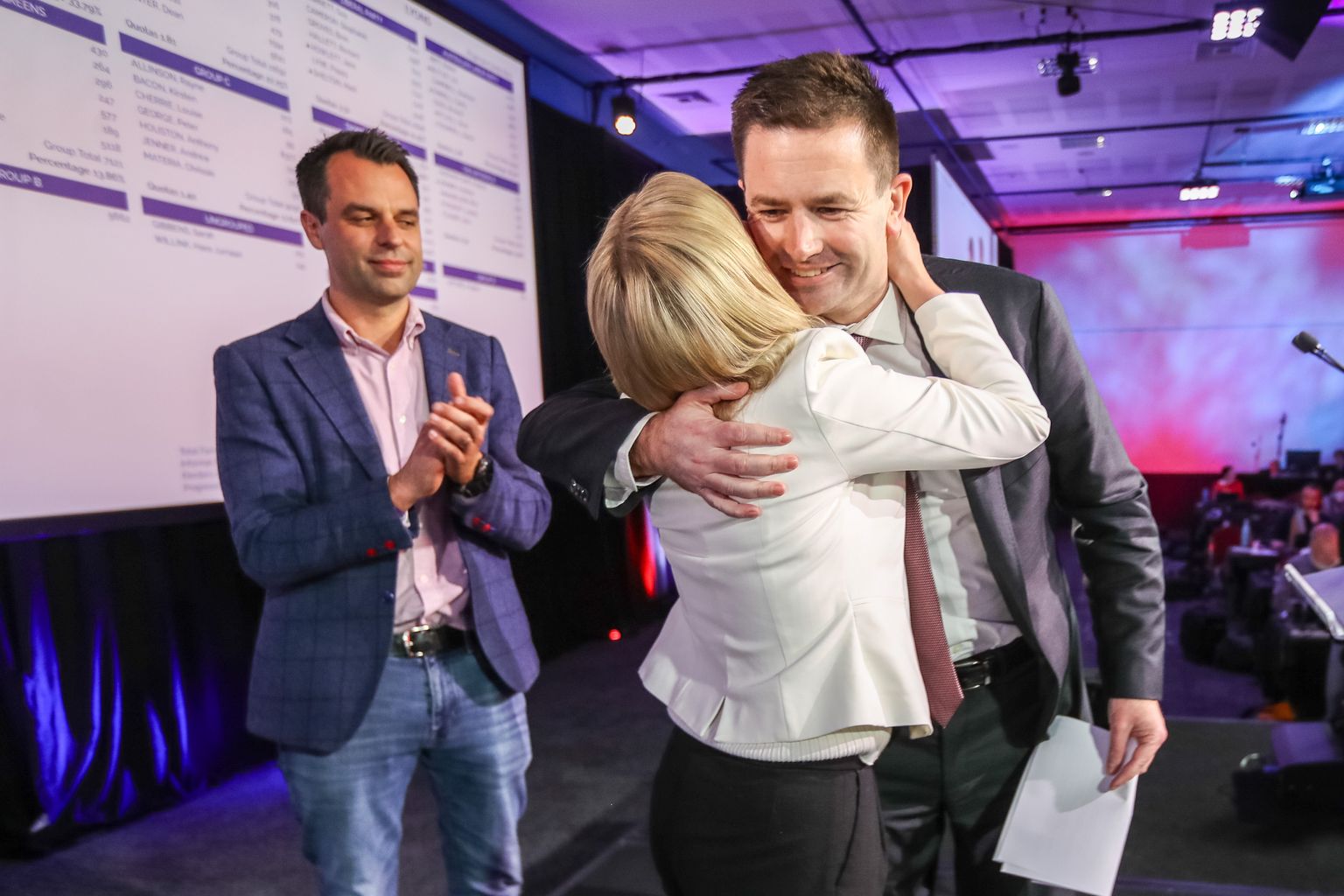
It is to show that this Labor Party is different from the one voters have repeatedly declined to elect.
For Tasmanian Labor, the point is not that experience is bad.
To do these jobs, you need a balance of people with different views and backgrounds, including those who’ve been around the traps for a while.
Sometimes people stay to provide continuity, or because they know how the place works.
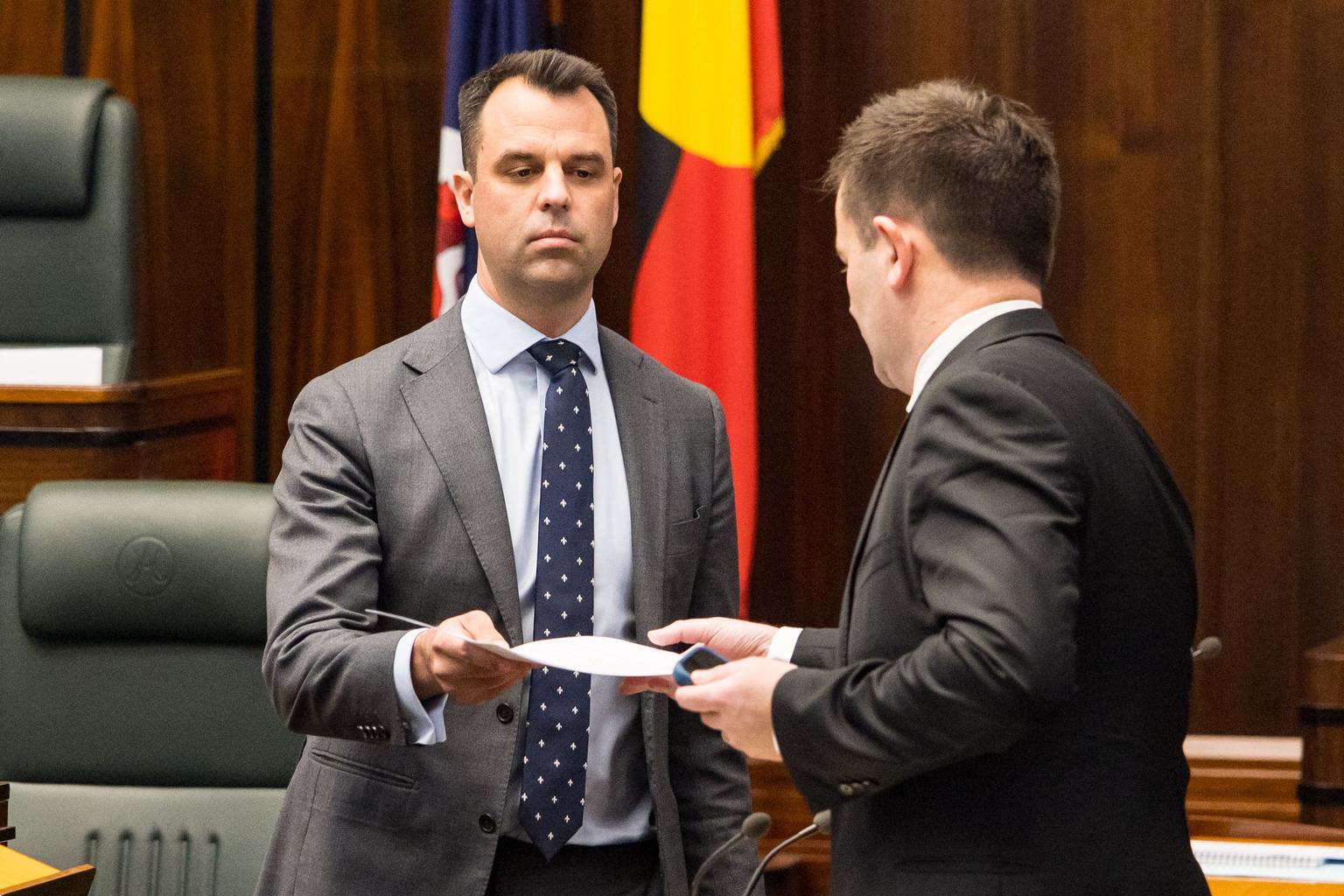
The problem comes when continuity hardens into entitlement, old internal arguments become more important than voters, and a new leader looks like the custodian of somebody else’s project.
That’s what we saw in Victoria.
Tasmania has no shortage of the issues that should crowd those arguments out. The budget proposes about $1.47 billion in operational efficiencies and 1,700 fewer public-service jobs.
Tasmanians want to know whether they’ve got a secure job, whether the buses run, whether schools and hospitals are properly funded, and whether a government now in its thirteenth year still has the energy to deliver.

Jeremy Rockliff remains a relatable, middle-of-the-road Liberal leader who you get the sense wouldn’t be terrible to have a drink with even if you’re not a Lib (Bundy draught enthusiast Jeremy Rockliff likes this).
He’s not distracted by the ‘culture war’ phenomena that’s ended so many careers (anyone remember Peter Dutton?).
He’s not lambasting electric vehicles or saying we should embrace nuclear power in a hydro state.
His great political advantage has been to look more interested in practical Tasmanian concerns than in ideological theatre, even while his government’s record gives Labor plenty to work with.
In many ways, Ben Carroll’s task is similar to that confronting Josh Willie.
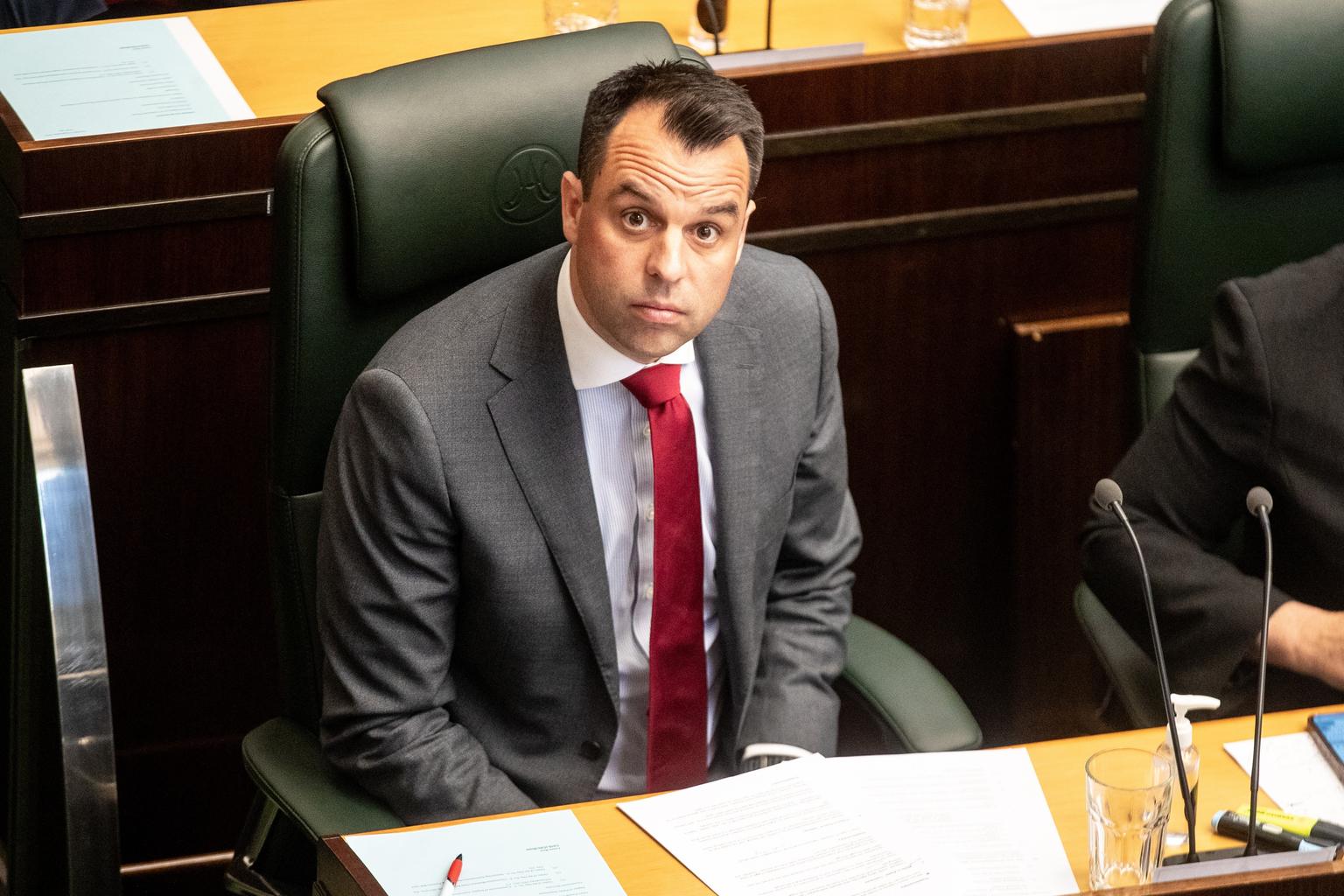
Carroll must separate himself from two predecessors and persuade voters to grant Labor another term.
Willie must rebuild a Tasmanian Labor Party after chronic underperformance, internal division and results so poor that simply waiting for the Liberals to fall over is not a strategy.
Nonetheless, Carroll is starting as he means to go on by consulting widely on key policy issues, drafting in experienced and trusted advisers with real-world experience, and listening to perspectives he knows he might not agree with, but deserve to be heard nonetheless.
That last bit alone represents a significant break with the practice of his two Labor predecessors.

In my experience, these are traits increasingly true of Tasmanian Labor under Josh Willie, too.
He’s brought in a highly experienced and well-liked chief of staff.
He’s starting to put some flesh on the bones when it comes to policy (although we’re still waiting for the big picture ideas around cost of living, energy policy and how to rein in the budget blackhole while expanding funding for vital services).
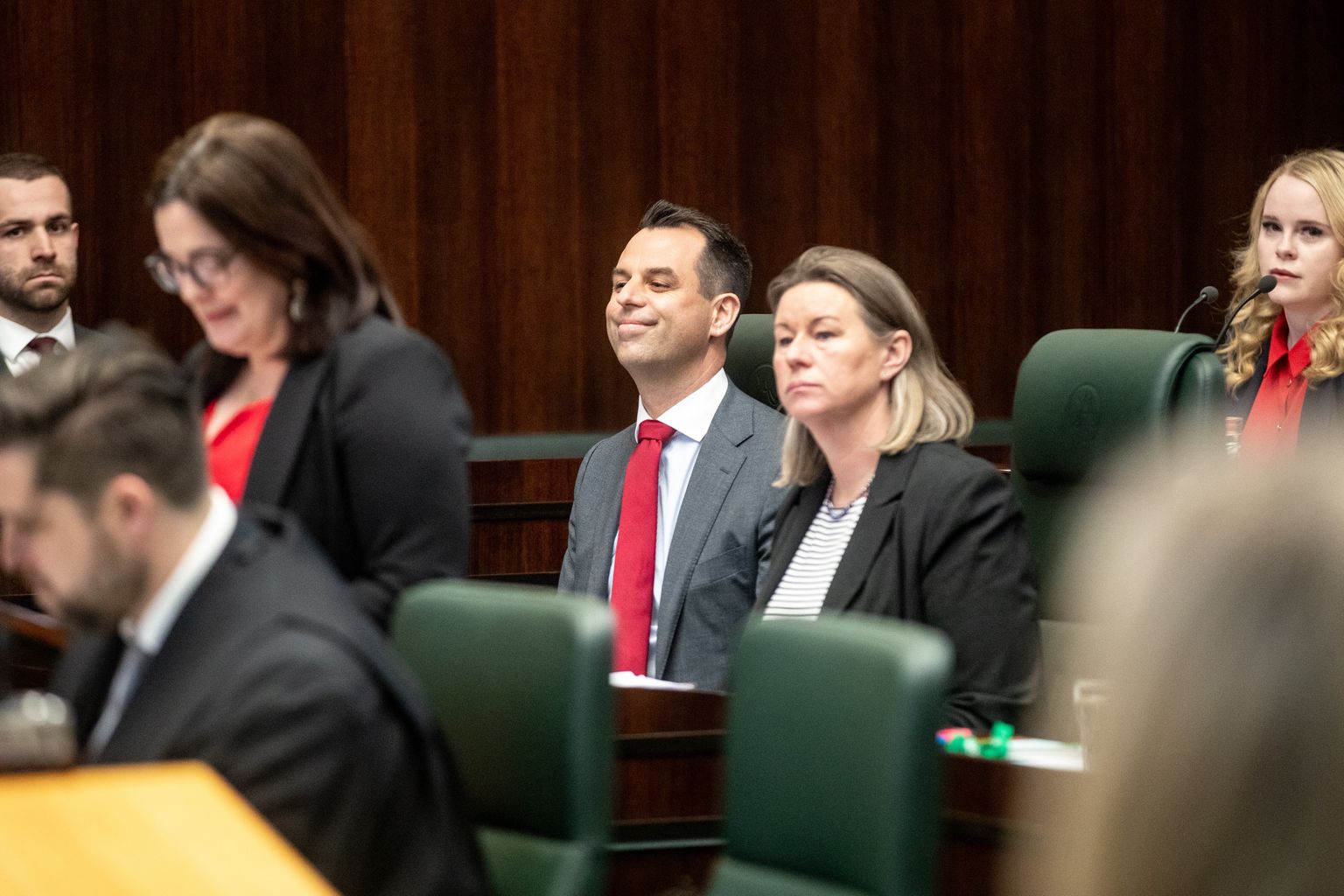
But the Victorian lesson is that a change of personnel is only useful if voters can see a change of purpose.
Tasmanian Labor has to make its rebuilding visible and that means more door-knocking, more listening, fewer fights, and a relentless focus on the services and economic security people deserve.
Niche stuff. It’ll never catch on.
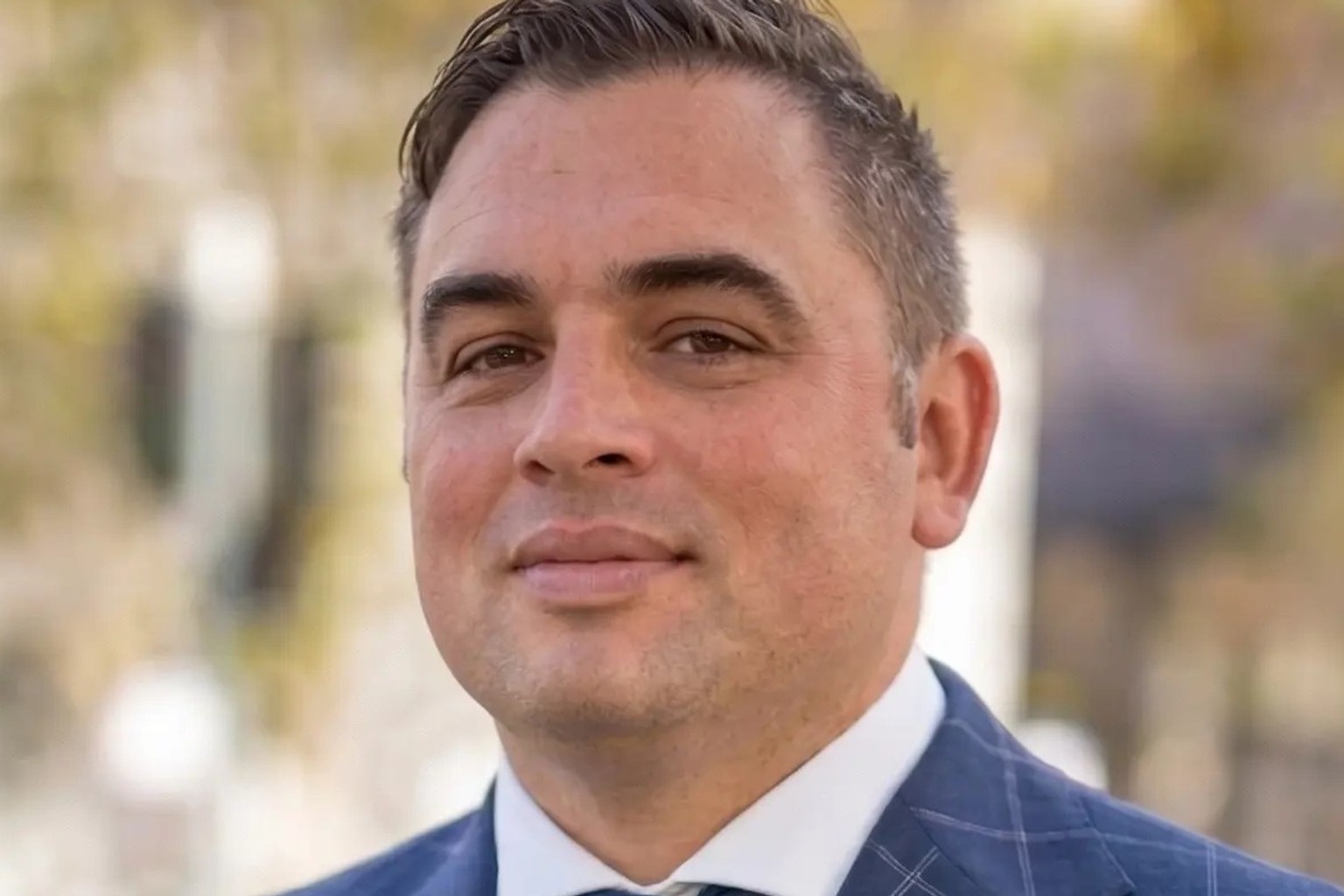
Andrew Porter is a former adviser to three Labor leaders – Prime Ministers Kevin Rudd, Julia Gillard and Opposition Leader Bill Shorten, as well as to Defence Minister Stephen Smith. He is a partner at Tasman Public Affairs.