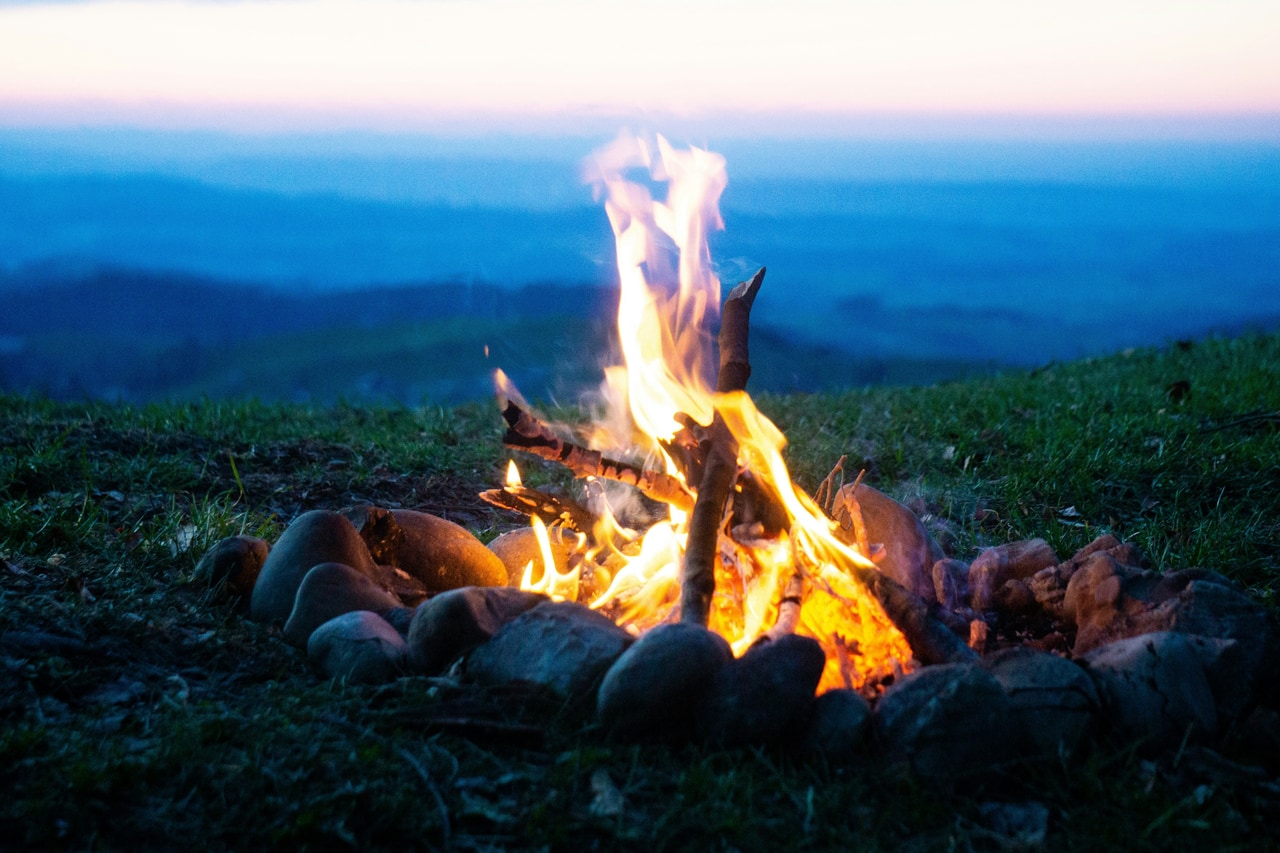
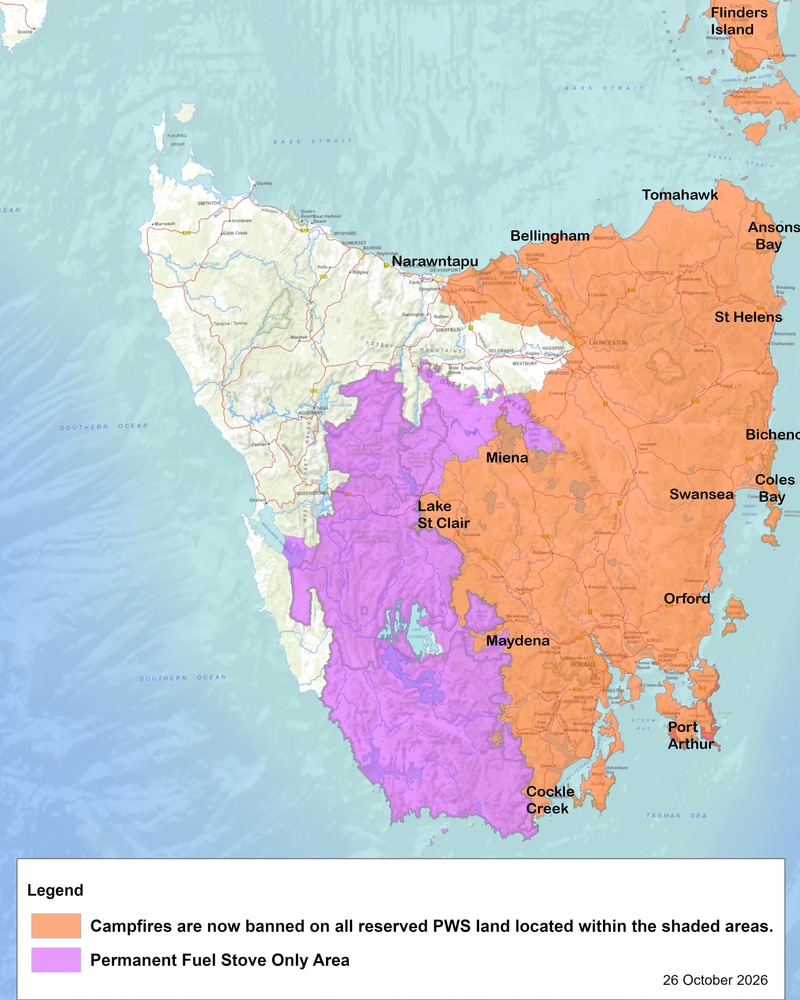
Dry conditions in Tasmania’s east have prompted a campfire ban in national parks and reserves across 20 municipalities from Monday, the Parks and Wildlife Service said.
The ban starts at 2am on Monday and covers campfires, pot fires and other solid fuel stoves. Gas stoves and gas barbecues are still allowed.
It applies to reserved land in Break O’Day, Brighton, Central Highlands, Clarence, Derwent Valley, Dorset, Flinders, George Town, Glamorgan-Spring Bay (including Maria Island), Glenorchy, Hobart, Huon Valley, Kingborough (including Bruny Island), Latrobe, Launceston, Northern Midlands, Sorell, Southern Midlands, Tasman and West Tamar.
Parks and Wildlife Service acting state fire manager Robyn Allchin said seasonal campfire bans were an important preventative measure as bushfire risk increased.
“Seasonal campfire bans provide a consistent and effective way to reduce the likelihood of human-caused bushfires during periods of elevated fire risk,” Allchin said.
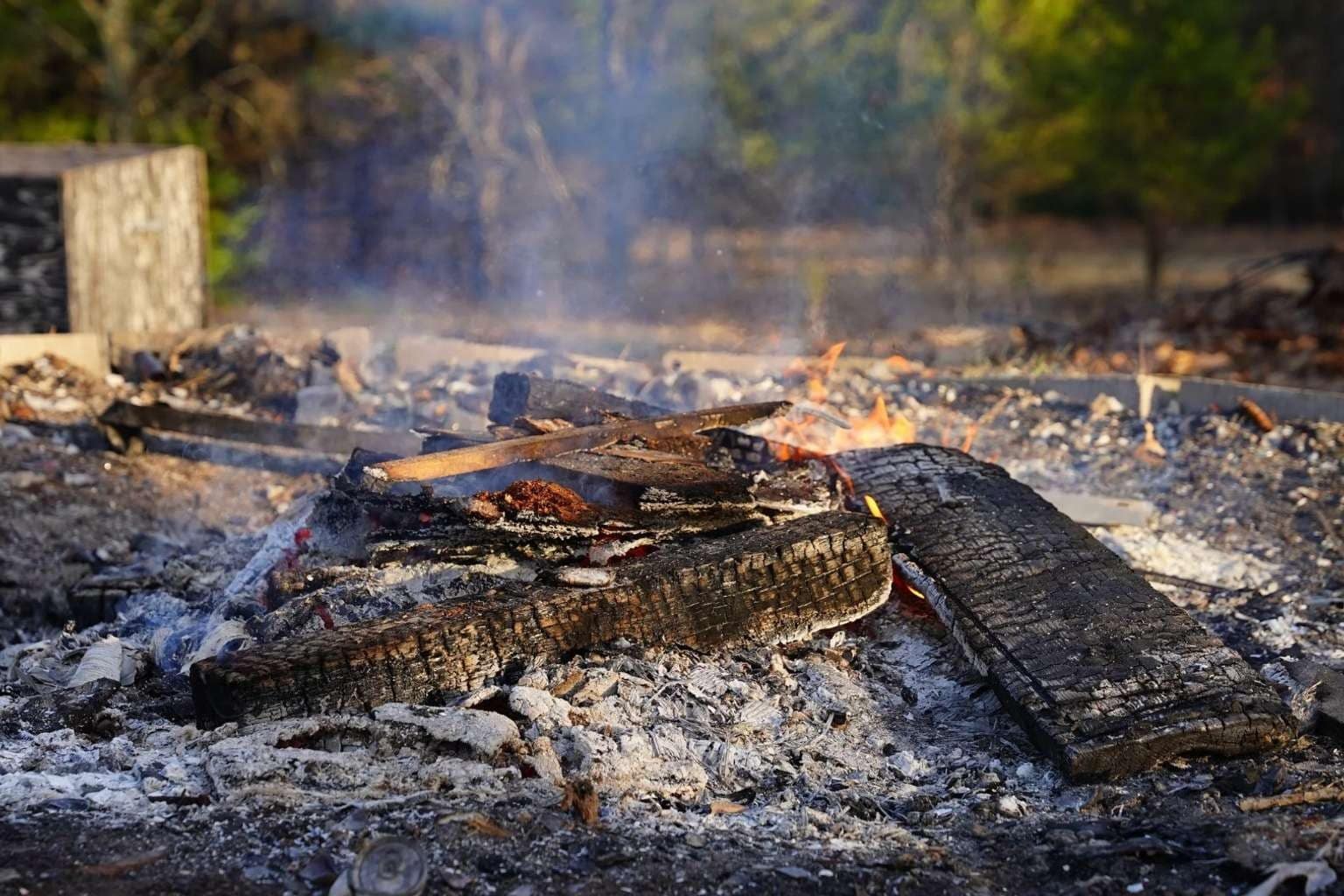
“Much of eastern Tasmania is currently experiencing dry conditions, increasing the potential for campfires that are not properly extinguished to ignite surrounding vegetation or continue smouldering unnoticed.”
With warmer than average conditions forecast for the months ahead, she said bringing in the bans now was “a sensible precaution to help reduce bushfire risk before the peak fire season”.
The service said it recorded 245 illegal campfires in parks and reserves last year.
Of those, 42 were unattended and still burning when staff found them.
Last week, the Bureau of Meteorology forecast fire danger to climb to high on the east coast and in the Midlands.
Allchin said rangers would be out over the coming months.
“Rangers will be patrolling campgrounds and popular visitor sites throughout summer and we thank everyone for doing their part to keep Tasmania’s parks, visitors and communities safe,” she said.
Visitors are asked to check the Parks and Wildlife Service website for the campfire rules in the area they plan to visit before they travel.