A bill allowing the University of Tasmania to sell rezoned land at its Sandy Bay campus is set to become law, after clearing a key vote in Tasmania’s upper house.
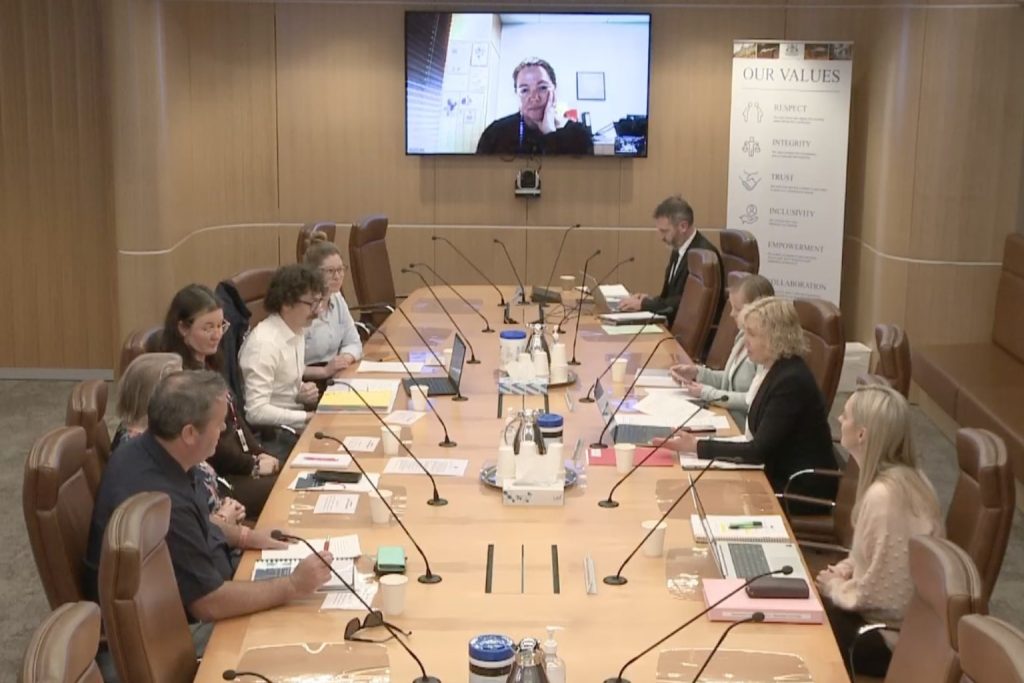
The University of Tasmania (Protection of Land) Bill 2025 was supported 8-6 in the Legislative Council on Wednesday, with the third reading and final vote – seen as a formality – expected to pass on Thursday.
Liberal and Labor members were joined by independents Ruth Forrest, Rosemary Armitage and Tania Rattray in backing the bill.
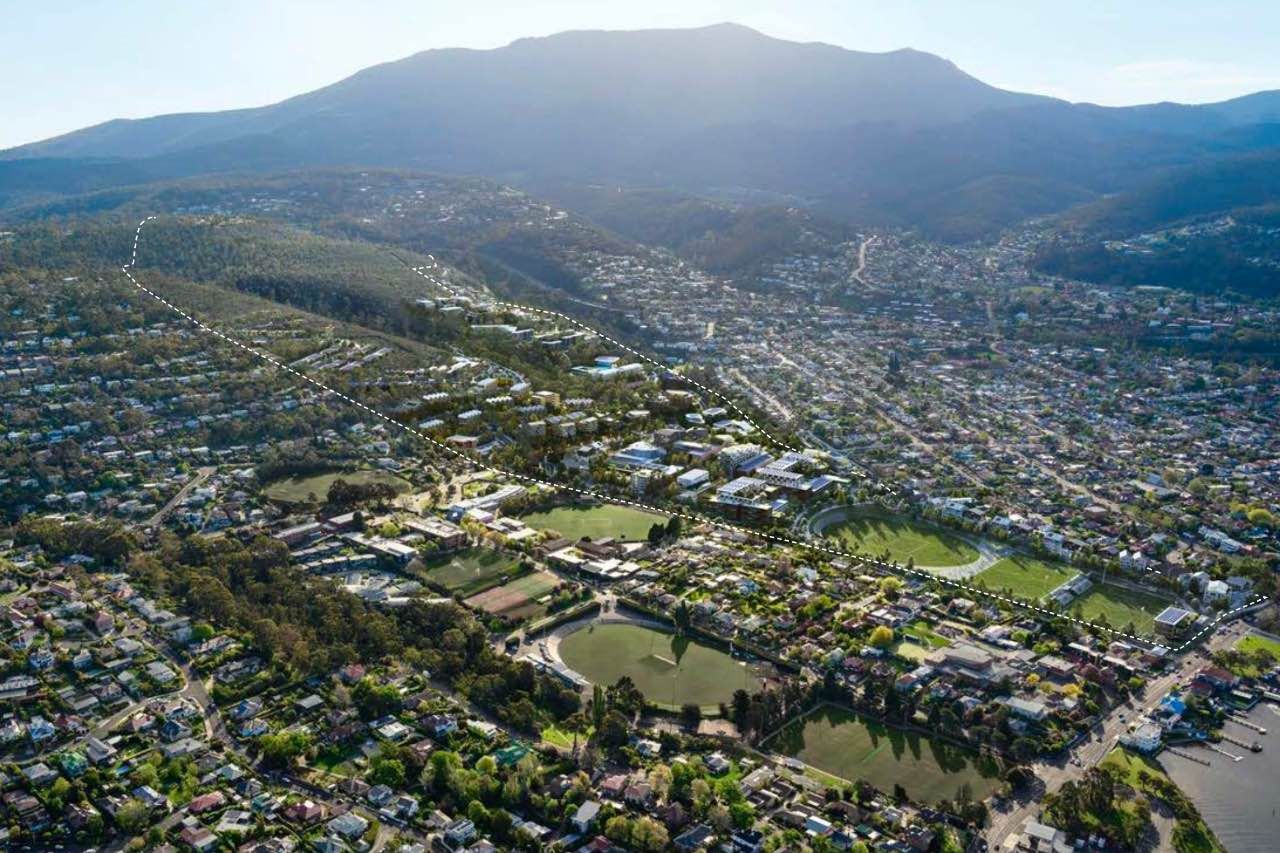
The bill rezones two parcels on the university’s upper campus above Churchill Avenue to inner residential, allowing higher-density housing.
It also requires parliamentary approval for any sale or long-term lease of land on the lower campus, between Churchill Avenue and Sandy Bay Road.
A third area of about 56 hectares of bushland is left unprotected, pending handback talks with the Aboriginal Land Council of Tasmania.
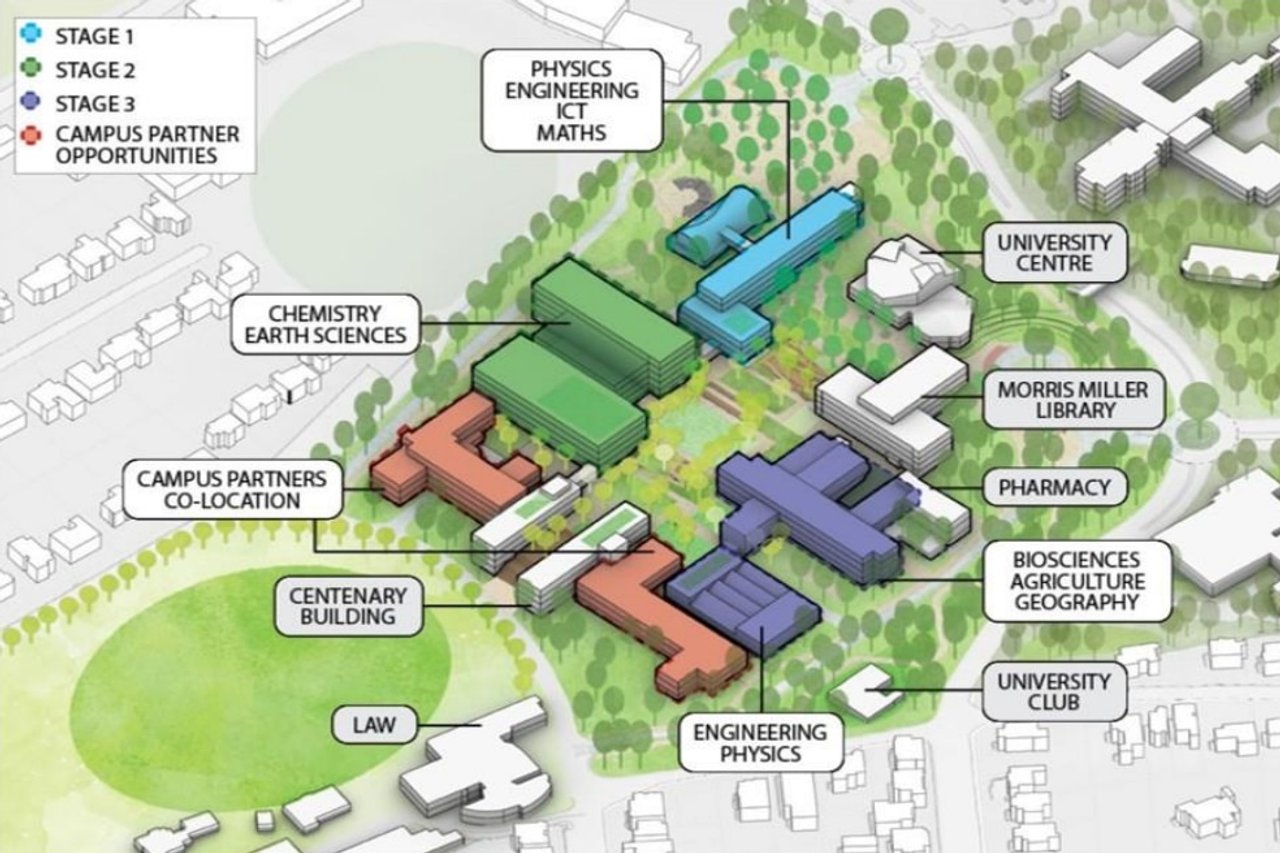
The university says proceeds from selling the rezoned land will help fund a new science, technology, engineering and mathematics precinct on the lower campus.
Pro Vice-Chancellor Nicholas Farrelly welcomed the result.
“We now have a way to realise the value of some of our land and make a significant contribution to the critical STEM at Sandy Bay project,” Farrelly said.
“The legislative certainty also means we can recommence discussions with the Aboriginal Land Council of Tasmania to hand back most of the bushland above Churchill Avenue.”

Education Minister Jo Palmer defended the legislation during debate.
“This is about unlocking a brilliant opportunity. Yes, for the university, but yes for our state and yes for the future of STEM in our state,” Palmer said.
She said the rezoning was “responsible” and created “a path to a positive future for the university and for our state”.
But community group SaveUTAS slammed the legislation. Co-chair Mike Foster said it would deliver neither STEM facilities nor housing.
“So what was the point?” Foster said.
“Instead of being honest with staff, students and the community, VC Black has wasted two years on a pointless campaign to get campus land rezoned despite the obvious impediments to housing development.”
Foster called on the university to abandon what he described as a “$500 million pipe dream” and fund refurbishment by selling surplus city properties.
Nelson MLC Meg Webb tried unsuccessfully to amend the bill, including lowering the parliamentary oversight threshold for long-term leases from 99 to 30 years.
All her amendments were defeated.
Webb accused the government of treating parliament as a “rubber stamp” and bypassing proper planning processes.
“The only thing worse than this parliament being expected to act as a planning authority is for the government of the day to take upon itself the role of acting as a planning authority,” she said.
Elwick MLC Bec Thomas said the bill lacked basic safeguards.
“We have no process, no proof, no plan and no protection,” Thomas said.
Vice Chancellor Rufus Black told staff in an email the path ahead remained challenging.
“We cannot achieve the STEM precinct alone and we look forward to working collaboratively with all levels of government,” Black said.