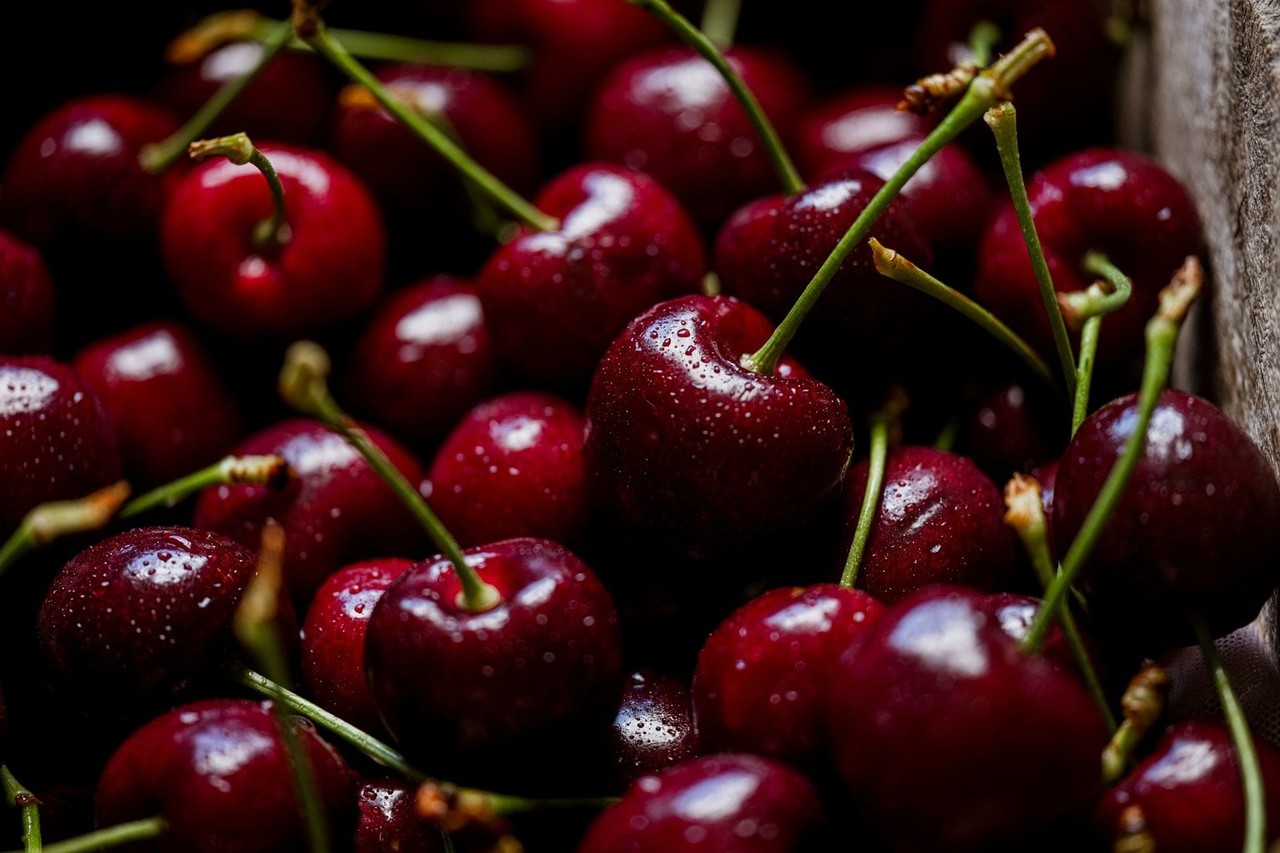
Tasmanian cherry growers are getting new research backing to help them grow premium fruit under rain covers as the state braces for hotter, drier summers and heavier downpours.
The trial is part of a three-year national project examining protected cherry production, and it could shape how Tasmania’s $66 million cherry industry adapts to climate change.
Leticia Reis, a tree fruit physiologist at the Tasmanian Institute of Agriculture, is leading the commercial field trials.
She is looking at how rain covers change conditions inside orchards and what that means for tree growth and fruit quality.
Rain covers are widely used across Tasmania to stop fruit cracking during heavy rain at harvest, which can wipe out a grower’s returns.
But the covers also change the growing environment in ways researchers don’t fully understand.
“While rain covers provide effective protection for fruit, they alter the orchard microclimate including reducing sunlight, warmer temperatures and moisture in the air,” Reis said.
“They also change the quality of light reaching the trees, much like wearing tinted sunglasses.”
“Trees respond to these changes in the microclimate which directly impacts fruit quality.”
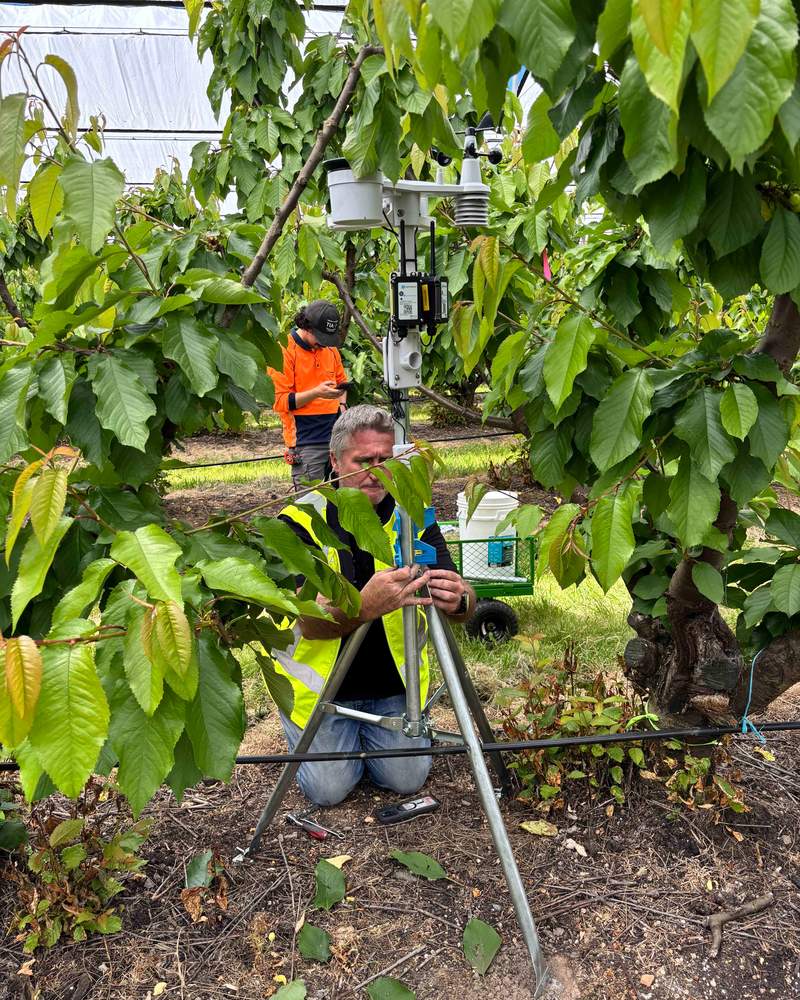
Reis has set up an experimental site at a commercial orchard in the Tamar Valley, using custom sensors to track light, microclimate and leaf health.
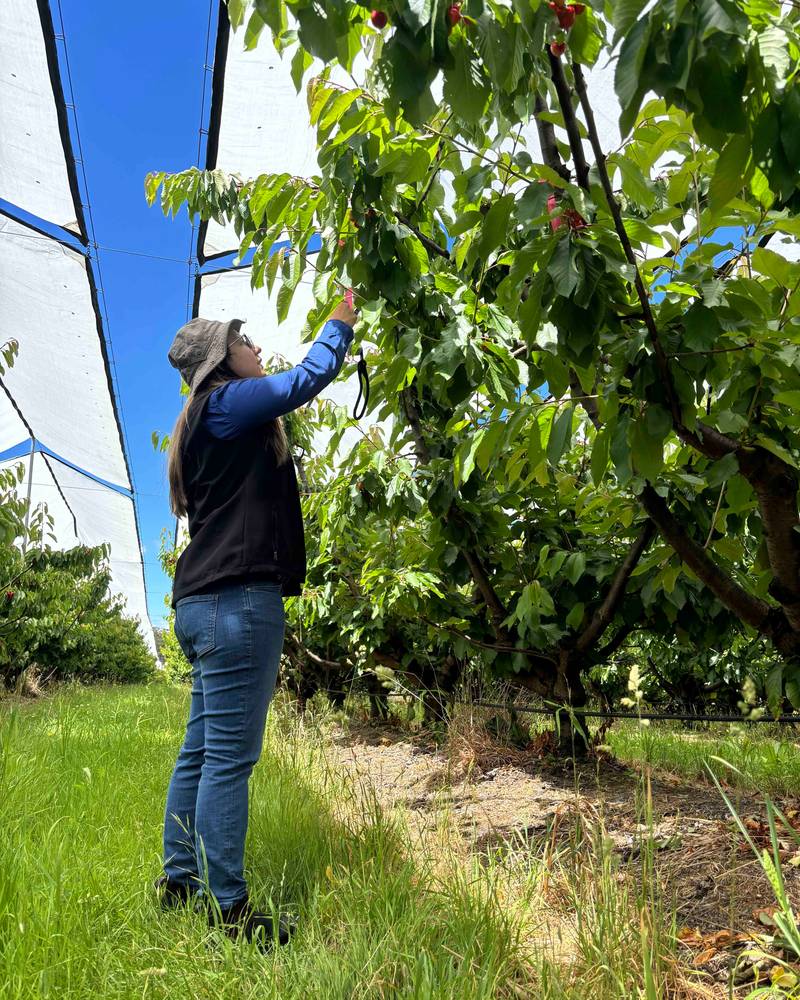
Fruit quality will be assessed at harvest.
Brent McClintock from AAAW Group’s Calthorpe Orchards is hosting the trial. He has been using rain covers for the past five years.
“We’ve seen significant investment in rain covers across a number of Tasmanian orchards in recent years,” McClintock said.
“… I don’t see a future without growing under rain covers.”
He said growers needed answers on the trade-offs.
“In particular I would like to see some answers around how much light we [are] losing, whether that’s a big deal and how much of a limitation it puts on us.”
“We can see the benefits of using rain covers but also need to address the challenges.”
The team is now inviting Tasmanian growers to join orchard trials and surveys.
The project is funded by Hort Innovation through the cherry research and development levy and the federal government.