A parliamentary inquiry will examine the rapid expansion of artificial intelligence and data facilities across the state, amid growing concern over their potential impact on energy supplies, water use and local planning decisions.
Government Administration Committee A will examine the expansion of AI and data facilities across the state, with the power to recommend new laws and regulations.
Greens science and information technology spokesperson Tabatha Badger said the inquiry was “incredibly welcome news” amid growing community concern about large-scale AI facilities.
“The community have been so concerned right across Tasmania, particularly when they’re seeing large AI factories pop up in their backyard without adequate community consultation,” she said.
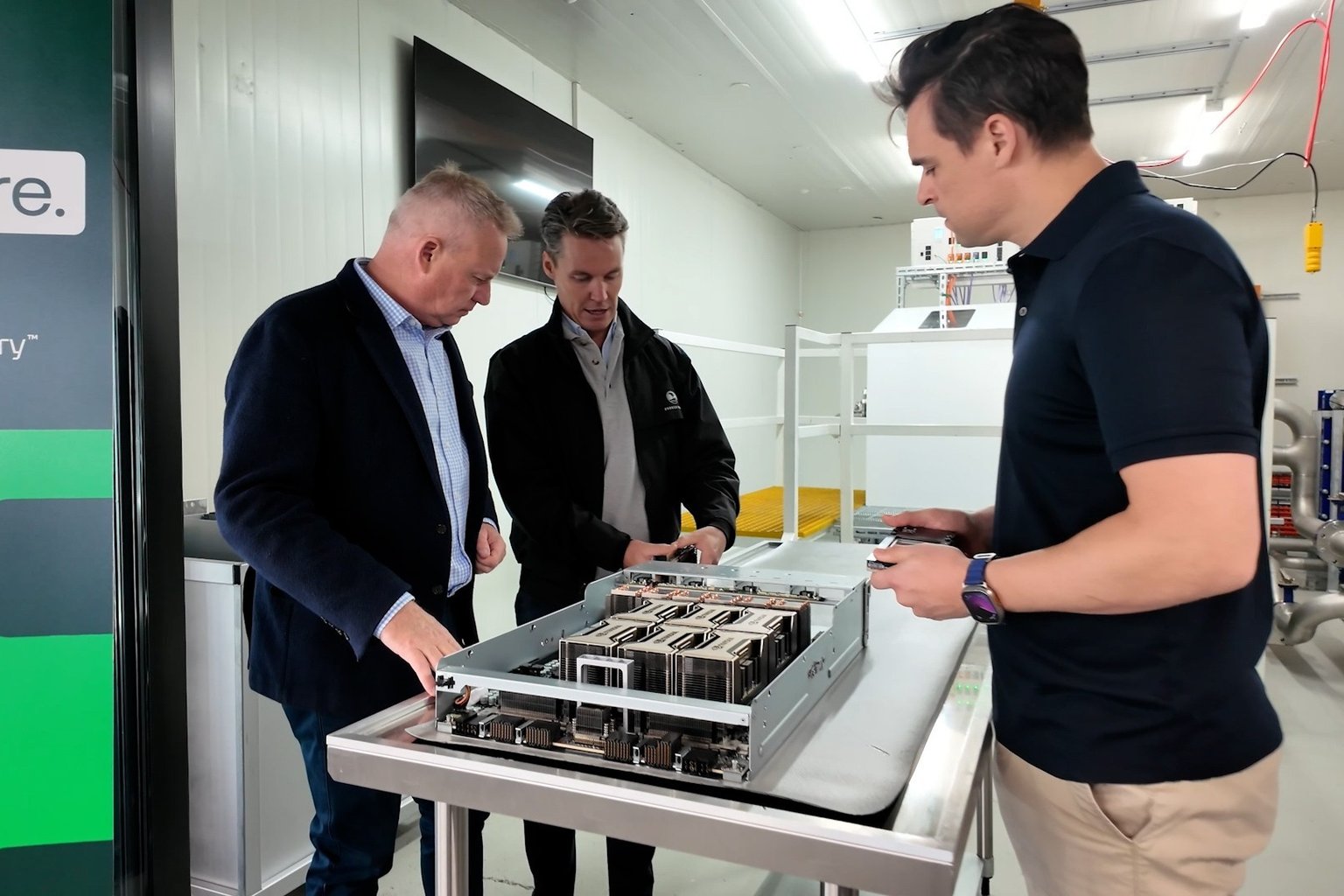
She claimed the centres would consume “large amounts of energy” and there were “serious questions over water use allocation”.
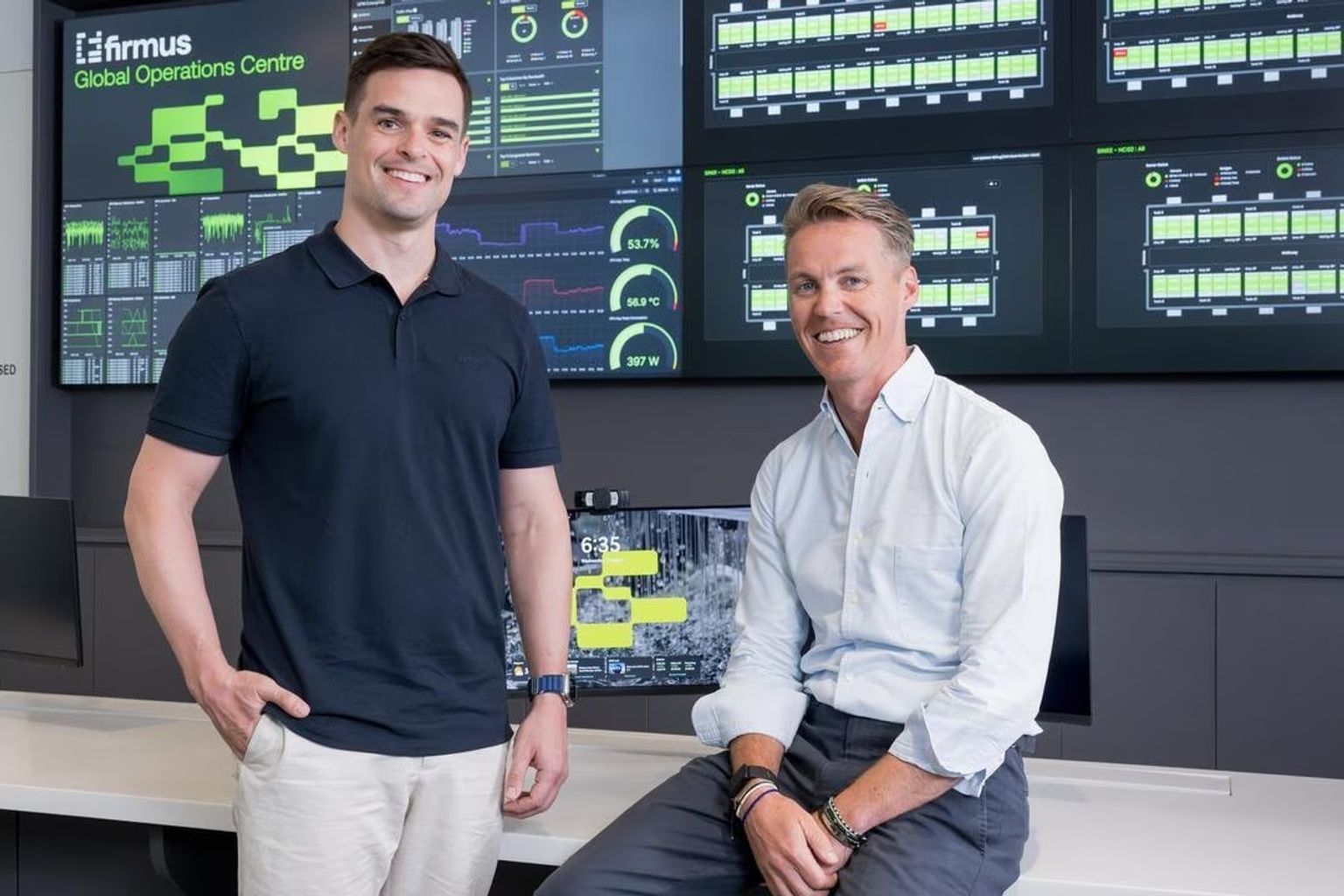
Badger said Firmus’ three large-scale AI facilities proposed in recent months would consume around 20% of the state’s power, with no parliamentary oversight over that potential allocation.
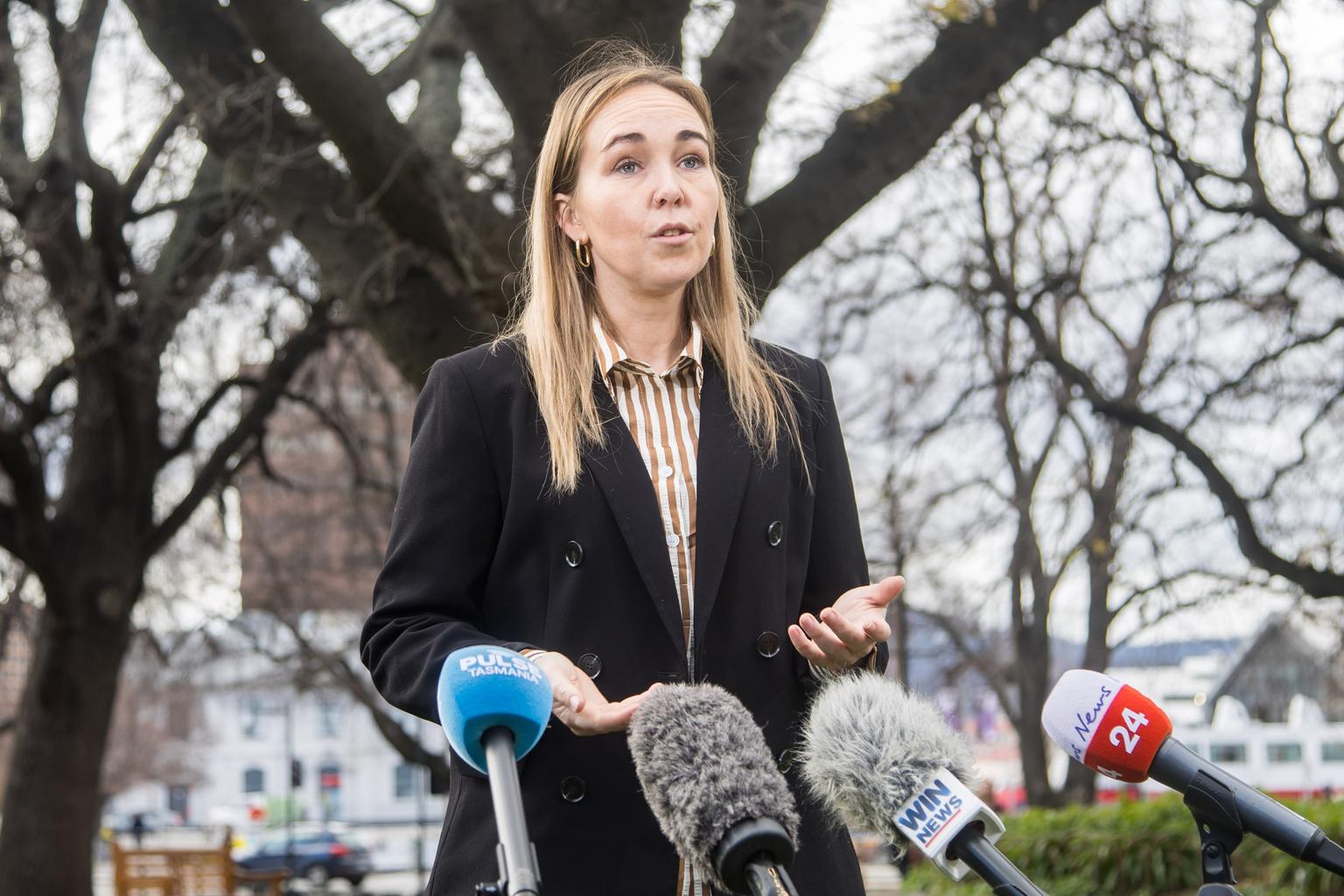
She confirmed the Greens support a moratorium on data centres until proper rules are in place.
Franklin independent MP Peter George also called for a pause on all approval processes until a statewide strategy is settled by parliament.
“With no clear state strategy on data centres, local councils are in danger of being railroaded into an approval process without a framework within which to work,” he said.
But Innovation, Science and Digital Economy Minister Felix Ellis said a statement of expectations for AI data centres was expected to be released within the government’s current “100-day period”, which finishes at the end of next month as part of their 400 Day Plan.
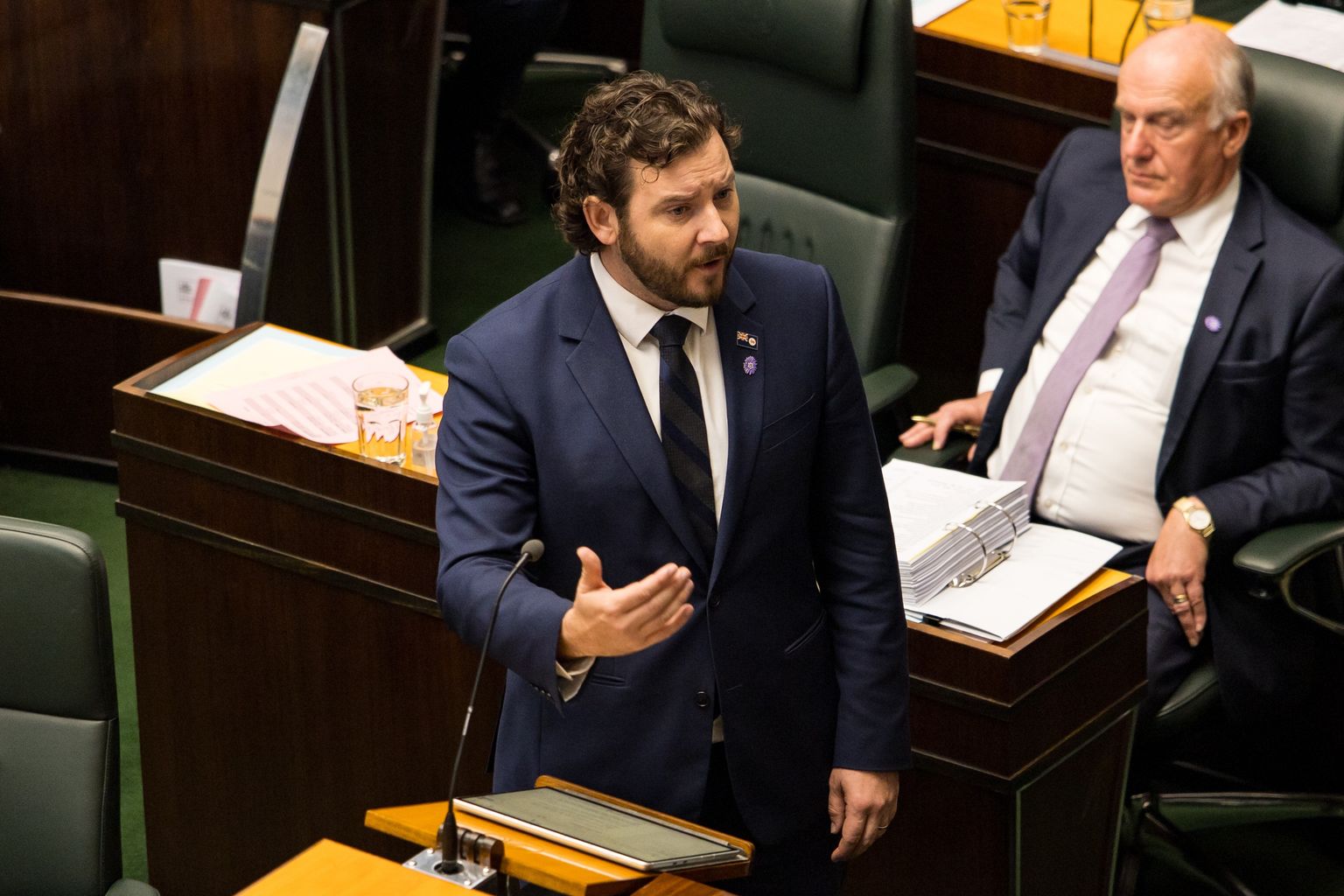
Ellis said it was important data centre developments “pay their way on water and energy”.
“And when I say energy, that is of course a commercial price for the power that’s being provided, but it’s also a commercial price for the transmission costs of that development too,” he said.
Ellis said large data centre users could help share transmission costs that would otherwise fall on households and other consumers.
He said Tasmania already has strong planning and environmental regulations and some challenges posed by data centres can be managed under existing rules.
“But when it comes to energy use and transmission and when it comes to water use and transmission, that will be some of the key features of the AI Data Centre Statement of Expectation that we’re looking to release in coming days,” he said.
George described the statement of expectations as “meaningless” and said other states were proactively producing AI and data centre strategies while the Tasmanian government was “sitting on its hands”.
An ongoing parliamentary petition calling for AI-specific legislation and a moratorium has attracted more than 9,000 signatures.