
The Tasmanian Parole Board has removed a parole condition that stopped convicted murderer Susan Neill-Fraser from speaking to the media about her claimed wrongful conviction, the Human Rights Law Centre says.
The decision came today after a legal challenge by the centre.
Neill-Fraser, 72, served 13 years in prison for the 2009 murder of her partner Bob Chappell aboard their yacht off Sandy Bay in Hobart.
She was released on parole in October 2022 and has always maintained her innocence.
In December 2024 the board added a condition barring her from speaking “directly or indirectly with any media outlet to claim [her] alleged innocence and/or wrongful conviction”.
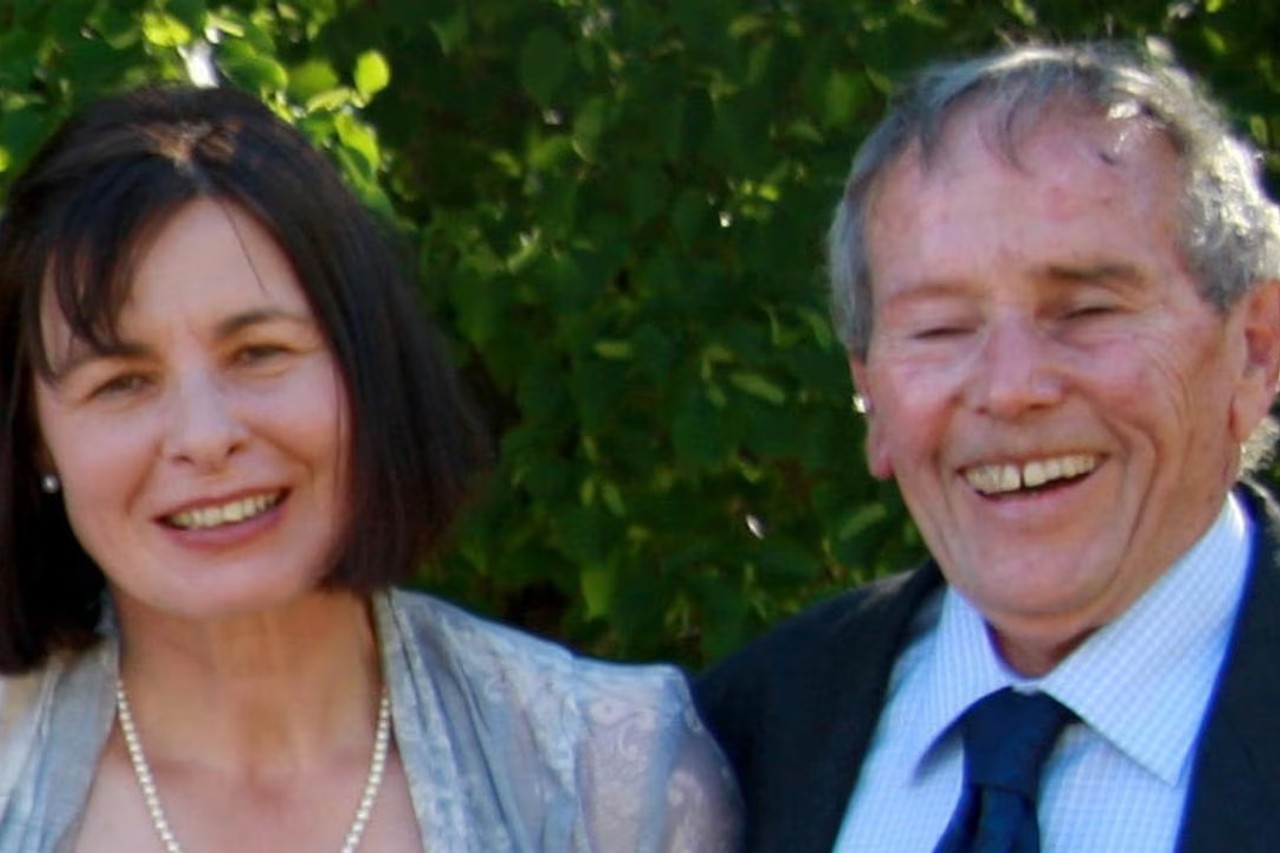
That condition was later replaced with a broader version in May 2025.
The Human Rights Law Centre filed its challenge in the Supreme Court of Tasmania in April 2025.
It argued the condition was unreasonable, improper and in breach of the constitutionally implied freedom of political communication.
The centre welcomed the board’s decision, saying it restores Neill-Fraser’s right to free speech and her ability to take part in public debate.
Legal director Sarah Schwartz in a statement said the outcome was a long time coming.
“This decision is an important vindication of Susan’s rights, which we have fought to protect for more than a year,” she said.
“We welcome the decision of the Parole Board of Tasmania to remove this condition.”
“Freedom of expression is a fundamental right and we are pleased that Susan is no longer subject to a restriction that prevented her from being able to participate in public debate.”
Schwartz said people who had been in prison were often among the “most important voices” in debates about the justice system.
She also raised wider concerns about parole boards around the country.
“We are concerned by the largely unchecked powers of parole boards across the country to impose restrictive conditions that limit people’s fundamental freedoms and full participation in the community,” she said.
“Parole is meant to be about supporting reintegration, not silencing people or excluding them from public debate.”
A state government spokesperson confirmed to Pulse a condition had been removed.
“We have been advised that the Parole Board has made a decision to withdraw a parole condition it had previously placed on Susan Neill-Fraser,” they said.
“The Parole Board makes its decisions entirely independent of government.”
Pulse has the Tasmanian Parole Board for comment.
The case returns to the Supreme Court of Tasmania on Monday.