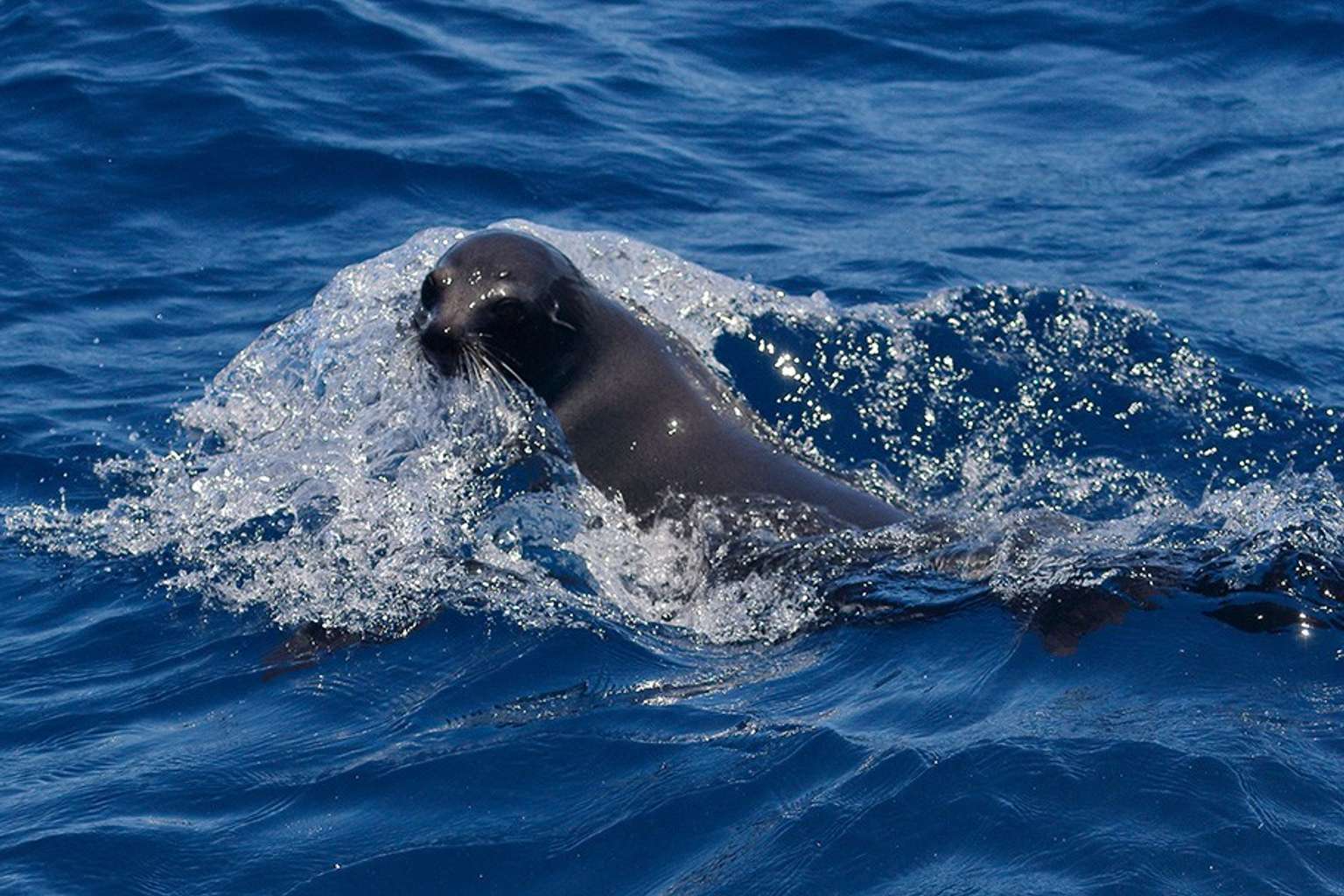
Salmon farming companies set off almost 1,800 explosive deterrents at protected fur seals in the first half of this year, according to government data cited by the Tasmanian Greens.
The Greens say Huon Aquaculture accounted for nearly two thirds of the devices, while Tassal fired 31 lead shot pellets at seals on the Tasman Peninsula over the same period.
Four fur seals died in interactions with salmon farming operations in the first six months of the year, including two caught in pens, according to the Greens.
Another was hit by a boat and one died after attempts to relocate it.
At least four birds also died and another was injured.
The party says more than 150,000 explosive deterrents have been used by salmon farms over the past decade and at least 48 seals have died at farms since the start of 2021.
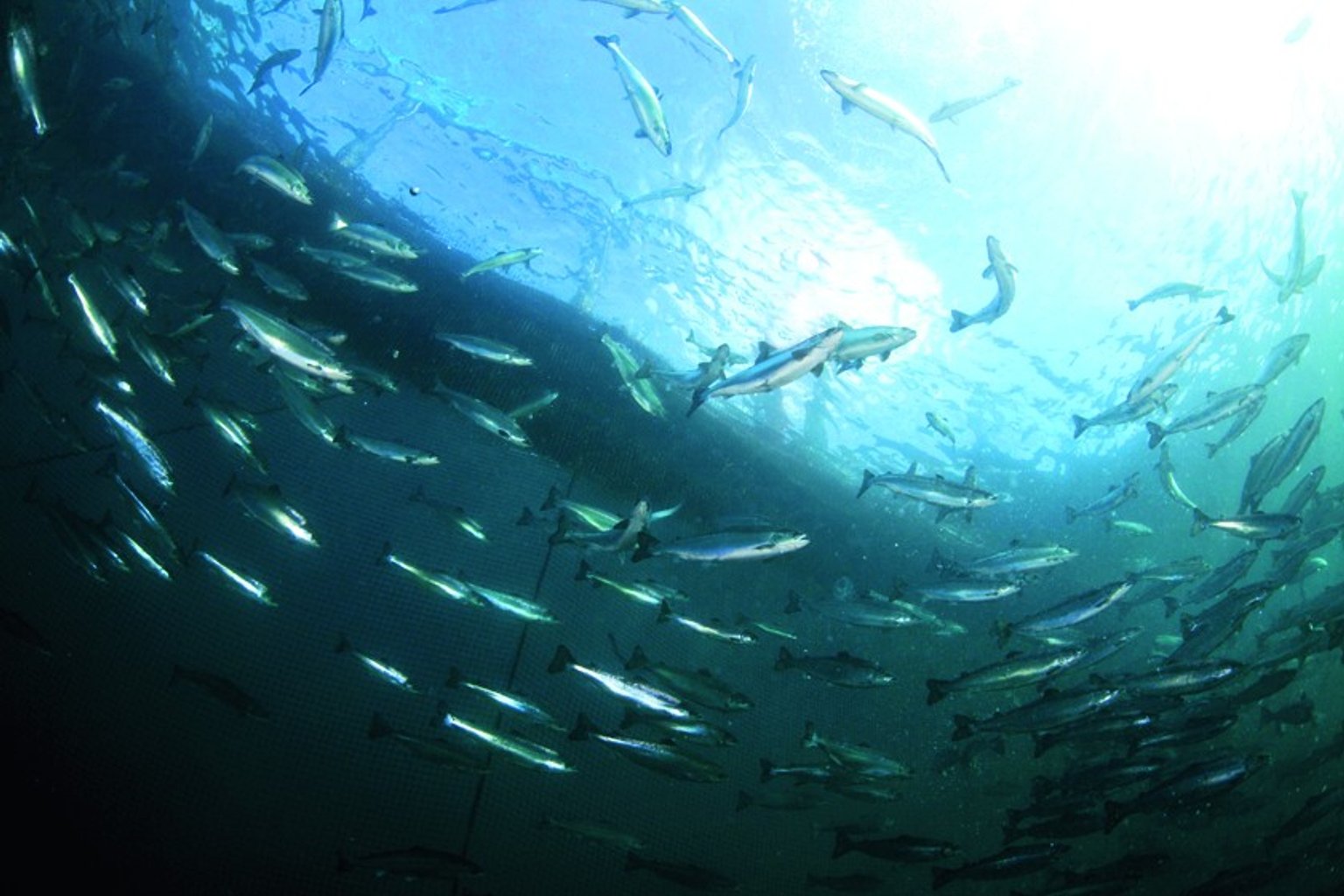
Greens leader Rosalie Woodruff called for salmon companies to adopt a no-seal-kill policy and for the use of explosives and lead shot against seals to be banned.
“It’s state-sanctioned animal cruelty on an industrial scale,” she said.
“The fact is that the Liberal government doesn’t care about the deaths of wildlife from large-scale salmon corporations.”
Animal welfare group Animals Australia recently lodged two formal complaints alleging salmon farming companies breached the Animal Welfare Act, with the Greens saying entanglements, explosives and lead shot were among the reasons.

The two complaints were lodged with the Department of Natural Resources and Environment Tasmania (NRE), which reports to Primary Industries and Water Minister Gavin Pearce.
“We still haven’t heard from the minister whether there is a commitment to responding to those formal complaints,” Woodruff said.
Premier Jeremy Rockliff said the government had made the information public in the interest of transparency.
“We have the highest regulated salmon industry in the world and very proud of that fact,” he said.
“It is based on continuous improvement.”
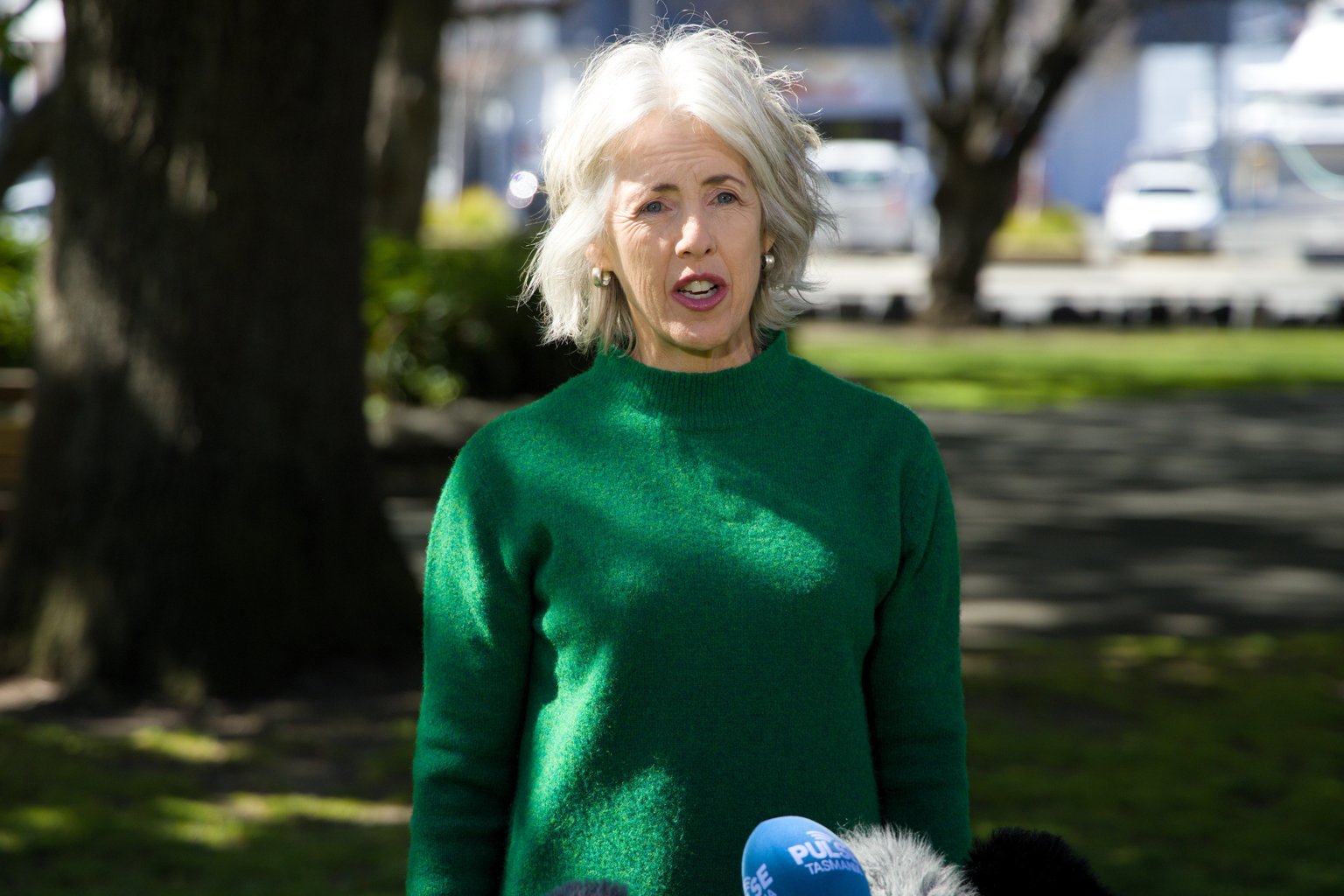
Rockliff said a study under way would provide recommendations for further improvement, describing salmon farming as a $1.2 billion industry and the state’s largest primary industry sector.
Salmon Tasmania CEO John Whittington said the Greens had misrepresented the facts, with self-reported data showing deterrent use had fallen by more than 90% over the past decade.
“This reflects the industry’s major investment in seal-exclusion pens and is clear evidence of prevention replacing deterrence,” Whittington said.
He said seal crackers were small pyrotechnic devices, similar to the bird-scaring crackers used in vineyards, orchards and at airports, that make a loud bang to move seals away from pens and people.
“Calling them ‘bombs’ is grossly misleading,” he said.
Whittington said the lead shot claim was also misleading, describing the rounds as beanbag pouches that deliver a firm thump to startle seals away.
He said none of the seal deaths or injuries in the past six months were attributed to the use of a deterrent.
Responding to the industry, Woodruff said the decline over the past decade did not make the current figures acceptable.
“If you’re comparing it to some horrific period in the past, that doesn’t make what’s happening now acceptable,” she said.
“It’s not normal and it’s not okay.”