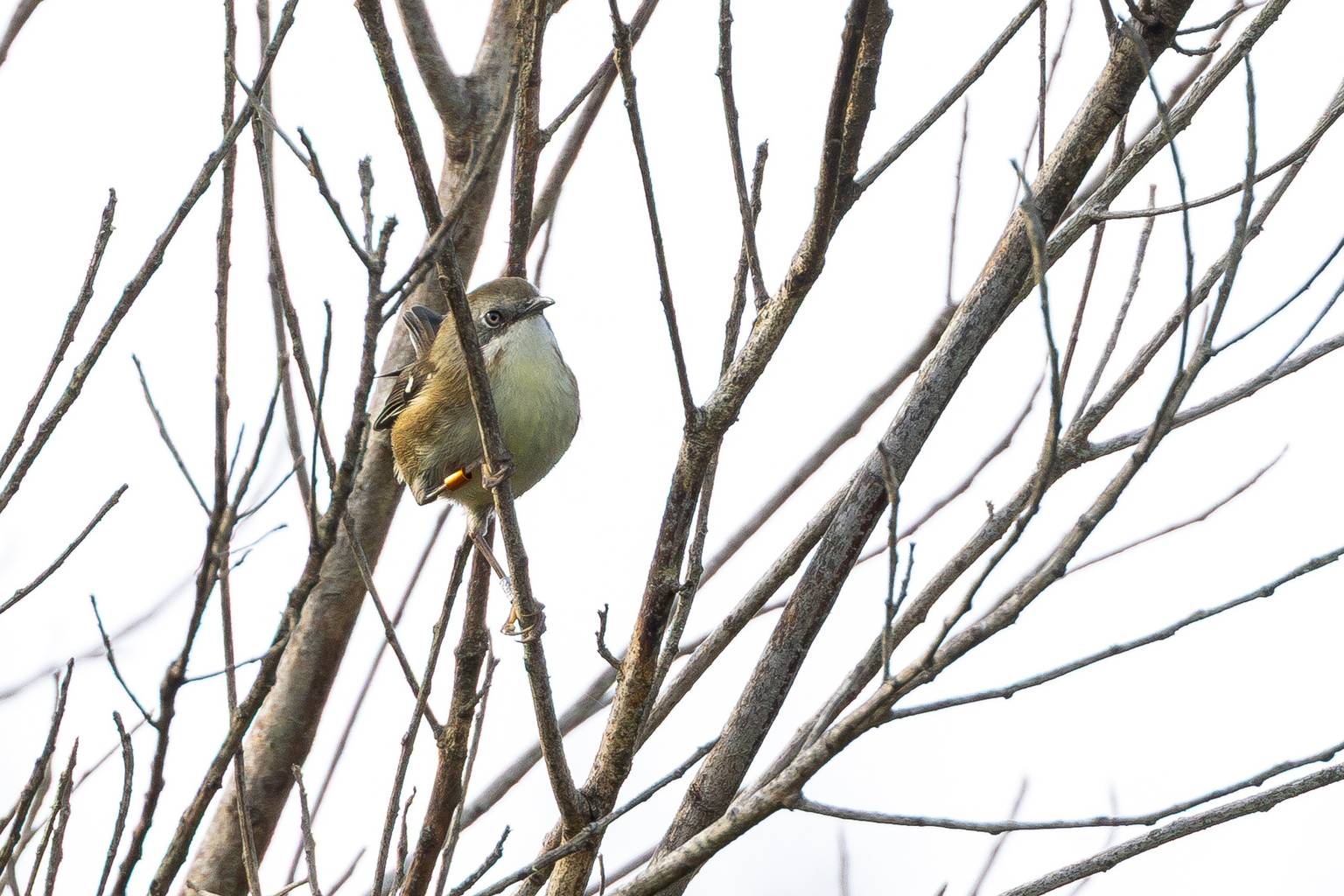
A wildlife photographer has taken rare images of the critically endangered King Island Scrubtit, with conservationists estimating fewer than 100 of the birds remain.
Brad Leue, a photographer and videographer with Australian Wildlife Conservancy (AWC), took the photos at the organisation’s Boulder Wildlife Sanctuary on King Island last month.
AWC recently bought the 200-hectare property on the island’s north-east coast as its first in Tasmania, with plans for feral animal and weed control and fire management.
Leue said he gave himself seven days to find wildlife on the sanctuary and the scrubtit was “the big-ticket item”.
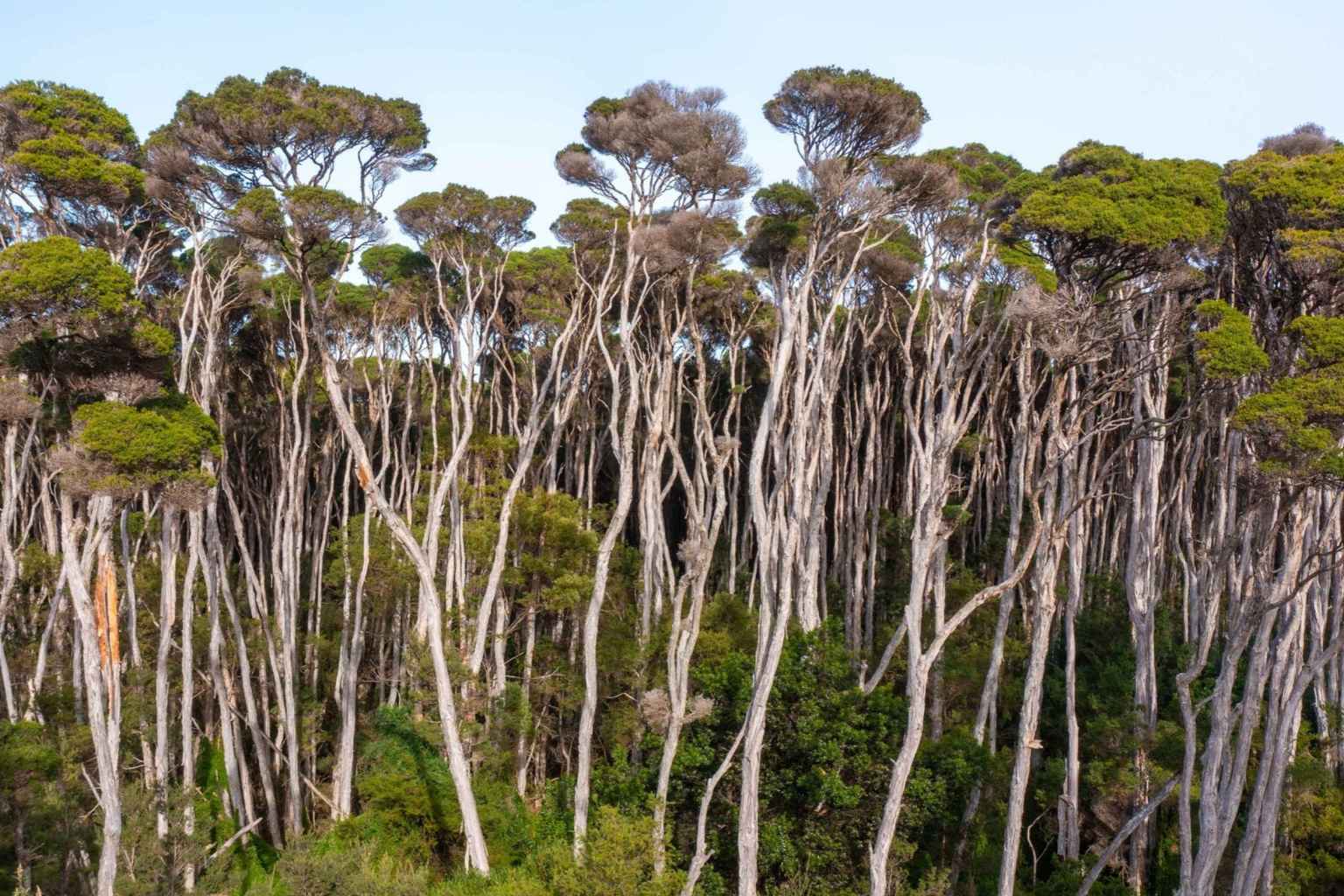
On the fifth day, after another unsuccessful search, he was heading towards the coast when a bird sprang out of the paperbark.
“I looked into the lens of my camera and couldn’t believe my luck,” he said.
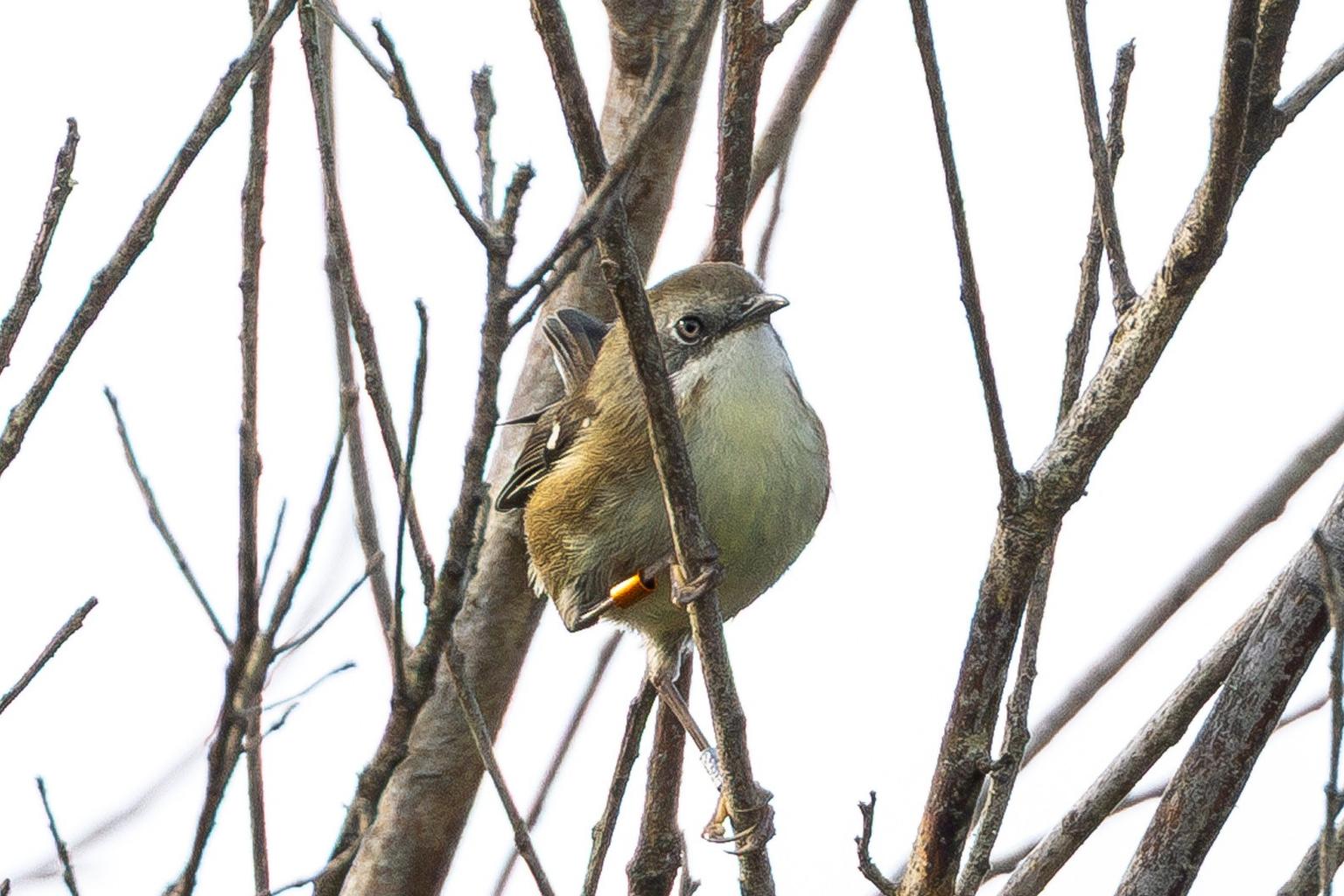
“The white ring around the individual’s eye and the small size, I knew it had to be the King Island Scrubtit.”
AWC’s science team confirmed the identification from two of his photos. The organisation said it made Leue one of only a handful of people to have photographed the bird.
According to AWC senior science communicator Joey Clarke, the record showed the sanctuary protected some of the scarce habitat the bird depended on.
“With such a tiny population of King Island Scrubtits remaining, every skerrick of information is significant,” Clarke said.
Just metres from where he took the photos, Leue found cat paw prints in the sand.
“To photograph such an incredibly rare bird and then, a short distance away, find evidence of an introduced predator that poses a serious threat to the species really brings home just how fragile their future is,” he said.
Cats are one of several threats to the bird, along with habitat loss, inappropriate fire regimes and loss of genetic diversity, Clarke said.
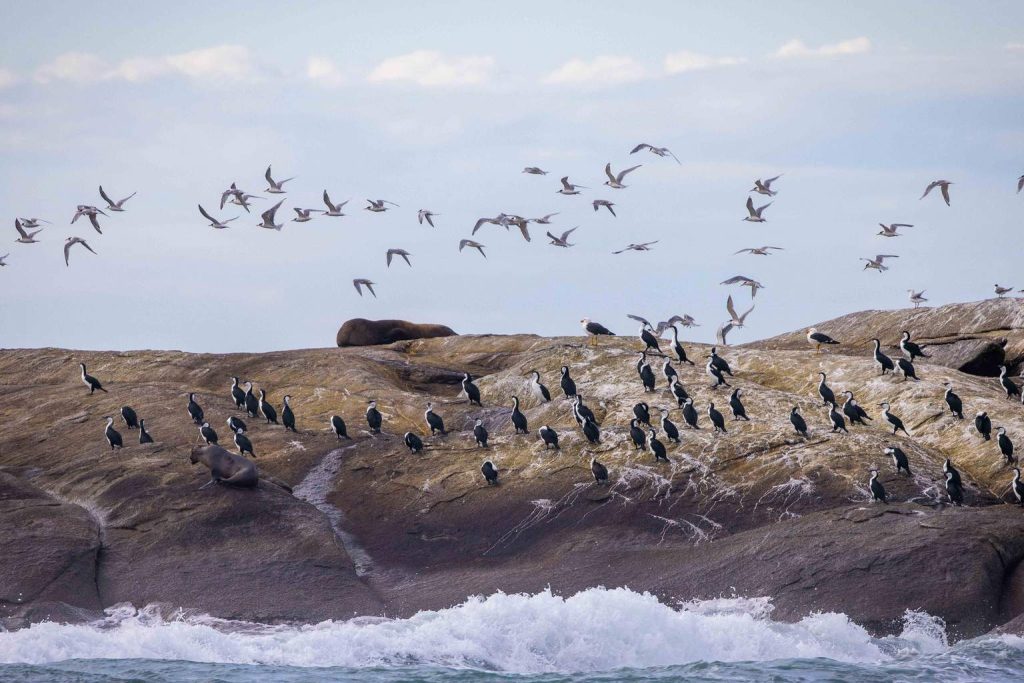
The H5N1 strain of bird flu, which AWC said is causing significant deaths among seabirds and marine mammals on King Island, is a potential threat.
“The King Island Scrubtit is right on the brink of extinction and we’re going to have to focus all our efforts on addressing existing threats to pull them back,” Clarke said.