A 70-year-old Tasmanian man has his colleague and two trained bystanders to thank after they performed CPR when he went into cardiac arrest at work earlier this year.
Norm Reed had arrived early at the Christian Family Centre on February 14 to have breakfast before starting his day.
The last thing he remembers is making a cup of coffee. Moments later he collapsed.
His colleague Ian Wilkinson and two other bystanders called Triple Zero (000) and began chest compressions, keeping him going for about 10 minutes until paramedics arrived.
“It was surreal when Norm fell,” Wilkinson said.
“There was no indication of any problem, then he started making a snoring sound.”
“We all looked at each other and said, ‘we’re going to do this.’”
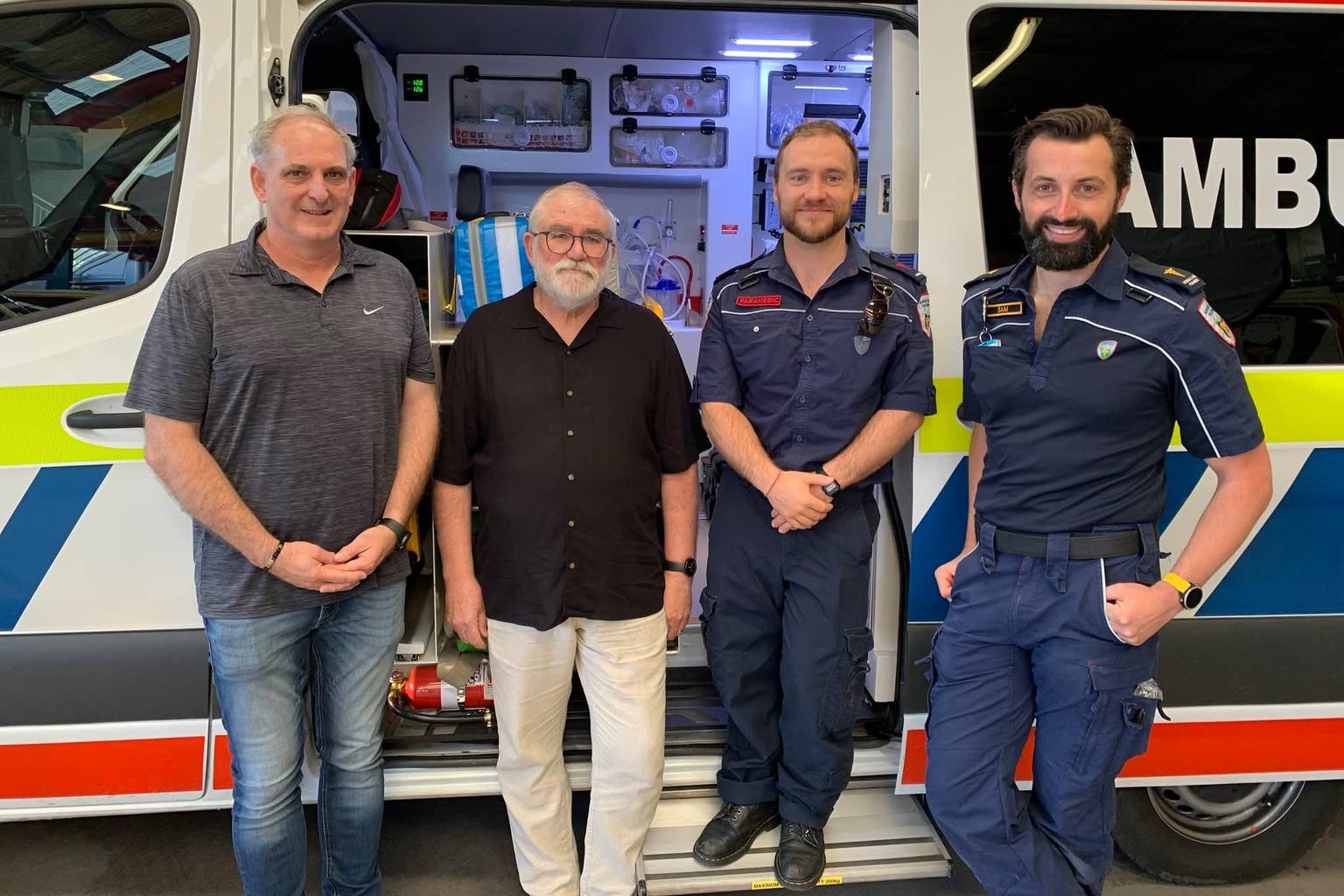
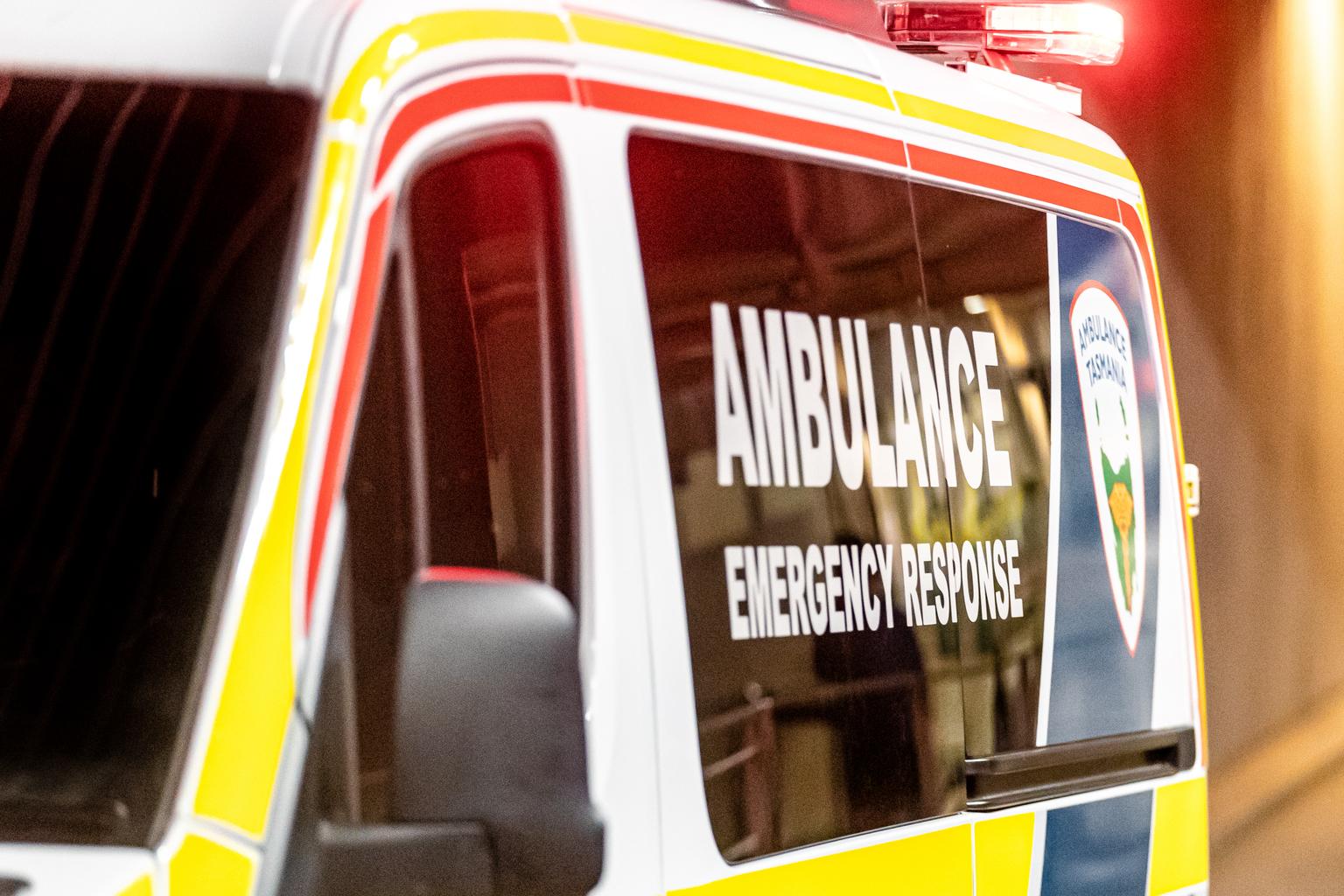
Intensive care paramedic Sam Butler was first on the scene.
He delivered four shocks from a defibrillator and Reed’s heart returned to a normal rhythm.
Within a couple of minutes Reed was alert and talking.
Butler said the outcome showed why immediate bystander action matters, both in calling Triple Zero and starting compressions straight away.
“Every minute CPR is delayed reduces a person’s chance of survival by 10%,” he said.
Nearly two months on, Reed is recovering well.
His biggest frustration is a six-month driving suspension – a minor inconvenience, he says, compared to the alternative.
He has since reunited with the bystanders and paramedics who helped save his life and says the ordeal has strengthened his friendship with Wilkinson.
“There were all these circumstances that came together that day,” Reed said.
“The timing was impeccable. I’m incredibly grateful.”