A test designed at the University of Tasmania that could detect dementia risk decades before memory problems begin has received $2.5 million to accelerate its development.
TasTest is one of seven Australian innovations sharing $15.6 million through the second round of CUREator+ Dementia and Cognitive Decline, funded by the federal government through the Medical Research Future Fund.
The money will pay for further development and testing to turn TasTest from a research tool into a product people can actually buy.
The digital test uses artificial intelligence to analyse hand movements, reaction time, memory, visual processing, speech and language.
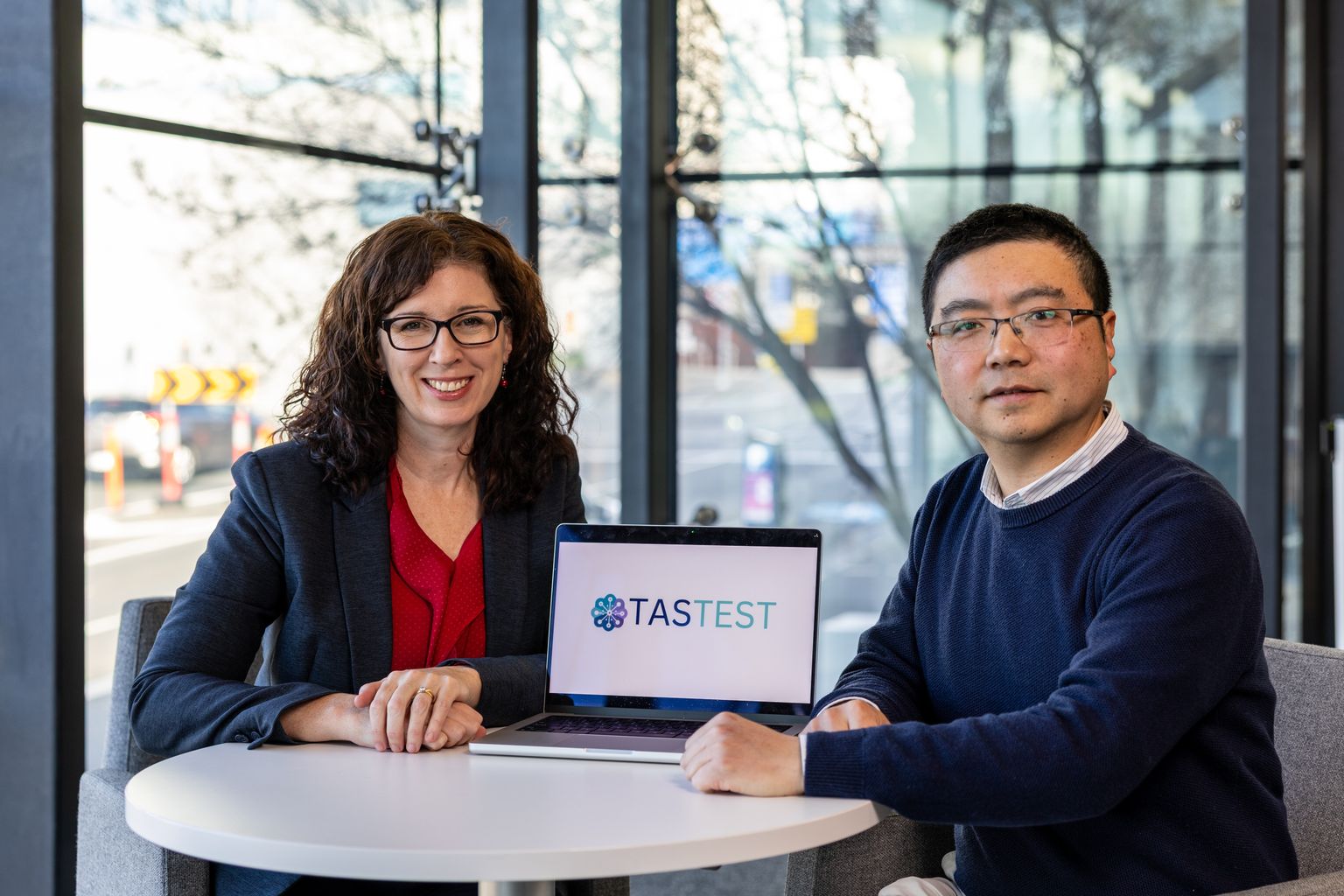
It aims to pick up changes linked to dementia risk 10 to 20 years before thinking and memory symptoms appear, when lifestyle and health changes can make the biggest difference.
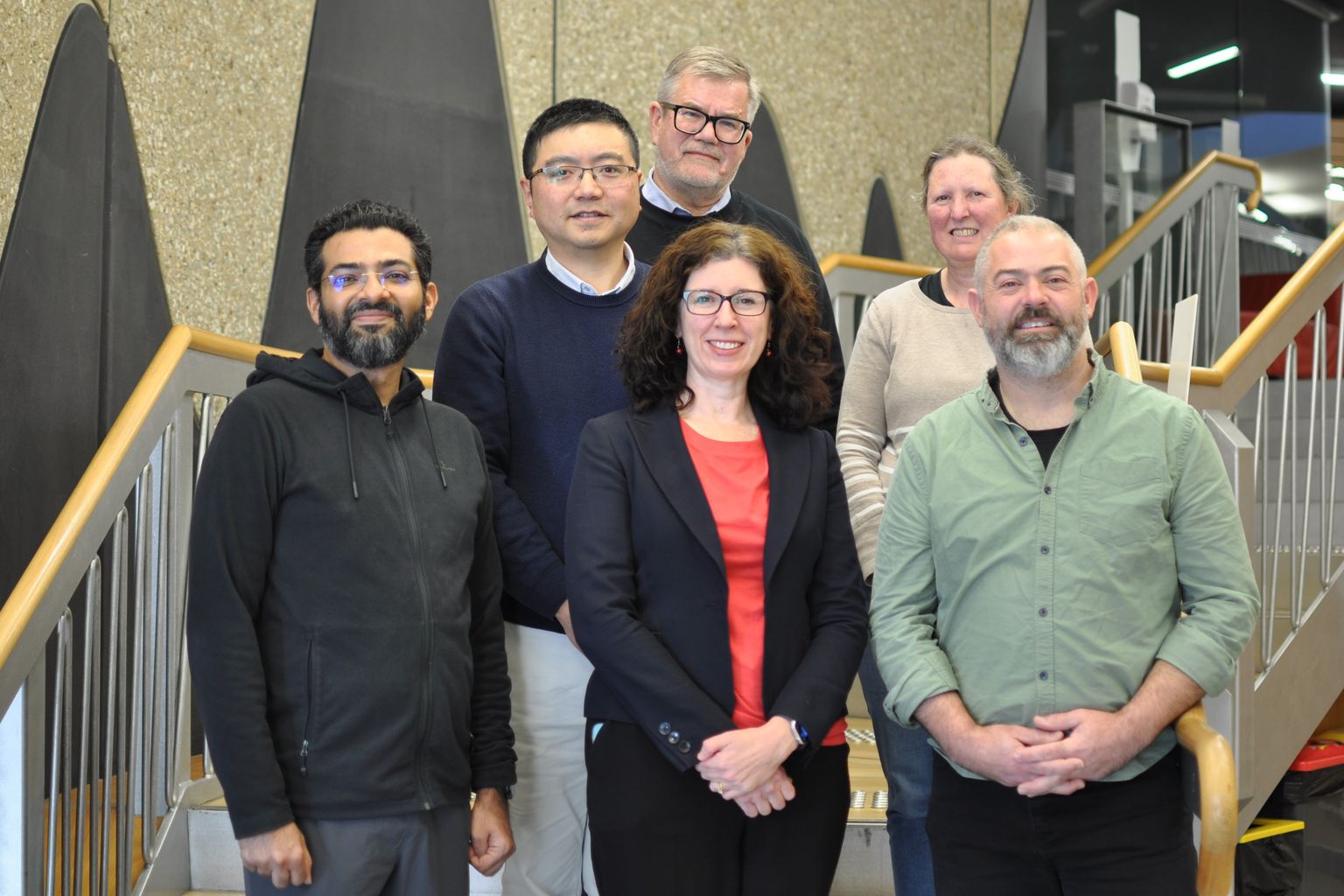
Jane Alty, a professor of neurology at the university’s Wicking Dementia Research and Education Centre, said the funding was a major step forward.

“Changes associated with dementia begin in the brain many years before a person notices problems with their memory. TasTest is designed to detect subtle movement changes during this period,” Alty said.
“The greatest opportunity in dementia is prevention.”
“With evidence suggesting that up to 45% of cases may be preventable or delayed, identifying risk decades before symptoms develop could transform how we protect brain health.”
Alty said the money would build on more than six years of research and bring TasTest closer to being a test people could take at their GP or at home.
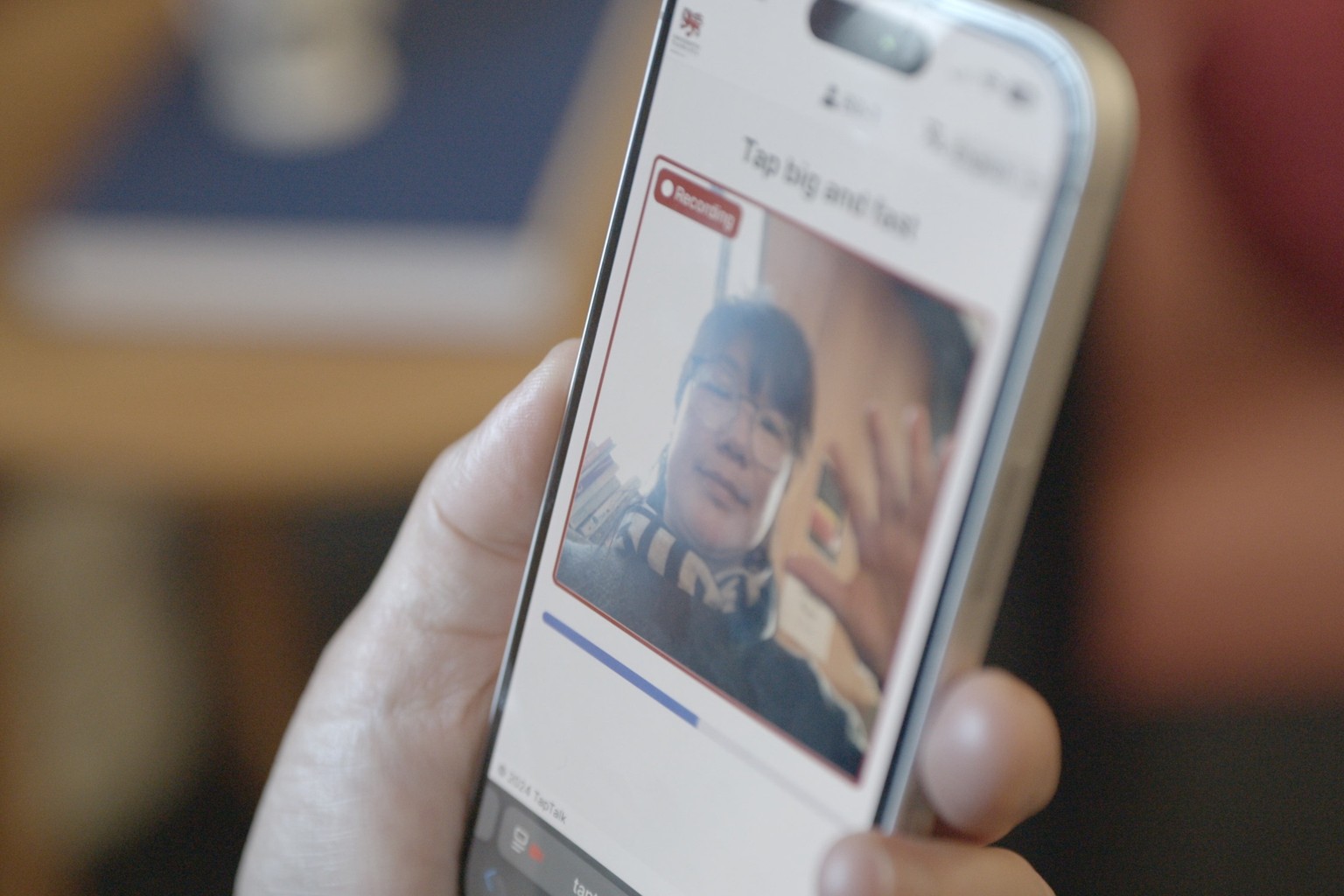
More than 5,000 people in Tasmania and interstate have helped develop and test it, including around 2,000 who have done the assessment every year for the past six years.
Associate Professor Quan Bai, from the School of Information and Communication Technology, said the technology was built to work alongside doctors, not replace them.
“This technology is not intended to replace doctors or provide a diagnosis. It provides doctors with objective information to support clinical decision-making and identify people who may need further assessment or focused risk modification,” Bai said.
TasTest is also a finalist in the 2026 Australian Museum Eureka Prize for Excellence in Interdisciplinary Scientific Research.
The funding was announced during Dementia Action Week.