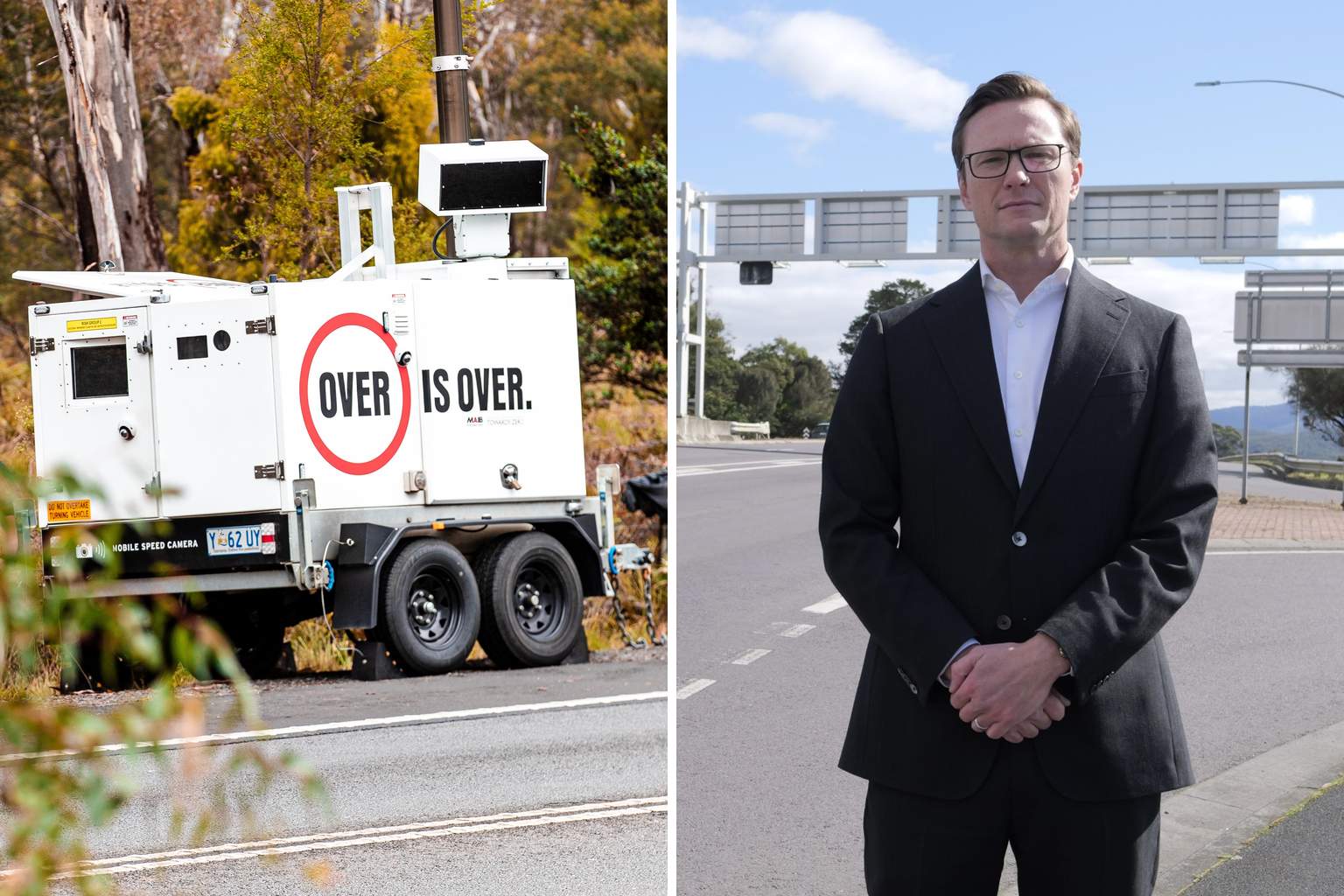
The RACT has called for all revenue from speed cameras to be spent on road safety, saying the state’s 10-year ‘Towards Zero’ road safety strategy has failed.
The strategy aimed to cut the number of people killed or seriously injured on Tasmanian roads to fewer than 200 a year by 2026.
RACT Group chief executive Mark Mugnaioni said there were 325 deaths and serious injuries last year.
“Despite good intentions, the unavoidable truth is the strategy failed,” he said.

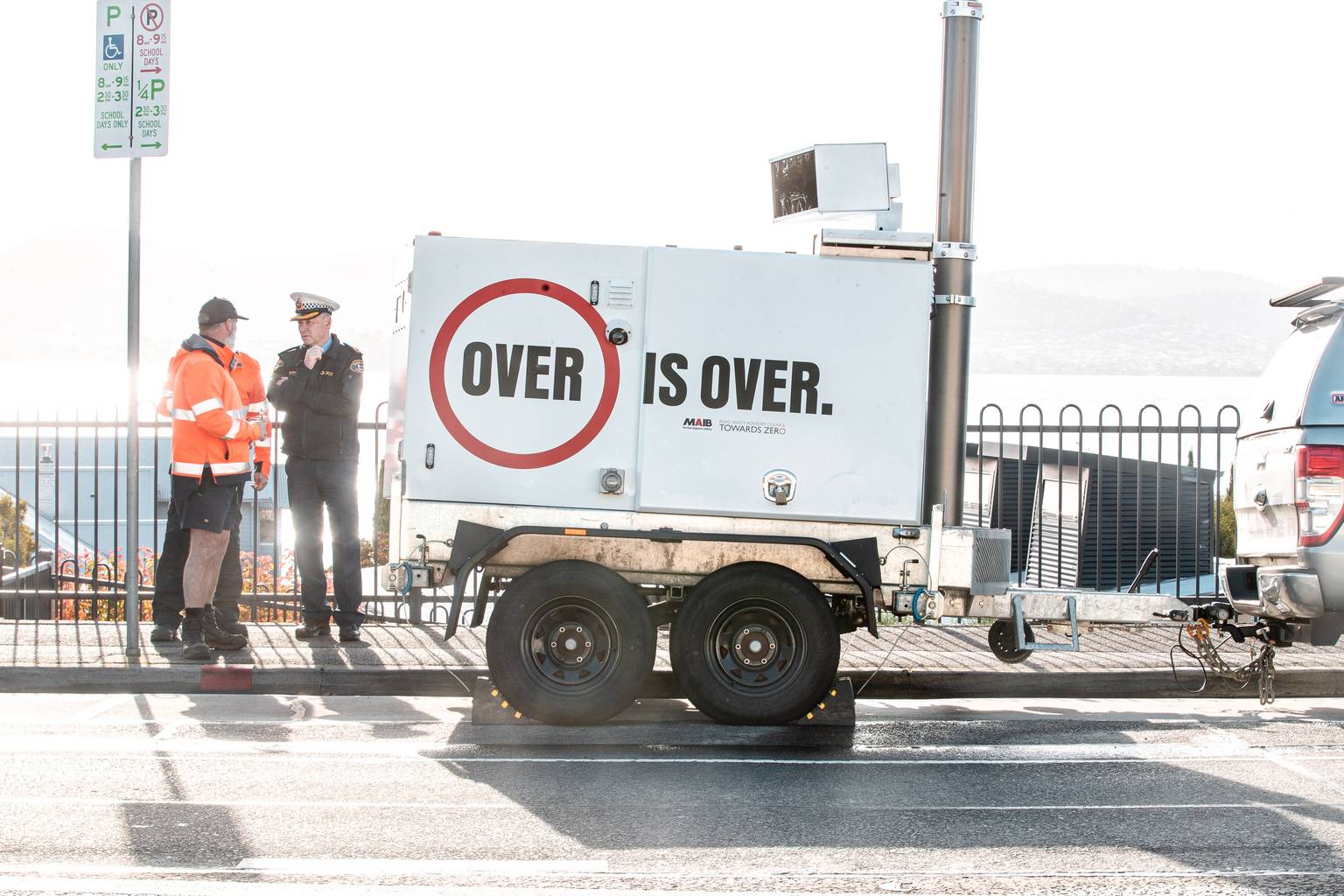
In its submission to the state’s next road safety strategy, the RACT called for more automated road safety cameras, with longer deployment hours and coverage of high-risk roads.
It wants legislation requiring 100% of revenue from camera-detected offences to be spent on road safety, including education, research and infrastructure.

Mugnaioni said all fine revenue currently went into consolidated revenue and that Tasmania was the only state that did not direct it to road safety.
“We know that if people are aware that their enforcement revenue is going directly to road safety, it takes a significant amount of the sting out of receiving one of those fines in the mail,” he said.
He said more than 80% of RACT members supported automated speed cameras and 95% supported fine revenue being reinvested in road safety.
The RACT has called on the government to form an independent taskforce to review the state’s approach.
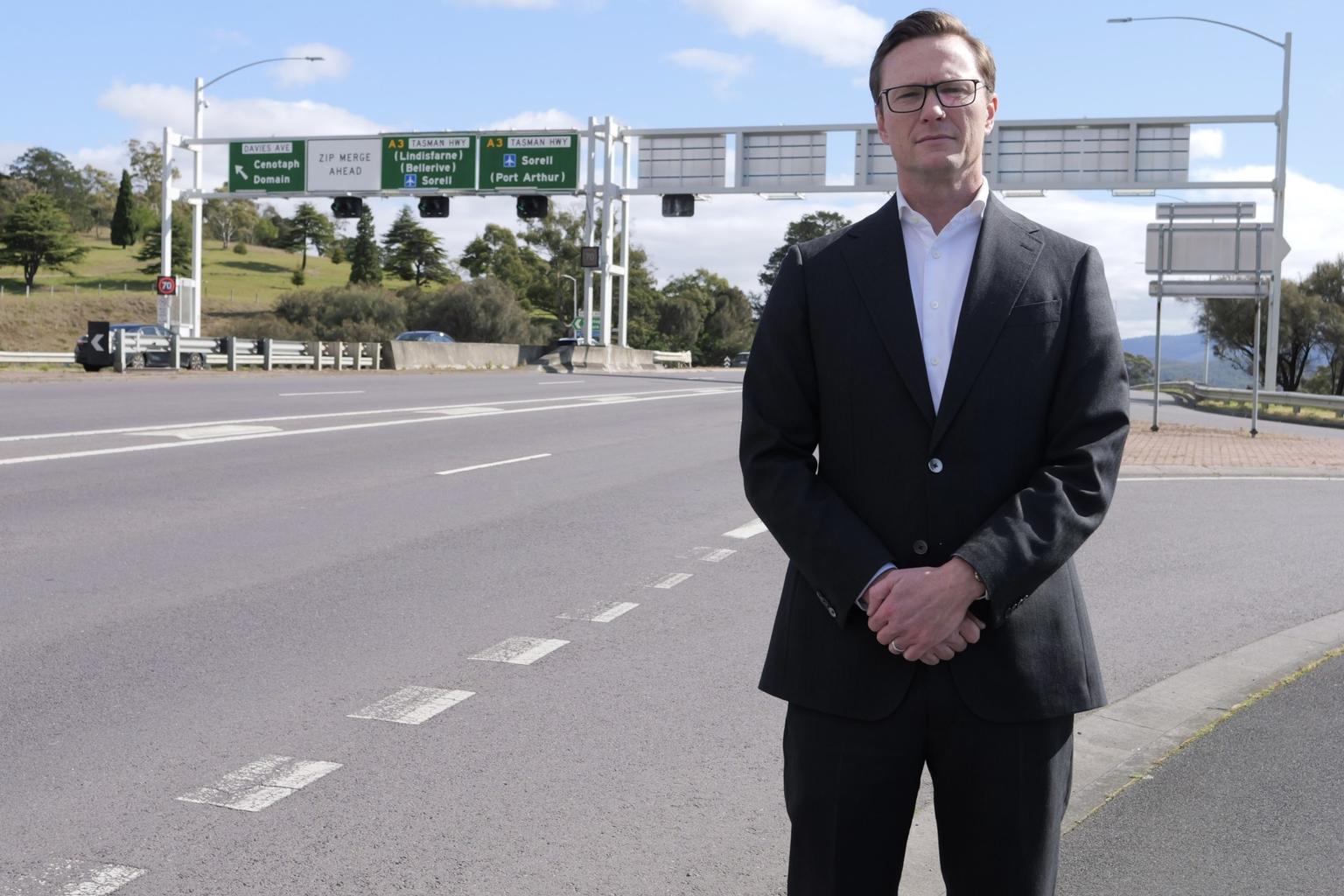
Its submission also calls for lower speed limits on roads that are not safe for current limits and for 10-year plans for every major road corridor.
It identified the Bass Highway as the next priority for major upgrades, after the Midland Highway program is completed.
“The Bass Highway is by far and away the road corridor that attracts the most criticism from our members,” Mugnaioni said.
He said more than 300 deaths and serious injuries a year would cause an outcry in any other walk of life.
“If we were seeing 300 deaths in workplaces, if we were seeing 300 deaths through plane crashes, it would be completely unacceptable,” he said.
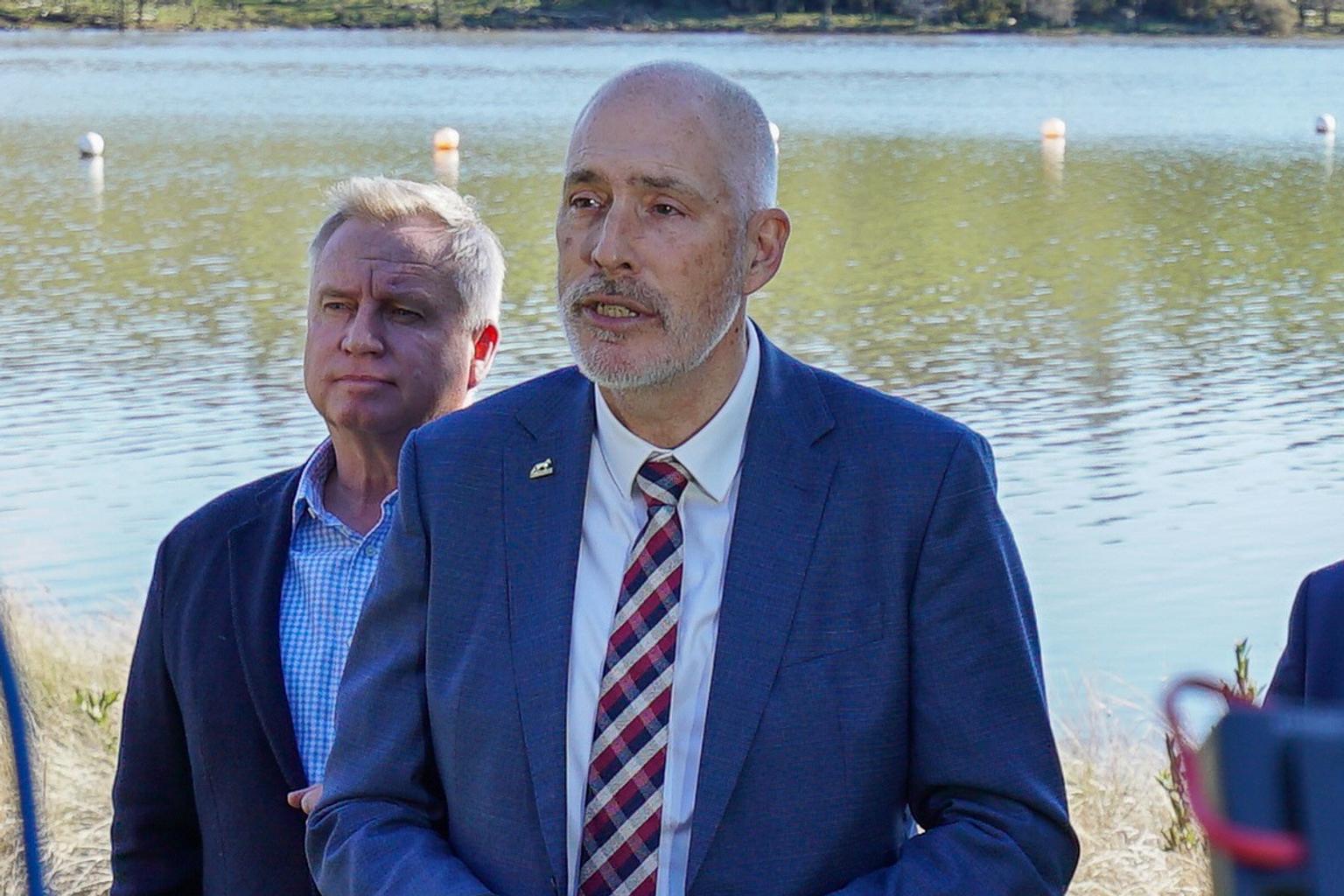
Government minister Nick Duigan said the government spent nearly half a billion dollars a year on roads.
Asked about redirecting speed camera revenue, he said: “I don’t know that that necessarily moves the dial.”
Duigan said roads and cars were getting safer, but the road toll was not coming down to match.
“It’s about people on the roads and we’d encourage everybody just to take a breath and get there safely,” he said.
He said the government’s draft road safety strategy was open for public consultation.