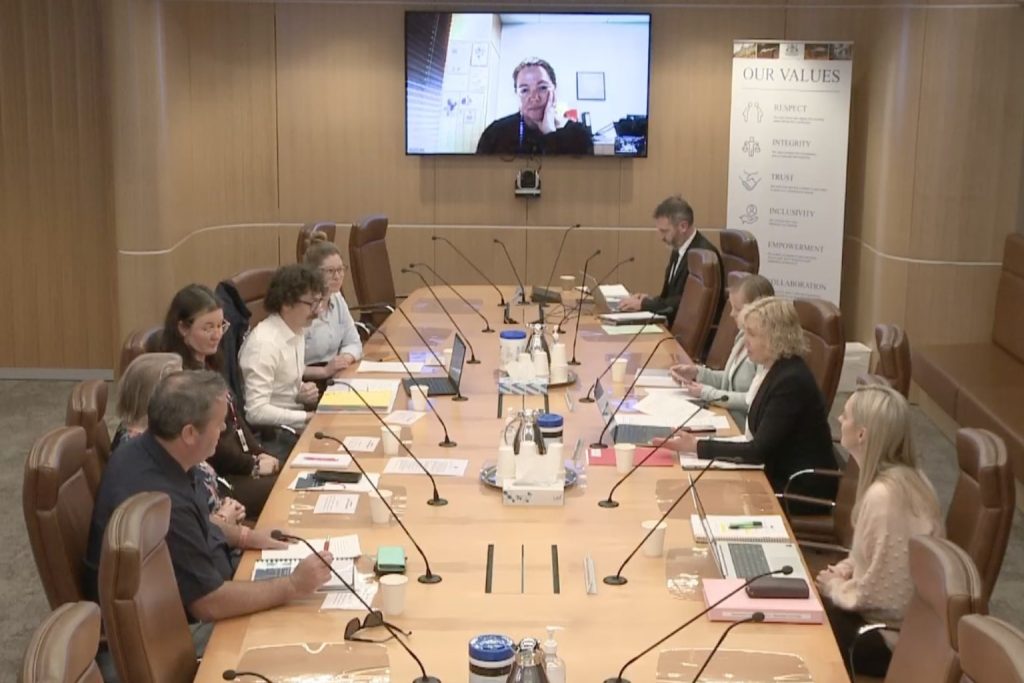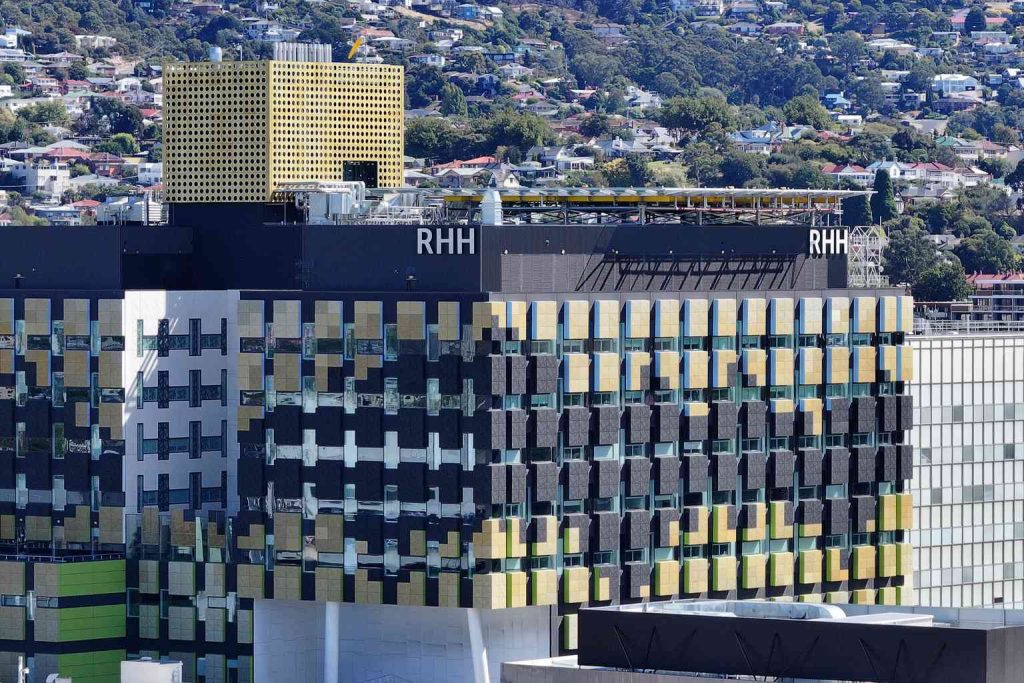
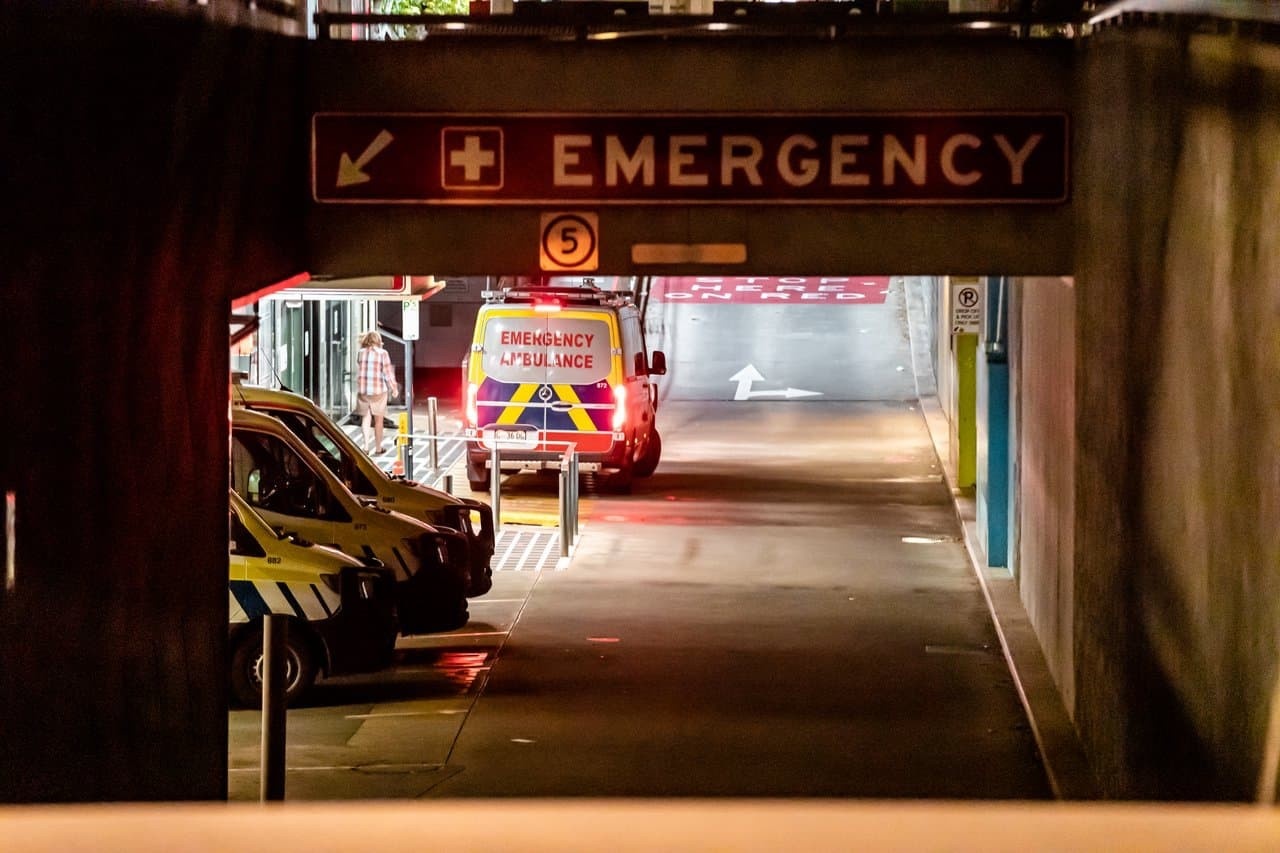
Fewer than half of the most urgent patients at the Royal Hobart Hospital emergency department were seen within clinically recommended timeframes on most days last week.
Figures from the Department of Health’s rolling dashboard show fewer than 50% of category two patients – those with imminently life-threatening conditions – were seen on time on five of the seven days.
The figure fell to 33% on Monday, July 13, before reaching 60% on Tuesday, July 14.
Across all triage categories, an average of 31% of patients were seen within the recommended timeframes during the week.
The daily result ranged from 24% on Tuesday, July 14, to 51% on Friday, July 17.
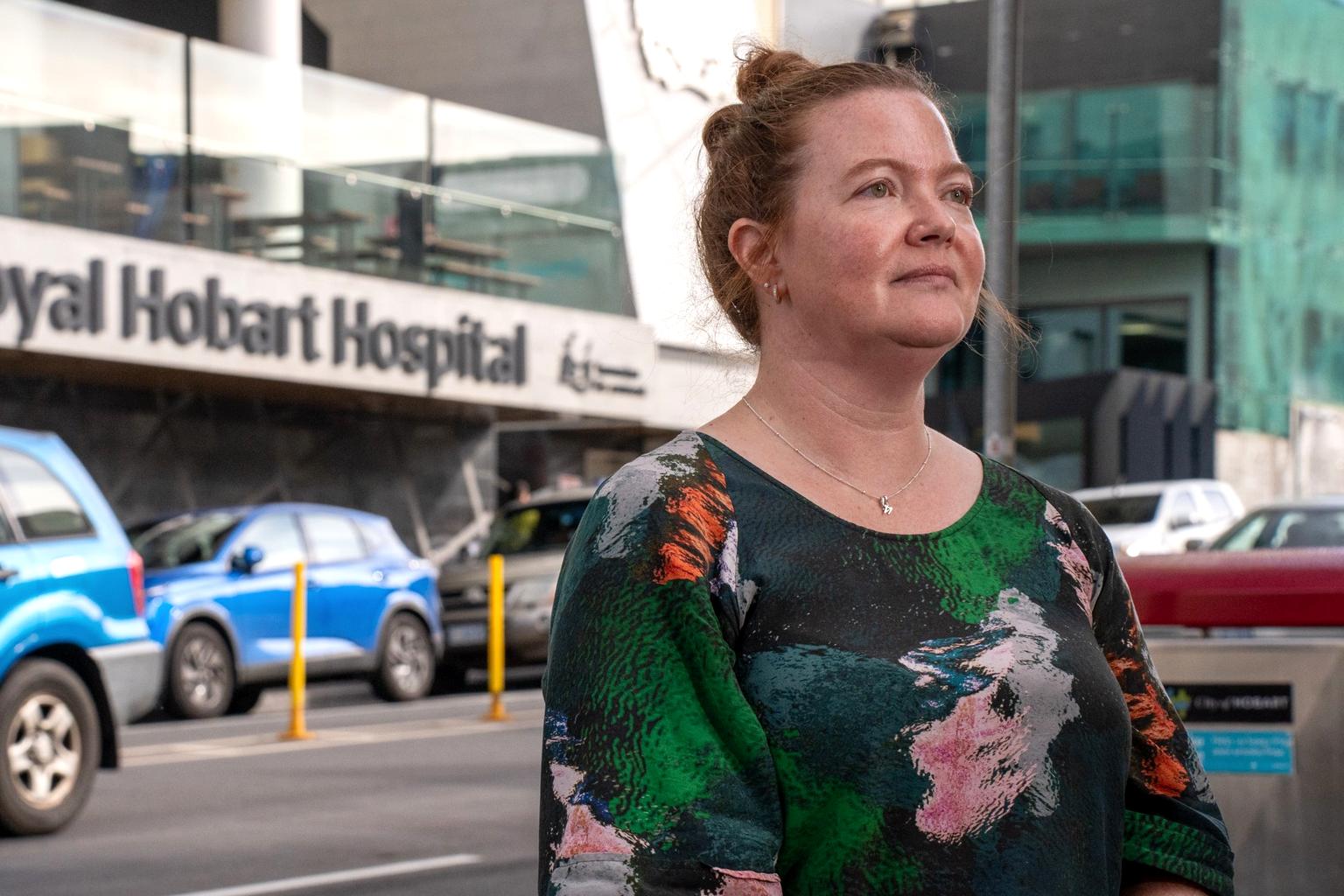
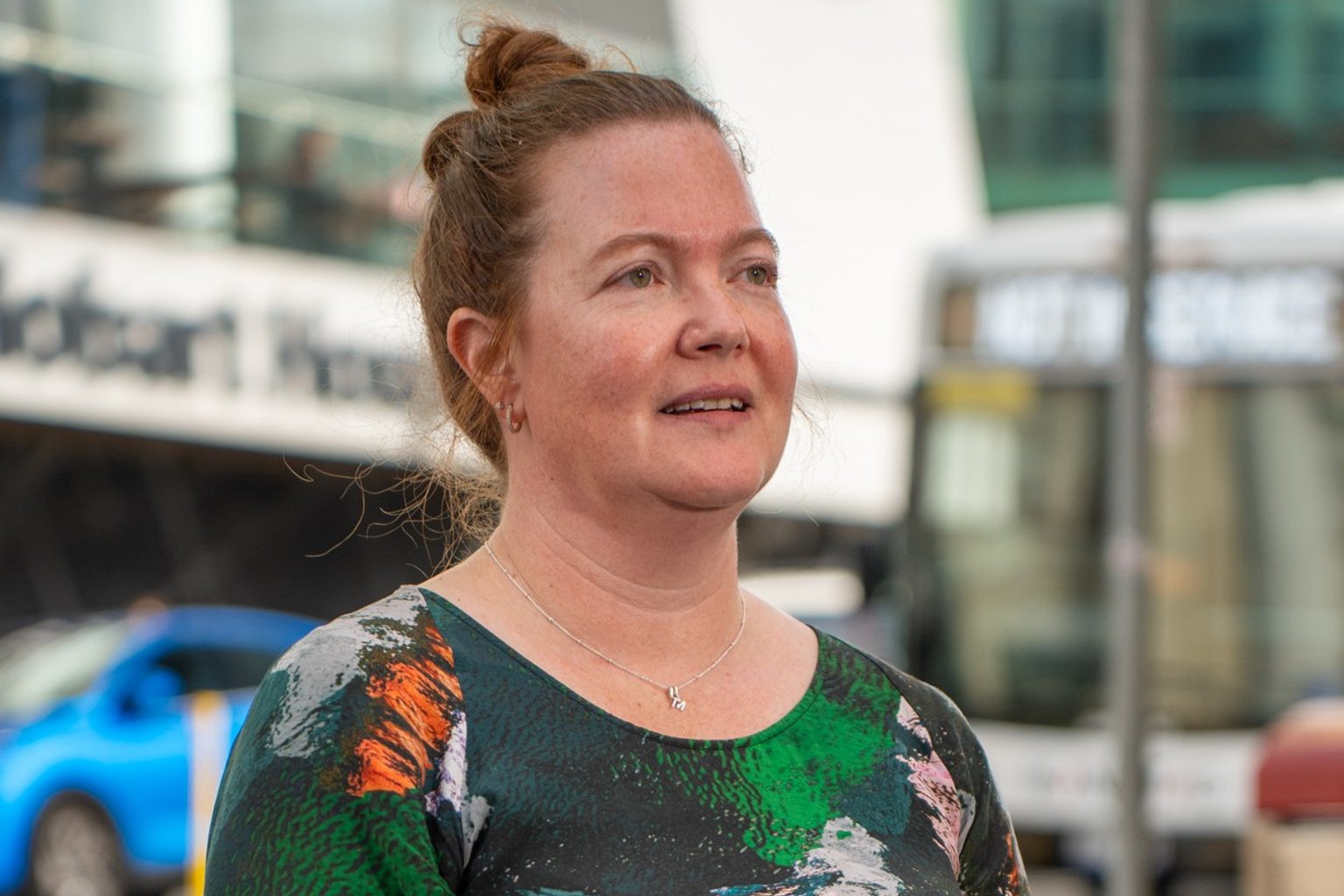
Labor MP and shadow health minister Sarah Lovell said the figures showed a system under significant pressure.
She said demand was growing because of an ageing population and high rates of chronic disease, while resources had failed to keep pace.
Lovell said the results reflected the government’s management of the system, not the performance of healthcare workers.
“There’s been a lot of attention on the Launceston General Hospital emergency department over the last couple of weeks and we’ve seen that hospital in a real state of crisis,” she said.
“But the situation is just as bad, if not worse, down south at the Royal Hobart Hospital.”
Lovell said the state government needed a whole-of-system plan, rather than relying on “band-aid solutions on one hand and cuts on the other”.
“There is no doubt that we are spending a lot of money on the health system,” she said.
“We know this takes up more out of the budget than any other single portfolio and there’s no doubt that we can spend that money more wisely.”
“What we need to see from the government is a plan for the system, as a whole, bringing all of the funding partners together, all of the public and private partnerships that are in place, working out how we can make this system work for Tasmania.”

Health Minister Bridget Archer said the figures fluctuated with demand, particularly during winter.
She said some people presenting to emergency departments had less urgent conditions that could be treated by a GP or at an urgent care clinic.
“If you need to attend an emergency department or if you call an ambulance, you will be seen,” she said.
“You will be triaged according to your clinical need.”