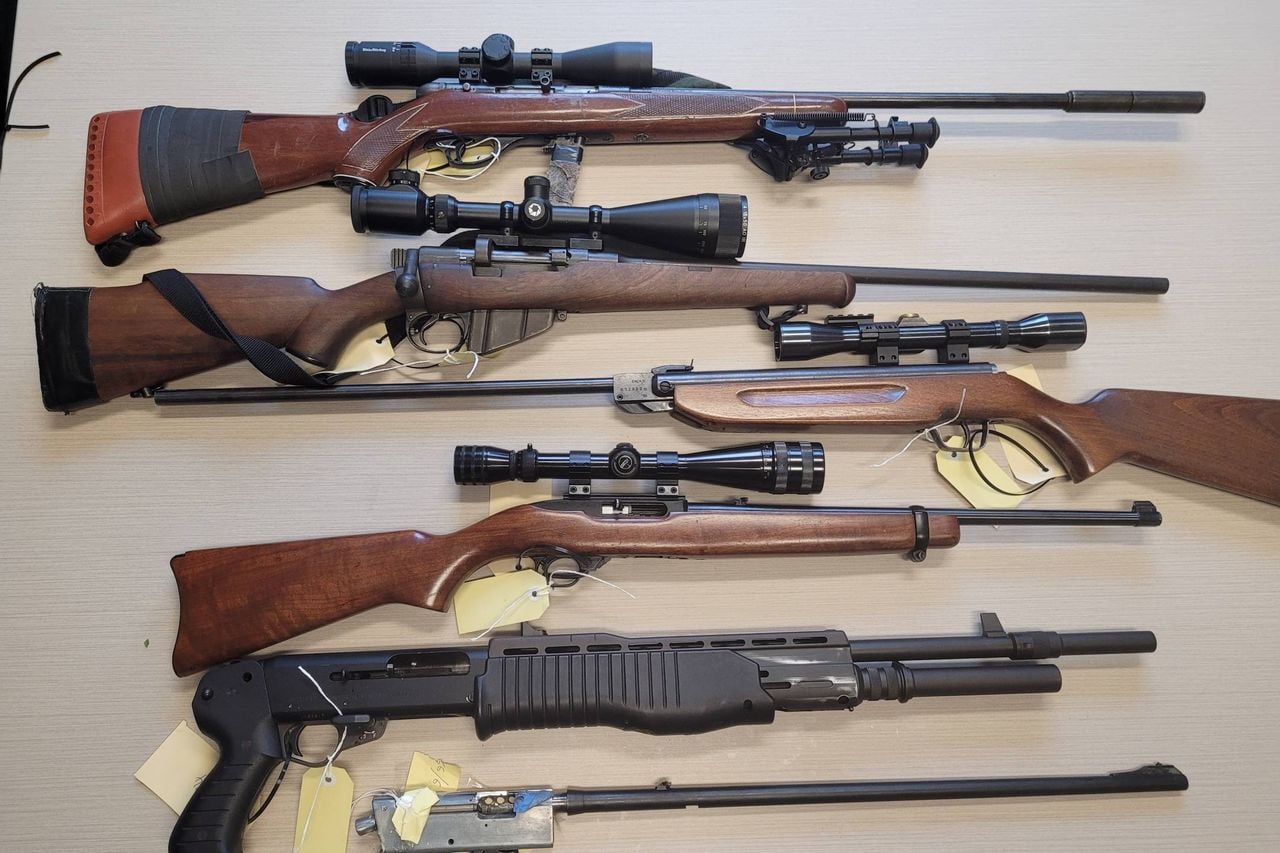
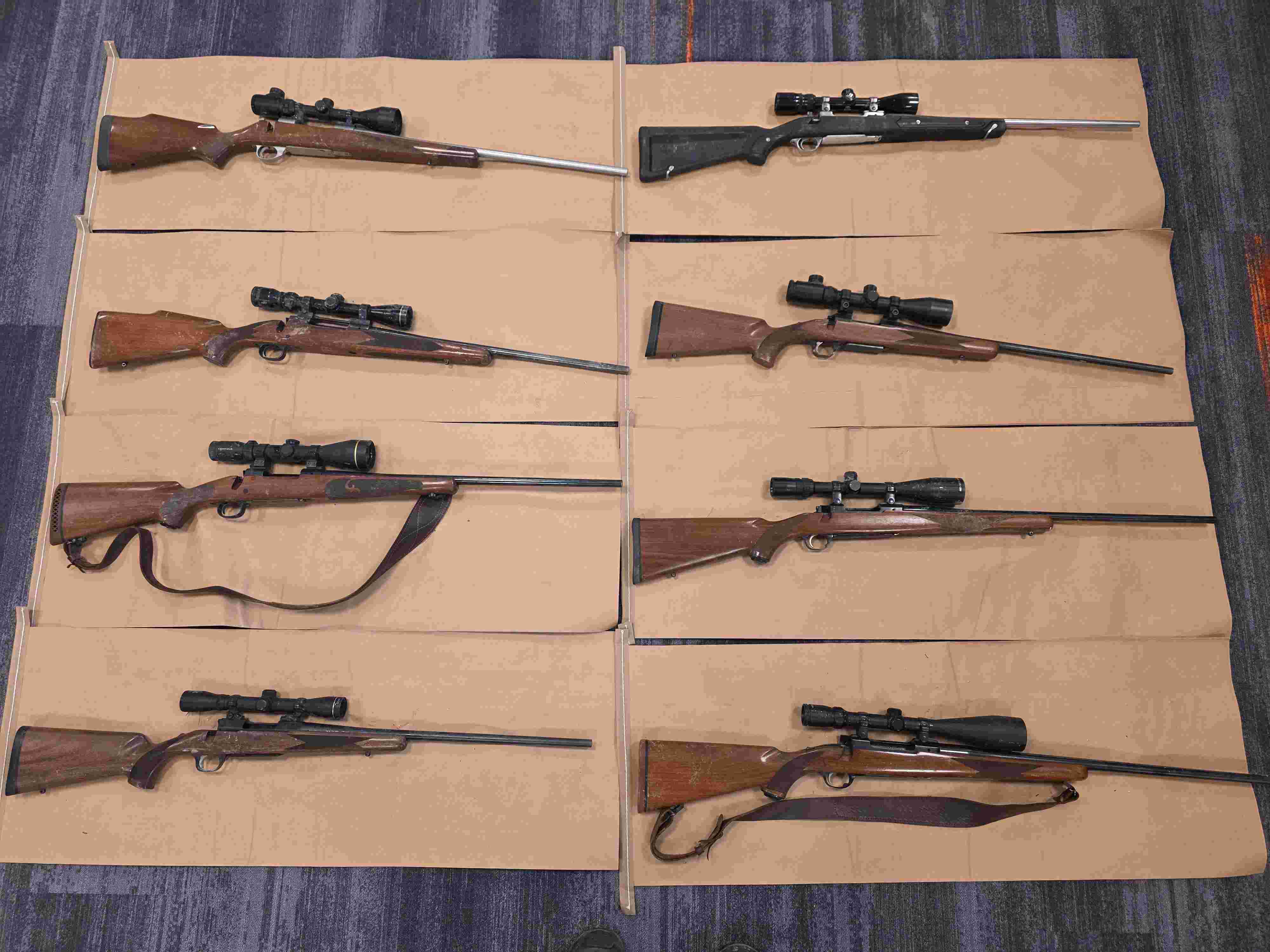
Anyone who steals a firearm in Tasmania would face a mandatory jail term under an overhaul of the state’s gun laws released for public consultation today.
The legislation includes a three-month minimum mandatory sentence for stealing a firearm or being caught with a stolen one.
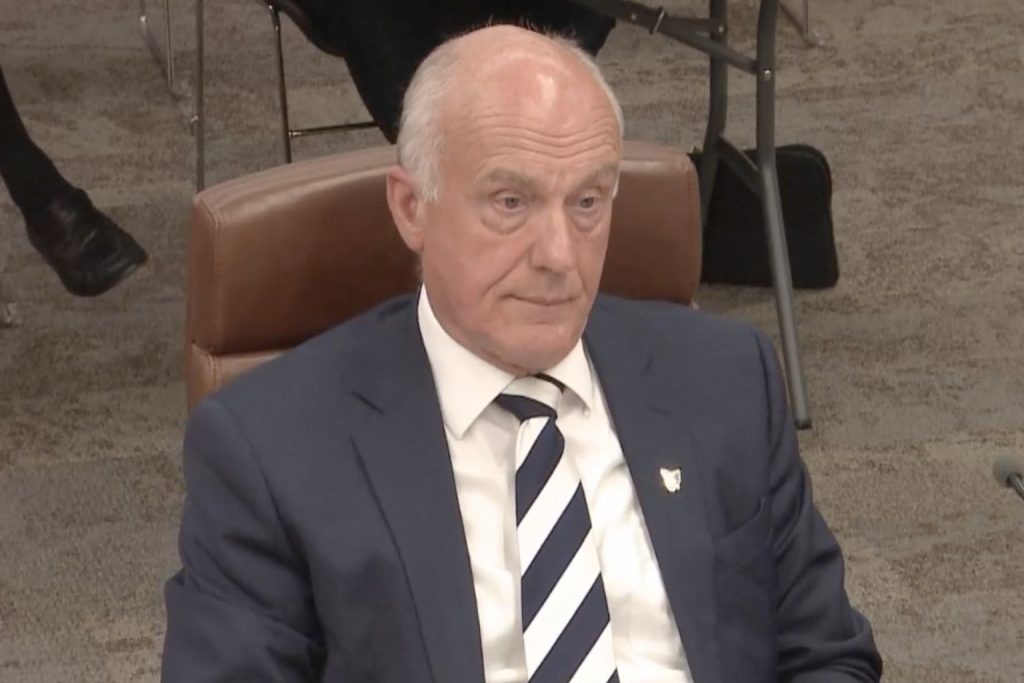
Police Minister Felix Ellis said criminals who targeted guns should expect prison.
“That’s where these people should be, because every firearm that’s in the hands of a criminal or a terrorist is a risk to our community,” he said.
“It’s also a risk to good law-abiding firearms owners who do so much to ensure that their possessions are kept safe.”
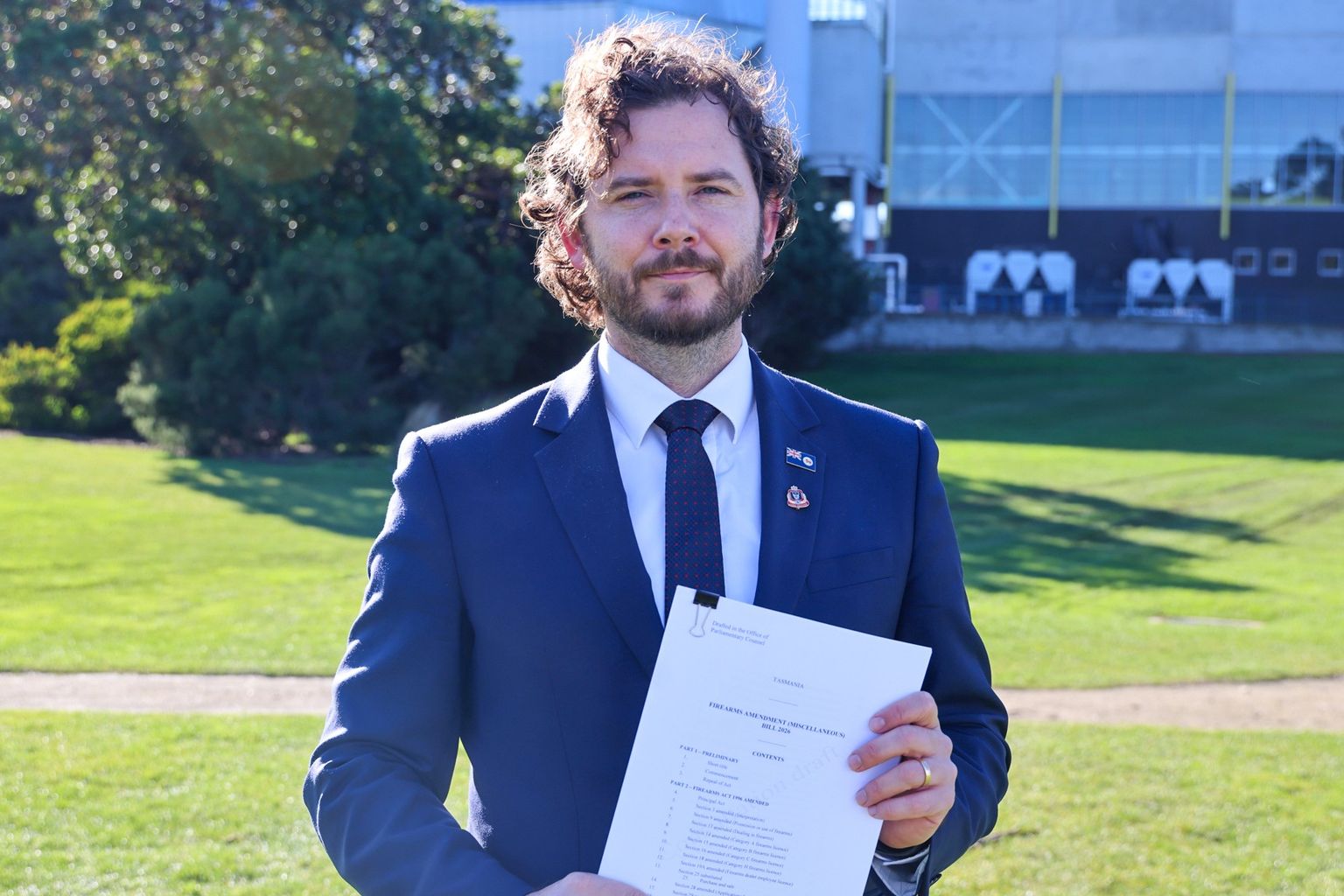
Ellis said stealing a gun carried far greater ramifications than other types of theft.
“It’s not like stealing a flat screen TV,” he said. “It puts people’s lives at risk and it helps to fuel and empower organised crime in Tasmania and other jurisdictions as well.”
The changes are part of the Firearms Amendment (Miscellaneous) Bill 2026, which the government put out for consultation on Friday.
People have until August 7 to have their say.
The bill also lifts the maximum penalty for possessing a stolen gun from 100 to 300 penalty units and adds a possible jail term of up to five years.
Police will be able to inspect any firearm on request, not just those held by the registered owner.
Much of the bill prepares Tasmania for the National Firearms Register, which will allow police across the country to share licence and firearm details in near real time.
The register was agreed to by governments in 2023, following the December 2022 Wieambilla murders in Queensland. It is expected to be operating by mid-2028.
To support it, gun owners will have to tell police at least 24 hours before they change address or store a firearm somewhere new. The current window is 14 days.
A further set of changes will reclassify certain straight-pull and lever-release rifles and shotguns into the more restrictive Category C licence, generally held by primary producers.
The bill also makes Australian citizenship a default requirement for a firearms licence, with exemptions for New Zealand citizens in defined roles such as farming.
Both measures depend on Tasmania’s own firearms buyback, which is offering 1.5 times market value for reclassified guns.
The bill does not cap how many guns a person can own, despite Police Commissioner Donna Adams urging the government to include one. Ellis defended the decision.
“It’s not the number of firearms, it’s the hands that they’re in,” he said.
“One hundred firearms in the hands of one of our farmers is far safer than one firearm in the hands of a terrorist or a criminal.”
Labor MP and shadow police minister Jen Butler said too many guns were being left in the community.

“We remain concerned that, at a time when it seems like there’s a shooting or a gun theft in the news every other week, Premier Rockliff and the Liberals want unlimited guns in the community,” she said.
“Labor does not support that and Tasmanians don’t support that either.”
Butler said Labor would push for practical reforms that respected the “legitimate needs” of primary producers, sports shooters and recreational hunters.
Nationally, the future of a Commonwealth-backed buyback announced after the Bondi attack remains uncertain.
The deadline for states to join expired this week, with Tasmania, Queensland, South Australia, Victoria and the Northern Territory not signing on over a proposed 50-50 funding split.
Only New South Wales and the ACT remain signed on. Western Australia is running its own scheme.
The bill will go to parliament in the spring session.