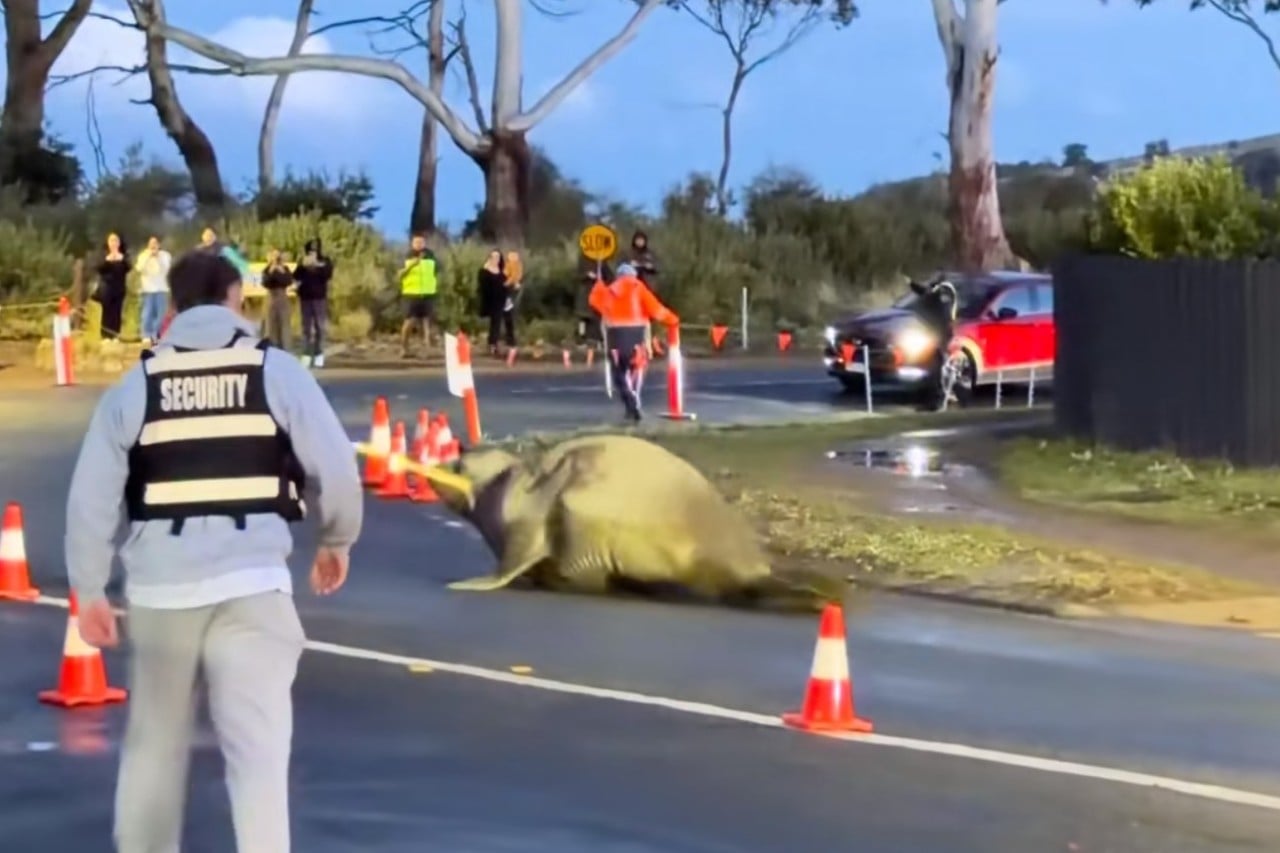
Almost 5,000 people have signed a petition urging authorities to rule out euthanising Neil the seal, after a wildlife official warned it could not be taken off the table.
The Change.org petition has attracted more than 4,600 signatures in the 24 hours since it went live on Thursday afternoon.
It calls on the state government to guarantee a non-lethal management plan for the elephant seal, who returns to Tasmania’s south-east beaches each year to moult.
The petition calls for restricted access zones around Neil and fines for anyone who disturbs him, saying euthanasia should never be considered.
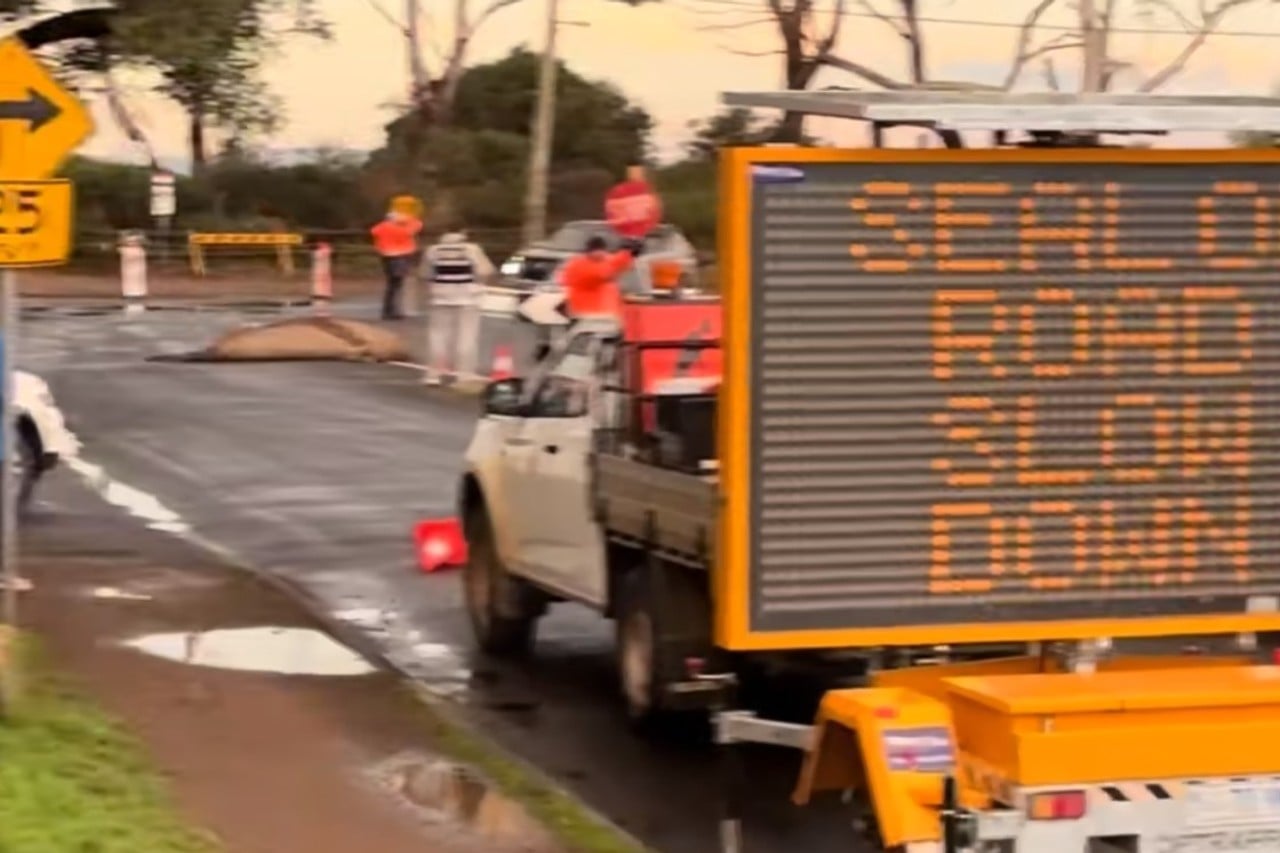
“Euthanasia is an irreversible action that must be completely ruled out,” it reads.
“For the people living in coastal towns across Tasmania, Neil the elephant seal is more than just a viral internet trend or a holiday photo opportunity.”
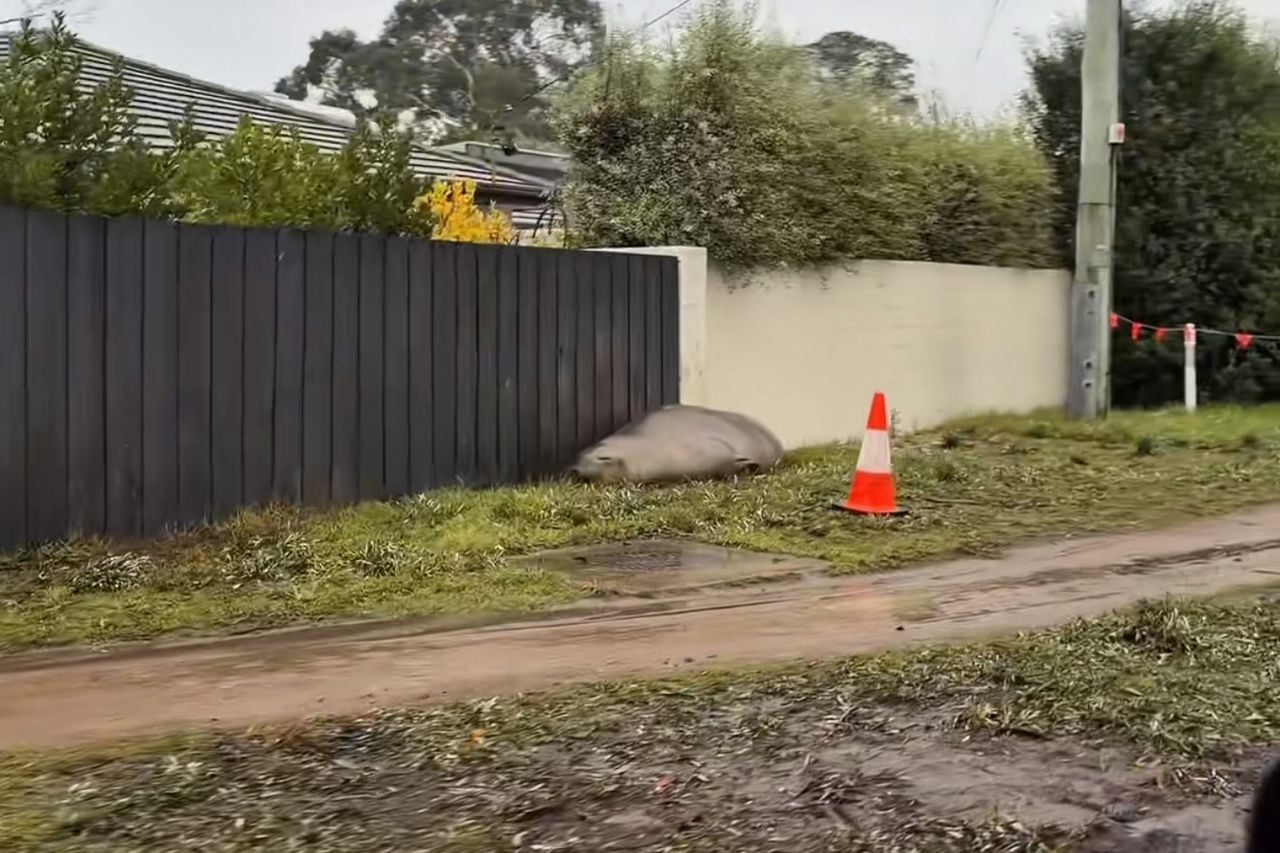
The petition says the zones would not close beaches or towns, but would create small “safety bubbles” wherever Neil is resting.
It says main roads should stay open, with only parking and driving near the seal restricted, so locals can still get past.
The petition follows a briefing on Thursday, where Department of Natural Resources and Environment wildlife biologist Kris Carlyon spoke about the risks to Neil.
He said the attention on the seal had become a double-edged sword.
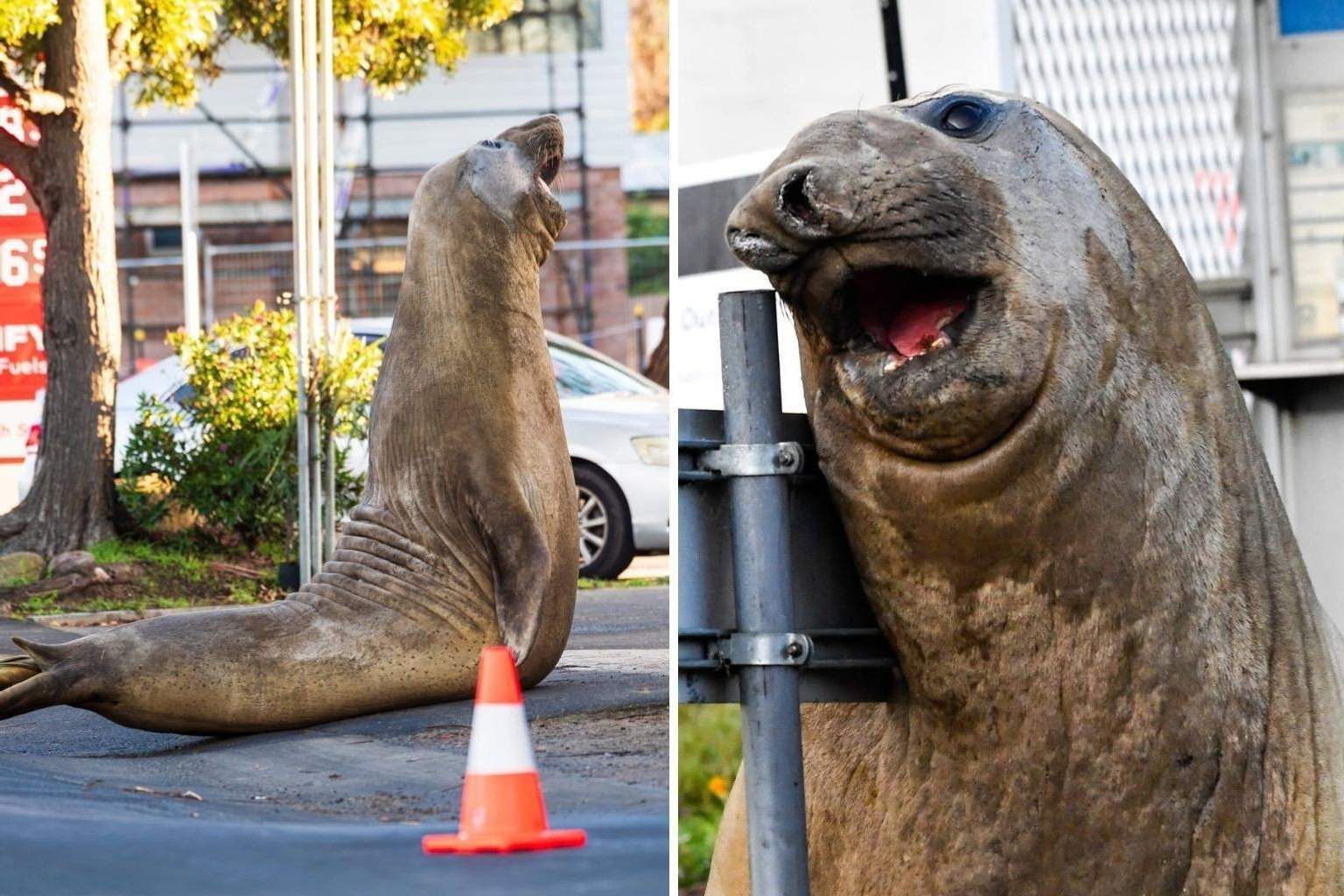
“There is a risk here of essentially loving Neil to death,” Carlyon said.
“We’ve seen examples around the world where large, potentially dangerous animals have had to be euthanised if this risky behaviour by the public results in an unmanageable safety concern.”
“That’s not our preferred management approach, but we need to be honest and acknowledge the fact that that is where this could go if people don’t give him the respect he needs.”
Neil was born in south-east Tasmania in 2020 and now weighs about 1,000 kilograms. Carlyon said he could one day reach about three tonnes.
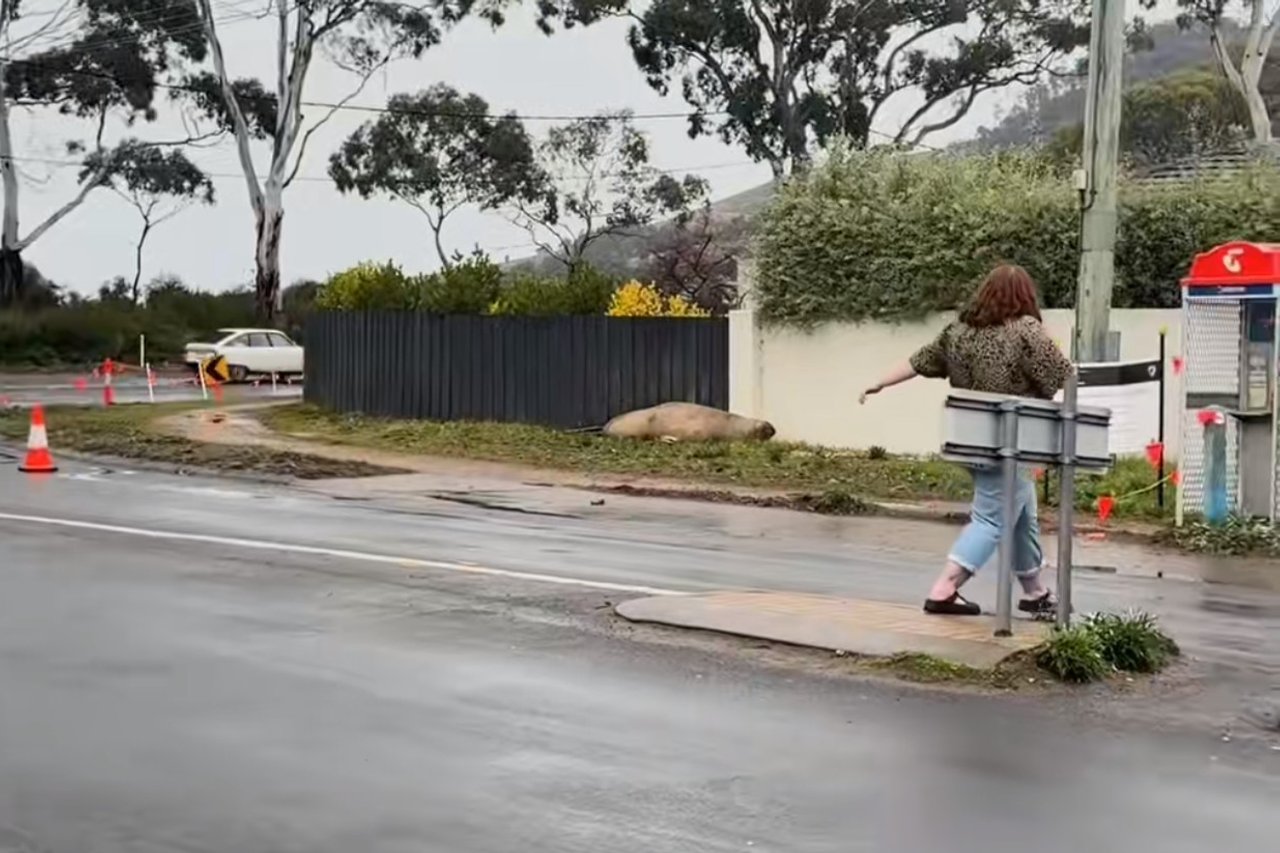
He said some people were behaving dangerously to get close to the seal.
“We have had some pretty silly behaviour instances with people carrying their small babies up close to him and simply trying to get that shot for Instagram,” Carlyon said.
He said the department preferred to leave Neil alone, with relocation by sedation considered a “risky” last resort.
Carlyon said penalties already applied for disturbing native wildlife and people were asked to stay at least 20 metres away from Neil.