Susan Neill-Fraser has spoken publicly for the first time since a parole condition that stopped her talking to the media about her case was declared invalid.
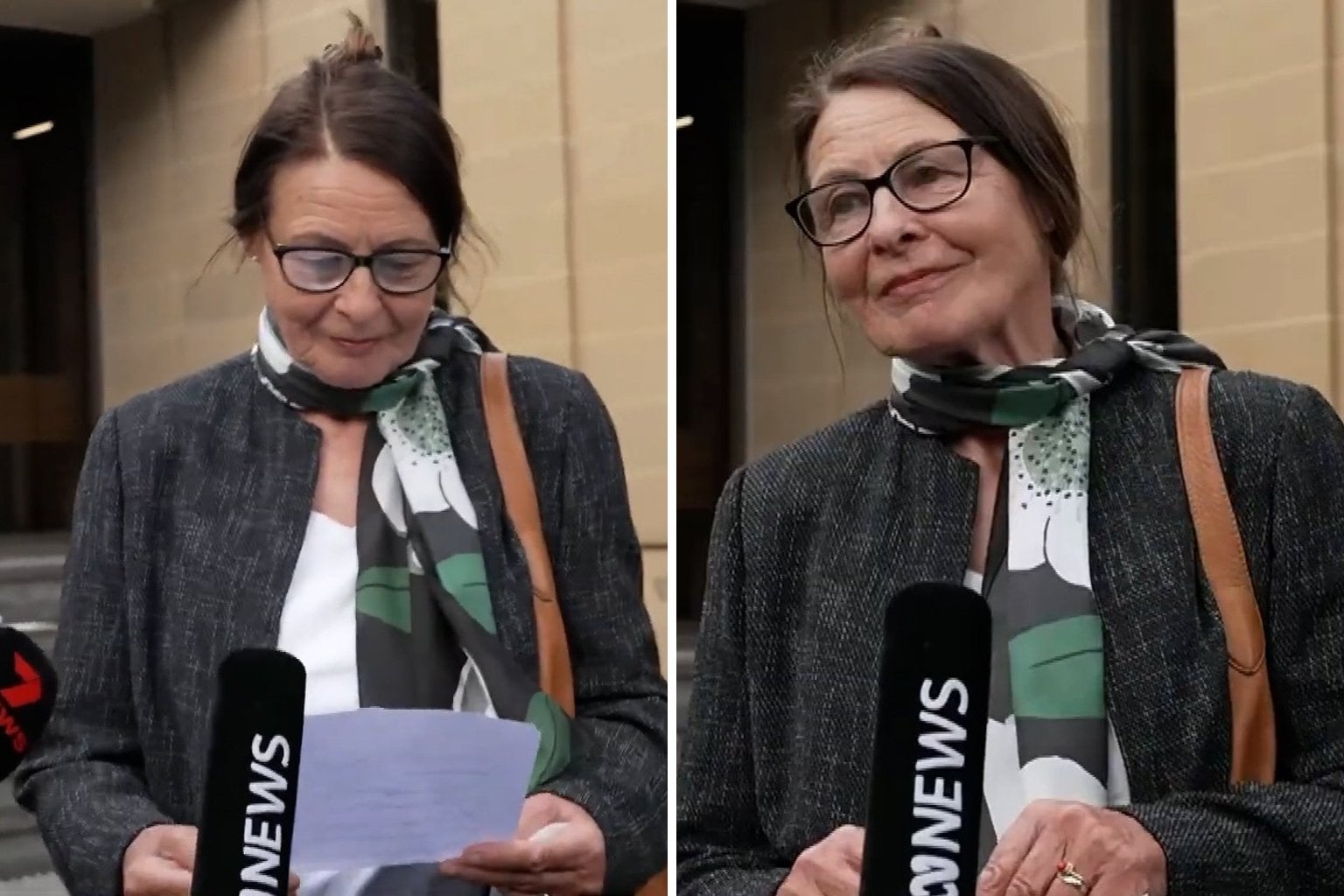
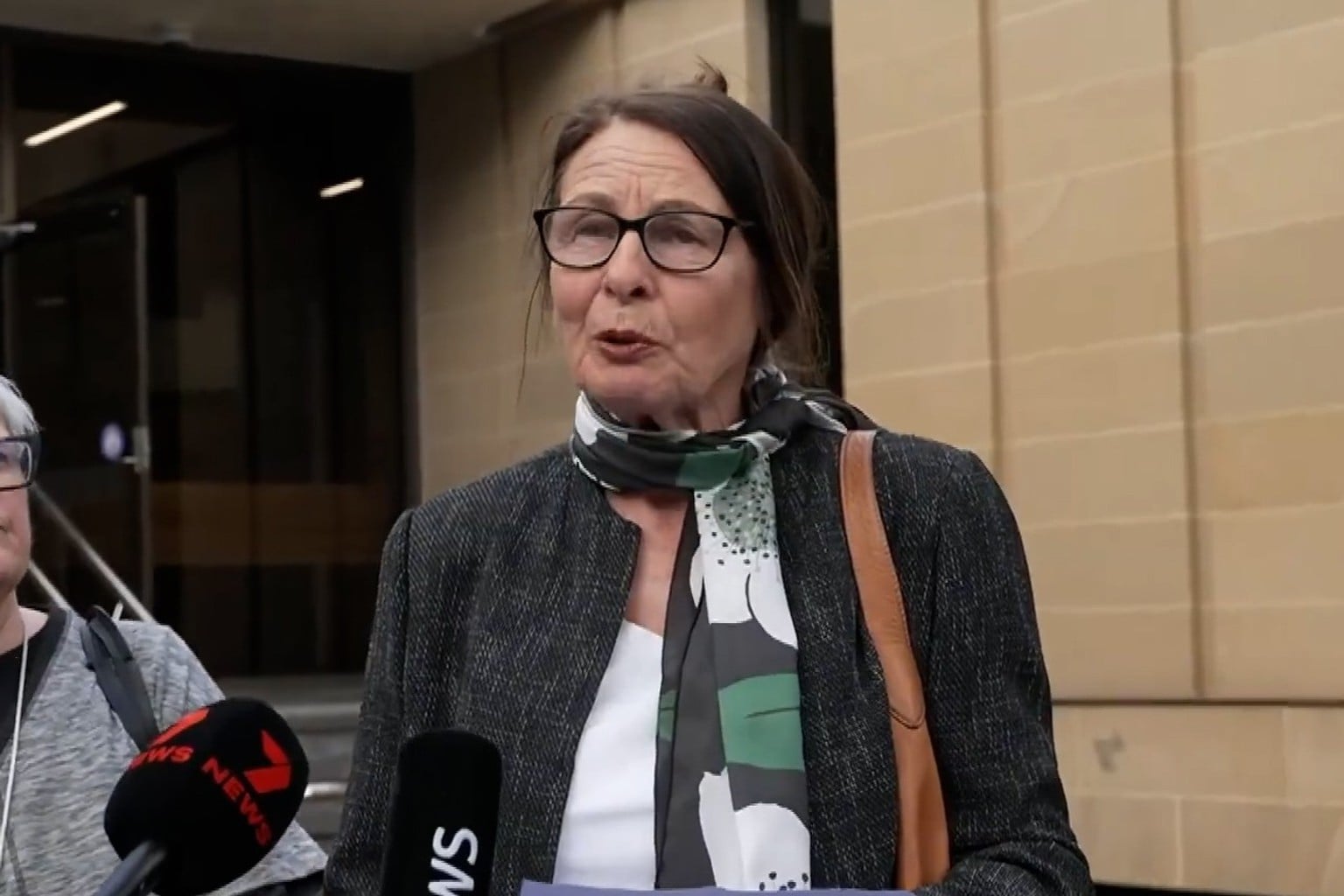
The convicted murderer spoke outside the Supreme Court in Hobart this afternoon.
“I’m very pleased and relieved that the parole order preventing me from speaking about my case has been removed,” she said.
“I would like to emphasise that in challenging the parole order it has never been my intention to cause anguish or distress to others.”
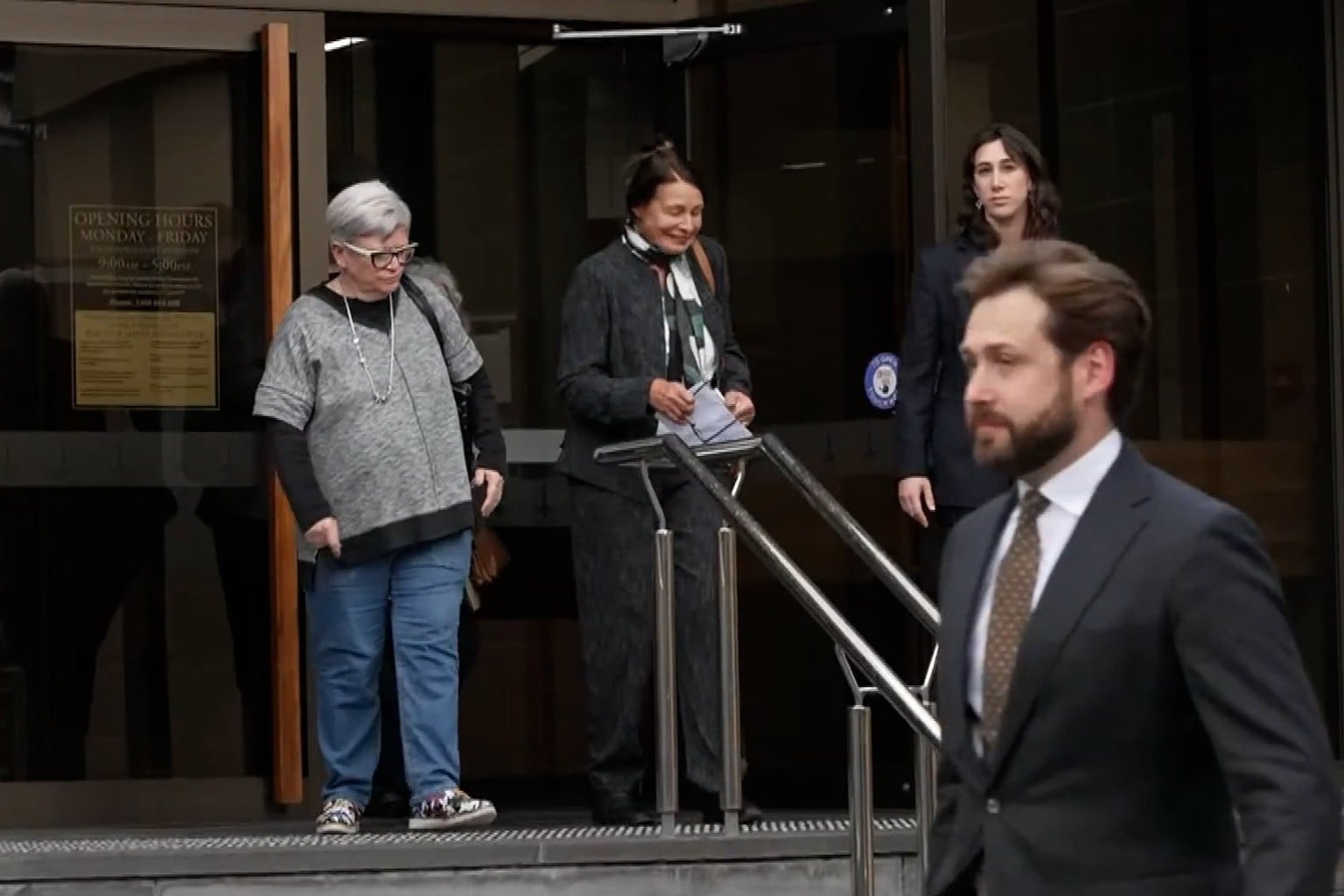
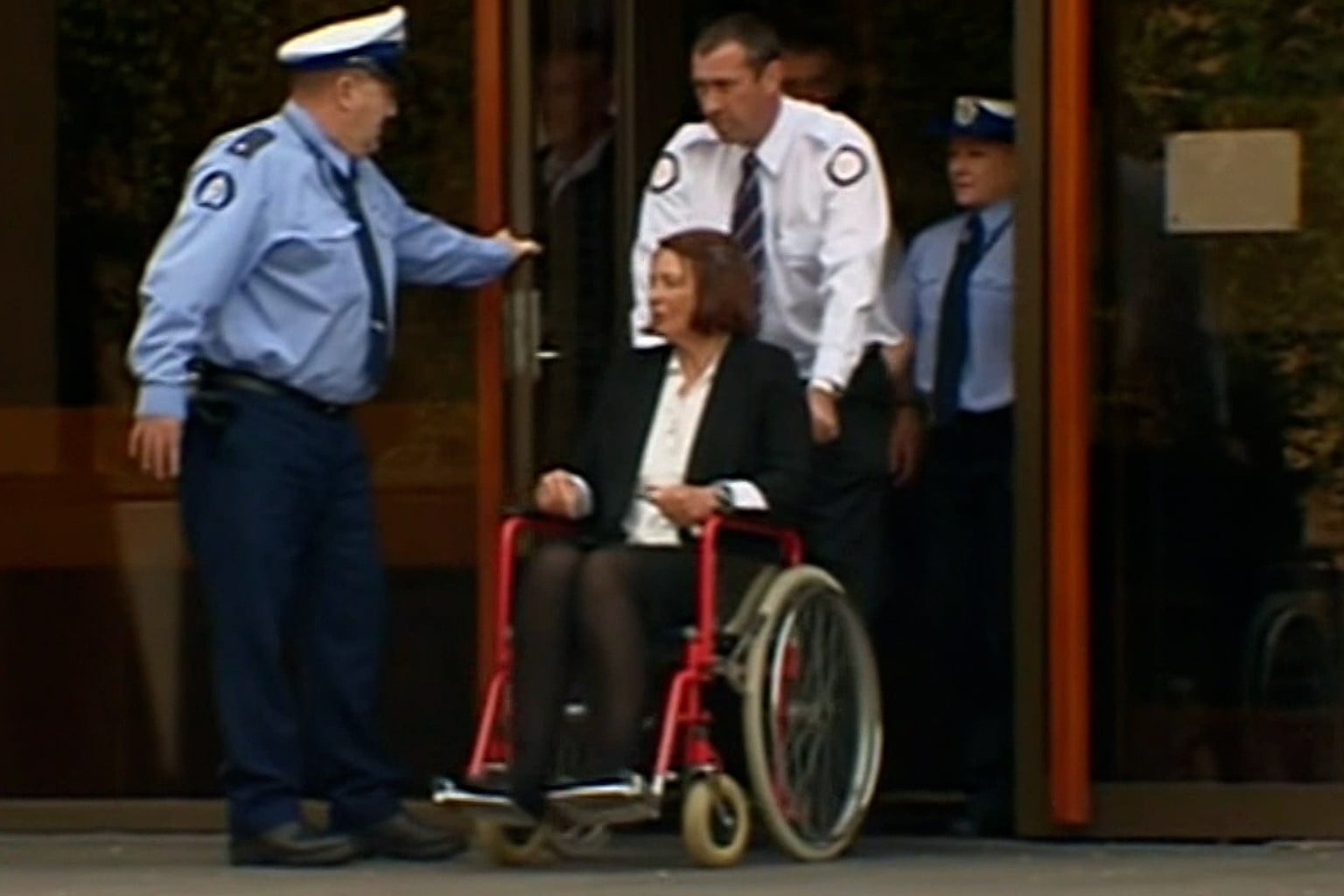
Speaking as she stood without the wheelchair she has been pushed in and out of court in recent years, Neill-Fraser thanked the Human Rights Law Centre and the barristers who worked on the matter.
“As you will be aware, I have always maintained my innocence and I am continuing in the quest to clear my name and advocate for the broader issue of wrongful convictions in Australia,” she said.
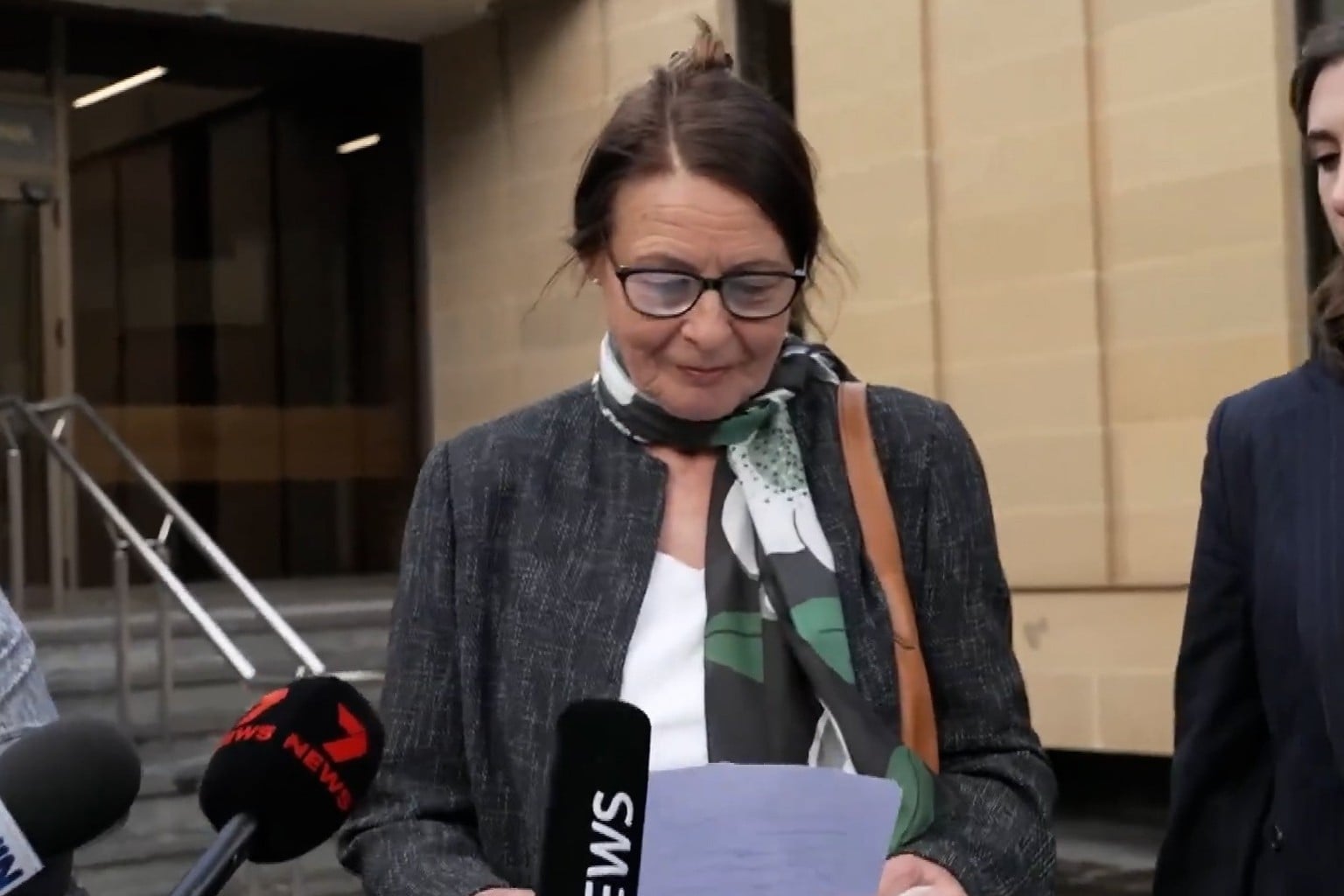
“I cannot walk away from this.”
The removal of the condition was made official by Supreme Court Justice Stephen Estcourt this afternoon.
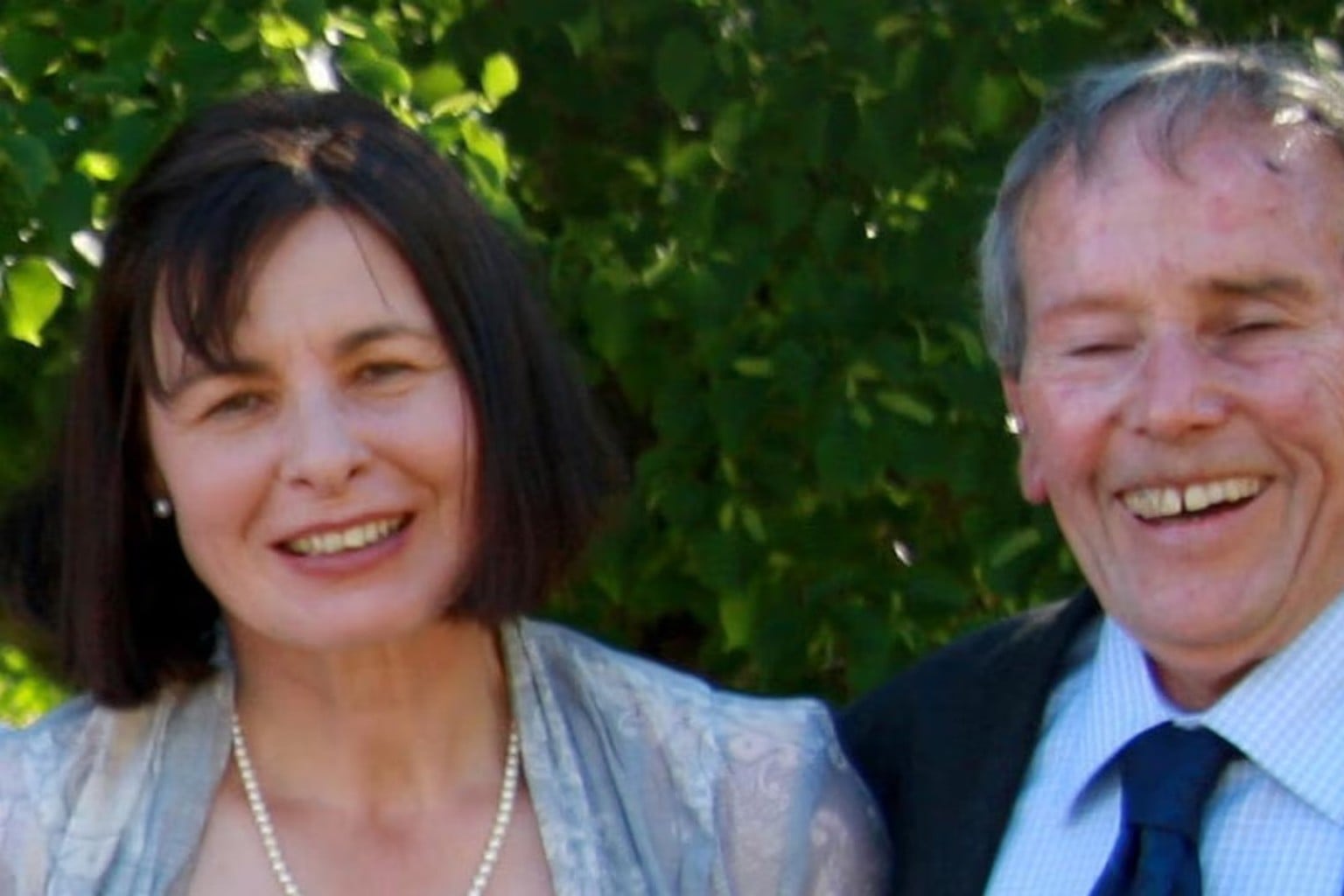
Neill-Fraser was found guilty of murdering her partner Bob Chappell aboard his yacht in Hobart in 2009.
She served 13 years in prison and was released on parole in 2022.
The parole board added the condition in December 2024, later replacing it with a broader version in May 2025.
The Human Rights Law Centre challenged the condition in the Supreme Court, arguing it was unreasonable and breached the freedom of political communication.
Neill-Fraser’s lawyer told the court a parole board staff member had used artificial intelligence to draft a document justifying the condition.
The document cited case law that did not exist and was instead described as “AI hallucinations”.
The board agreed to remove the condition days after the centre questioned the document.
Speaking late last month, Legal director Sarah Schwartz said the outcome was an important vindication of her client’s rights.
“Freedom of expression is a fundamental right and we are pleased that Susan is no longer subject to a restriction that prevented her from being able to participate in public debate,” she said.
Neill-Fraser said she would take time to consider her next steps.
“Thank you all for continuing to report on my situation,” she said.