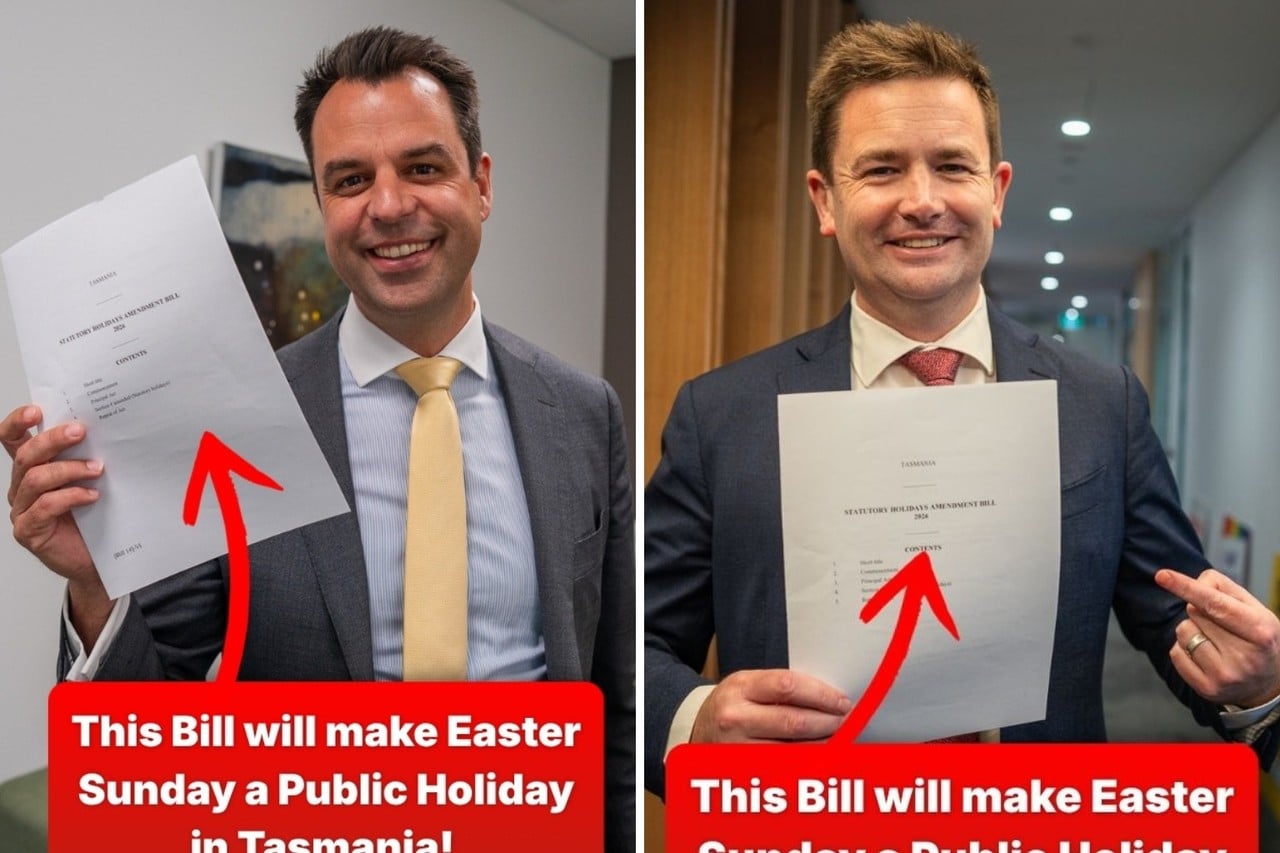
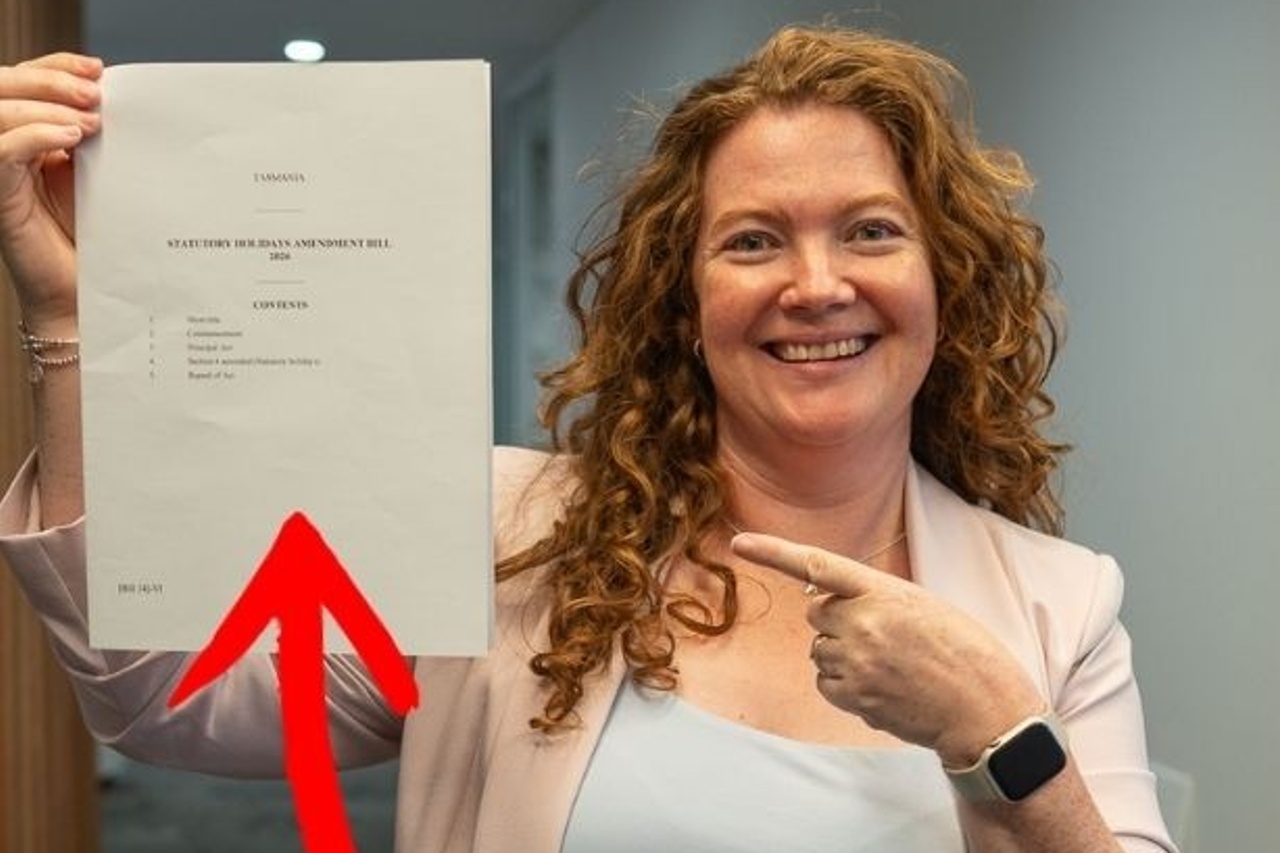
Tasmanian workers are a step closer to receiving public holiday rates on Easter Sunday after Labor’s bill passed the lower house.
The Statutory Holidays Amendment Bill 2026 would make Tasmania the last Australian state to recognise Easter Sunday as a public holiday.
It passed both the second and third readings on Wednesday, with Labor backed by the Greens and independents. The bill will now head to the Legislative Council.
Labor leader Josh Willie said the change was about fairness.
“At the moment Easter Sunday is not recognised as a public holiday in Tasmania,” he said.
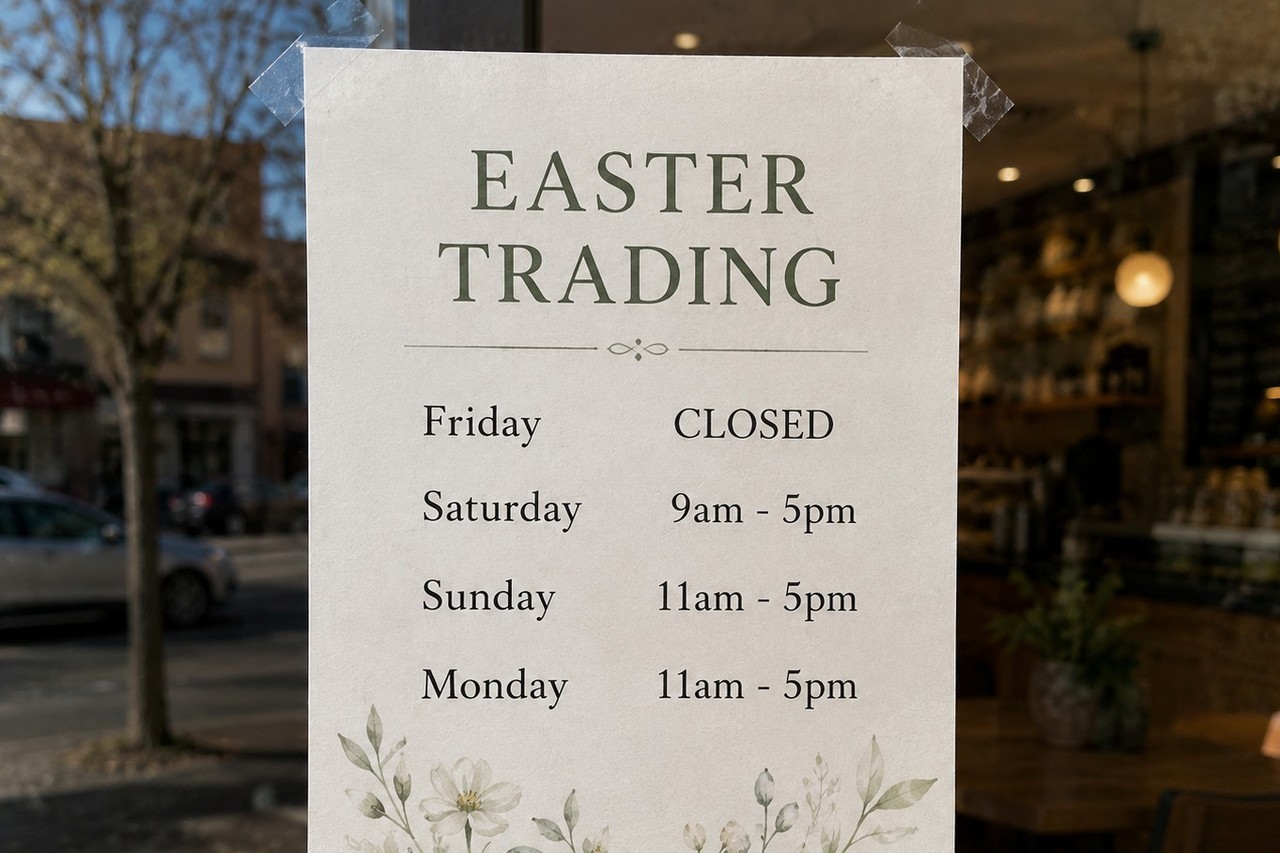
“That means Tasmanian workers are treated differently and worse than workers doing the same job on the same day anywhere else in the country.”
If the bill becomes law, workers rostered on Easter Sunday would receive public holiday penalty rates and gain a stronger right to refuse shifts.
The government opposed the bill. Deputy Premier Guy Barnett said small businesses could not afford another public holiday.
“Now is not the time to be adding additional costs on to business, particularly small business,” he said.
Barnett pointed to Treasury advice estimating the change would cost the state economy around $24 million and said Labor had pushed the bill through without consulting business groups.
Several organisations, including the Tasmanian Chamber of Commerce and Industry, the Launceston Chamber of Commerce and the Small Business Council of Tasmania, released a joint statement ahead of the debate opposing the bill.
TCCI acting chief executive Colleen Reardon said businesses were already under pressure.
“The job of the opposition in the parliament is to hold the government to account, not to impose poorly thought through and consulted new costs and burdens onto Tasmanian businesses,” she said.
Small Business Council chief executive Robert Mallett warned the change could leave workers worse off if employers chose to close rather than pay public holiday penalty rates.
Greens leader Rosalie Woodruff dismissed those arguments, saying Tasmania already has the fewest public holidays in the country.
Liberal Clark MP Marcus Vermey, who owns a butcher shop in Sandy Bay, said one local business had told him opening on Easter Sunday under the proposed change would cost an extra $5,000.
New South Wales added Easter Sunday as a public holiday in 2010. Queensland followed in 2012, Victoria in 2015 and Western Australia in 2021.
The bill will now face the Legislative Council, where, if passed, it would come into effect from Easter 2027.