
Tasmania’s health minister says it is “clinically safe and appropriate” to send taxis instead of ambulances to some patients, after figures revealed 165 taxis were dispatched to medical incidents in the first nine weeks of the year.
The data, released under right-to-information laws, showed 84% of those cases involved urgent health incidents.
Around 22,500 ambulances were dispatched during the same period, while some patients waited more than an hour for help to arrive.
Bass Greens MP Cecily Rosol raised the issue in parliament on Wednesday, citing a March case in which a patient who became unresponsive during a seizure was sent a taxi after their partner called Triple Zero (000).
“People who are sick or injured enough to need medical care are being put in taxis,” Rosol said.

She asked whether the minister believed the practice increased risks to patients and whether the government would commit extra funding and recruitment to prevent it happening again.
Health Minister Bridget Archer said patients were triaged according to clinical need and accused Rosol of “attacking” frontline staff.
“Our government will always back our healthcare workers who make those clinical judgments every day under very challenging circumstances,” Archer said.
She said Triple Zero (000) calls were prioritised by urgency, with clinicians maintaining contact with callers during long waits and reassessing cases if conditions changed.
“Ambulance Tasmania’s secondary triage service can consider alternative care pathways and transport options if it is safe and clinically appropriate to do so,” she said.
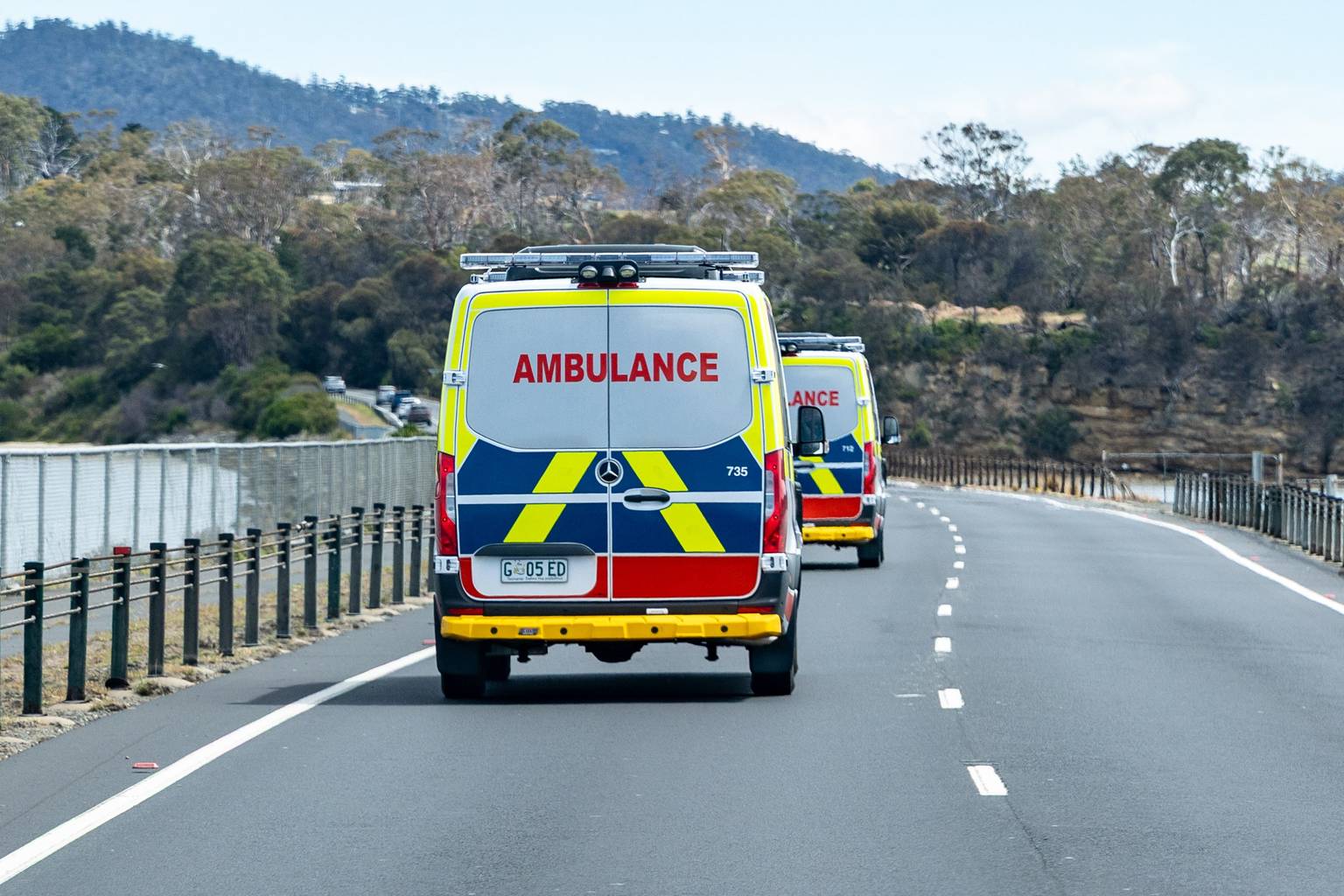
In a supplementary question, Rosol asked whether a phone assessment could ever match an in-person paramedic assessment.
“It’s not okay to have a taxi sent instead of an ambulance,” she said.
Archer stood by the practice and declined to apologise.
“It is safe when it is assessed to be clinically safe and appropriate to do so,” she said.

Greens leader Rosalie Woodruff later said she could not recall a health minister giving “such an angry response” to a “serious question”, while Labor MP Jess Greene asked about plans to phase out taxi use and safeguards if patients deteriorate en route.
“I do believe the minister owes an apology to Tasmanians who have shown concerns about this for not taking the question seriously,” Woodruff said.
Archer said she did not believe her response was angry, but apologised if it had been perceived that way.
“The responses to those calls are triaged, they are clinically appropriate and they are safe when they are sent,” she reiterated.
“We shouldn’t undermine that. We shouldn’t undermine that system or the judgment of those clinicians.”