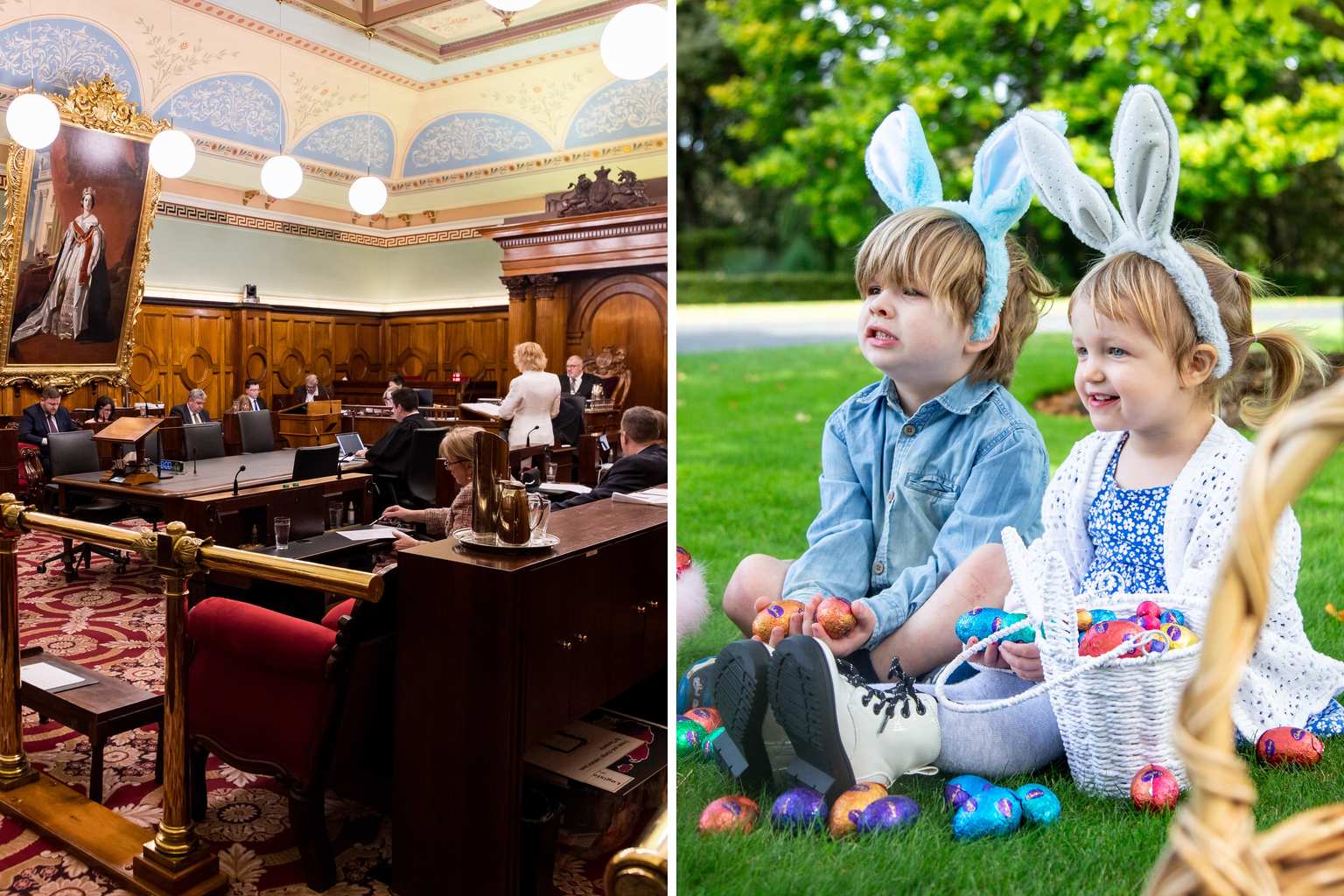
Tasmania is a step away from becoming the last Australian state to recognise Easter Sunday as a public holiday, after Labor’s bill cleared its most significant test in the Legislative Council late last night.
The Statutory Holidays Amendment Bill 2026 passed its second reading on division shortly after 11pm, 10 votes to four.
The Legislative Council’s three Liberal members and Government Leader Tania Rattray were the only votes against the bill.
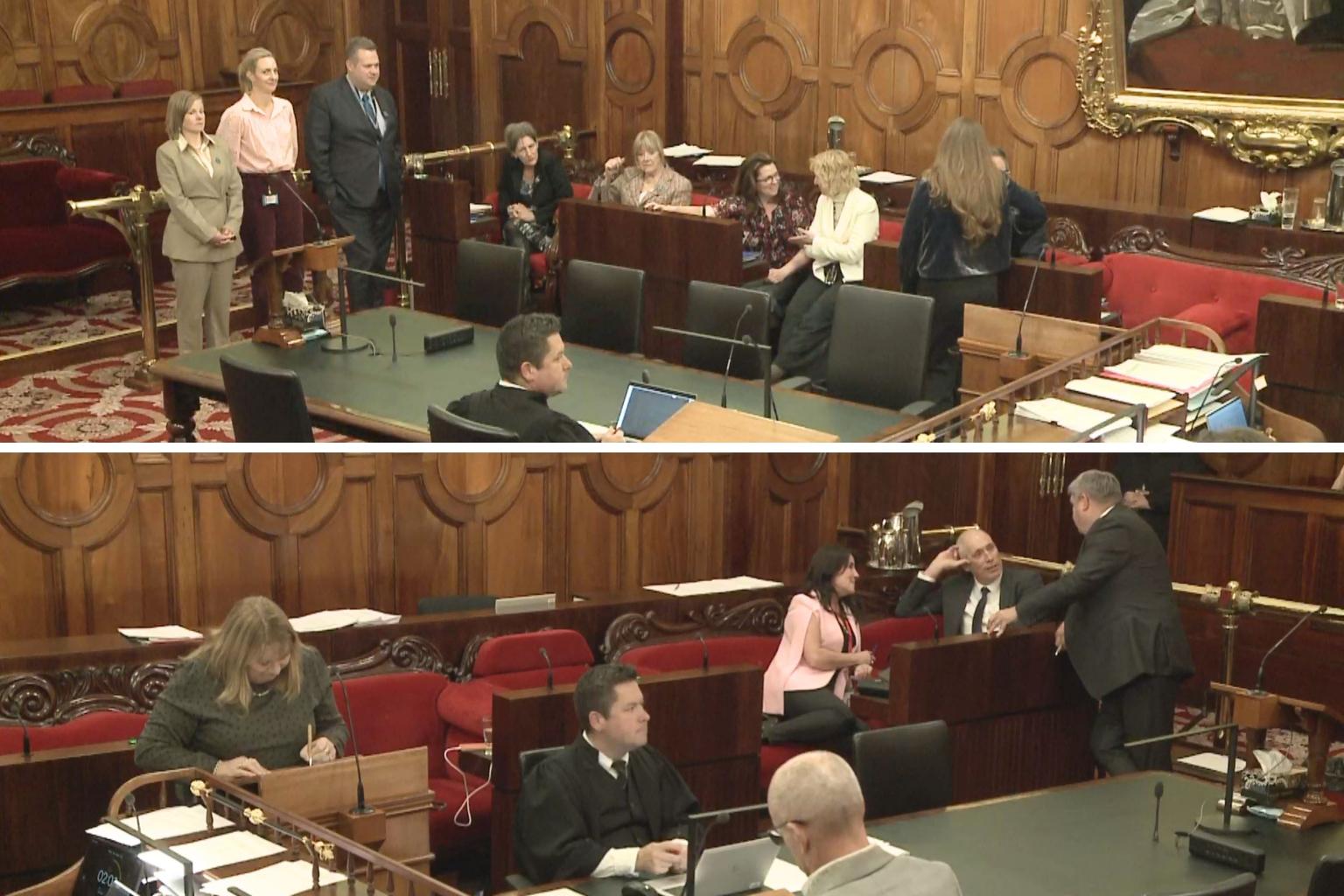
Members then moved into the committee stage, where the bill passed clause by clause and was reported without amendment.

The third reading, the final step in the upper house, was made an order of the day for today.
The Legislative Council is due to resume at 11am. That vote is normally a formality and the bill would then require Royal Assent before taking effect.
The change means workers rostered on Easter Sunday would receive public holiday pay rates and entitlements, bringing them into line with workers in every other state and territory.
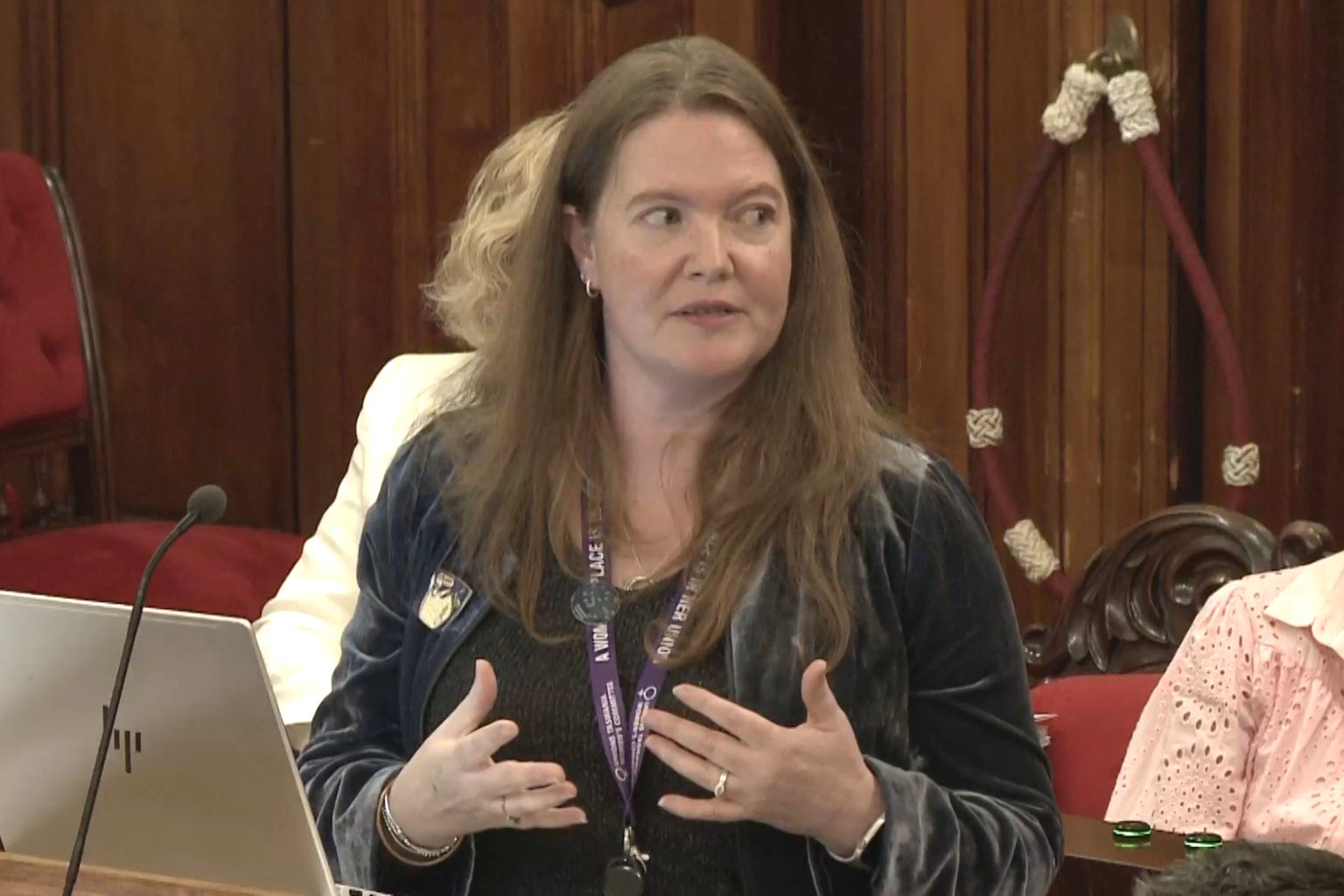
Labor’s Sarah Lovell, who led the bill in the upper house, told the chamber the reform was “simply fair” and would correct “a clear gap in our law.”
“A person who works on Easter Sunday, the day at the very heart of the Easter period, is treated as though it was simply another Sunday,” Lovell said last night.
“That does not make sense.”
She pointed to modelling by the McKell Institute estimating the additional wages cost at between $5.3 million and $6.48 million statewide, representing less than 0.03% of Tasmania’s total wage bill.
The report found no statistically significant impact on employment in states that had already made the change.
The overall economic impact was estimated at between $3.77 million and $5.3 million or around $7 to $9 per Tasmanian.
However business groups had been fighting hard against the bill in the lead-up to last night’s vote.
Tasmanian Chamber of Commerce and Industry Acting CEO Colleen Reardon said Labor was “hopelessly out of touch”.
She warned small businesses would be “forced to stay shut rather than bear the costs of penalty rates across what will become an effective five-day Easter shutdown.”
A TCCI survey found 78% of its members opposed the change.

Hospitality Tasmania CEO Steve Old said the bill would “put another nail in the coffin of business in Tasmania.”
A survey of more than 130 hospitality businesses found 44% would close entirely on Easter Sunday if it became a public holiday, with 23% saying they would reduce hours.
Tourism Industry Council of Tasmania CEO Amy Hills warned the impacts would hit hardest in regional areas.
“If businesses decide not to open due to increasing costs, the impacts flow to regional communities, Tasmanian jobs and our reputation more broadly,” she said.
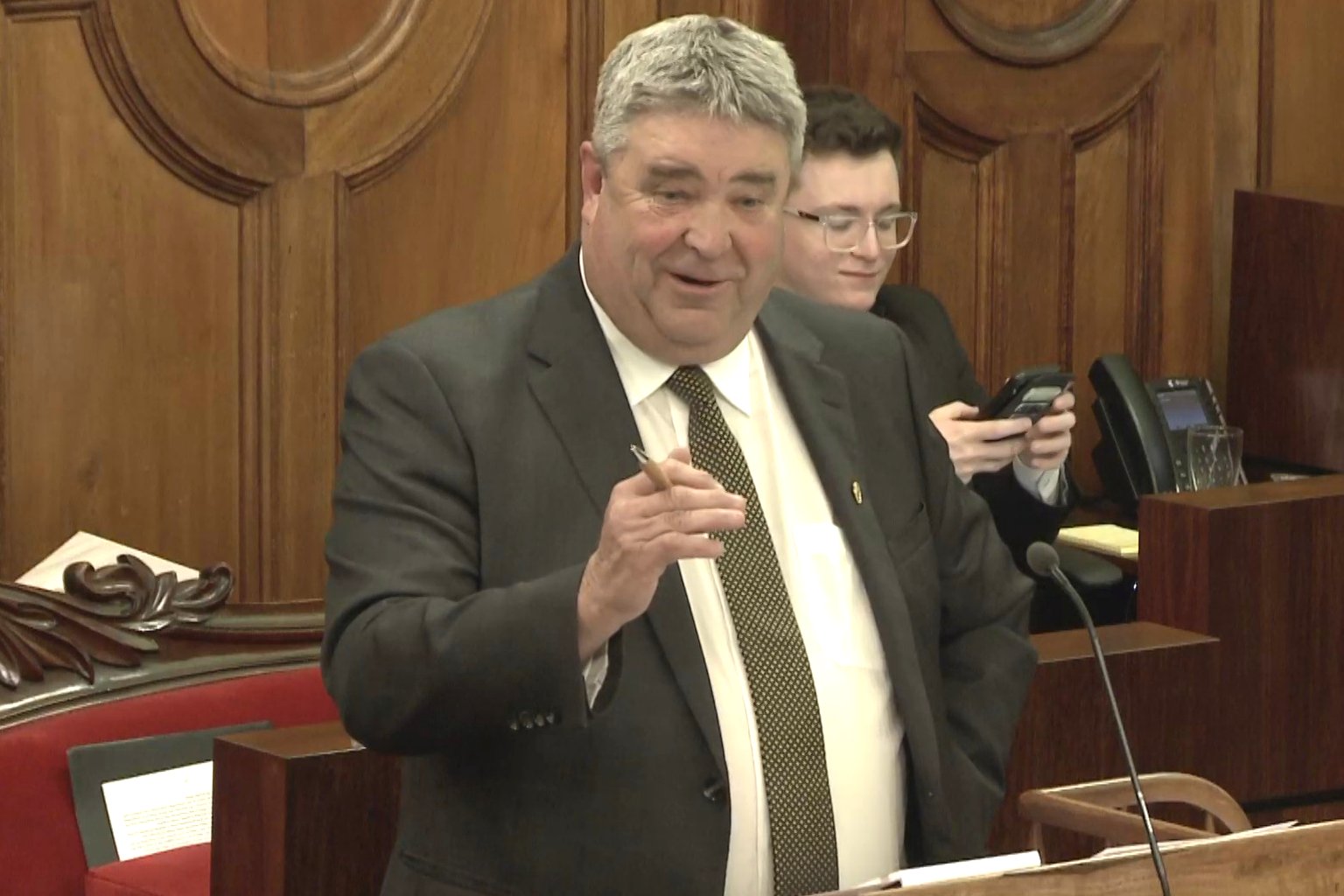
Government minister Kerry Vincent spoke against the bill in the chamber, warning of unintended consequences for people shopping at the businesses that would open on the Sunday.
“So we think we’re getting paid more in one hand, but we’re losing it because we’re paying surcharges extra or a price increase,” Vincent said last night.
Rattray also spoke against the bill on behalf of the government.
Despite those objections, the bill drew broad support from independent members.
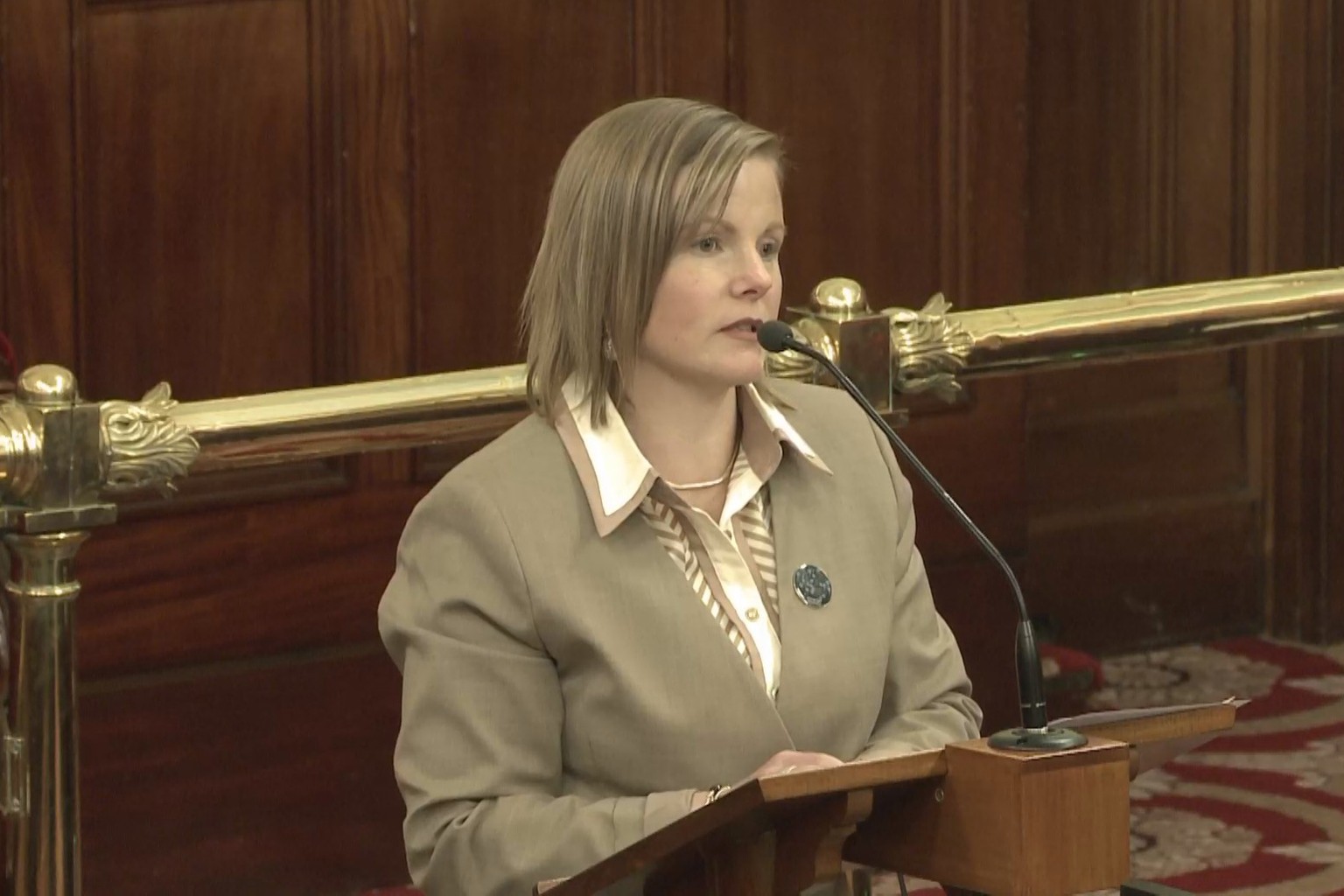
Independent Elwick MLC Bec Thomas told the chamber she found it “very difficult to identify a compelling reason” why a Tasmanian worker should receive “lesser recognition than somebody doing exactly the same job on exactly the same day elsewhere in Australia”.
Ruth Forrest said the fairness case was the stronger one but acknowledged the concerns of regional businesses were “not baseless.”
Meg Webb said the change was about treating Tasmanian workers fairly and that “the sky is not going to fall in.”
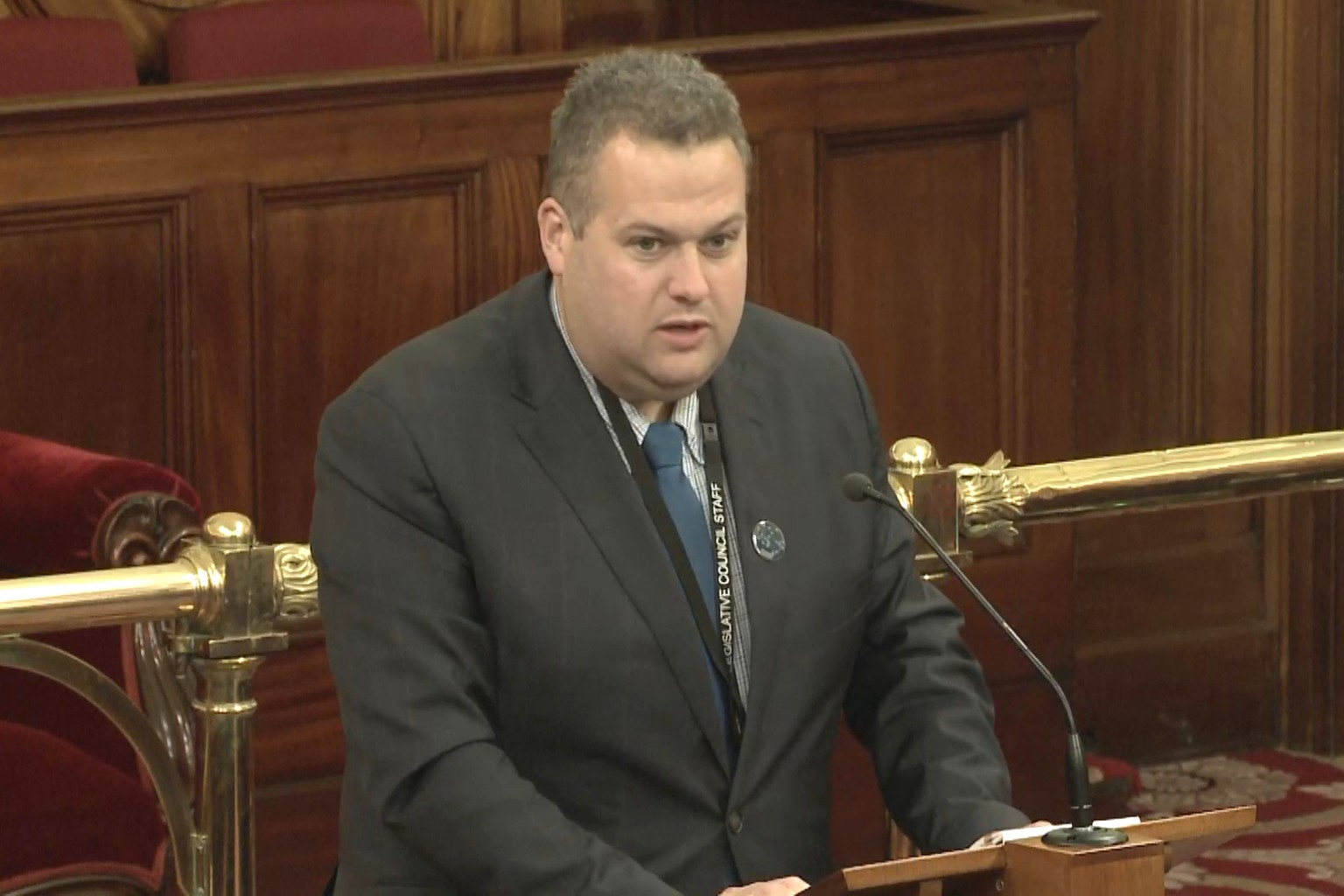
Independent Montgomery MLC Casey Hiscutt warned the costs would flow through to consumers via surcharges and price increases, but acknowledged Tasmania being the only state without the holiday was hard to justify.
Treasury had estimated the change would cost the state economy around $24 million.
The change is expected to take effect from Easter next year.
Even with the additional holiday, Tasmania will still have fewer public holidays than any other Australian state.