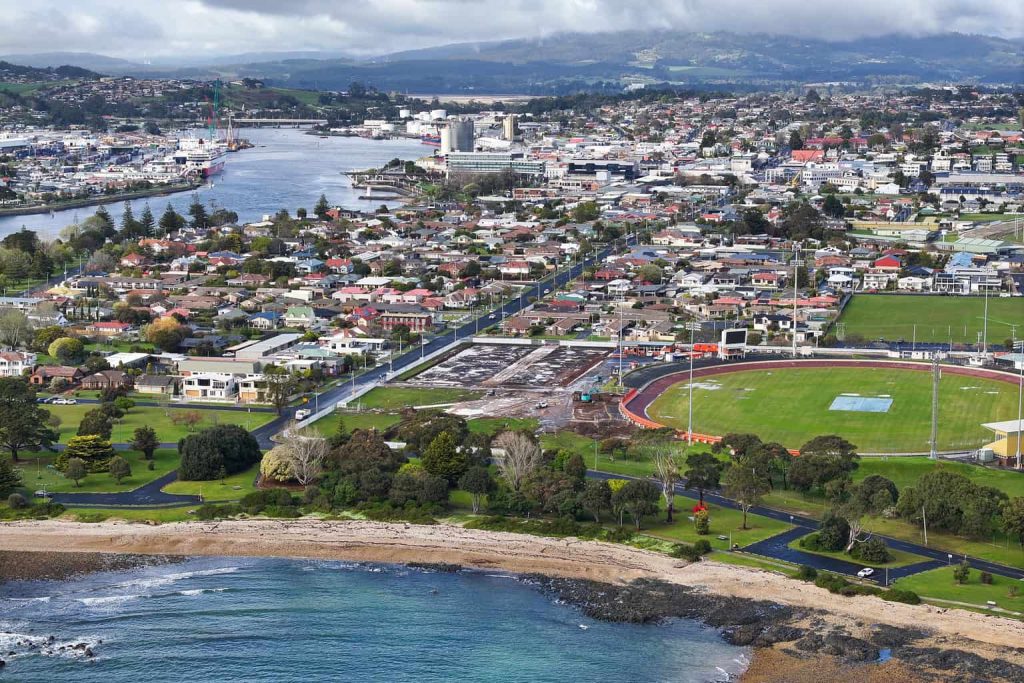
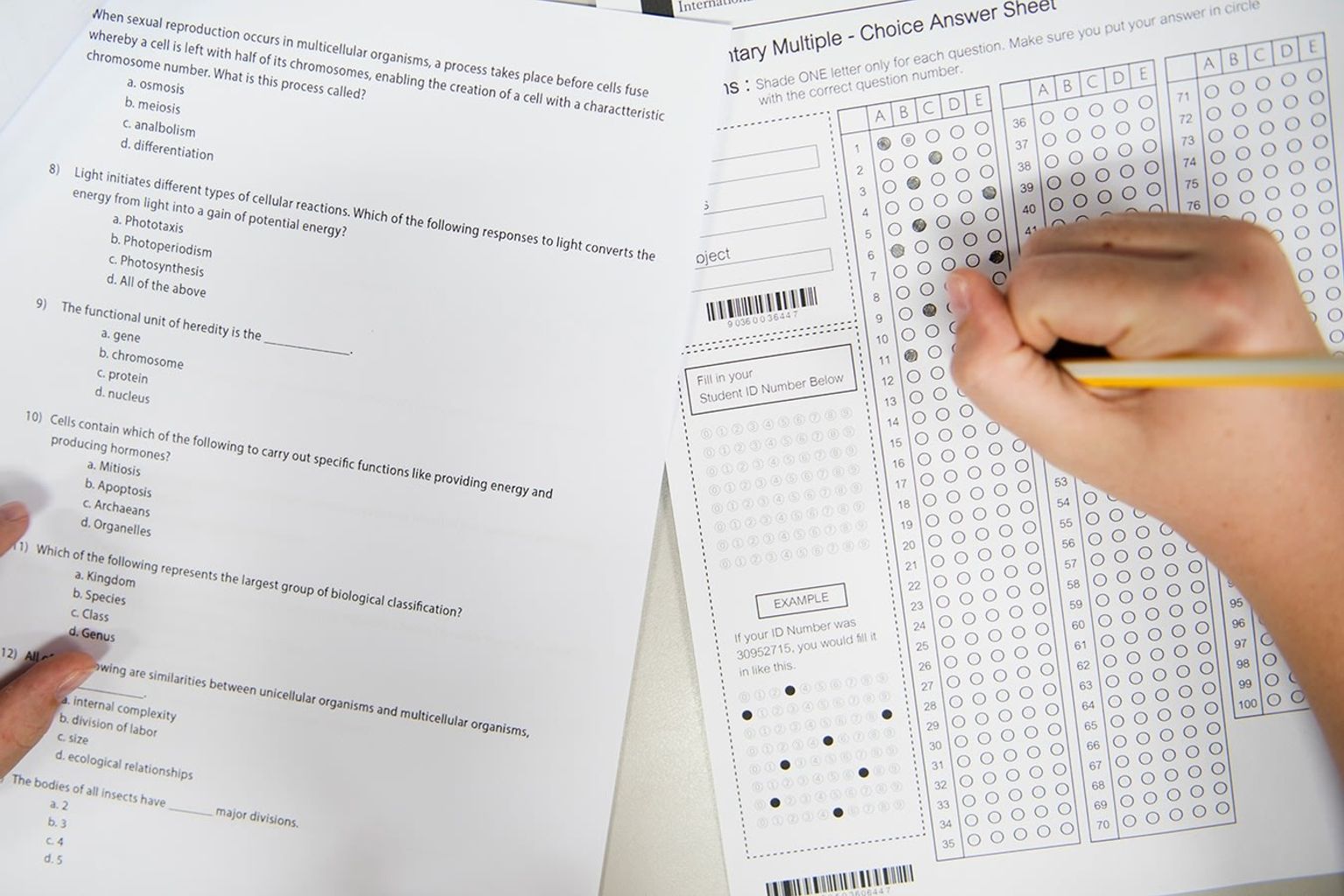
Tasmania has become the first jurisdiction ever excluded from national NAPLAN reporting because not enough students sat the tests to produce reliable results.
The Australian Curriculum, Assessment and Reporting Authority ruled the state’s data fell far short of technical quality standards, wiping Tasmania from all state-by-state achievement comparisons in the 2026 national report.
While states like Victoria, New South Wales and Queensland saw participation rates between 93% and 97%, Tasmania’s rates dropped well below national reporting thresholds following a public school boycott.
Opposition Leader Josh Willie blamed Education Minister Jo Palmer, calling the situation “a national embarrassment.”
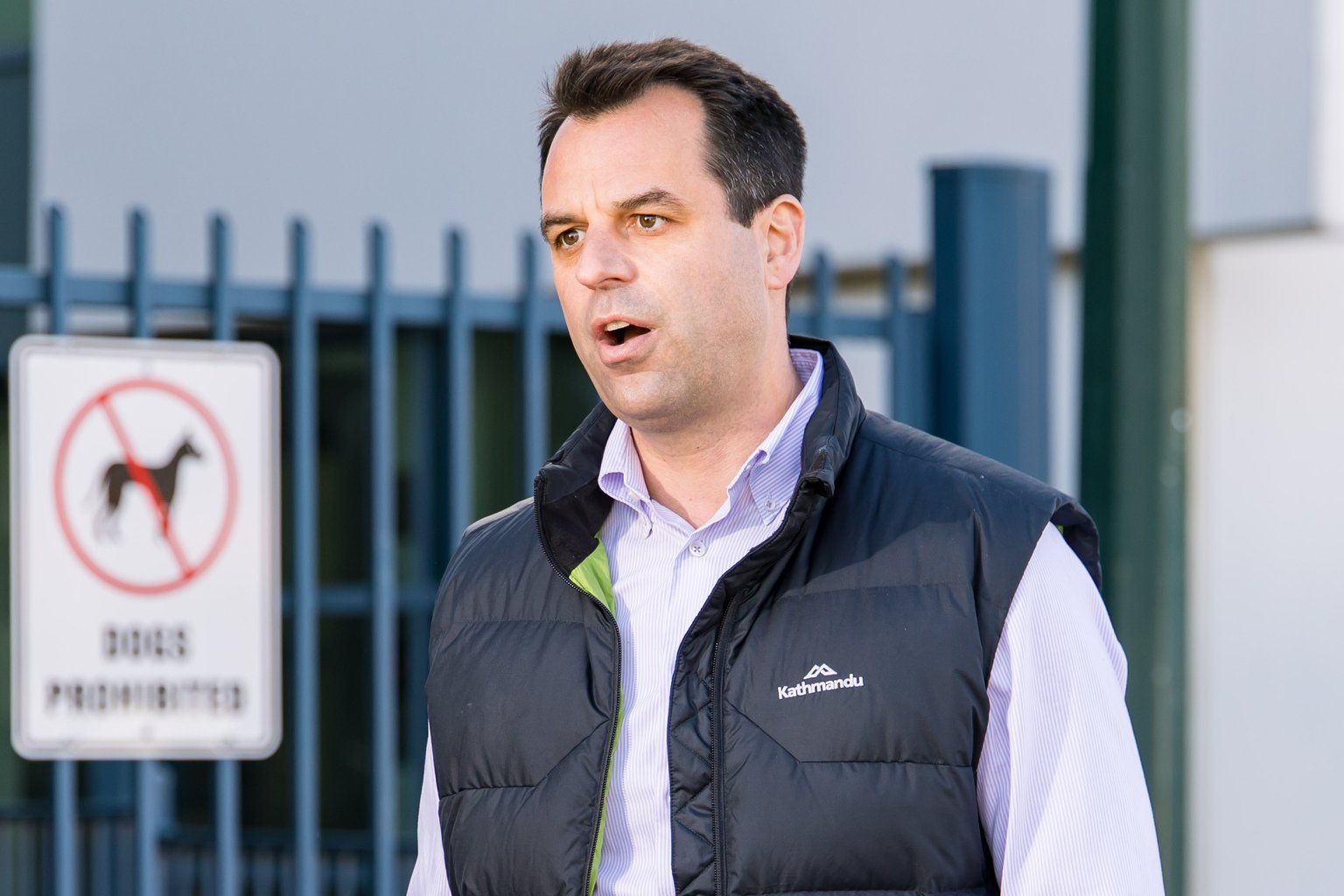
“It’s actually embarrassing that the Education Minister allowed it to come to this, where Tasmania doesn’t have NAPLAN results because the data wasn’t rigorous enough,” Willie said.
He accused the government of failing to pay teachers properly, keep them safe or provide the working conditions and resources they need.
Willie also pointed to $228 million in cuts to the Department for Education, Children and Young People, including $192 million from in-school education.
“Jo Palmer should be fighting for teachers and students,” he said.
When asked about Labor supporting the industrial action at the time, Willie was firm.
“I will not apologise for supporting teachers and support staff to deliver good education outcomes for Tasmanian students and they need to be resourced to do that,” he said.
Palmer said she was “extremely disappointed that the union decided to take industrial action during such an important time in the school year, knowing full well there would be an impact on learners.”

“Despite the disruptions, we made every effort to support government schools to maximise participation in NAPLAN,” she said.
The government said the low participation was entirely due to the Australian Education Union taking industrial action.
AEU state president David Genford said members “were incredibly passionate about taking this action and felt they had to take a stand for the future of our public education system.”

“Our collective action sent a powerful message to the government and ultimately secured important improvements,” he said.
Schools that did take part will still receive individual student and school-level reports.