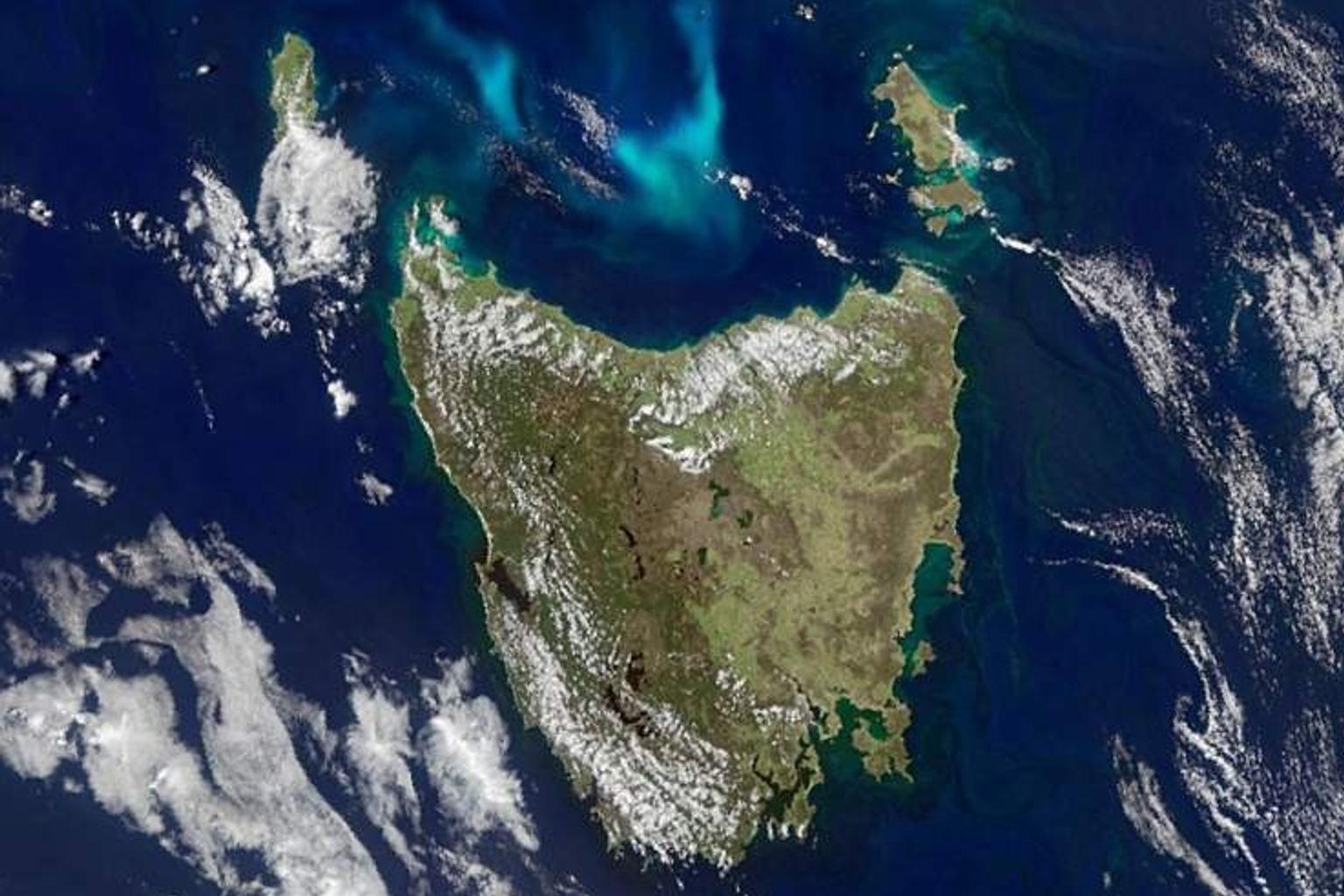
Tasmania was the only state to record both positive business confidence and conditions in August, bucking a national downturn revealed in the latest NAB Monthly Business Survey.
The survey put Tasmanian business confidence at 5 index points and conditions at 17 index points in trend terms, meaning local firms were more optimistic and reporting stronger trading activity than their counterparts anywhere else in the country.
Every other state recorded negative confidence, ranging from -3 in Queensland to -14 in South Australia and the Northern Territory.
Victoria was the only other state in negative territory on conditions at -1 index points, while most others hovered just above zero.
Tasmania’s result stood in stark contrast to the national figures, where business conditions fell 5 points to -1 index points, turning negative for the first time in six years.
Nationally, confidence dropped 2 points to -8 index points, sitting 13 points below its long-run average.

NAB said the weakness was driven by a 10 point fall in profitability to a new post-Covid low, as the cost of running a business continued to outpace what firms could charge customers.
Conditions fell in six of eight industries surveyed, led by construction, mining and manufacturing.
Premier Jeremy Rockliff said the result showed the government’s 2030 Strong Plan for Tasmania’s Future was delivering.
“Tasmania’s nation-leading business confidence and conditions are good for everyone,” the Premier said.
“We are backing workers and backing our businesses to grow and invest.”
Rockliff pointed to goods exports worth a record $5.15 billion, up 12.7% on the year, and a $40 billion infrastructure pipeline.
However, the strong confidence figures sit alongside a softer jobs market, with Tasmania’s unemployment rate rising to 5.1% in July, sitting 0.6% higher than the national average.
Tasmania’s conditions reading also eased during August, falling from a trend figure of 29 index points in July.
Confidence was flat in the month after recovering from deeply negative levels earlier in the year.
The survey was conducted from August 24 to 31 and covered around 455 businesses nationally.