As concerns grow about artificial intelligence and other threats to humanity, Tasmania could find itself on the radar of people looking for somewhere to survive a global catastrophe.
New research has identified Australia as “likely the most resilient place on Earth” when it comes to surviving events including nuclear war, pandemics, volcanic eruptions and large-scale infrastructure collapse.
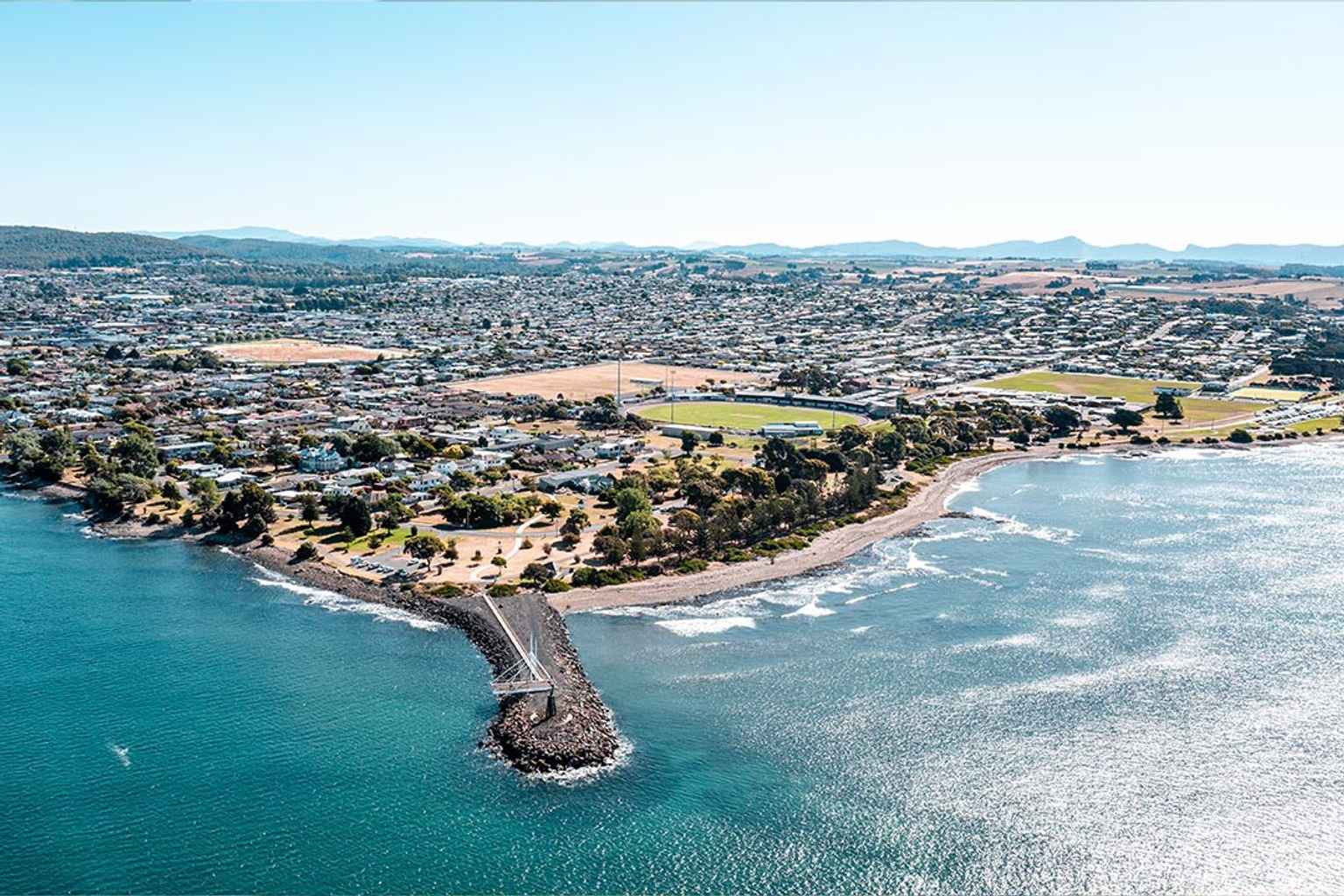
The study goes further, identifying Tasmania as particularly well positioned within Australia because of its isolation, food production and temperate climate.
The findings come at a time when fears about catastrophic risks, including the possibility of advanced artificial intelligence posing an existential threat to humanity, are increasingly being debated.

The research, published in the journal Global Challenges, reviewed 152 academic papers to assess which geographic, institutional and infrastructure factors give societies the best chance of surviving catastrophic events.
Australia scored well because of its Southern Hemisphere location, remoteness, diverse climate zones, long growing season, significant food production and large energy reserves.

It was the only country directly named as resilient across all three major categories of global catastrophic risk examined – sudden loss of sunlight, large-scale infrastructure failure and catastrophic biological threats such as pandemics.
The researchers wrote that Tasmania had additional advantages within Australia.
“Tasmania might even be considered a refuge in a refuge, as it is part of Australia, but also an island, with large agricultural production and a temperate climate,” they wrote.
But the study found no single place on Earth is safe from every possible disaster.
Even Australia has weaknesses, including its dependence on international trade for fuel, medicine and fertiliser and its vulnerability to climate change through droughts, floods and bushfires.
The researchers identified four key factors that boost resilience across disaster types – geographic isolation, food self-sufficiency, strong democratic governance with low inequality and decentralised systems that avoid single points of failure.
New Zealand, Japan, Argentina and Switzerland also rated well but each carried significant vulnerabilities.
The findings have attracted international attention, including from the New York Post, which asked readers: “Ever wonder where to go during a doomsday event? Researchers have you covered.”
“Taking those factors into account, the study found that Australia – particularly the state of Tasmania – is “likely the most resilient place on Earth,” it wrote.
“That’s due to the country’s remoteness, bountiful amount of energy-producing minerals and high food production.”