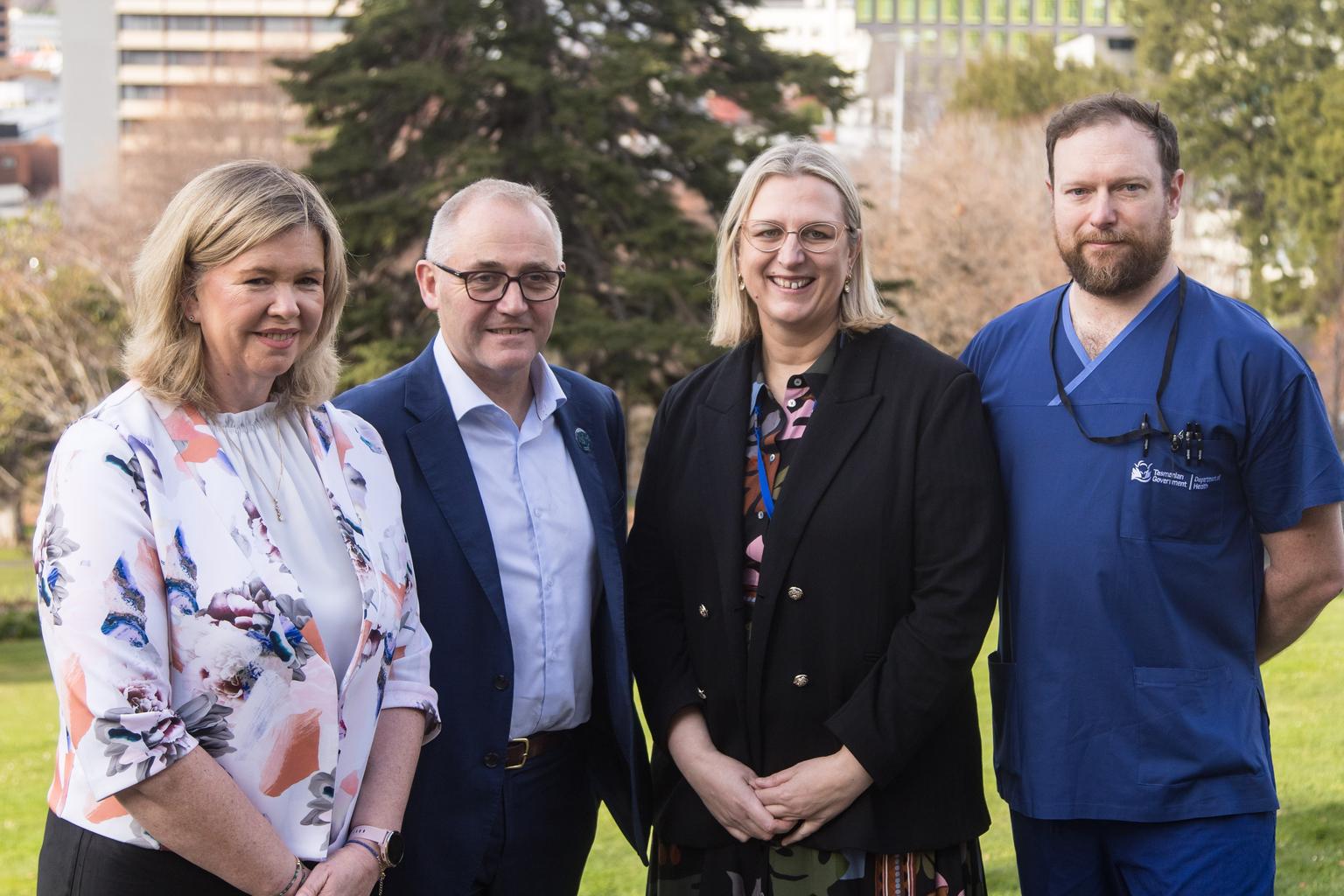
Tasmania’s health system has saved nearly $54 million on temporary staffing costs after recruiting almost 164 extra nurses and midwives and 73 additional doctors in the past financial year.
Health Minister Bridget Archer said the push to hire permanent staff is cutting the reliance on costly agency nurses and locum doctors.
“When compared to 2024-25, there has been a $53.9 million reduction in spending on agency nurses and midwives and locum doctors in 2025-26, with service delivery maintained and our health workforce boosted,” she said.
Spending on agency nurses fell by more than $36 million, while locum doctor costs dropped by $17.9 million.

Archer said temporary staff still play a role for unplanned leave and specialist positions, but the goal is to keep reducing their use.
“There is no doubt that having this permanent workforce enhances greatly both staff morale and the culture of the health service, but importantly, better outcomes for patient care, reduced fragmentation and greater continuity of care for patients,” she said.

The recruitment push comes as Tasmania’s mental health emergency care lags well behind the rest of the country.
Australian Institute of Health and Welfare figures for 2024-25 show the median wait time for mental health patients in Tasmanian emergency departments is 48 minutes, compared with a national median of 20 minutes.
Only 35% of mental health patients are being seen on time, down from 64% a decade ago.
Archer acknowledged emergency departments are under significant pressure and pointed to hospital avoidance programs, virtual care and the expansion of the Youth Mental Health Hospital in the Home program into the state’s north as ways to ease demand.

Laura Pyszkowski, Executive Director of Nursing and Midwifery at the Royal Hobart Hospital, said 75 of the new nursing and midwifery roles were filled at that hospital across areas including the emergency department and intensive care unit.
Recruits are coming from across Tasmania, interstate and internationally, with midwives recently arriving from the United Kingdom.
“When we’re able to support, onboard and induct nurses and midwives into our teams, they’re able to come and feel part,” she said.
Some clinical areas have reduced their agency nurse costs to zero, she said.

Tasmania’s nursing turnover rate sits at around 10%, below the national average of more than 13%.
Tim Sketcher, a registered nurse who moved from Brisbane to join the Royal Hobart Hospital’s medical imaging department in February, said the permanent role offers stability.
“It’s great for stability if you’re raising a family,” he said.
“You’ll get the reliable income compared to on and off payment if you’re casual.”
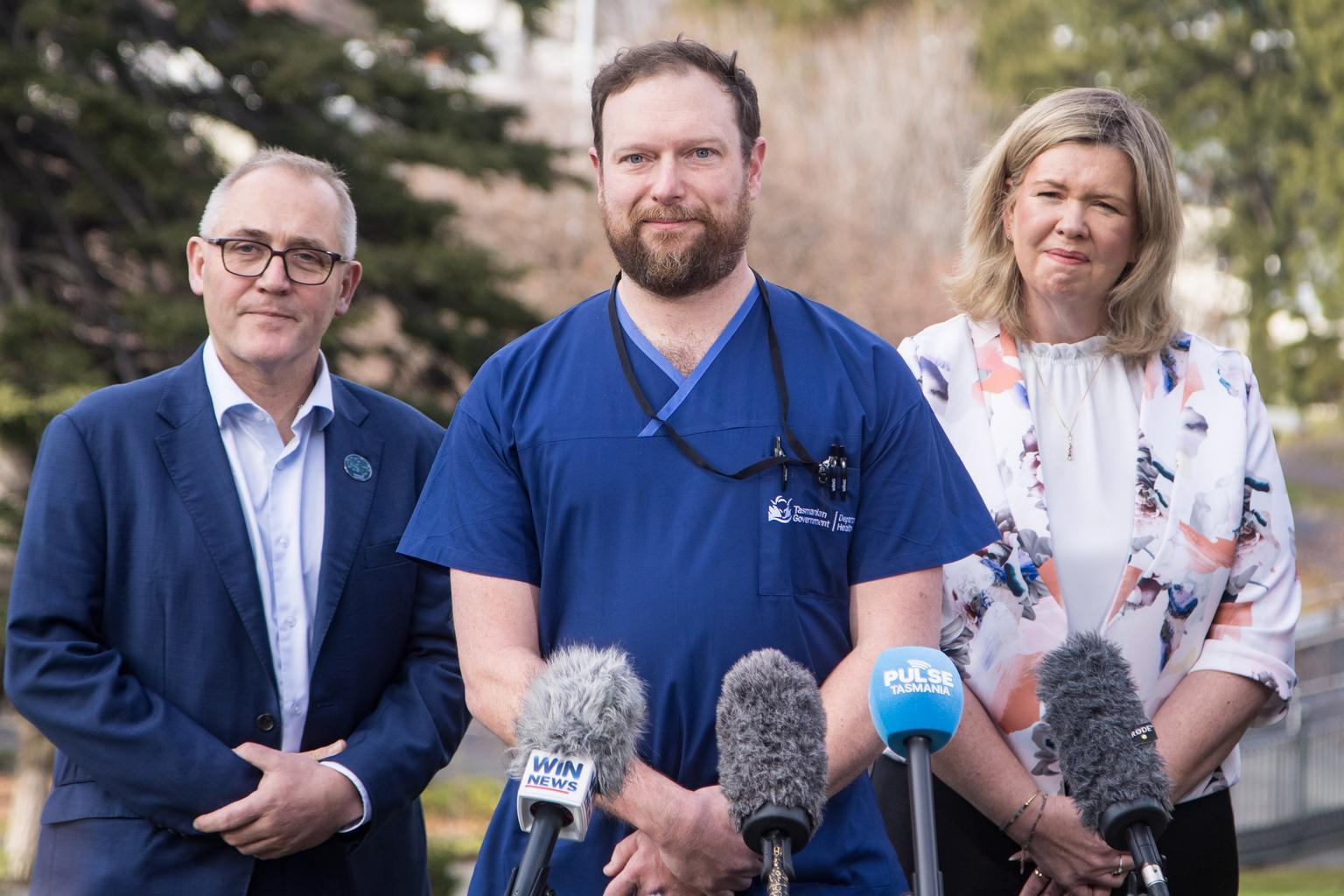
Archer said the government intends to reduce its reliance on temporary staff further, describing it as essential to building both a financially and clinically sustainable health system.