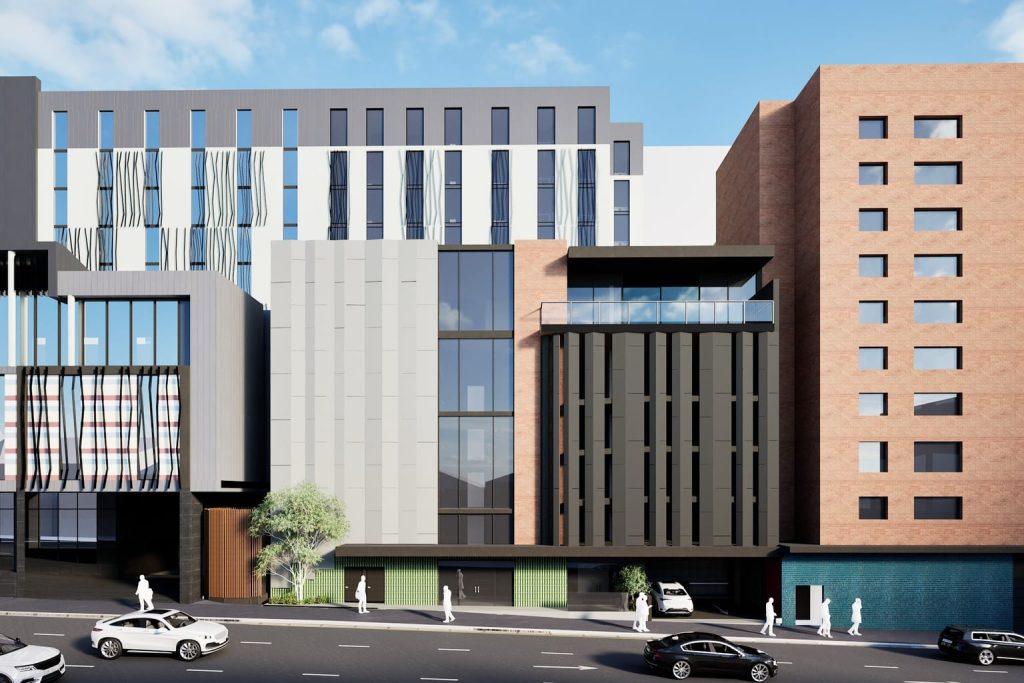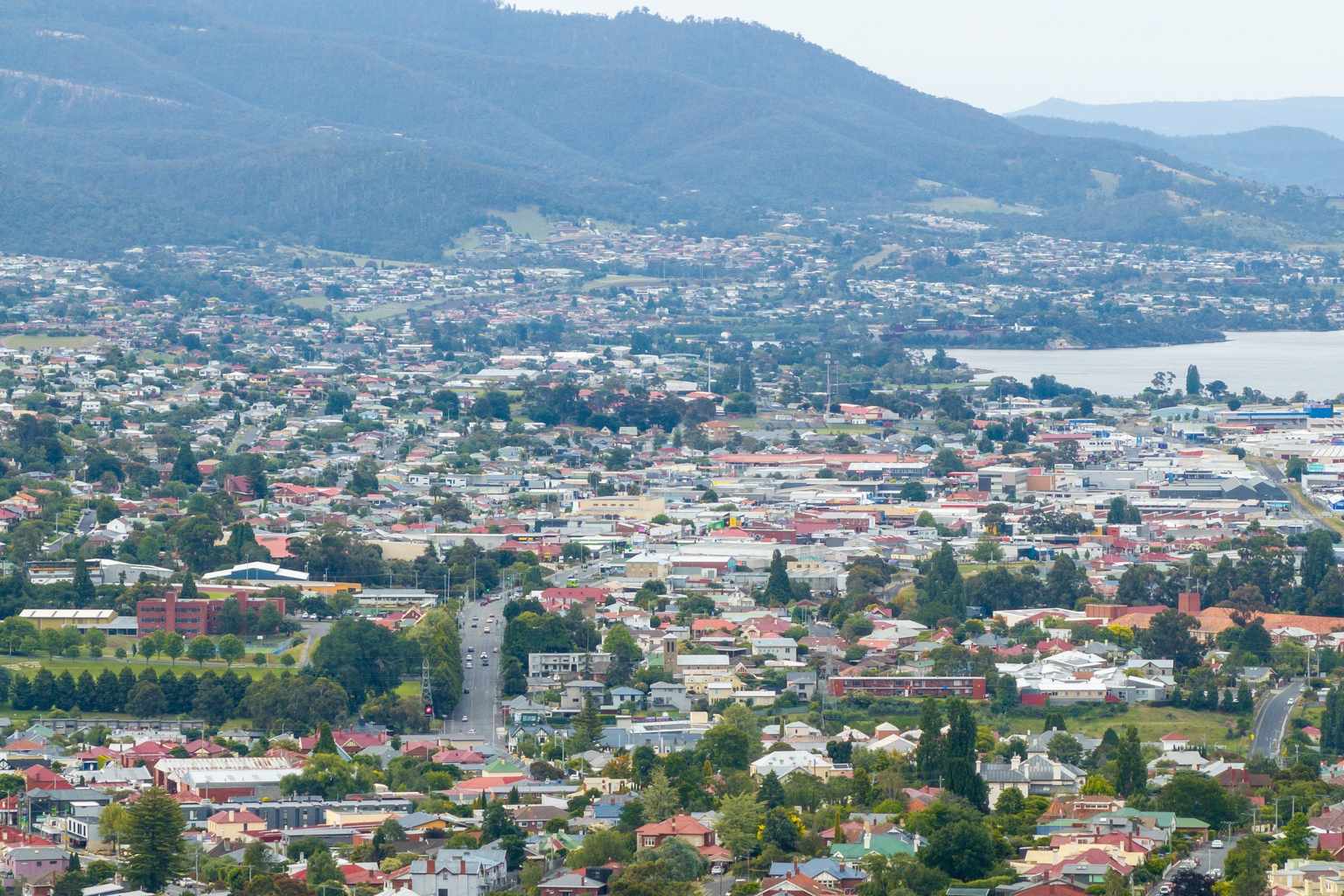
Tasmania is on track to fall 14,000 homes short of its national housing target, with new home starts forecast to drop by almost a fifth over the next five years.
Master Builders Tasmania forecasts 11,330 new homes will be started across the state in the five years to 2030-31, 18.1% fewer than in the past five years.
The shortfall is measured over the five-year term of the National Housing Accord.
Master Builders Tasmania chief executive Jenna Cairney said prospects for new home building had deteriorated since the group’s last forecasts in March.

She blamed the Middle East conflict, high interest rates and changes in the May federal budget.
“For many builders and developers, it no longer makes financial sense to proceed with some of the new home building projects they had been hoping to advance,” she said.
Cairney called on the state government to have TasWater, TasNetworks and councils assess approvals at the same time, rather than one after another.
She also called for development assessment panel legislation to be passed and medium-density planning rules to be delivered.
“Government can’t control interest rates or conflict overseas, but it can control how long it takes to get a shovel in the ground,” she said.
“Every month a project waits on a condition to be cleared is a month of holding costs that ends up in the price of a home.”
Cairney said the government should publicly track Tasmania’s progress against the housing accord so Tasmanians could see the size of the gap.
Outside housing, Master Builders forecasts $7.14 billion of non-residential building work over the five years, with the Hobart stadium the major project.
Engineering construction is forecast to total $19.55 billion, an average of $3.91 billion a year and 60.7% more than the past five years, helped by the Marinus projects.
Cairney said those projects would compete with housing for the same tradespeople.
“Without a serious workforce pipeline, the home building shortfall will only deepen,” she said.
She said the group’s High Vis Army Learning Hub would see industry partner with government to encourage more young people into trades.
The Housing Industry Association (HIA) has also called for a state construction workforce strategy.
Its research found Tasmania has about 24,300 construction workers, with up to 19,000 needed just to build the housing already forecast.

The stadium would need about 450 workers at its peak, drawn from the same trades.
HIA Tasmania executive director Benjamin Price said Tasmania had approved more than 500 extra new homes in the past year.
“If we just move tradies from one site to another, costs go up and fewer homes get built,” he said.
Price said Tasmania needed more apprentices, faster pathways for skilled tradespeople from interstate and overseas and major projects timed so they did not all peak together.
Nationally, Master Builders Australia wants the federal government to reverse recent tax changes affecting construction businesses and housing investment.
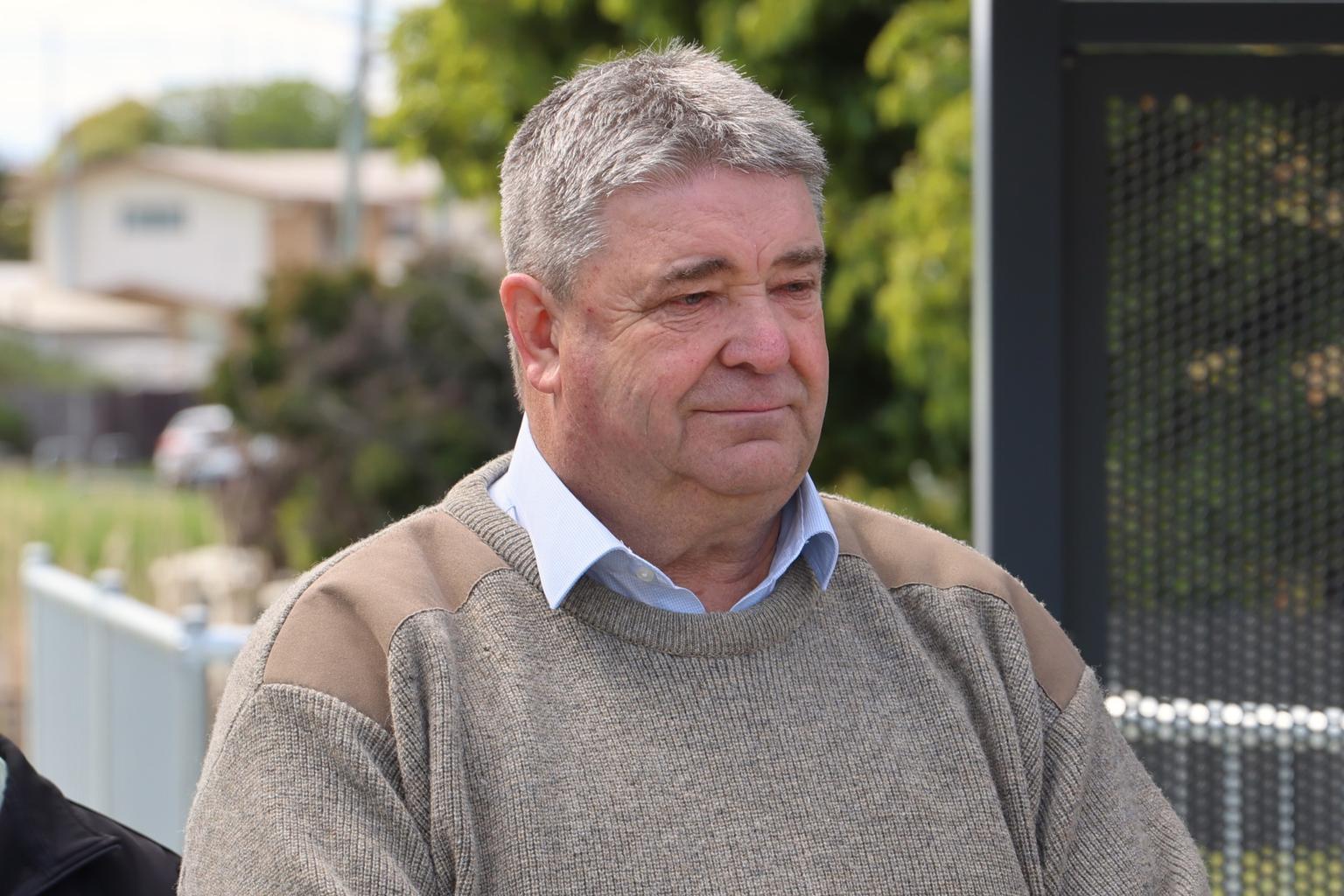
Housing and Planning Minister Kerry Vincent said the government was “pulling out all stops” to deliver more housing.
He pointed to Australian Bureau of Statistics data released on Wednesday showing 287 residential building approvals in Tasmania in August, the highest in four years.
That was up 36.7% on August last year, compared with 9.1% growth nationally. Approvals over the past 12 months totalled 2,854, up 22.5%.
Vincent said legislation to guarantee construction loans for homes built off-site would be introduced to parliament this month.