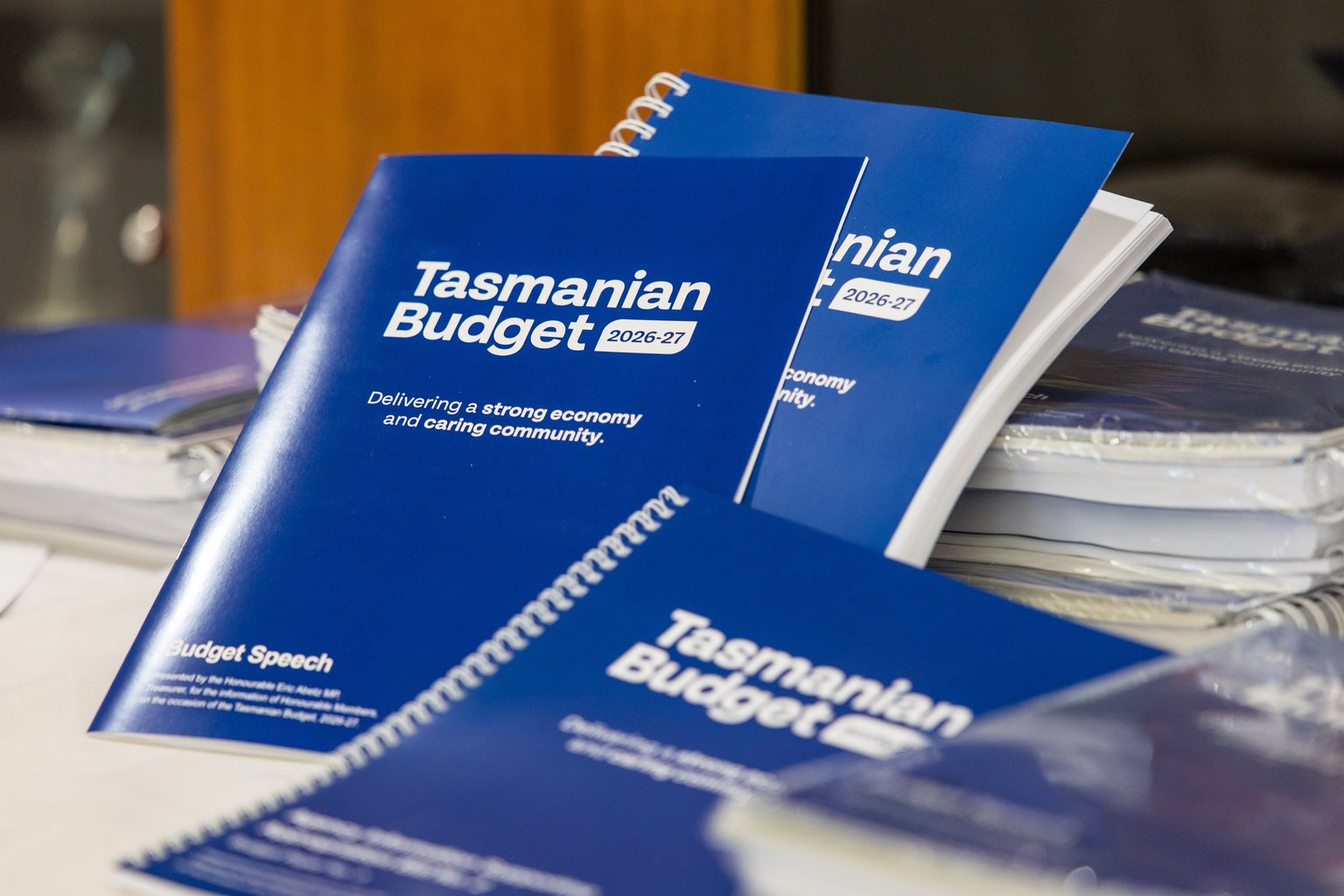
Tasmanians will keep riding buses and ferries for free for another 12 months, with the state government using its 2026-27 budget to lock in more than $650 million in cost-of-living relief while squeezing $1.47 billion from the public sector to repair the bottom line.
Treasurer Eric Abetz handed down the budget on Thursday, forecasting an operating deficit of $596.7 million in 2026-27 before a return to surplus of $192.8 million in 2027-28.
Net debt will climb from $6.82 billion in mid-2026 to a peak of $9.98 billion by mid-2029, before easing back to $9.47 billion a year later.
There are no new state taxes.
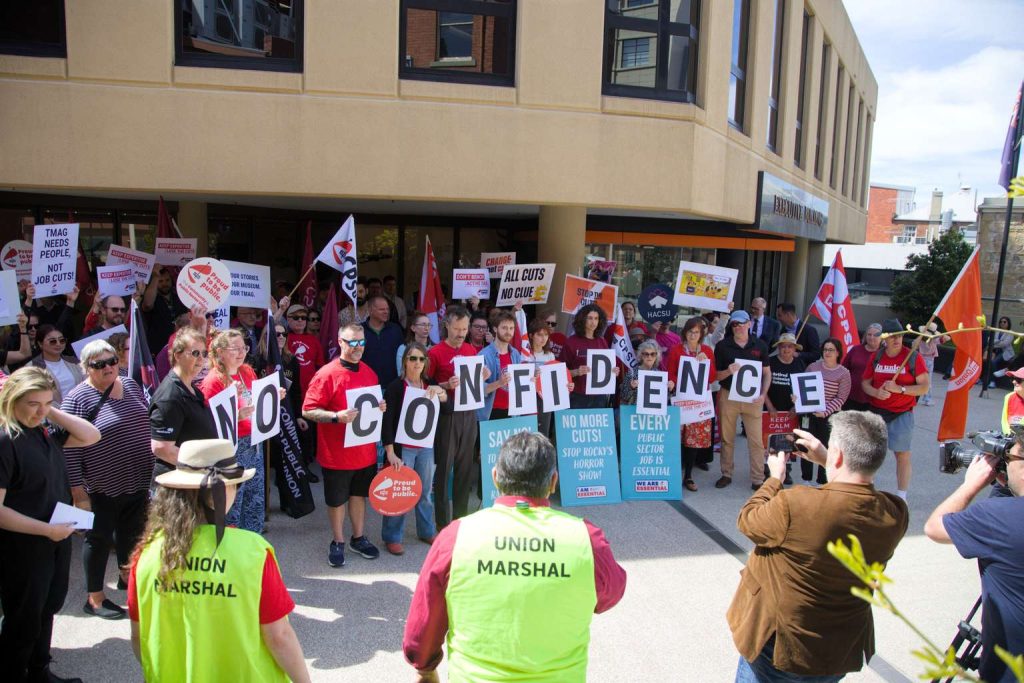
The savings task rests on around 1,700 public sector job losses and “operational efficiencies” worth $215.9 million next year, rising to $441.5 million by 2029-30.
Here’s what the budget means for households:
Getting around
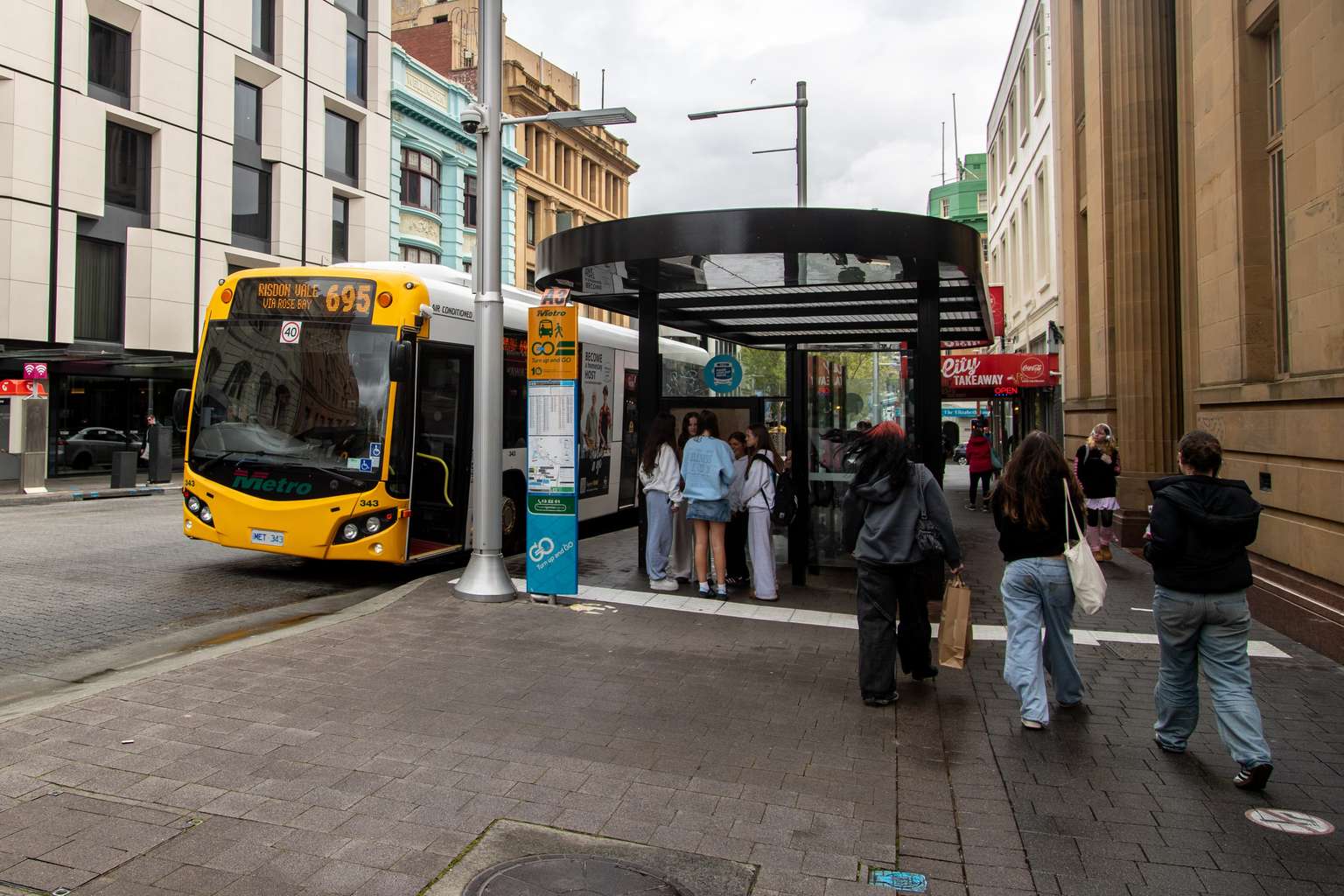
Free public transport on buses and ferries is extended for another 12 months, following an almost 30% rise in patronage since the scheme launched.
The government will spend $5 million on new ferry terminals at Lindisfarne, Sandy Bay and Wilkinsons Point and progress planning for Hobart’s new Rapid Bus Network.
At the doctor
A $16 million TassieDocs initiative will deliver tens of thousands of bulk-billed GP appointments in areas of need.
Community pharmacists will be able to treat more common conditions including ear infections, reflux, skin conditions and wound care under a $1 million training program, with another $1 million to extend pharmacy opening hours on evenings and weekends.
A $5 million IVF rebate will help couples through fertility treatment.
A $3.9 million statewide meningococcal B vaccination program will be rolled out, alongside a $30.8 million boost to breast screening that includes four new permanent clinics.
At the hospital
Health spending tops $15 billion across the budget and forward estimates.
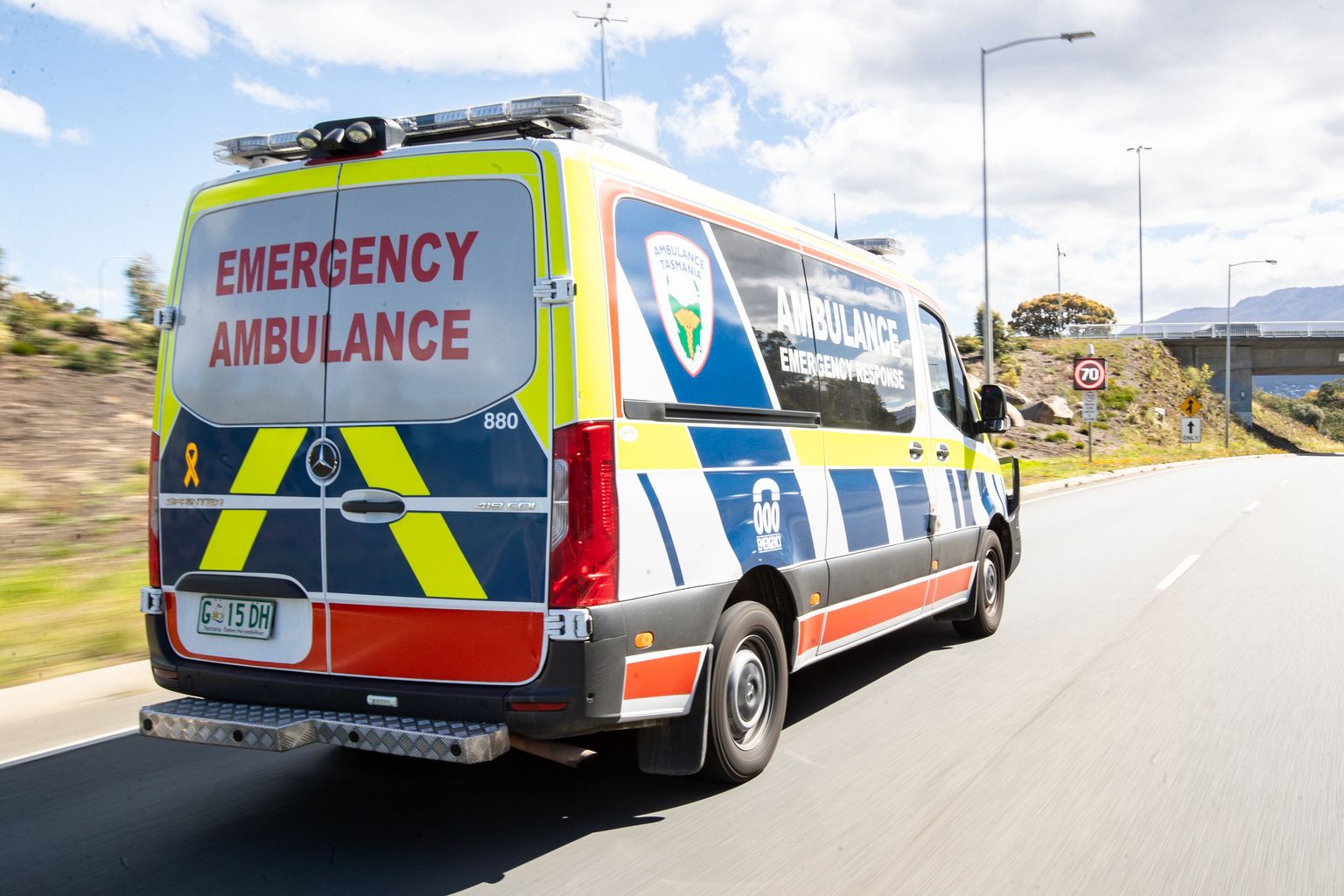
Emergency departments receive $1.2 billion, ambulance services $776.6 million and hospital infrastructure $844 million.
The Royal Hobart Hospital emergency department Stage 2 redevelopment gets $89.2 million, the Launceston General Hospital redevelopment $254 million and the new Launceston Northern Heart Centre $110.2 million.
A new 22-bed mental health inpatient unit at the $40 million North West Mental Health Precinct will replace the Spencer Clinic.
At school
The free school breakfast program continues, having delivered more than 300,000 breakfasts across 76 schools to up to 18,000 students.
The Healthy School Lunch Program is being rolled out in dozens more schools across the state.
An extra $16.7 million will fund literacy and numeracy improvements.
Libraries Tasmania receives $195 million, with Lilydale Library joining Devonport and Penguin in offering after-hours access.
For families and kids
The First Home Owner Grant stays at $20,000.
The Ticket to Play program offers two $100 vouchers per eligible child for sport and recreation, with the current round attracting nearly 9,300 sign-ups.
The Ticket to Wellbeing program gives Tasmanians over 65 a $100 voucher for sport or activity.
On energy and water bills
Electricity bill concessions total $234 million across the budget and forward estimates, worth roughly $650 a year for eligible low-income households.
The Energy Hardship Fund run by the Salvation Army receives $450,000.
Concession card holders can access more than $370 million in discounts across rates, travel, electricity, and water and sewerage bills.
Keeping safe
Public safety spending hits $1.37 billion, with more than $265.8 million for crime investigation.
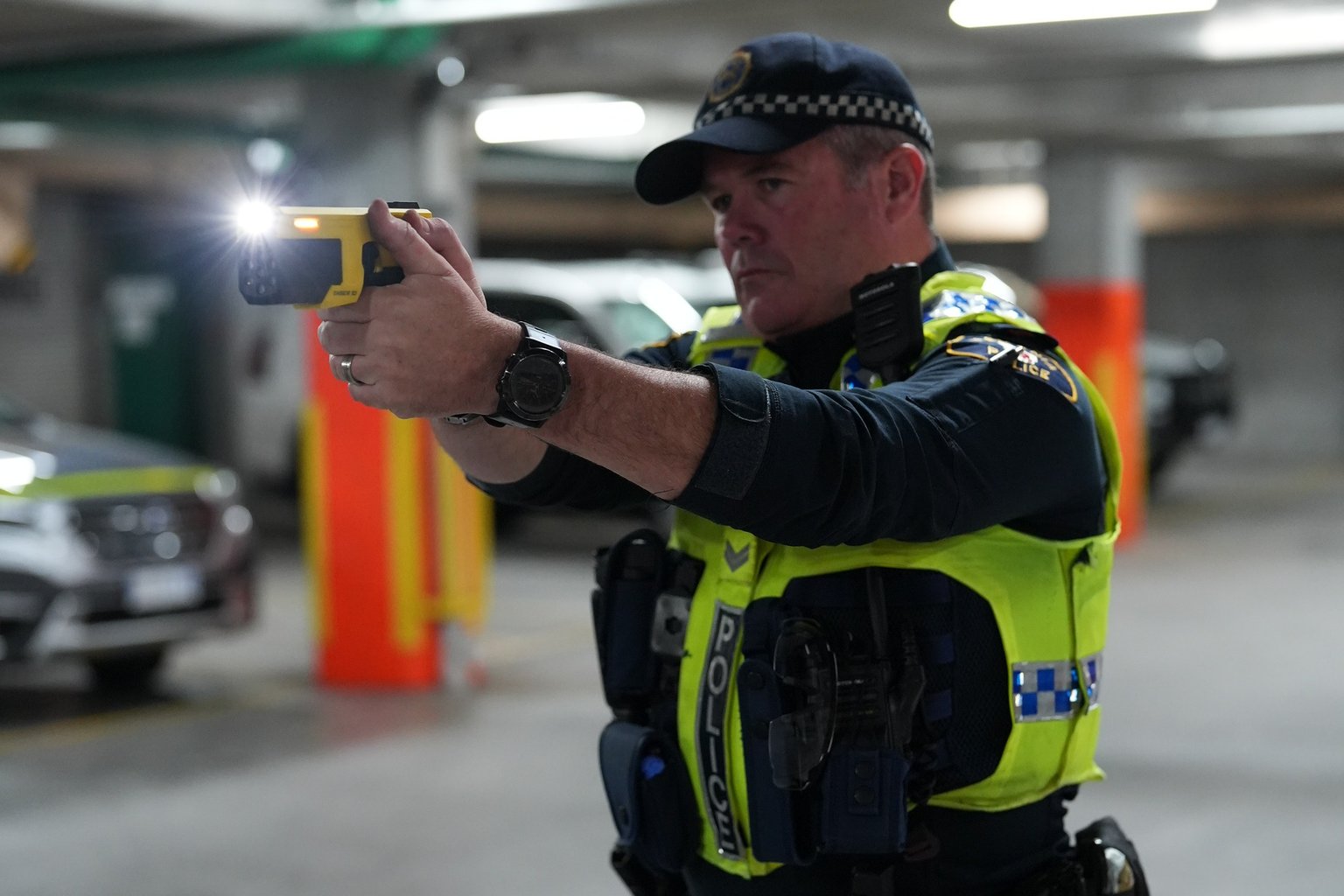
A $650,000 trial will train 50 police officers to use tasers over 12 months.
Body-worn cameras and protection vests continue to roll out to frontline officers.
A further $83 million is committed to preventing family violence and supporting women.
Driving around
The Bass Highway between Devonport and Launceston gets $145 million in upgrades.
The Tasman Highway Sideling receives $120 million, the Huon Highway between Kingston and Southport $43 million and the Algona Road grade separation and Kingston Bypass duplication $76.52 million.
The Macquarie Point Northern Access Road is allocated $75.6 million.
In the regions
The West Coast gets a $900,000 CT scanner, a $5.5 million upgrade to the West Coast District Hospital and $33.3 million for a new multi-day walk.
King Island will get a new ambulance station.
The West Coast Wilderness Railway receives an extra $28.3 million, bringing total government investment to $36.8 million.
Bicheno gets an expanded medical centre and a new ambulance station, Triabunna a permanent breast screening clinic and the Freycinet National Park an $11.8 million new visitor gateway.
The fiscal balance, which includes infrastructure spending, runs a $972.7 million deficit in 2026-27 before reaching a $635.2 million surplus by 2029-30.