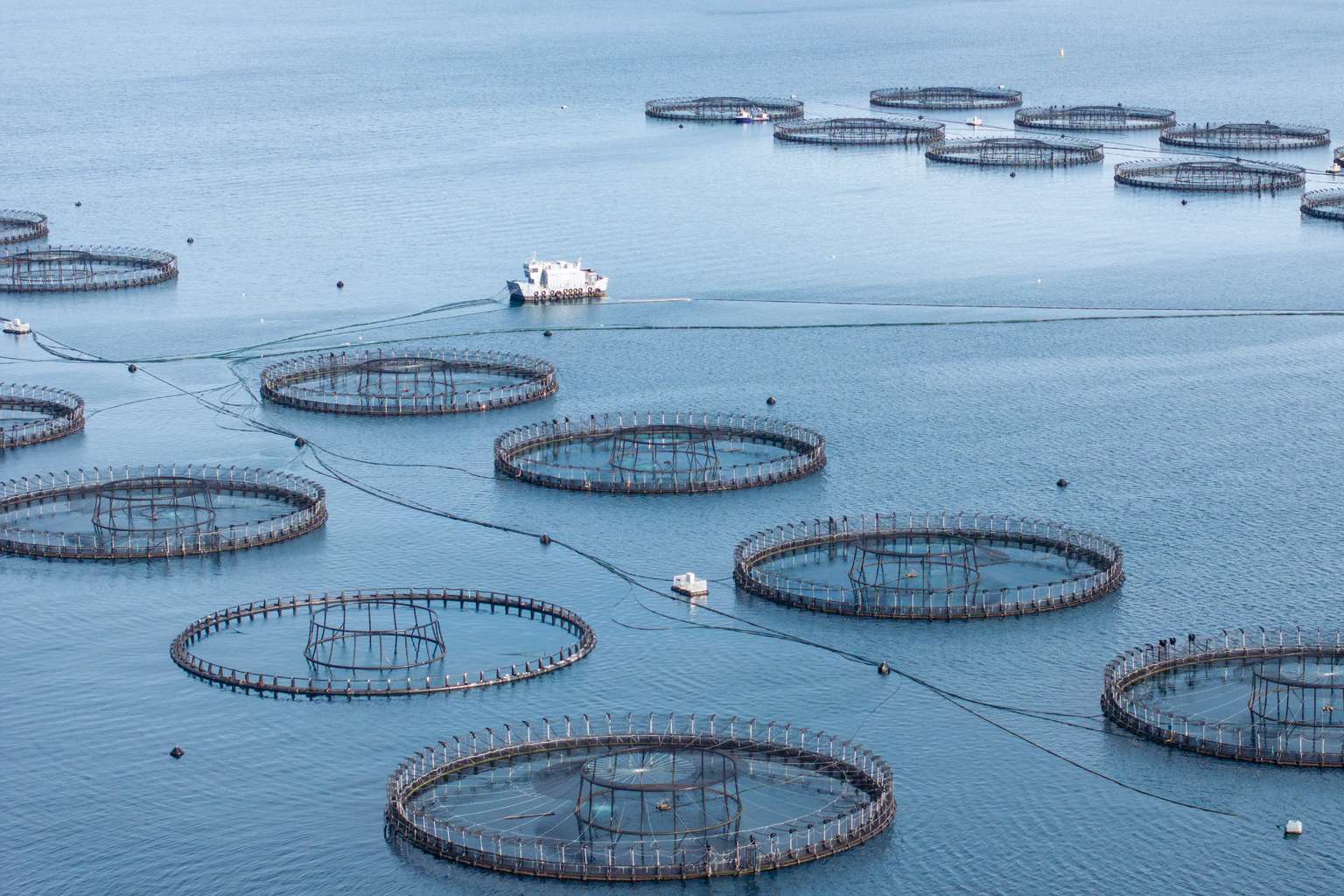
Antibiotic use at nine Tasmanian salmon farms posed a “low risk” to the marine environment, a final assessment by the state’s environment watchdog has found.
The findings come after the national veterinary regulator suspended the emergency permit for florfenicol earlier this year.
The Australian Pesticides and Veterinary Medicines Authority (APVMA) suspended the permit on March 4 “on the basis of unacceptable risk of residue exposure to non-target species”.
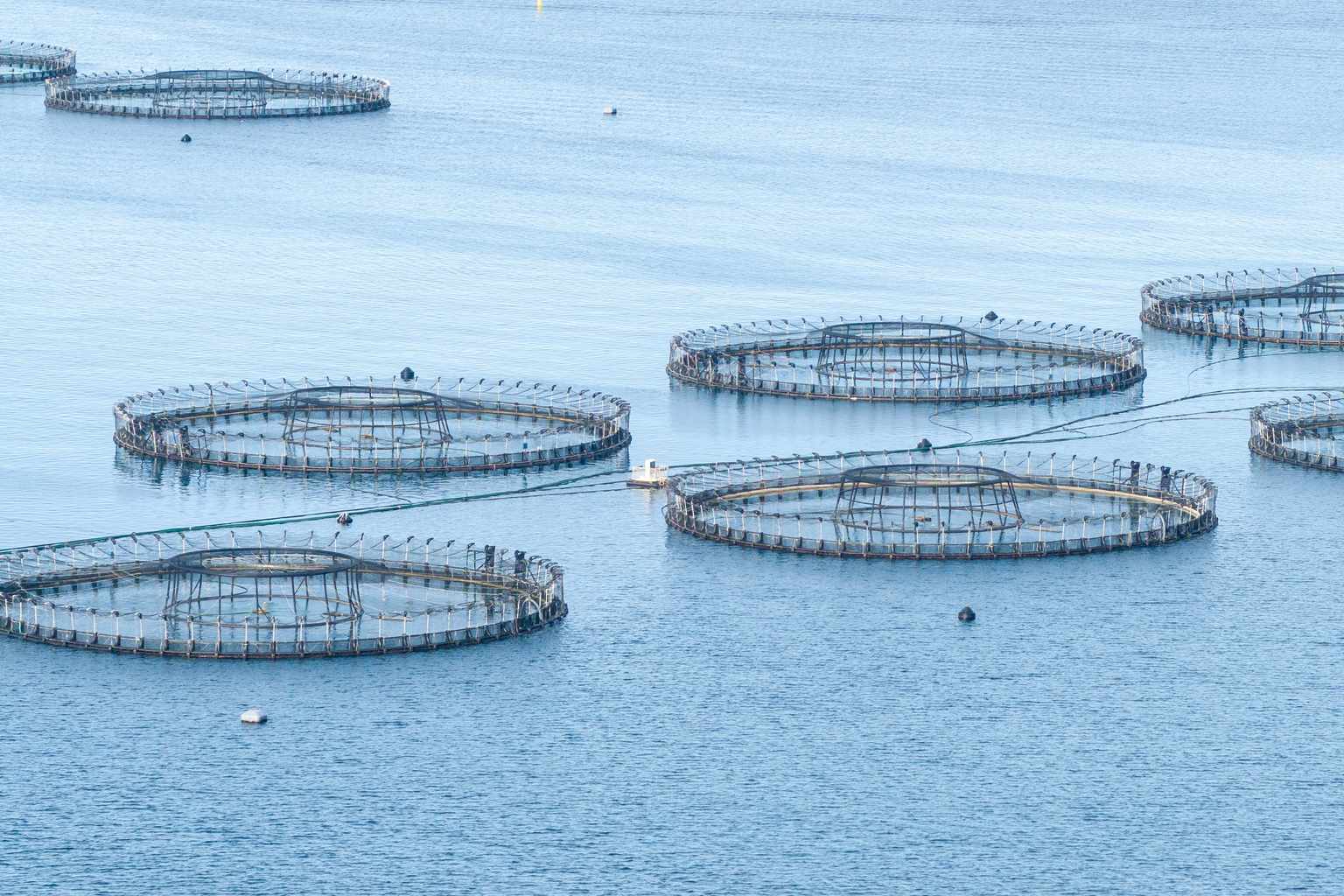
The EPA today released its environmental risk assessment of florfenicol, an antibiotic the authority said was used to treat the bacterial disease Piscirickettsia salmonis at salmon leases in southern Tasmania between November 2025 and March 2026.
According to the EPA, the assessment drew on 4,240 water and sediment samples, which the authority described as the largest dataset ever collected on antibiotic use in marine aquaculture.

The EPA said fewer than 12% of samples contained any measurable amount of florfenicol or its breakdown product, florfenicol amine.
None exceeded the authority’s interim guideline values, it said.
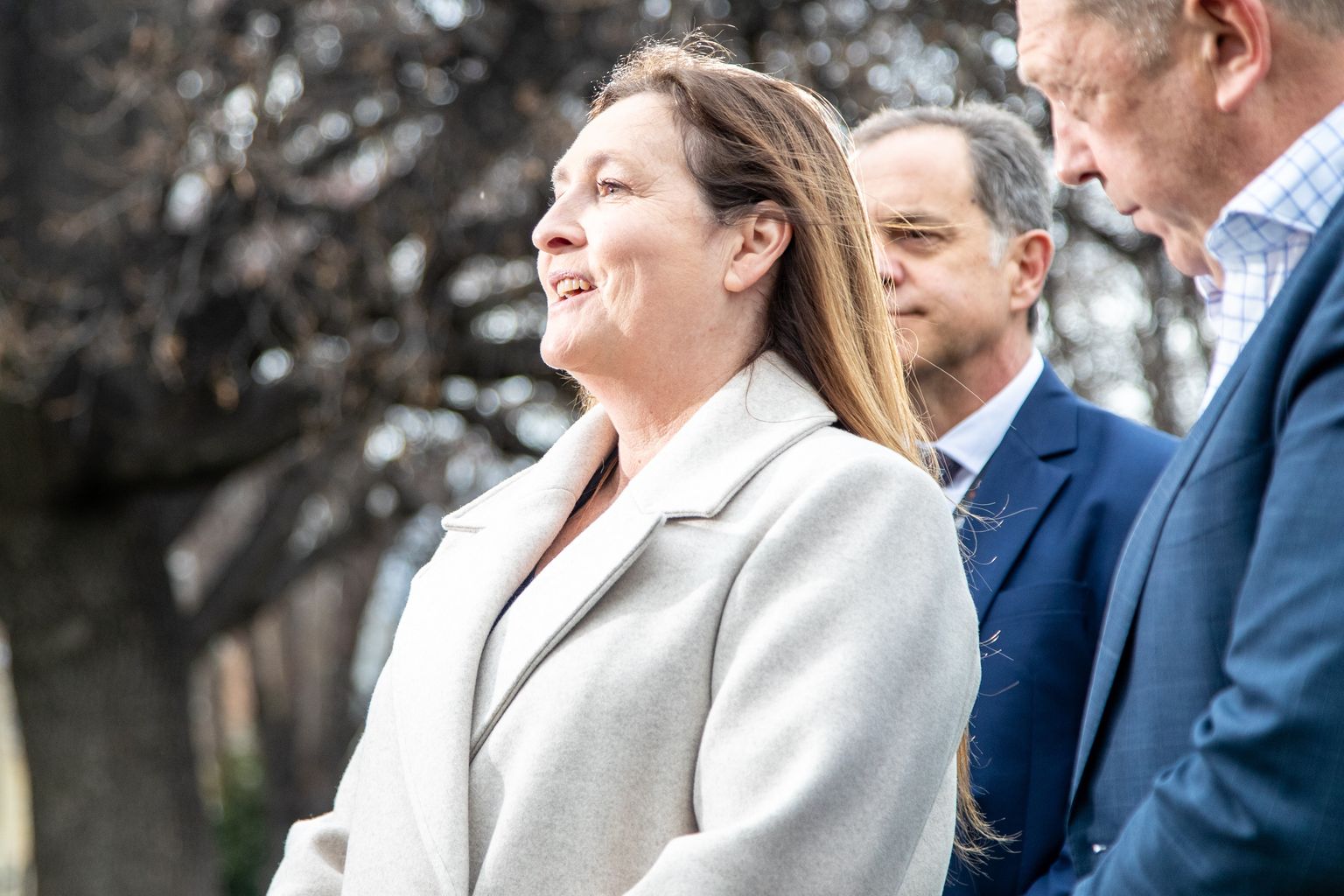
EPA director Catherine Murdoch said the assessment showed most of the antibiotic was taken up by the fish, with very little reaching the surrounding environment.
“This risk assessment brings together extensive field work and a detailed review of florfenicol and its breakdown product florfenicol amine,” Murdoch said.
The EPA said it had set interim guidelines of seven micrograms per litre for pristine marine ecosystems and 50 micrograms per litre for modified ecosystems such as the D’Entrecasteaux Channel.
According to the authority, the highest level detected in water was 5.2 micrograms per litre, found next to a fish pen during treatment.
The EPA said that was about 10 times below the strictest guideline, with the average sitting at 0.4 micrograms per litre.
The authority said levels dropped quickly with distance from the leases and over time after treatment ended and that florfenicol did not persist in sediment beyond 14 days.
“The findings of this environmental risk assessment highlight that the use of florfenicol in Tasmania’s marine waters between November 2025 and March 2026 posed a low risk of causing unacceptable environmental harm,” Murdoch said.
Industry body Salmon Tasmania welcomed the result.
CEO John Whittington said the findings backed years of monitoring data.
“The EPA’s findings align with the best available science that has consistently shown florfenicol does not impact the environmental health of our waterways or affect the safety of fish caught from them,” Whittington said.
Whittington said growers used vaccines and selective breeding to keep fish healthy and only turned to antibiotics on veterinary advice.

“Tasmanian salmon growers operate under the strongest regulatory regime in the world,” he said.
“We take our environmental responsibilities incredibly seriously and we welcome this kind of rigorous, independent scrutiny.”