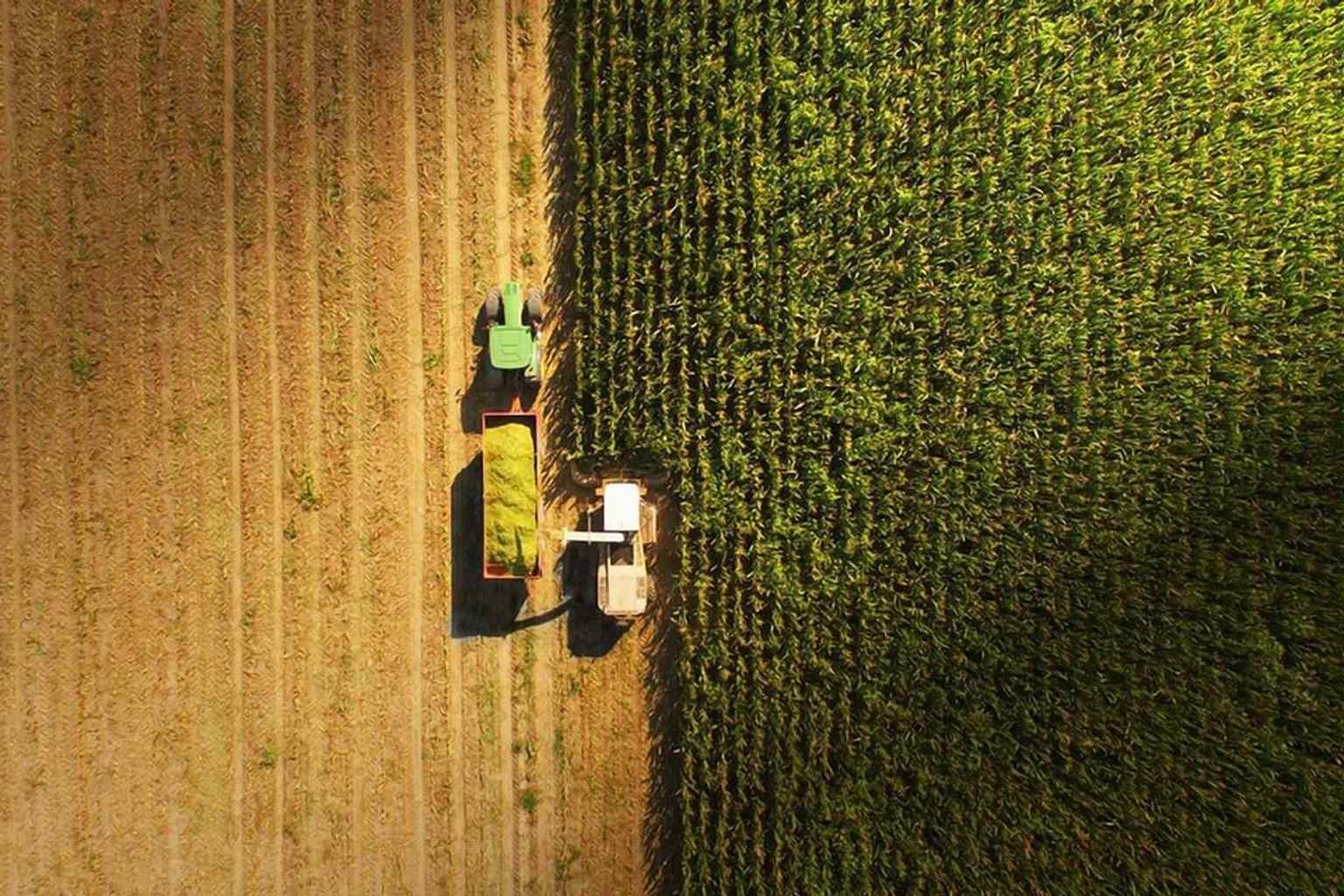
Tasmanian farmer confidence has dropped sharply as the fallout from Middle East tensions drives up costs and raises concerns about fuel security, according to a new survey released today.
The Rabobank Rural Confidence Survey found Tasmania’s net rural confidence index fell from 21% to negative 38% this quarter, with more farmers expecting conditions to worsen than improve over the next 12 months.
Despite the steep decline, Tasmania and Victoria still hold the highest levels of rural confidence in the country.
Nearly half of Tasmanian farmers surveyed cited rising input costs as a key concern, double the figure from last quarter.
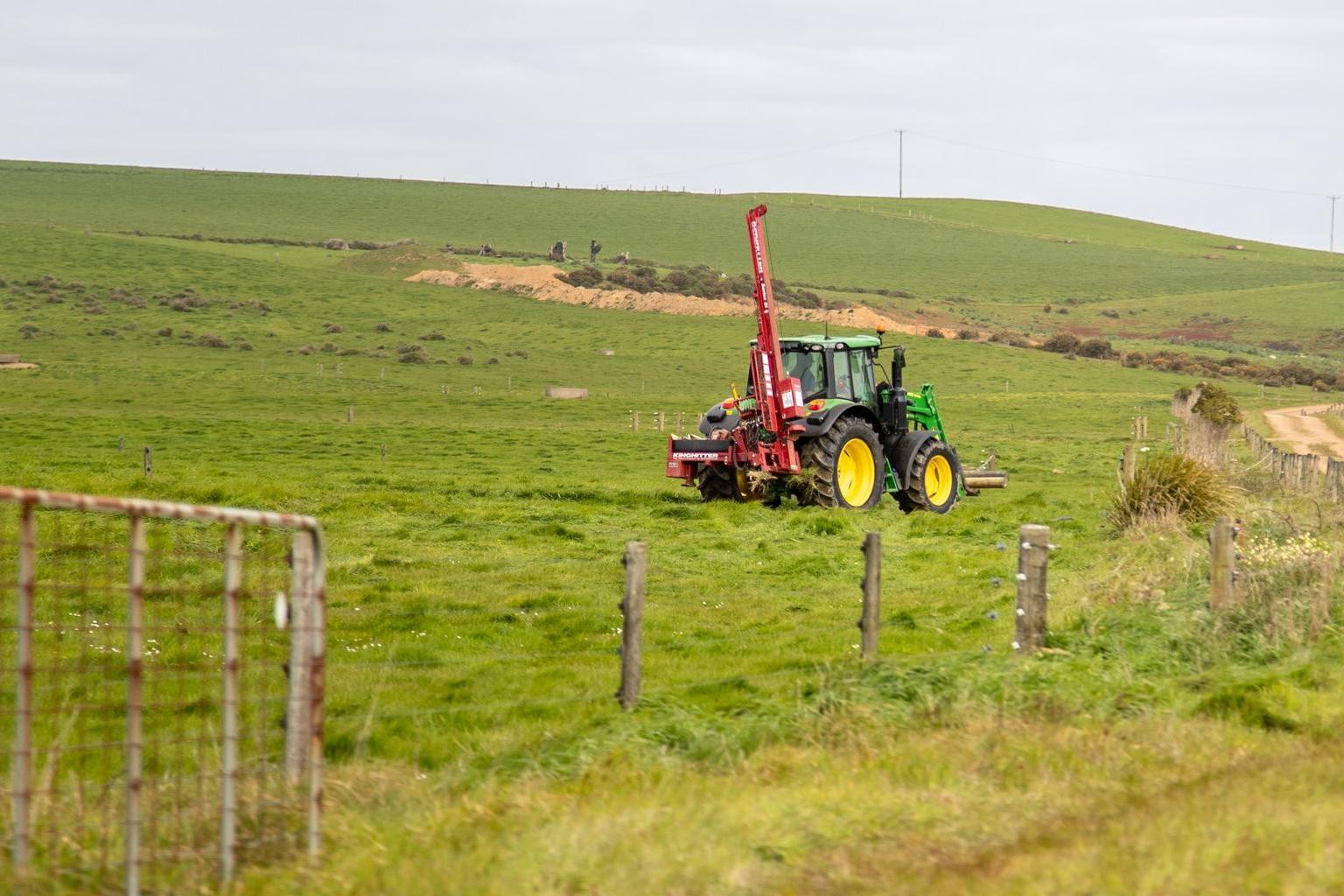
Fuel security also emerged as a new worry, with 21% of farmers expecting it to be a negative issue for the agricultural economy in the year ahead.
Rabobank area manager for Tasmania Stuart Whatling said the state’s mix of livestock, dairy, crops and horticulture added complexity to the downturn.
“Rising input costs remain top of mind for Tasmanian farmers, fertiliser in particular has been a major concern, as it’s a double-edged sword of both availability and cost,” he said.
Whatling said farmers would be closely watching the outcome of the announced US and Iran peace agreement and its effect on the Strait of Hormuz.
“The impact of tensions in the Middle East presents in a similar way on-farm to a drought. However, while Tasmanian farmers have invested heavily in drought mitigation strategies and irrigation, there isn’t a corresponding mitigant to this input shock,” he said.
Beef producers reported the lowest confidence levels across commodity sectors in the state, while sheep producer confidence also fell.
Dairy confidence nudged up slightly but remained negative, with recent milk processor payments helping offset fuel and fertiliser costs.
Drought remained a concern for 36% of farmers, though statewide rain at the end of May offered some relief.
Investment intentions were mixed. Slightly more farmers plan to increase investment, but more also intend to cut spending compared with last quarter.
Farmers are prioritising on-farm infrastructure and water projects, while appetite for new machinery, technology and property purchases fell sharply.
“Higher borrowing costs, a dry outlook and squeezed margins have also tempered farm expansion plans,” Whatling said.
The next survey results are due in September.