Federal Agriculture Minister Julie Collins has ruled out intervening to stop the controversial sale of Tasmania’s largest farm to a UK forestry investor, saying she has no power over the deal itself.
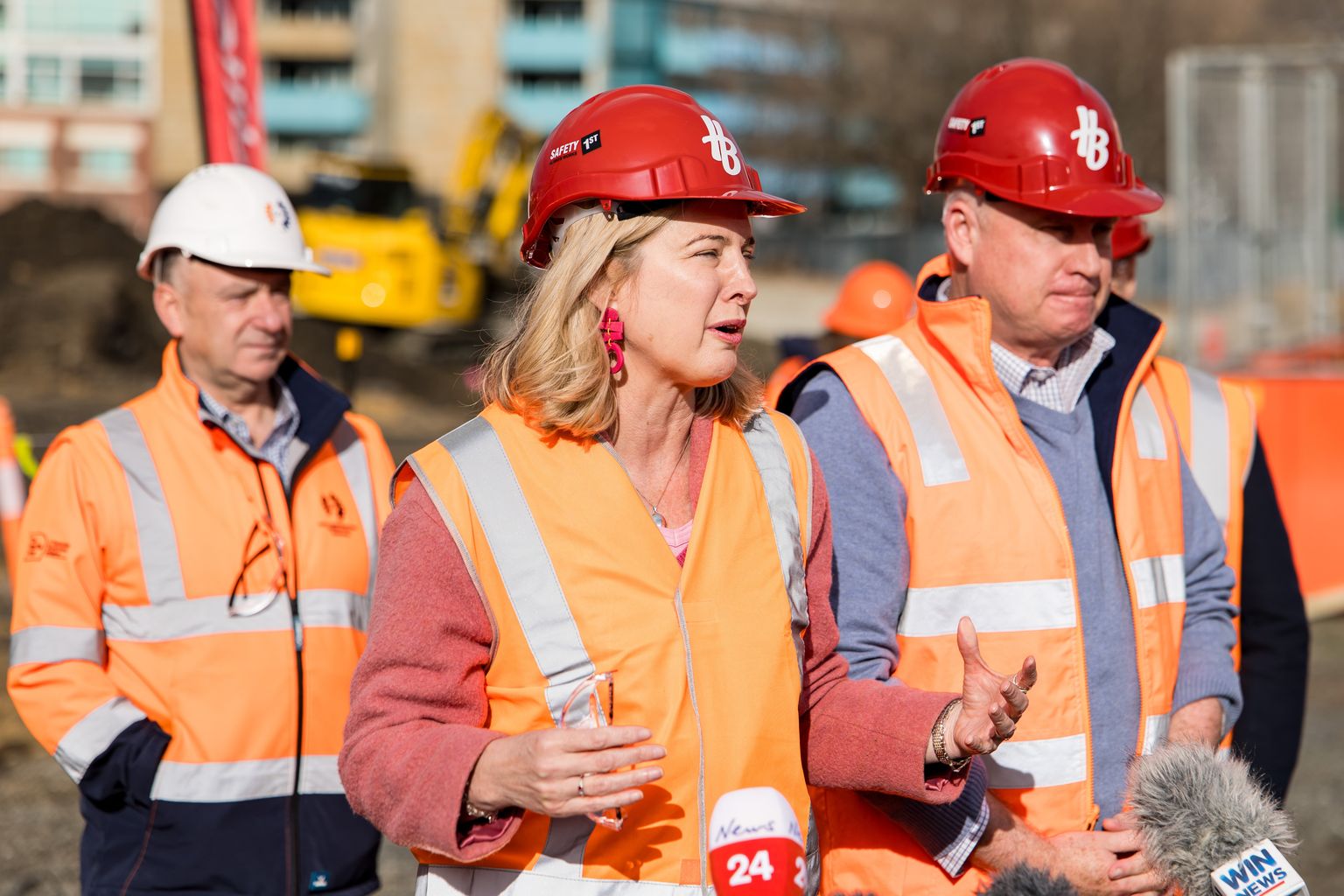
“I have no role in the sale at all in terms of Rushy Lagoon,” Collins said while attending the Macquarie Point Stadium site preparations in Hobart on Monday.
“This is a private land sale.”
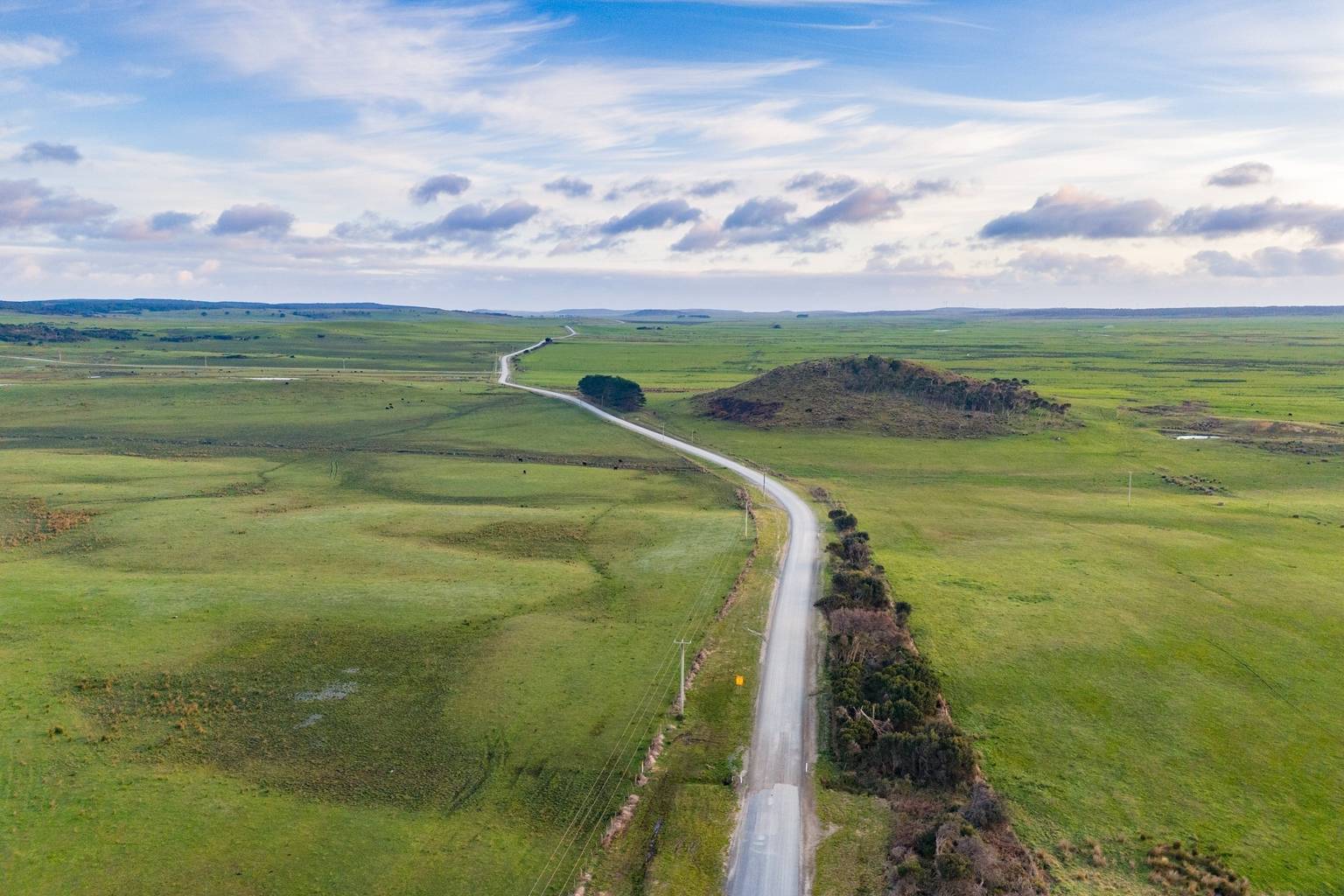
Federal Treasurer Jim Chalmers approved the sale of the property near Cape Portland to the Tasmanian Natural Asset Trust, managed by UK firm Gresham House, in a deal worth more than $100 million.
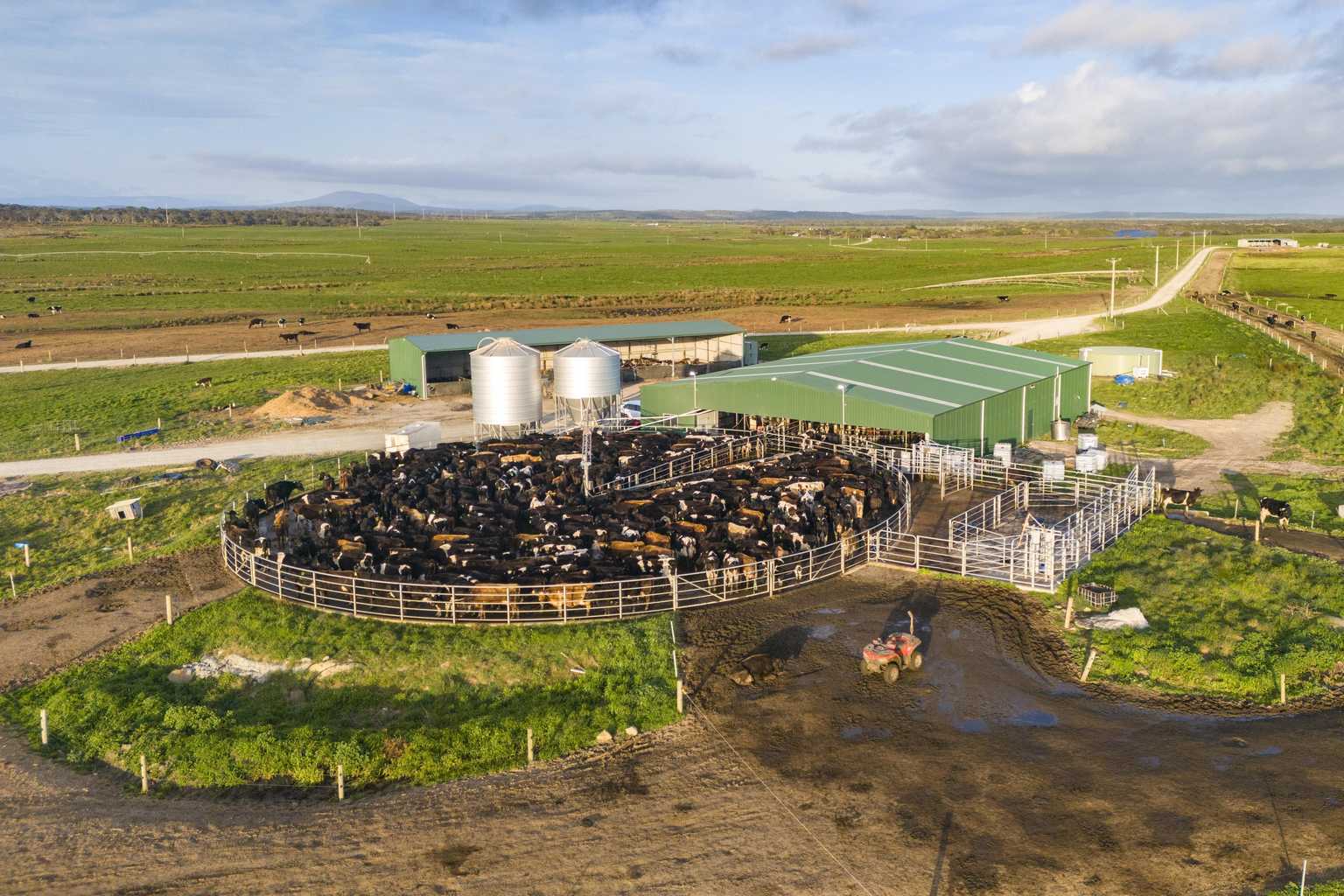
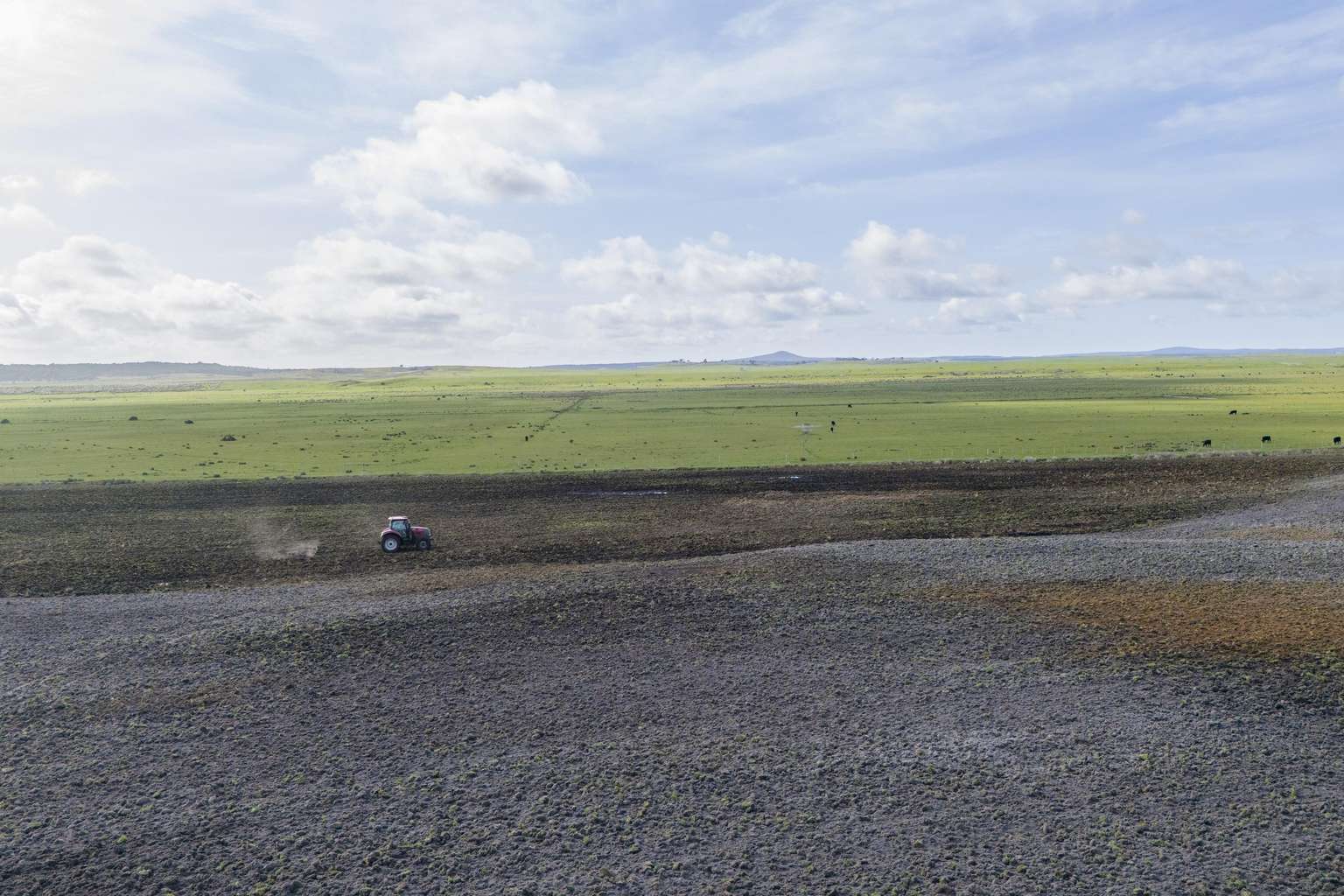
The property spans more than 21,000 hectares across two holdings and carries dairy and beef cattle, backed by 1,170 hectares of irrigation and 12,500 megalitres of water entitlements.
Collins described the purchase as a boost for the region.
“This is a significant investment in northern Tasmania of over $140 million that will create jobs for Tasmanians,” she said.
When pressed on whether she could indirectly block the deal by vetoing carbon credits linked to the forestry plans, Collins acknowledged the power exists but indicated the process had already run its course.
“In relation to the ACCUs, there is a veto about agricultural production nationally,” she said.
“That process has been gone through.”
She noted the system was the same one established by former Liberal minister Angus Taylor.
Tasmanian Primary Industries Minister Gavin Pearce hit back, saying Collins was taking farmers for mugs.
“It’s there in black and white, Minister Julie Collins can put a stop to Rushy Lagoon,” Pearce said.
“Julie Collins has finally admitted she has the power to veto, now she must act.”
Pearce called on federal Labor member Janie Finlay to join the push for Collins to use the veto.
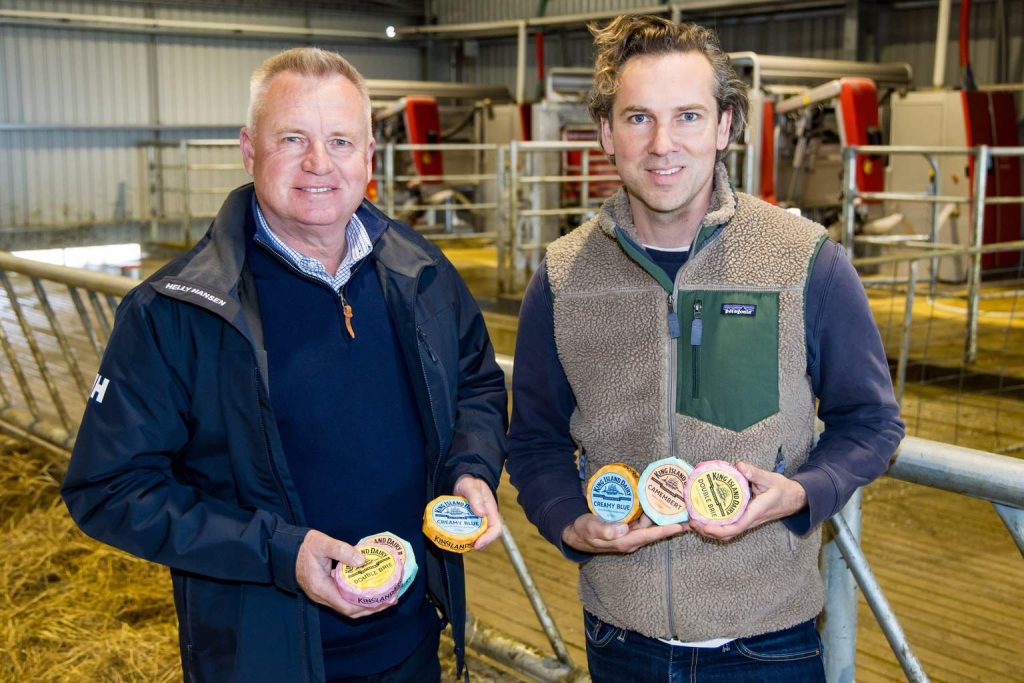
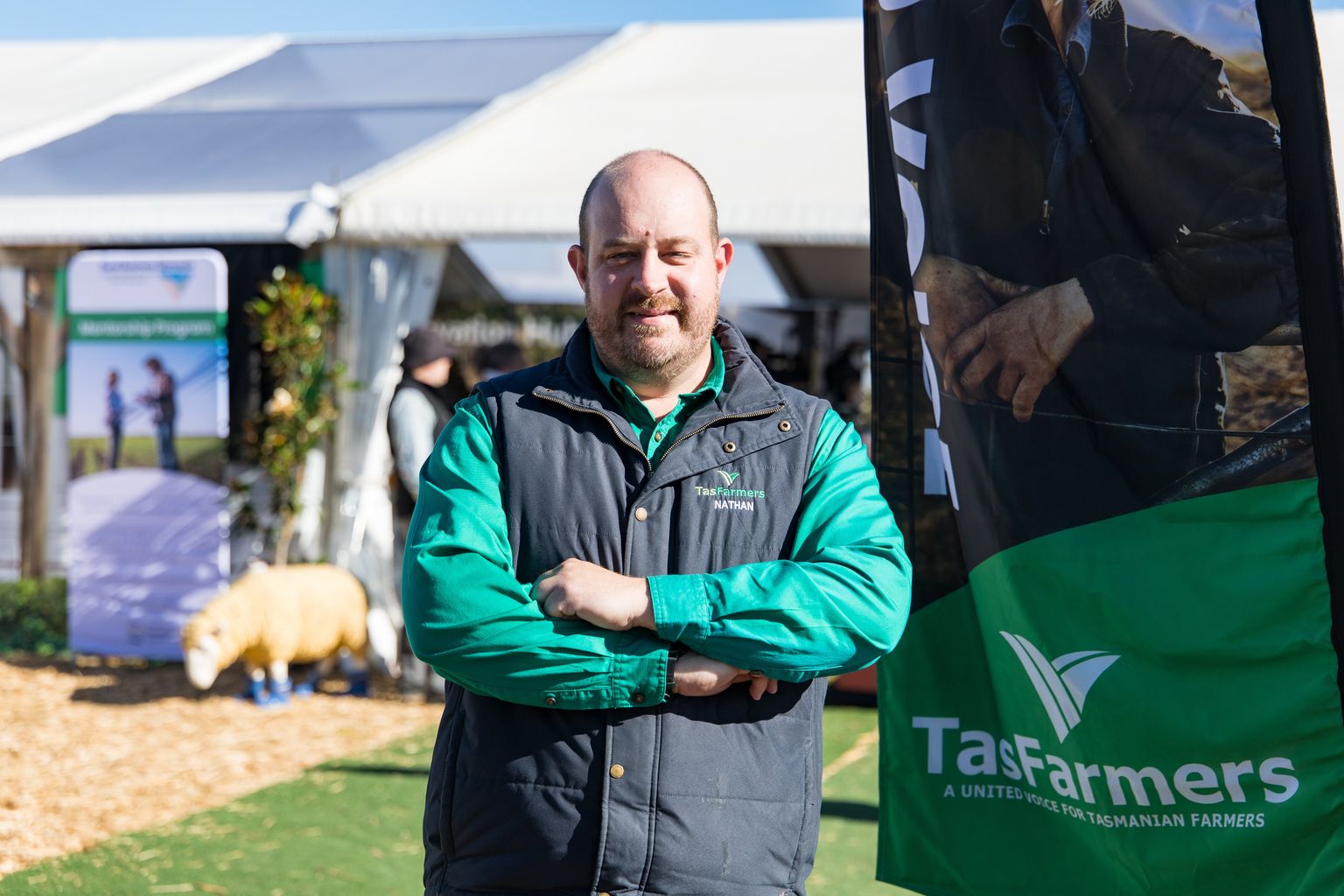
TasFarmers president Nathan Cox has called the outcome “disgraceful”, saying the federal government had agreed to turn productive farmland into monoculture pine plantation for a foreign investment fund.
A TasFarmers survey found 99% of respondents opposed the sale.