The Tasmanian government has formally apologised to families whose loved ones had body parts taken during coronial autopsies and handed to the University of Tasmania without consent.
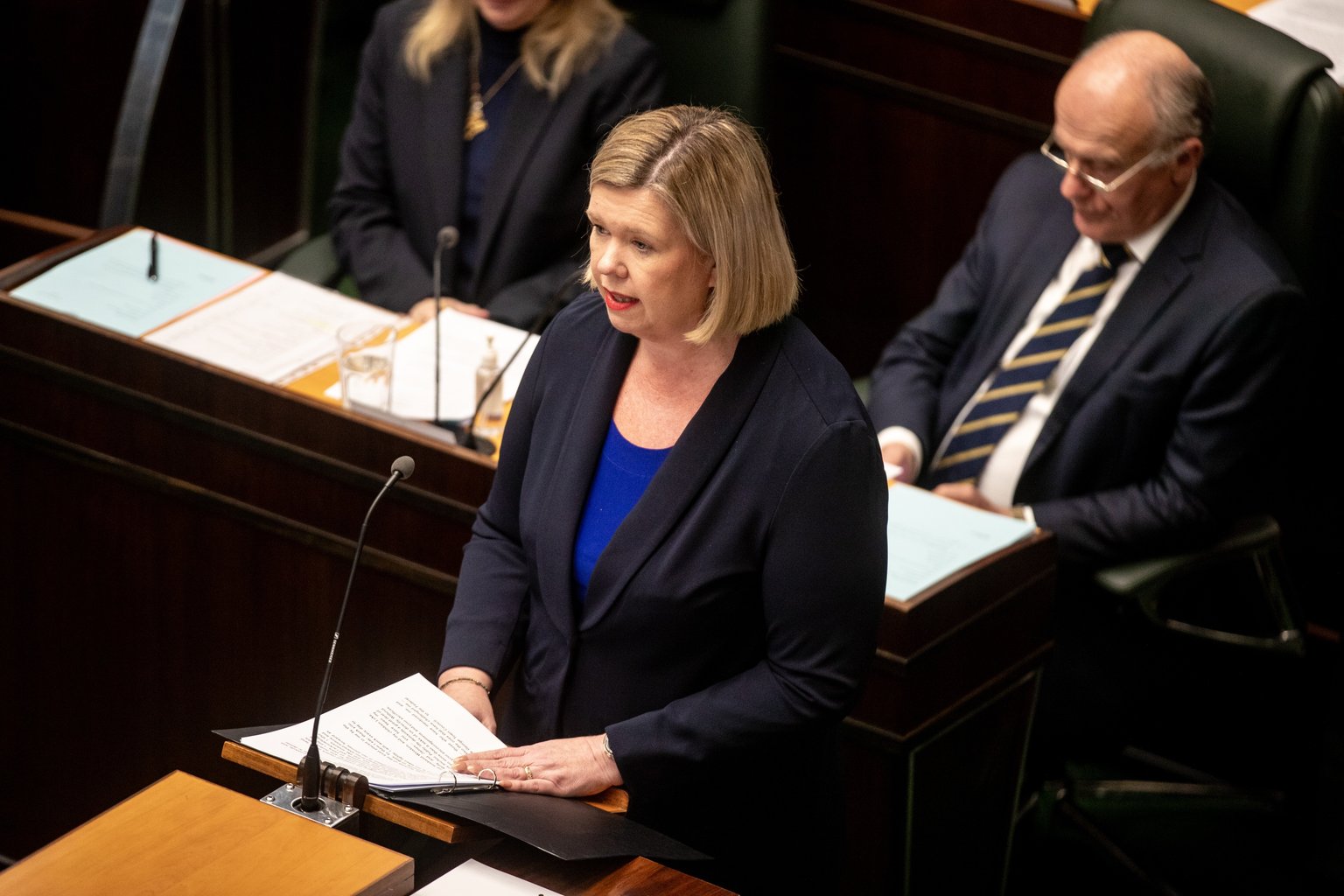
Health Minister Bridget Archer delivered the parliamentary apology, describing the practices as “appalling” and saying sorry for the “enduring distress, anger, pain, grief and trauma” suffered by affected families.
“Although these historical practices ended 35 years ago, the deep impact this has had on the families and loved ones of the deceased continues to this day,” Archer told parliament.
“It’s important to remember that these were not just body parts or specimens or human remains. They were people.”
“They were mothers, fathers, daughters, sons, brothers and sisters who were missed by their loved ones, and it’s no doubt the pain of losing them has been exacerbated by what occurred later.”
Archer read out the names of 23 people whose families had given consent for them to be identified during the speech.
The apology addressed the failure to respect the dignity of those who died and the rights of their families.
“These actions occurred within a broader system of governance and oversight that, at the time, failed to prevent, identify, or address these practices,” Archer said.
“We acknowledge the shock, the anger, the grief, and the trauma experienced by families on learning – often many years or decades later – that the remains of their loved ones had been stolen.”
“In many cases, families became aware of these matters through public processes and some families were not able to make informed choices about how their loved one was laid to rest.”

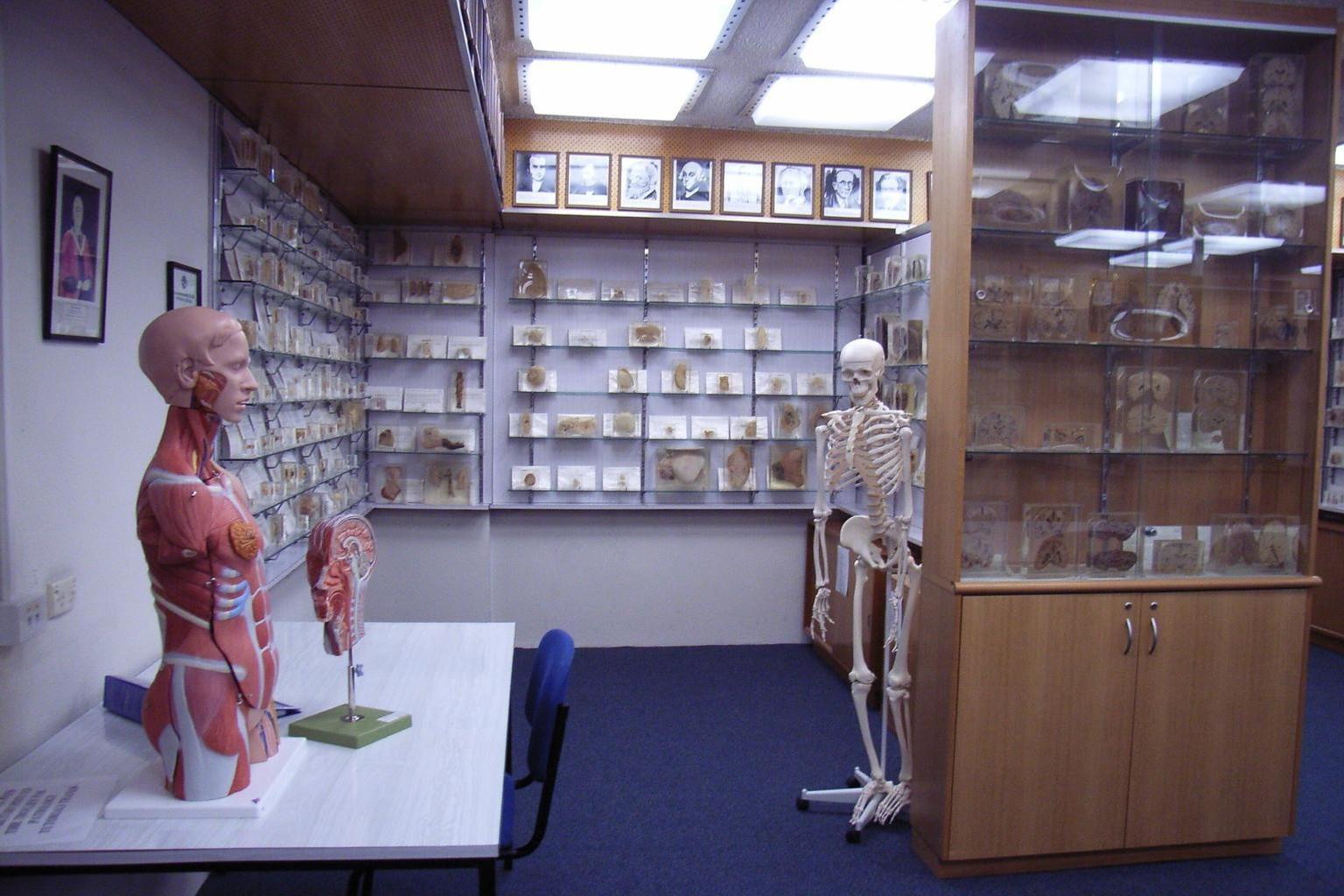
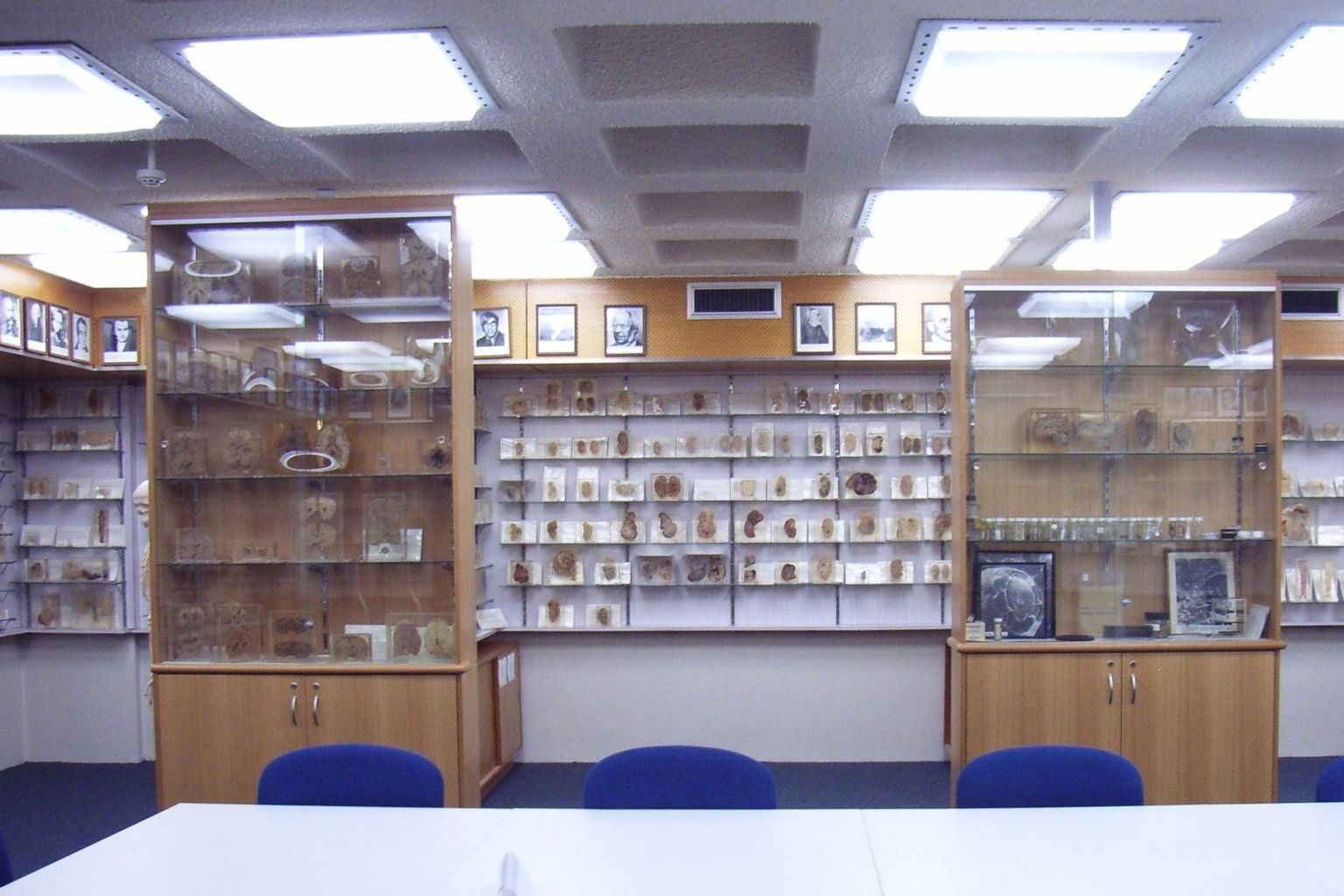
Human remains collected during autopsies were provided to the university’s R.A. Rodda Pathology Museum, which was set up in 1966 to support teaching and research in medical sciences.
University of Tasmania Deputy Vice-Chancellor for Health Graeme Zosky said learning about what happened had been deeply traumatic for families.
“Learning that parts of their loved ones had been taken and kept in this way has been a traumatic experience for impacted families,” Zosky said.
“While we recognise an apology cannot fix the hurt and distress families have felt, we are sorry.”
He said university staff had met personally with many family members during the Coroner’s investigation to help them understand what had occurred.
“We remain available to them and committed to supporting them with care and respect,” he said.