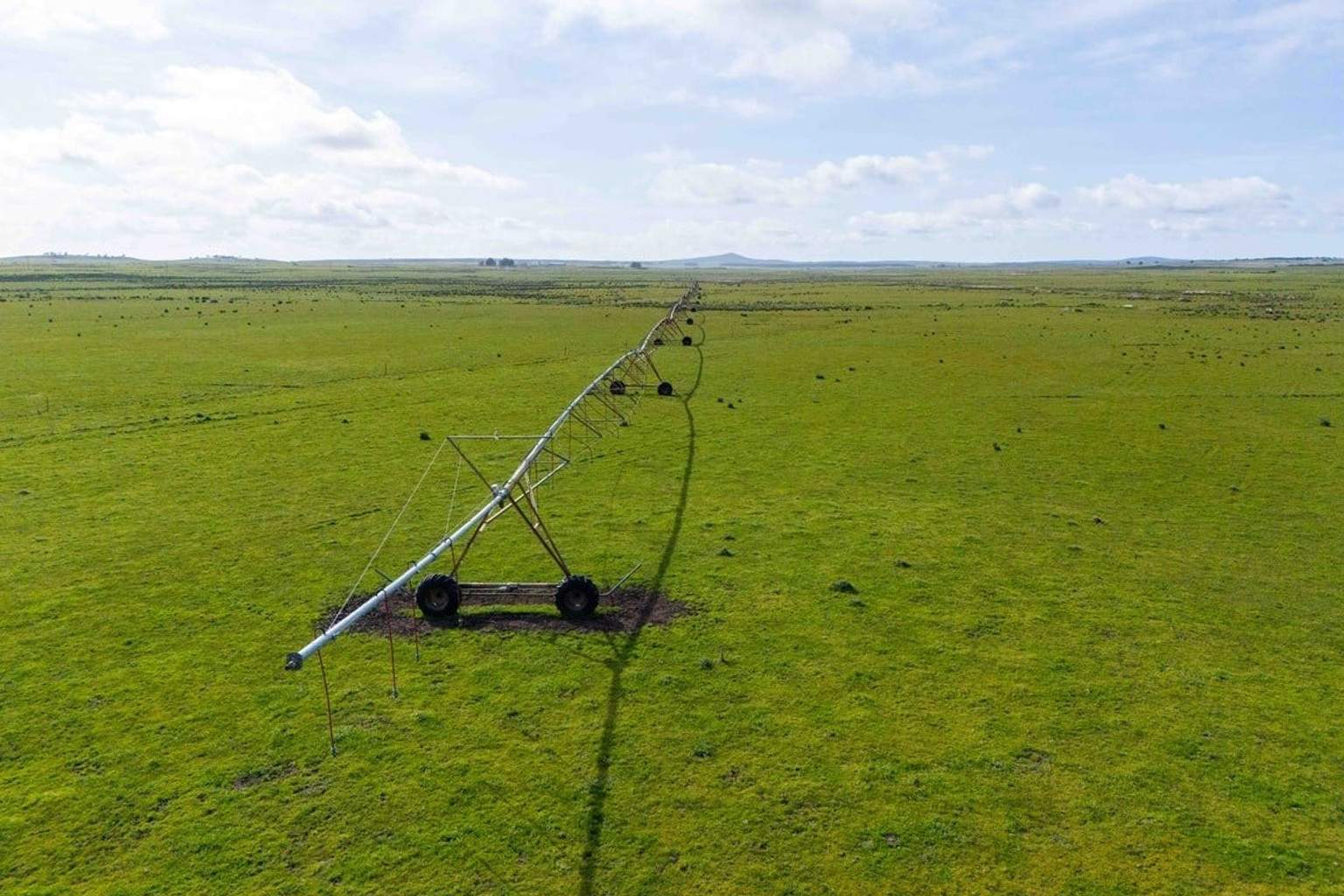
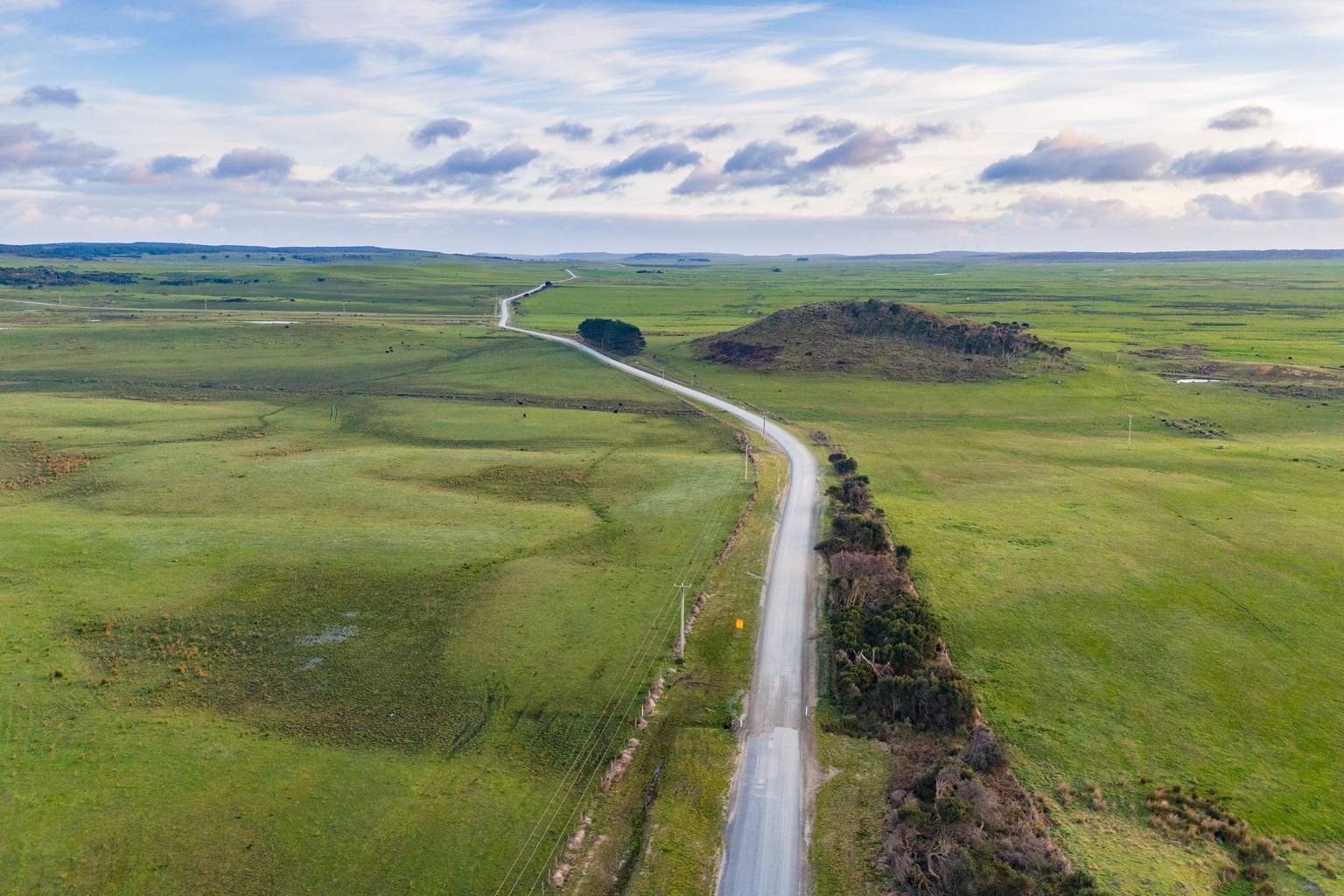
The Tasmanian government has called on Prime Minister Anthony Albanese to intervene and overturn federal approval of the sale of Rushy Lagoon, the state’s biggest farm.
Treasurer Jim Chalmers signed off on the sale on Wednesday, clearing a trust managed by UK forestry asset manager Gresham House to buy the property near Cape Portland, in Tasmania’s far north-east.
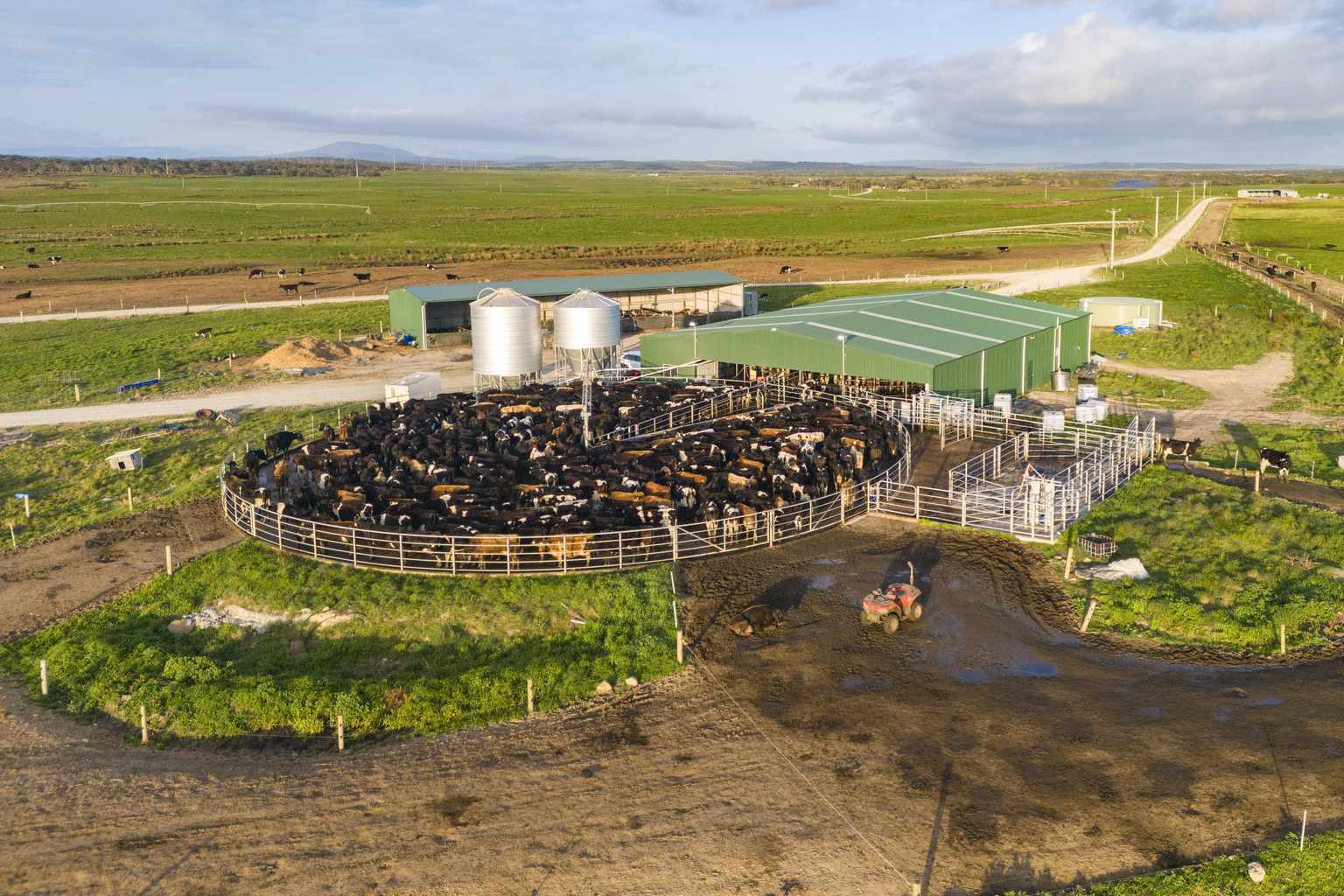
Much of the 21,745-hectare dairy, beef and cropping property will be converted to pine plantation.
The taxpayer-owned Clean Energy Finance Corporation (CEFC) is an investor in the $142 million project, alongside Aviva Investors and Gresham House.
Acting Premier Bridget Archer was critical of a local farmer being “locked out” of the sales process while taxpayer funds were used to back the overseas bid.
“Australian taxpayers have bankrolled a foreign company to buy up massive tracts of Tasmania and turn productive agriculture land into trees for carbon credits,” she said.
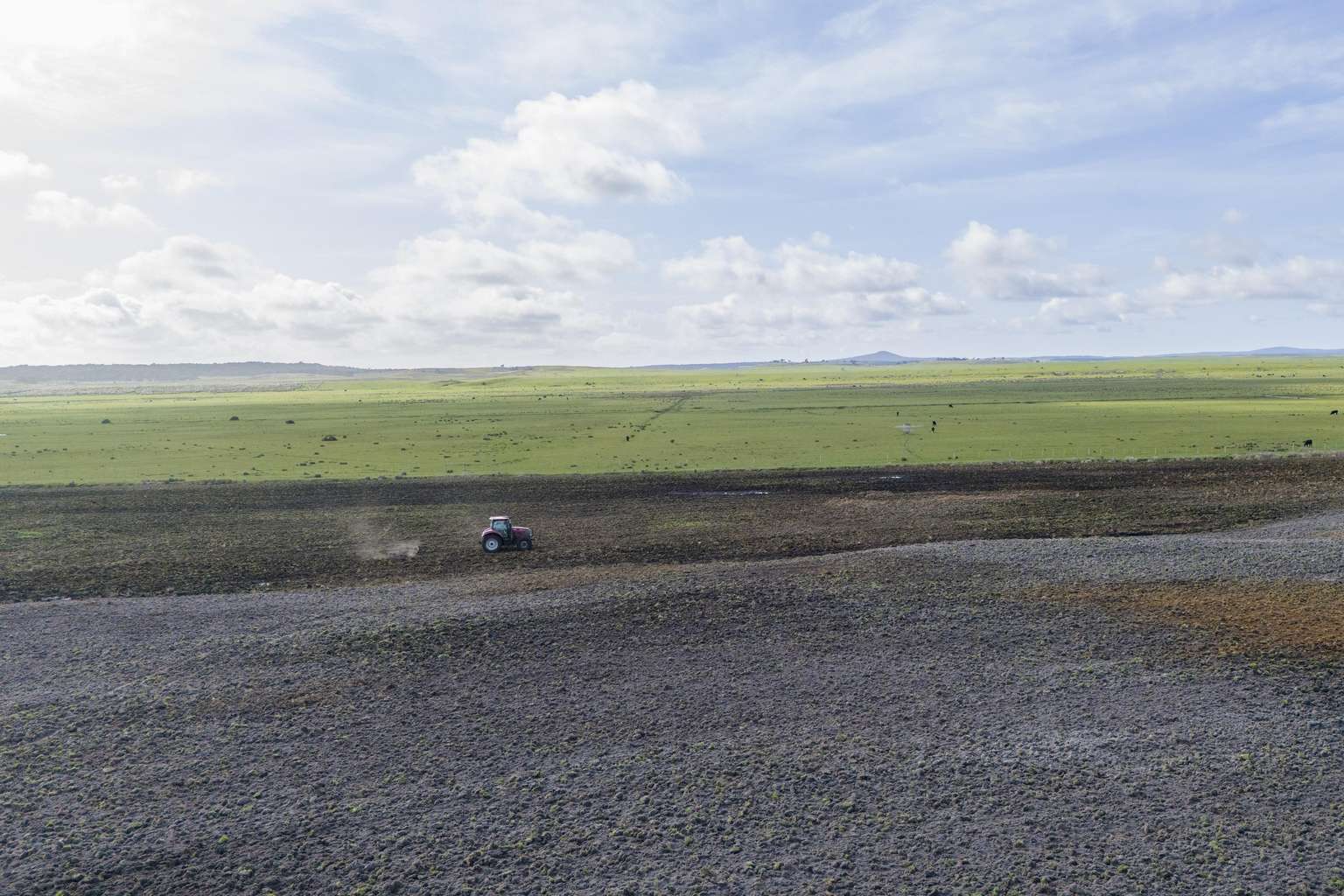
“Rushy Lagoon is one of Tasmania’s most significant farming assets and has made a major contribution to our dairy, beef and cropping sectors for decades.”
“We are calling on the prime minister to step in and reverse the decision of his treasurer.”
Primary Industries and Water Minister Gavin Pearce said the decision showed Canberra was “completely out of touch” with regional Tasmania.
“Our farmers have been loud and clear on the impacts this decision will have,” he said.
Chalmers said the sale was assessed by the Foreign Investment Review Board and found not contrary to the national interest.
“This was a very difficult, on balance call and it follows a rigorous process and extensive consultation that took account of all relevant considerations including economic, environmental and other national interest issues,” he said.
He said he had carefully considered the community’s concerns.
The CEFC says the project converts degraded farmland and will support the forestry industry while protecting an important wetland.
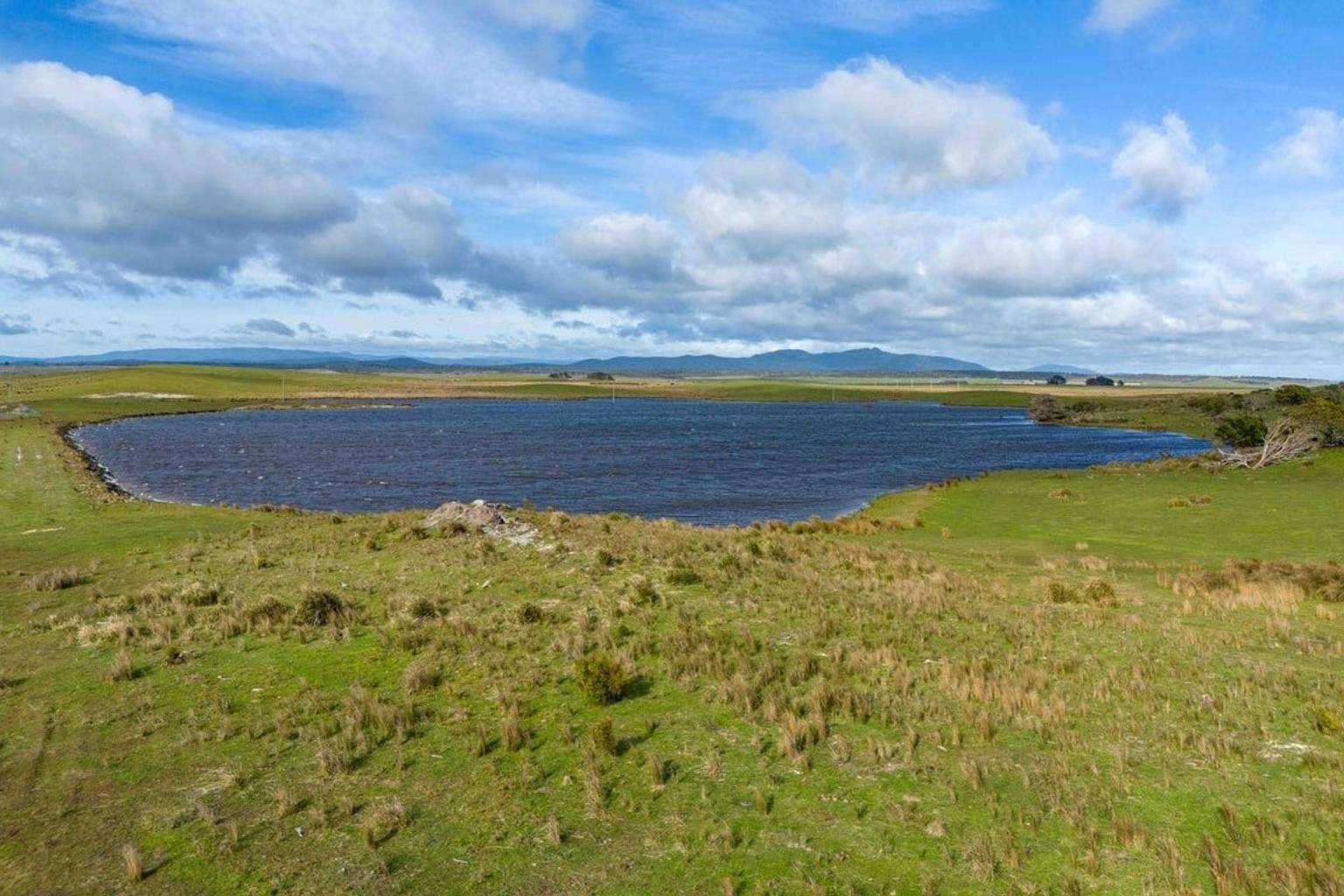
Heechung Sung, head of natural capital at the CEFC, said the investment would “create local jobs, support sustainable timber production, introduce sustainable grazing and protect the unique environment”.
“It is a demonstration of the power of institutional capital to drive economic development for regional communities while also supporting decarbonisation and positive environmental outcomes,” he said.
The project is forecast to deliver more than 190 jobs, about five million tonnes of timber and 3.2 million carbon credit units.
The CEFC says the radiata pine will be processed by Tasmanian sawmills to help ease a shortage of construction timber and that sustainable agriculture will continue in designated areas.