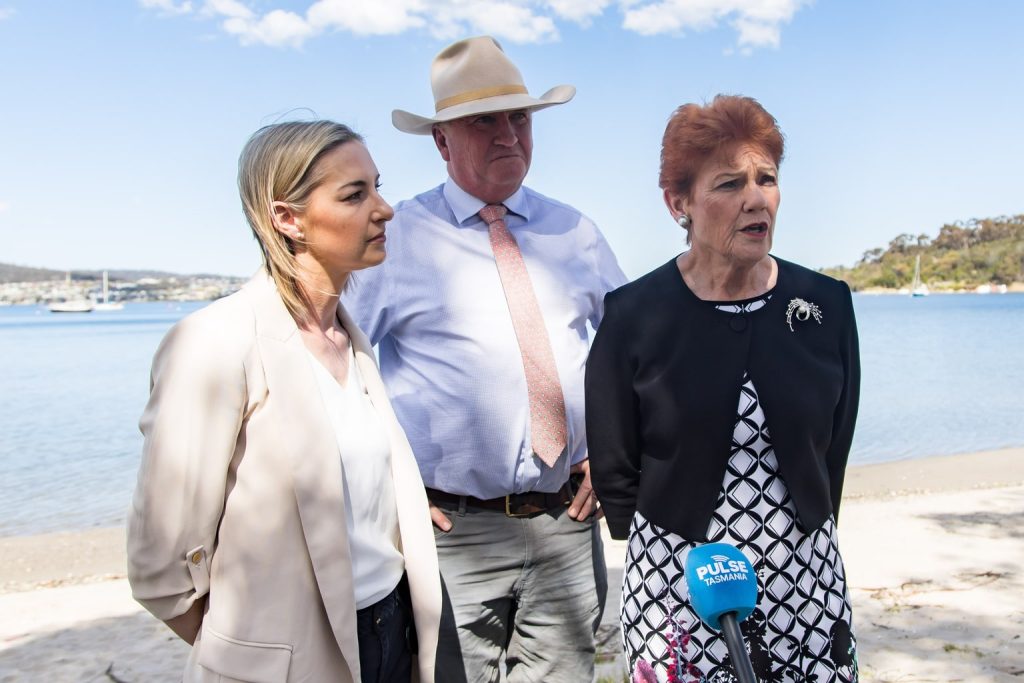
A crack has opened within Tasmanian Labor over the sale of Rushy Lagoon, with one MP publicly condemning the deal while her colleagues mounted a full-throated defence of the investment in parliament.
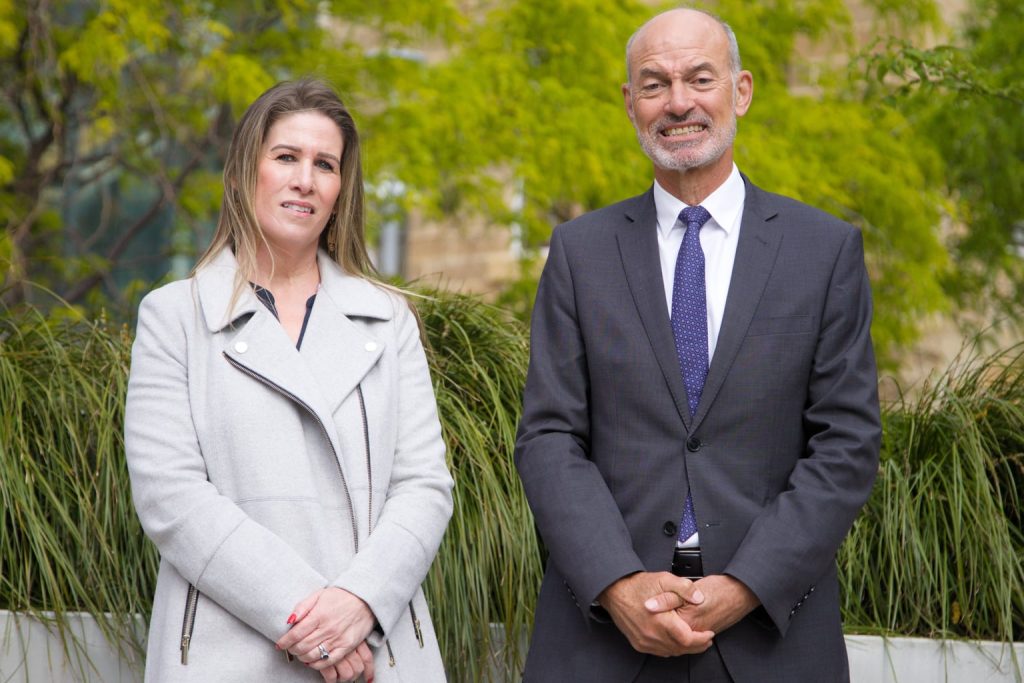
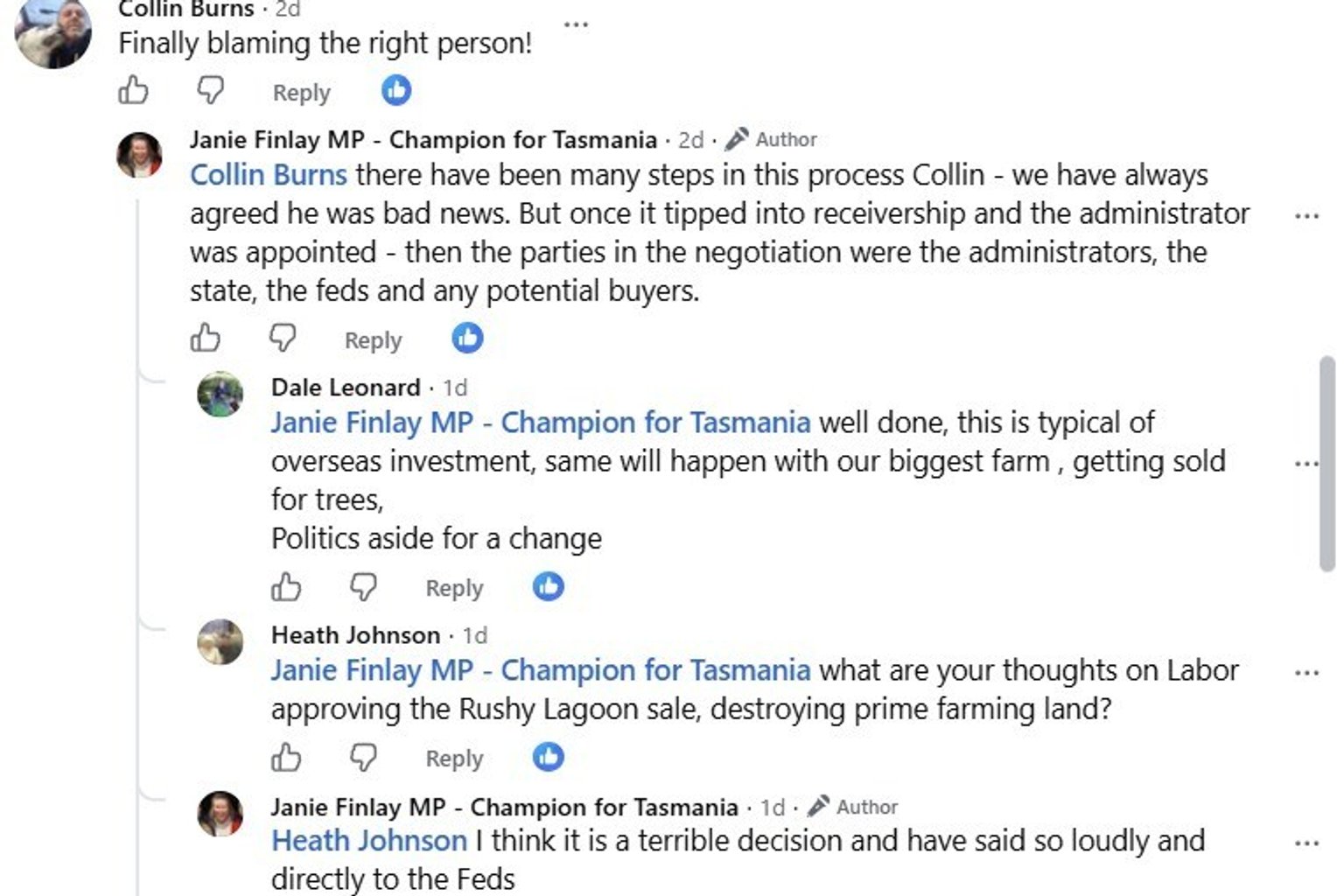
Deputy Labor leader Janie Finlay posted on Facebook in late July that the federal approval of the sale was “a terrible decision and have said so loudly and directly to the feds.”
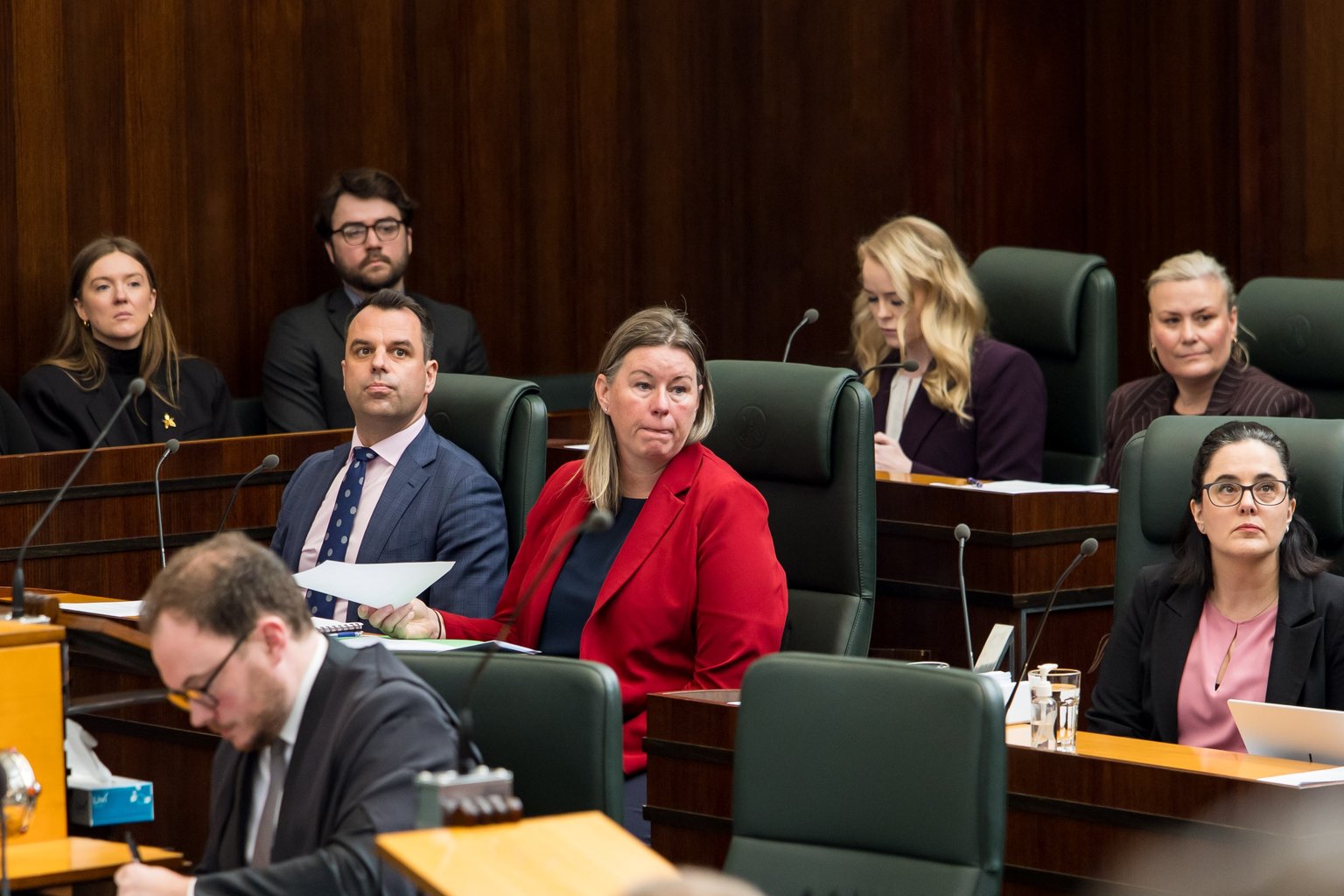
But today, shadow ministers Shane Broad and Dean Winter spent much of the parliamentary sitting arguing the opposite, attacking a Liberal motion to establish a select committee to investigate the sale.
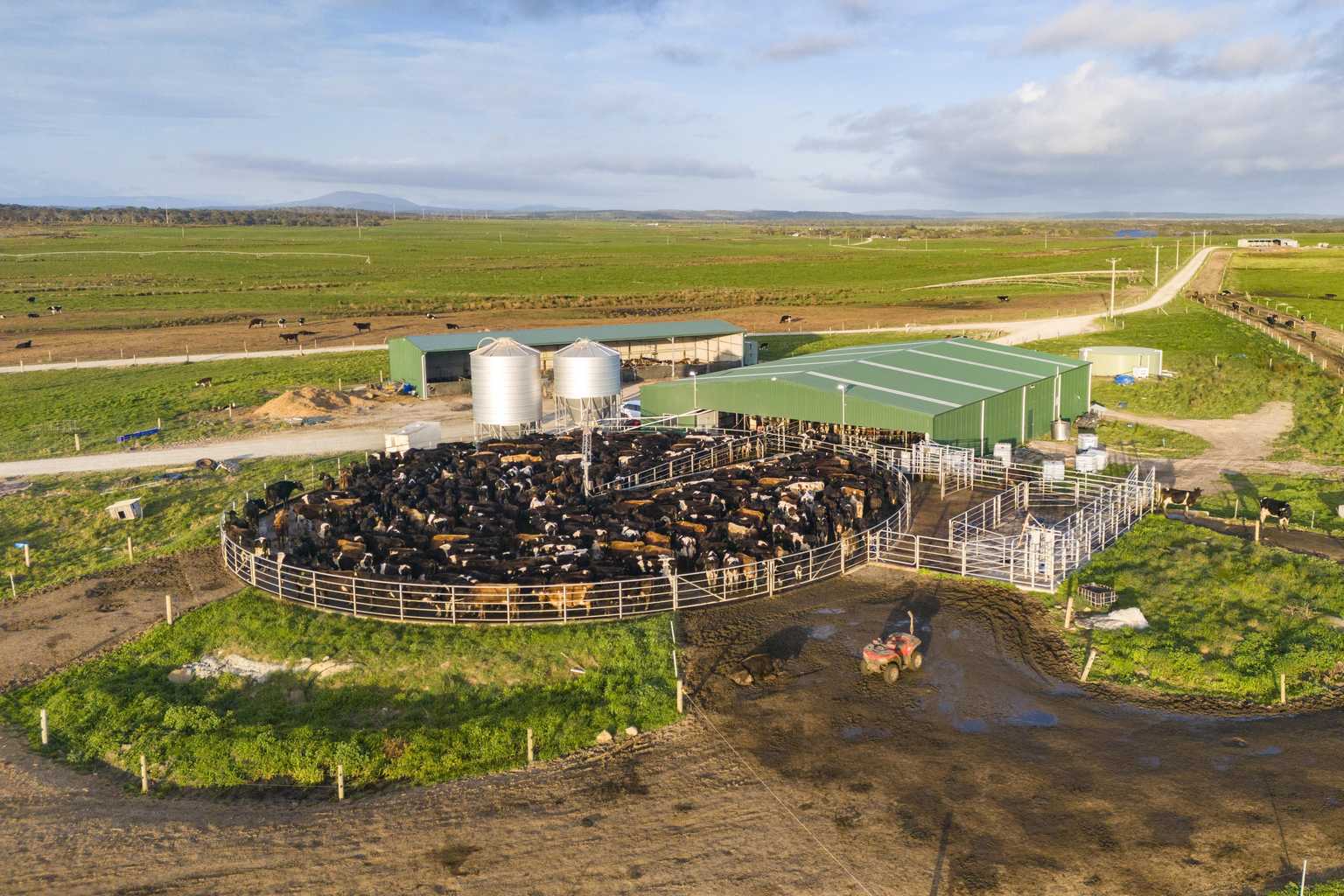
Broad called the inquiry a “sham kangaroo court” and said the 22,000-hectare northeast property had been on the market for eight years without local buyers stepping forward.
“If locals wanted to buy the property, they had every opportunity to buy the property,” Broad said.
Asked about Finlay’s comments at a press conference this afternoon, Broad acknowledged the difference.
“Janie is reflecting the concerns of the community,” he said, before adding that he had “a different perspective because I’m an agricultural scientist.”
Broad said ministers had spread misinformation by calling Rushy Lagoon prime agricultural land.
He said it was mapped as Class 5 and 6 on a seven-class scale with poor soils and limited irrigation and sold for around $6,000 a hectare compared with up to $100,000 for prime northwest coast farmland.
He said roughly half the property would be planted with pine trees while cattle grazing and cropping would continue.
“This is not the end of the world,” Broad said.
Winter accused the government of launching an inquiry into why anyone would want to invest in Tasmania during a jobs crisis.
“Welcome to Tasmania, please take a seat in the witness box so we can interrogate you,” Winter said.
Winter then went on to state Labor’s position.
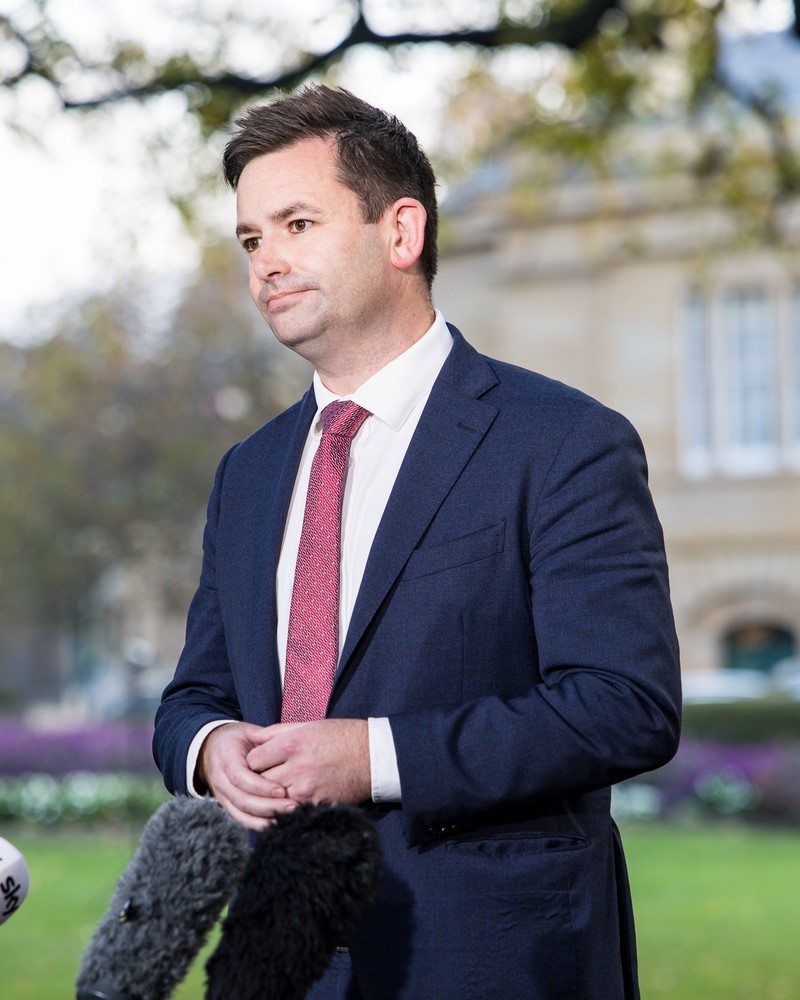
“We welcome investment, we welcome foreign investment, we want to see Tasmania to have a growing economy, to have more jobs, more young people.”
Despite Labor’s opposition, the motion passed 17 votes to 15 late this afternoon.
Primary Industries Minister Gavin Pearce said regional communities deserved answers about the process behind the sale and its impact on food production and employment.
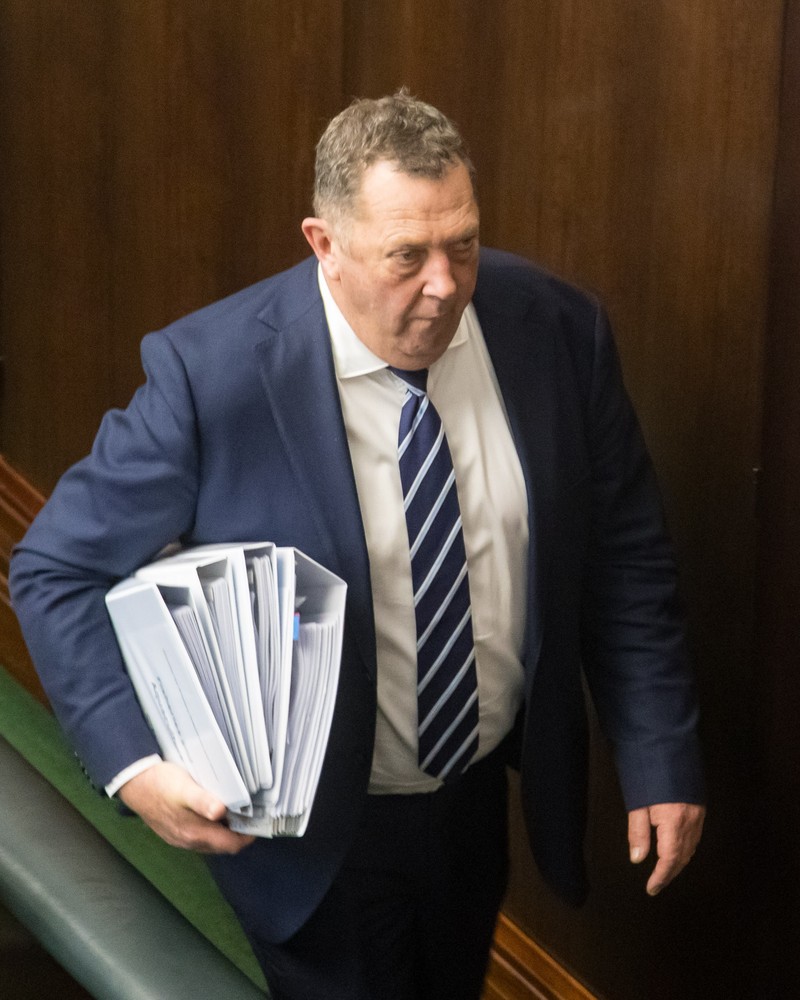
“This process has been distorted by the Federal Government and our farmers deserve certainty around their productive agricultural land,” Pearce said.