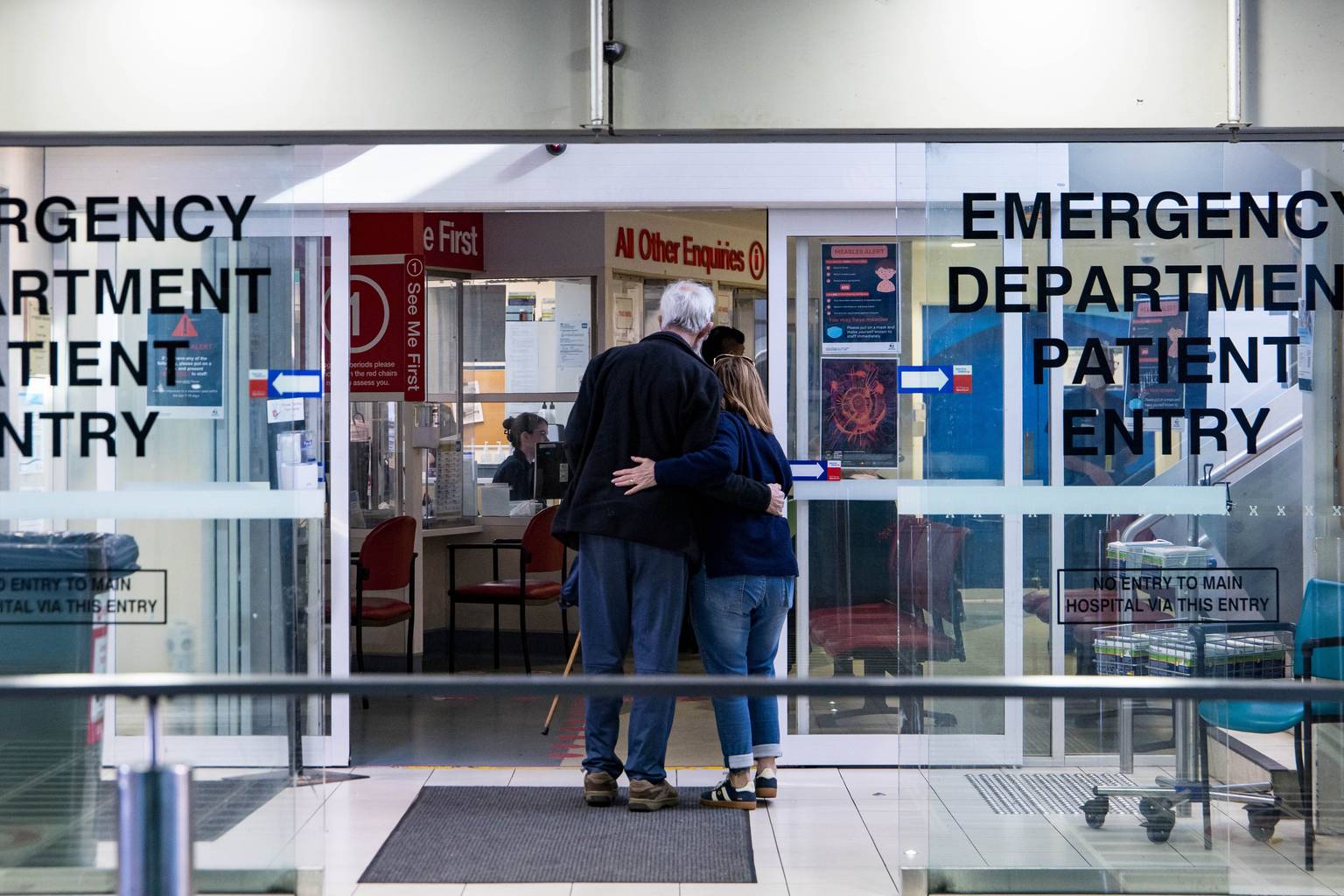
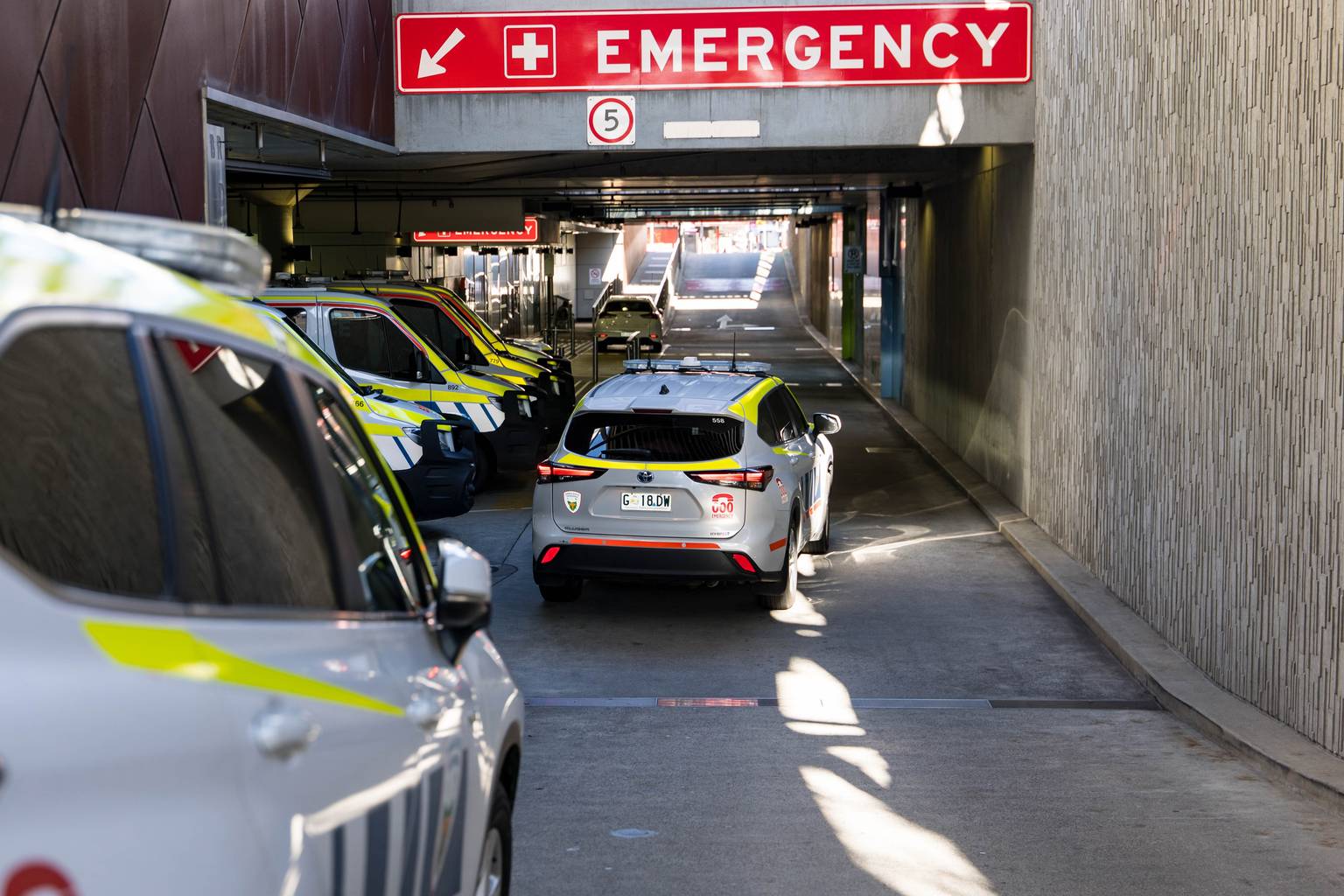
Tasmanians experiencing mental health crises are waiting more than twice as long as the national average to be seen in emergency departments, with new data showing the state recording the worst results in the country across multiple measures.
Australian Institute of Health and Welfare figures for 2024-25 show the median wait time for mental health patients in Tasmanian emergency departments is 48 minutes, compared with a national median of 20 minutes.
Only 35% of mental health patients are being seen on time, down from 64% a decade ago.
Tasmania also recorded the longest median length of stay for mental health presentations at seven hours and 32 minutes, against a national figure of five hours and 21 minutes.
The data sparked a heated exchange in parliament on Tuesday, with opposition leader Josh Willie demanding to know how the government could pursue $700 million in health savings without making things worse.
“How can you possibly cut $700 million from Tasmania’s health system without mental health patients waiting even longer for care?” he said.
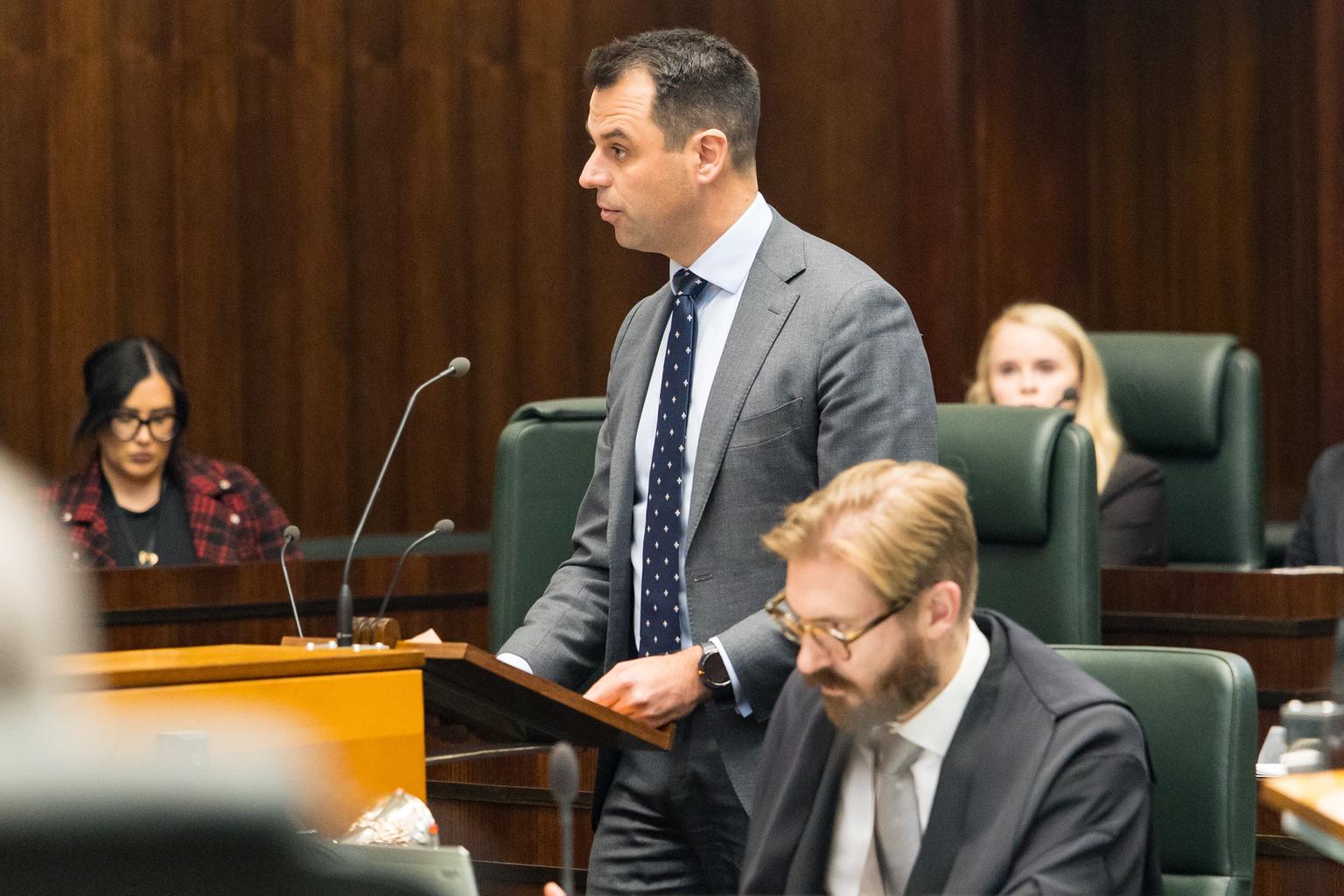
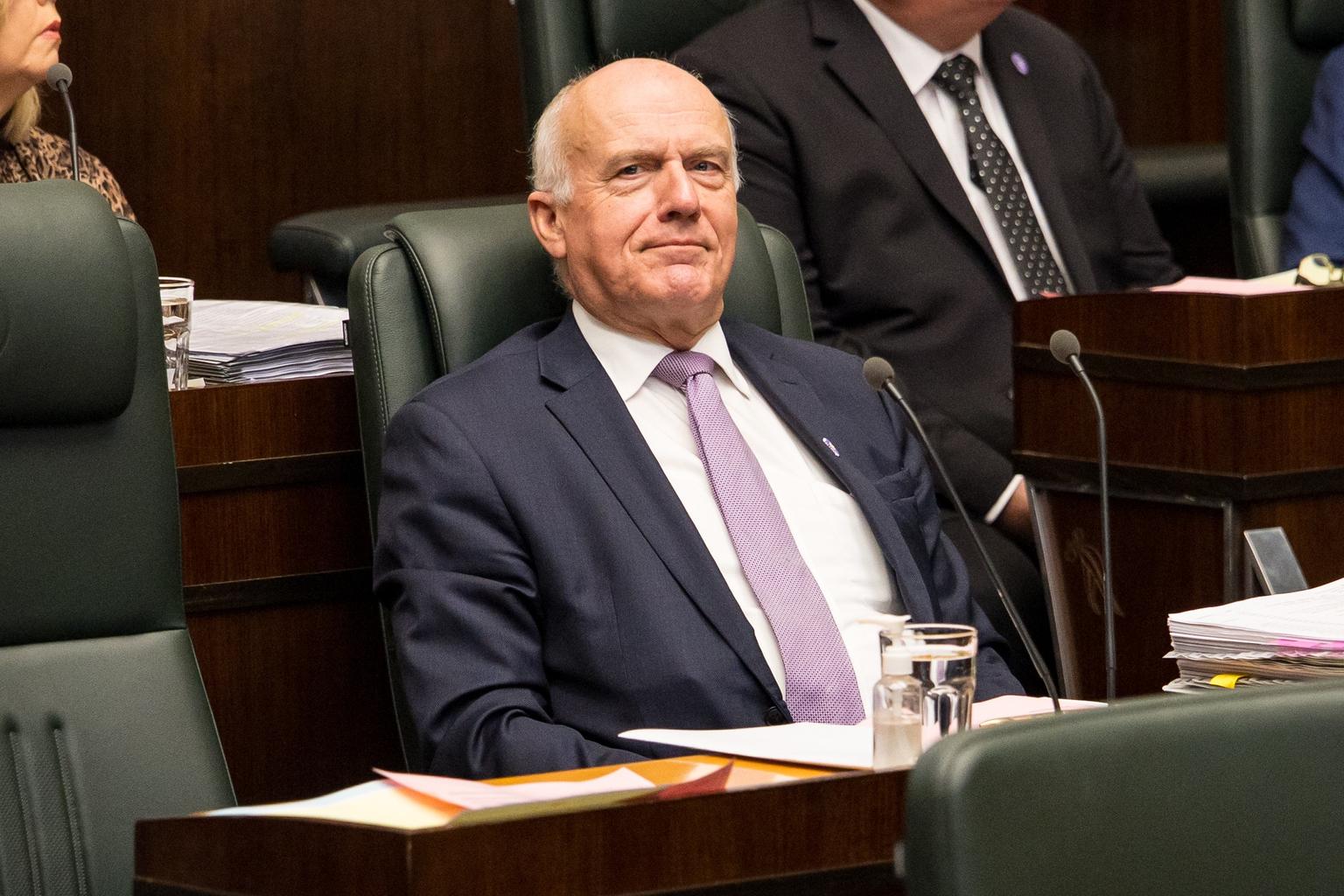
Treasurer Eric Abetz rejected the characterisation of the budget as involving cuts, saying the government had invested more than $648 million in mental health since the 2014-15 budget.
“That’s why we are making the largest investment by any Tasmanian government into mental health,” he said.
He said total health expenditure would increase by $583.6 million across the forward estimates.
“[It is] black on white in the budget,” he said.
On allied health workforce changes, Abetz said HACSU had agreed during recent bargaining to career structure reforms supporting stronger graduate pathways.
He described the shift as a “workforce development strategy that is about future-proofing our mental health system.”
“It is about ensuring positions are appropriately classified and the teams have the right mix of skills and experience,” he said.
Abetz said the budget passed parliament “without dissent” and that the opposition had offered “no alternative.”
“We as a government have embarked upon that without a single alternative from the leader of the opposition,” he said.