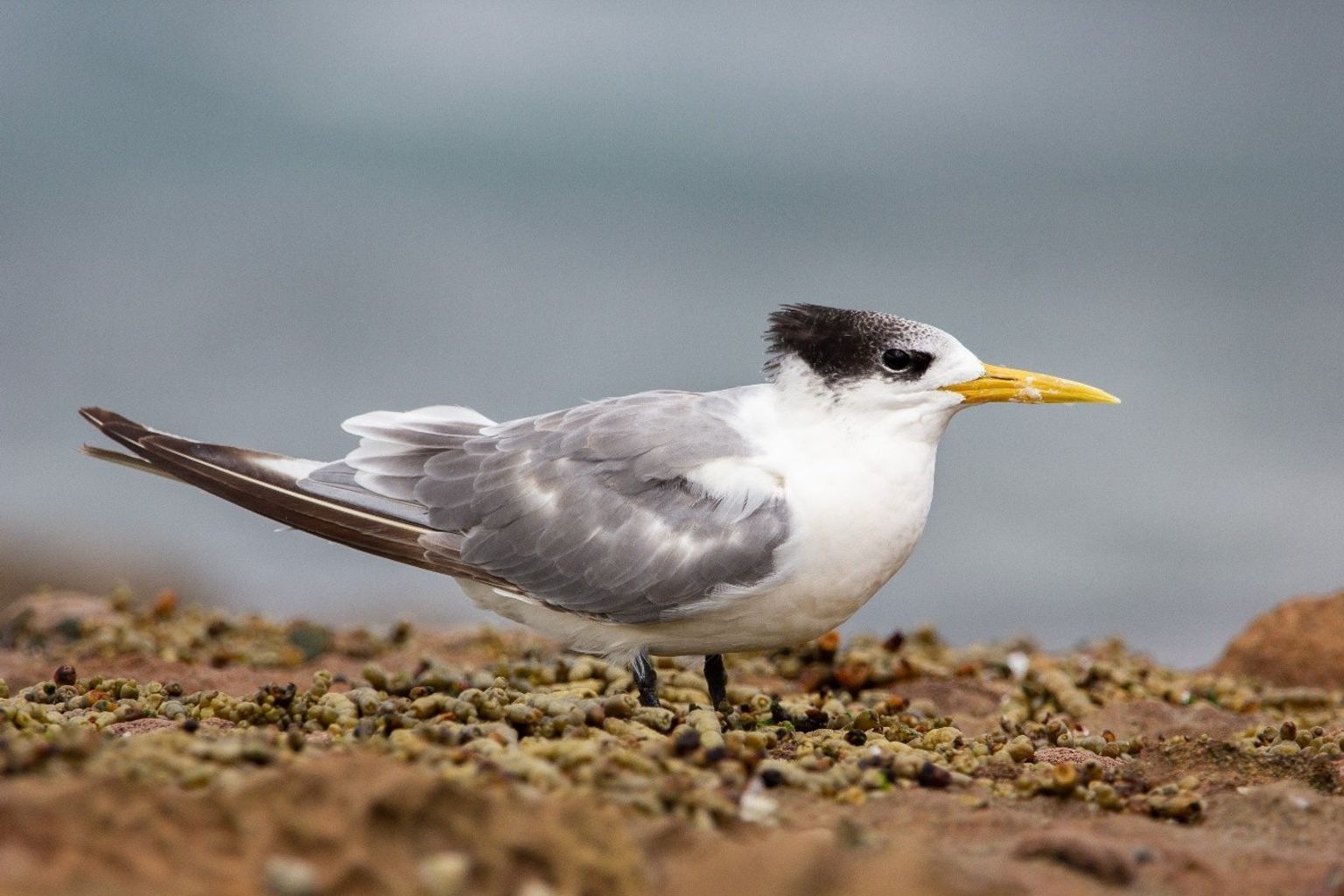
Tasmania has recorded its fifth and sixth cases of H5 bird flu after two dead crested terns tested positive in the state’s north-west.
The birds were found separately on Saturday, one in Burnie and the other at Sulphur Creek near Penguin, after members of the public reported them.
Department of Natural Resources and Environment Tasmania incident controller Wes Ford said the latest detections were not unexpected.
“These latest two cases are not unexpected and demonstrate that timely public reporting is critical as we continue our monitoring and response efforts,” he said.

“We thank the two community members for their vigilance and prompt reporting.”
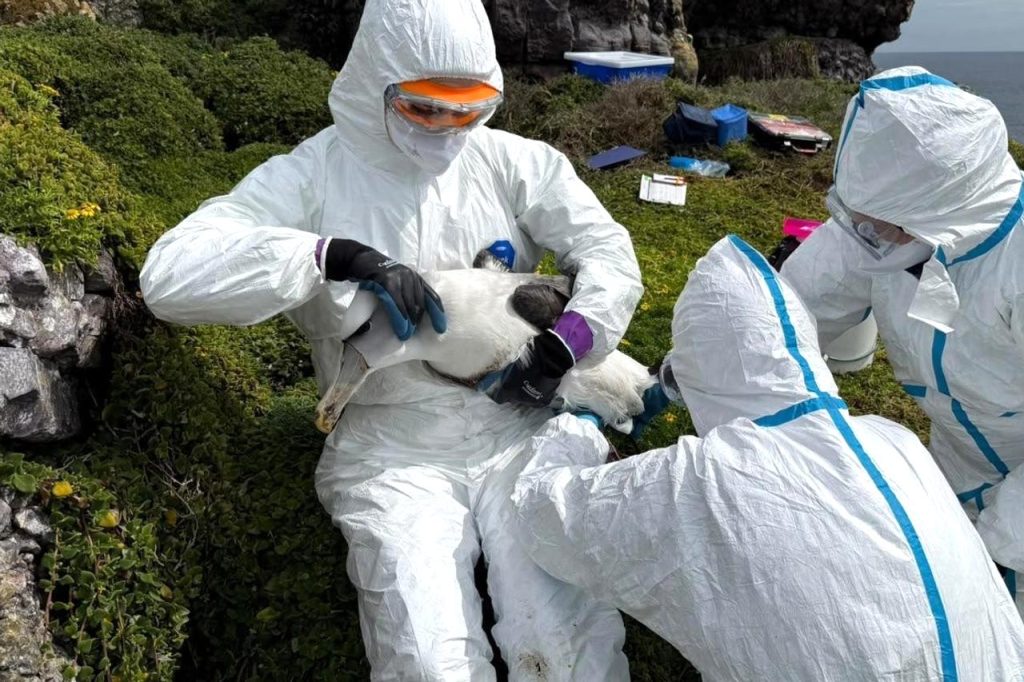
Samples from the two birds were tested at the Animal Health Laboratories at Mount Pleasant and returned positive results.
They will be sent to the Australian Centre for Disease Preparedness in Geelong on Monday for confirmation testing and sequencing.
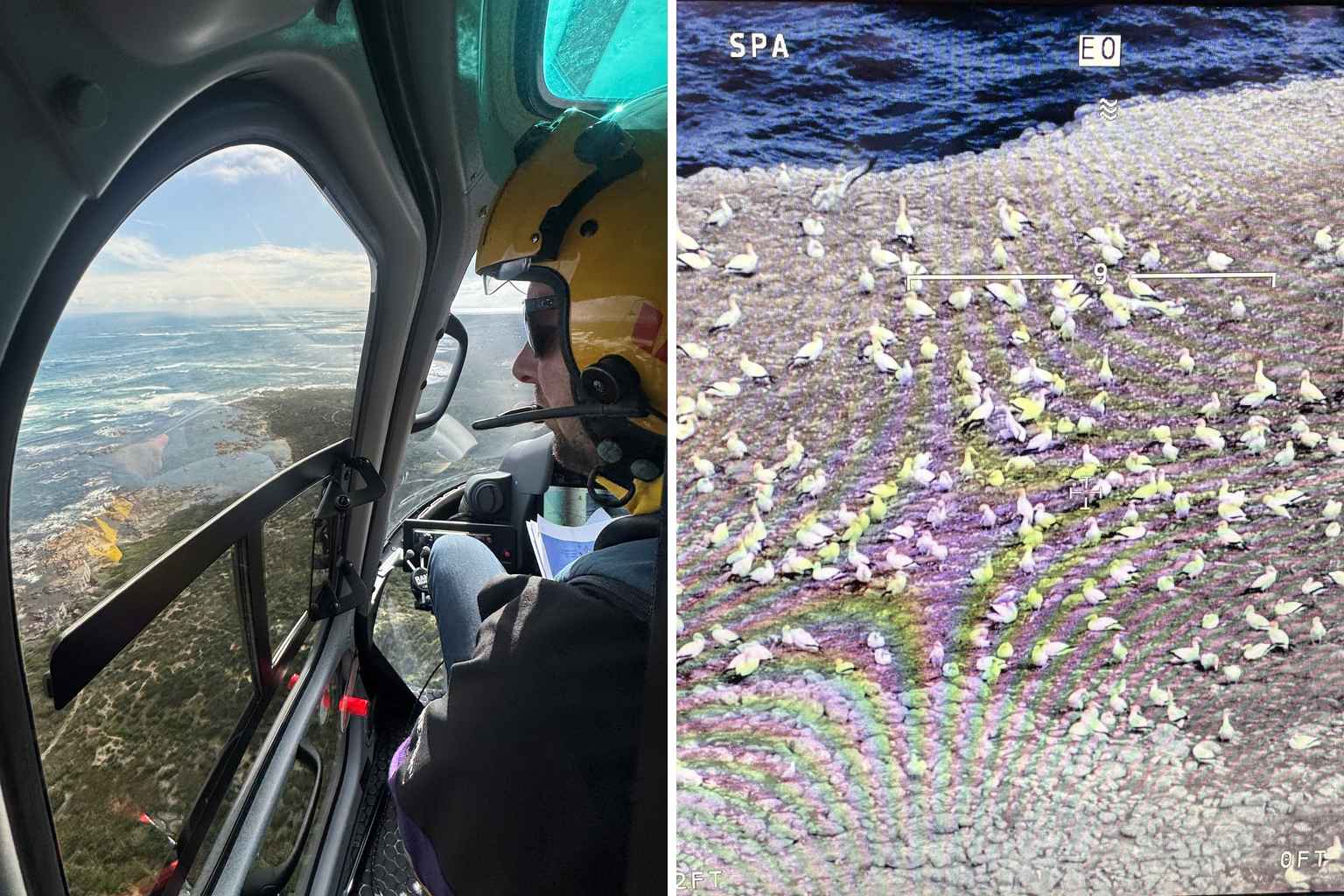
Around 760 kilometres of Tasmania’s north-west coastline was inspected from the air on Saturday.
Almost seven hours of footage was recorded, with no mass deaths or obvious signs of H5 bird flu spotted by aircrew.
The footage will now be analysed further.

Premier Jeremy Rockliff commended the community for their vigilance and the NRE Tasmania staff who have been working on the response for months.
He said further aerial surveillance had been carried out over the past 48 hours around the Furneaux Group, King Island and the West Coast.
Asked whether the situation was now considered an outbreak, Rockliff said the definition was being worked through at a federal level.
“Not as yet,” he said.

“No detections in commercial poultry as yet, which is a huge relief.”
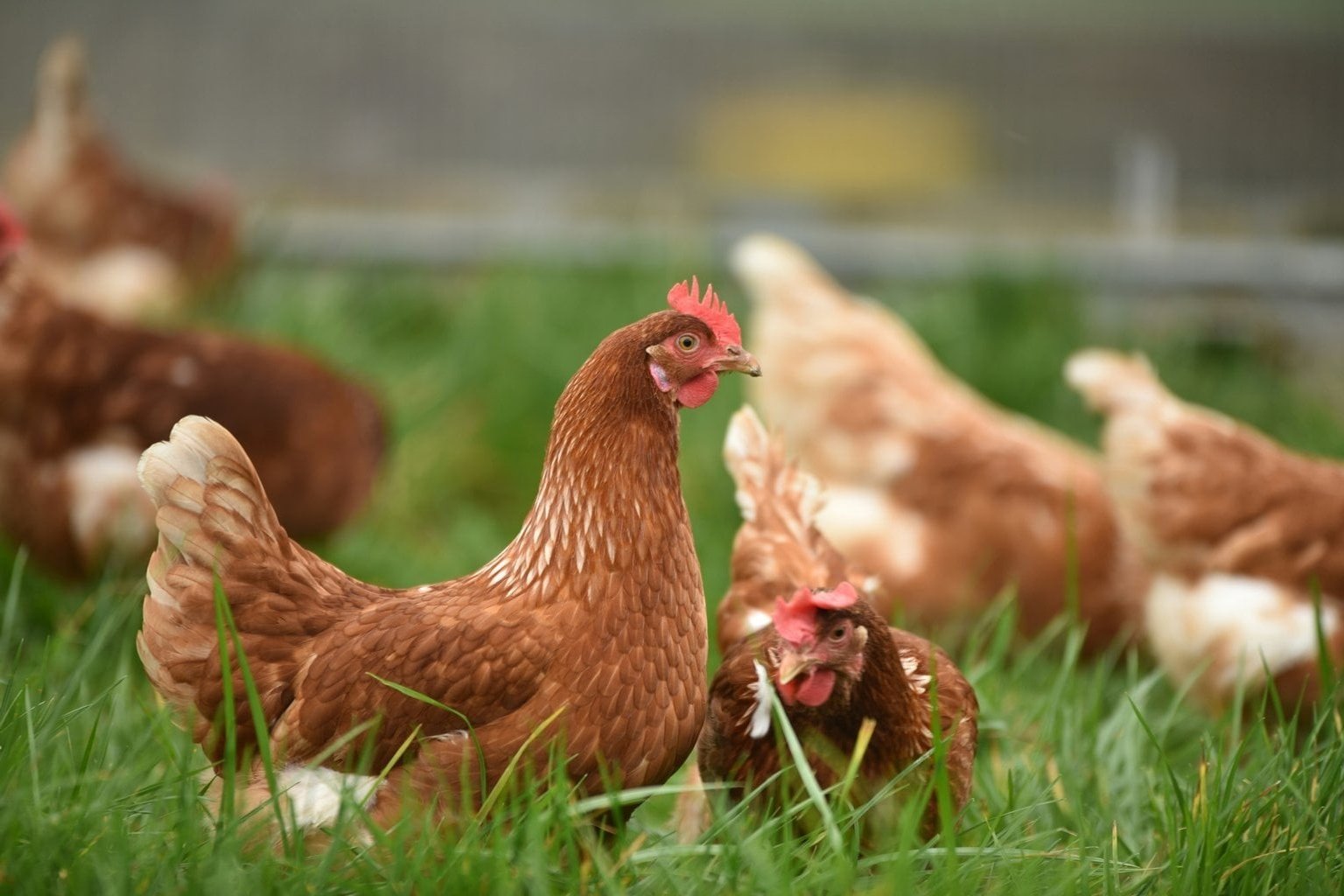
Ford said voluntary housing of poultry remained the most appropriate approach at this stage.
“We encourage poultry producers to maintain practical on-farm biosecurity measures to reduce contact between poultry and wild birds,” he said.
The department is urging Tasmanians to stay vigilant and avoid contact with sick or dead birds or wildlife.
Anyone who spots affected animals should record details including the type and number of animals and the location and report it to the Emergency Animal Disease hotline on 1800 675 888.