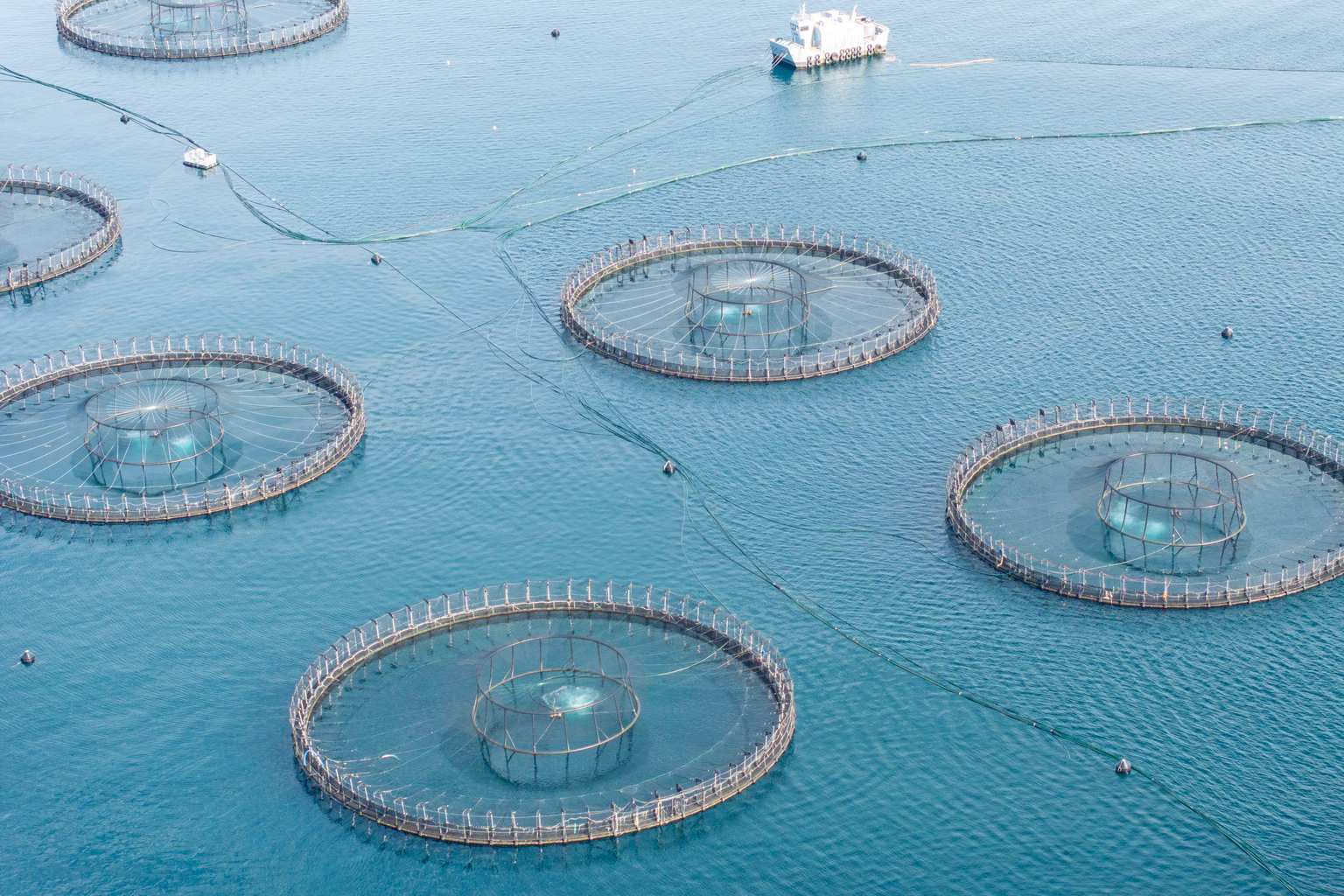
More than 9,000 tonnes of farmed salmon died in Tasmanian pens in the first three months of 2026, according to new Environment Protection Authority (EPA) data.
Monthly tonnages released on April 17, 2026 show 2,025 tonnes of mortalities in January, 3,356 tonnes in February and 3,816 tonnes in March.
Deaths rose throughout the quarter, bucking the usual pattern of declining mortalities as autumn waters cool.
The quarterly total is about a third lower than the same period in 2025, when a mass mortality event in the D’Entrecasteaux Channel drove first-quarter deaths to more than 13,500 tonnes.
Independent Franklin MP Peter George said the figures showed mass deaths had become normalised in the industry.
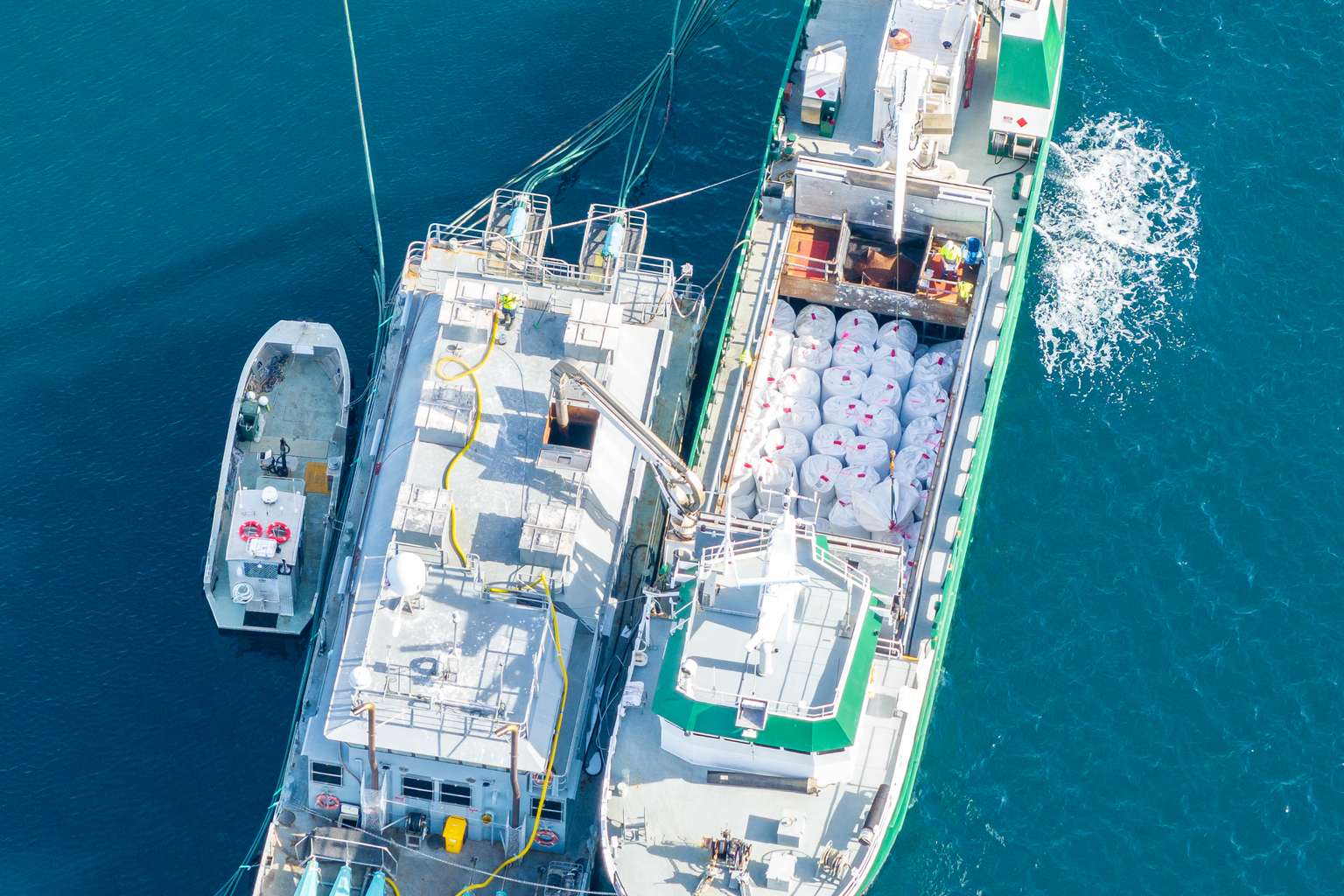
He said the figure represents roughly 12% of the industry’s annual production.
“Mortalities in salmon pens in Tasmania have reached astonishing levels, revealing mass deaths and disease are now just ‘business as usual’ for the multinational industry,” George said.
He estimated the tonnage represented about 1.5 million fish and said cooler-than-expected waters had likely prevented worse outcomes.
Tasmanian Greens leader Rosalie Woodruff said the data showed the antibiotic florfenicol was not the solution the industry had promised.
The Australian Pesticides and Veterinary Medicines Authority moved to suspend the emergency permit for florfenicol use in February.
“The EPA data demonstrates there is no silver bullet for the major problems facing the fish farm industry,” Woodruff said.
She called on the state government to reject any industry push to use the antibiotic again and to require reductions in fish stocking density.
Salmon Tasmania chief executive John Whittington said the industry provided the data to ensure transparency and regulatory compliance.
“Like all primary producers, salmon growers do everything they can to maximise the welfare of their animals,” Whittington said.

He said companies were investing in vaccines, selective breeding and medication to manage disease.
The 2025 mortality event was linked to warmer summer waters and the bacterium Piscirickettsia salmonis, which authorities say is now endemic in Tasmania’s east and south-east coastal waters.