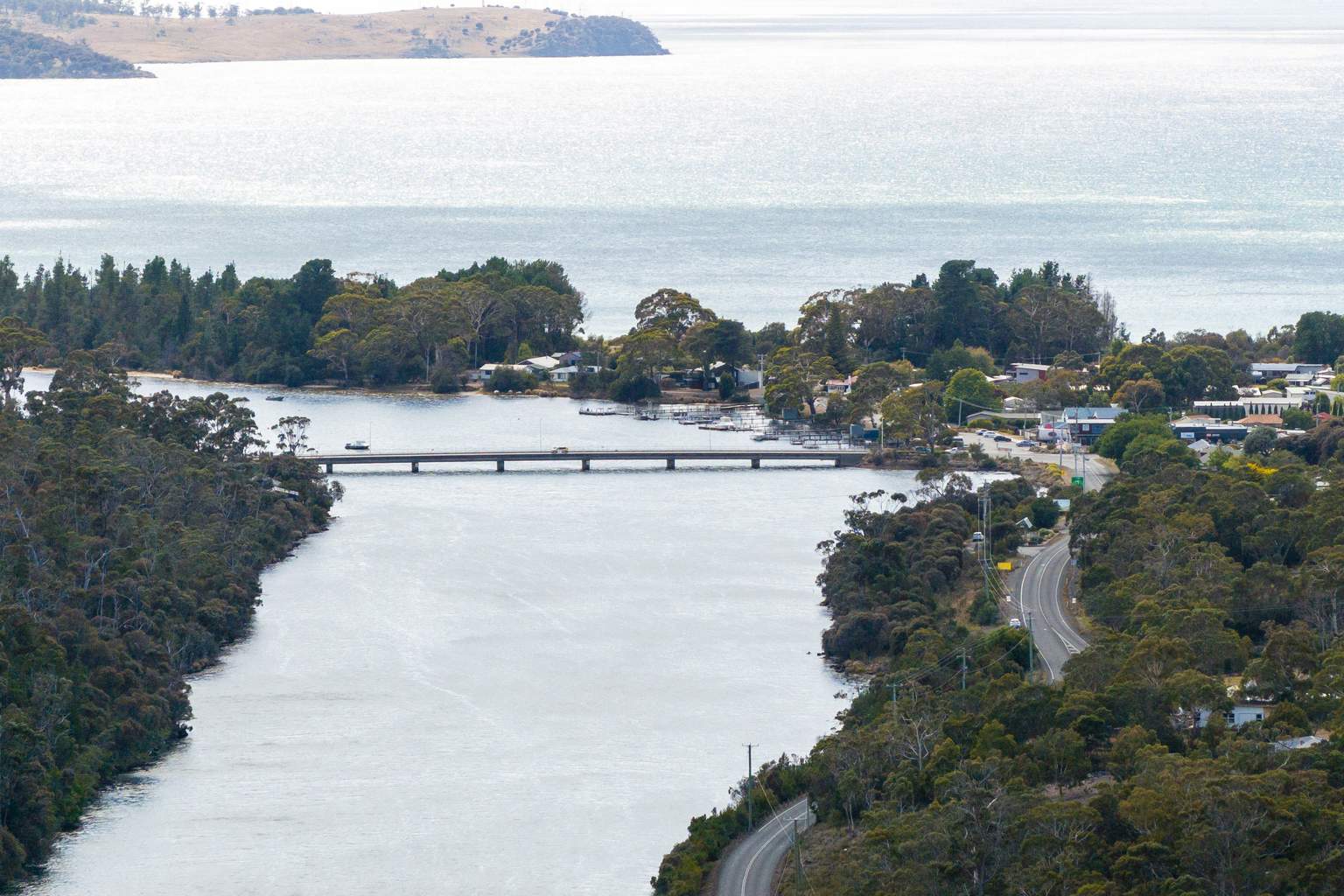
Orford and Triabunna will move to stage three water restrictions from Monday, 27 April, as persistent dry conditions push dam levels dangerously low on Tasmania’s east coast.
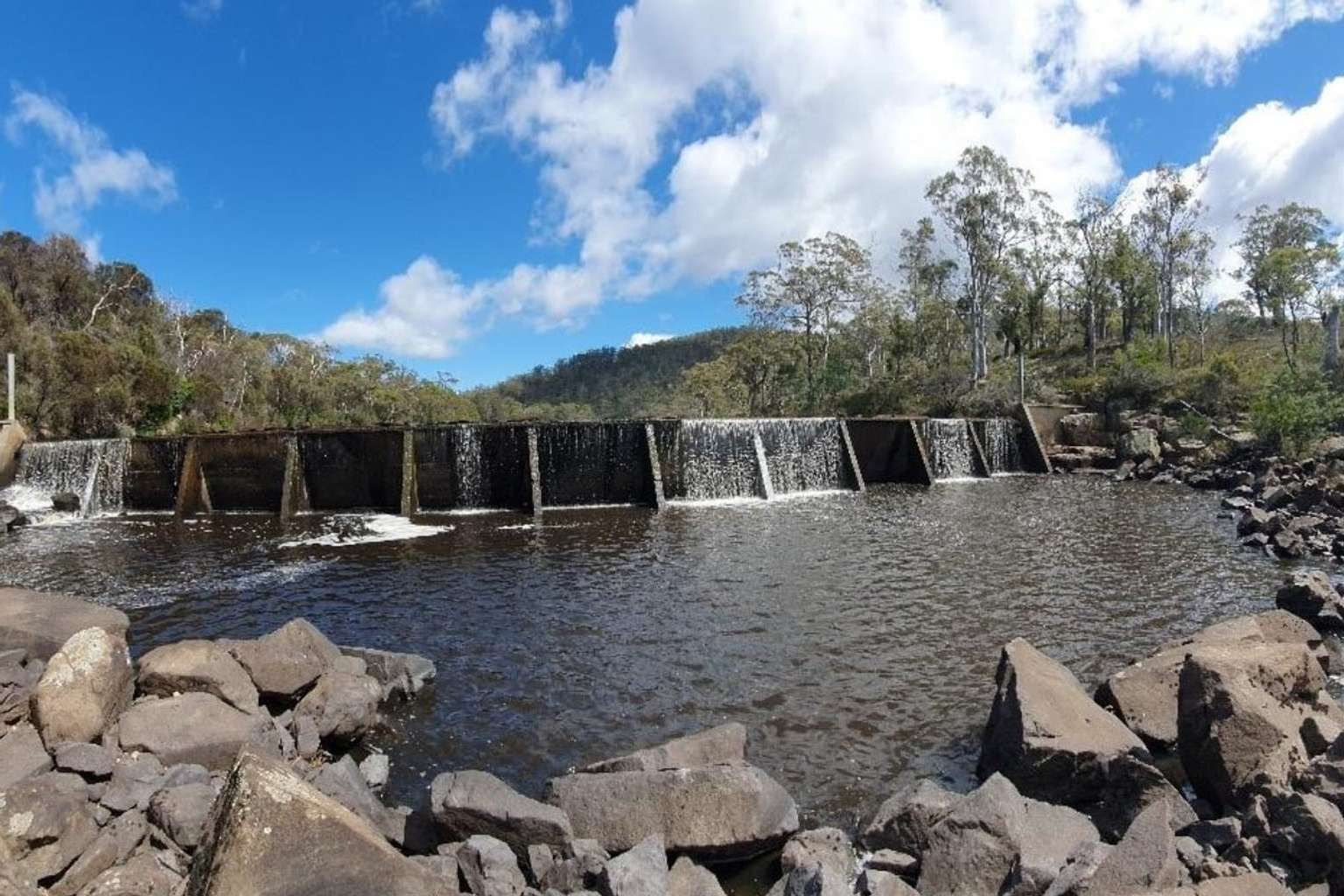
TasWater confirmed the restrictions after the Upper Prosser Dam, which supplies both towns, fell to just 18% capacity, with no significant rain forecast.
TasWater’s Liz Hafner said the decision had not been made lightly.
“We appreciate the efforts the communities in Orford and Triabunna have already made in reducing water usage over the previous months, but unfortunately we are left with no option but to increase restrictions further,” she said.
Hafner said a release from the upper dam had lifted the Lower Prosser Dam to 83% capacity, but warned that would not last without rain.
Stage three restrictions are designed to cut non-essential water use by around 75%. Lawn watering is banned outright.
Garden watering is limited to specific times and allocated days, with the aim of preventing long-term damage to plants rather than keeping gardens green.
Automated watering systems are also banned under the restrictions.
Residents can only water gardens manually or with handheld hoses fitted with trigger nozzles, buckets or watering cans between 6am and 8am or 8pm and 10pm on their allocated days.
Odd-numbered properties can water on odd-numbered dates, while even and unnumbered properties can water on even dates.
Pools and spas cannot be filled or topped up without written approval from TasWater.
Vehicle washing is restricted to windows, mirrors, lights and number plates using a bucket or watering can.
Hosing hard surfaces like driveways and paths is only allowed for safety, health or emergency reasons.
“This will mean a change to the routines of some residents, but these changes will significantly boost the amount of water available in the system,” Hafner said.
She said TasWater was constantly monitoring conditions and would ease restrictions once consistent rain returned and dam inflows improved.
“For now, the escalated limitation of water use will help us ensure it is available when residents, visitors and businesses turn on their taps,” she said.