A simple check of a dead Tasmanian devil’s pouch could save a life, with wildlife expert Greg Irons urging Tasmanians to look for orphaned babies during a narrow window that comes just once a year.
Irons, director of Bonorong Wildlife Sanctuary, said Tasmania’s orphan season had arrived “with an absolute bang”.
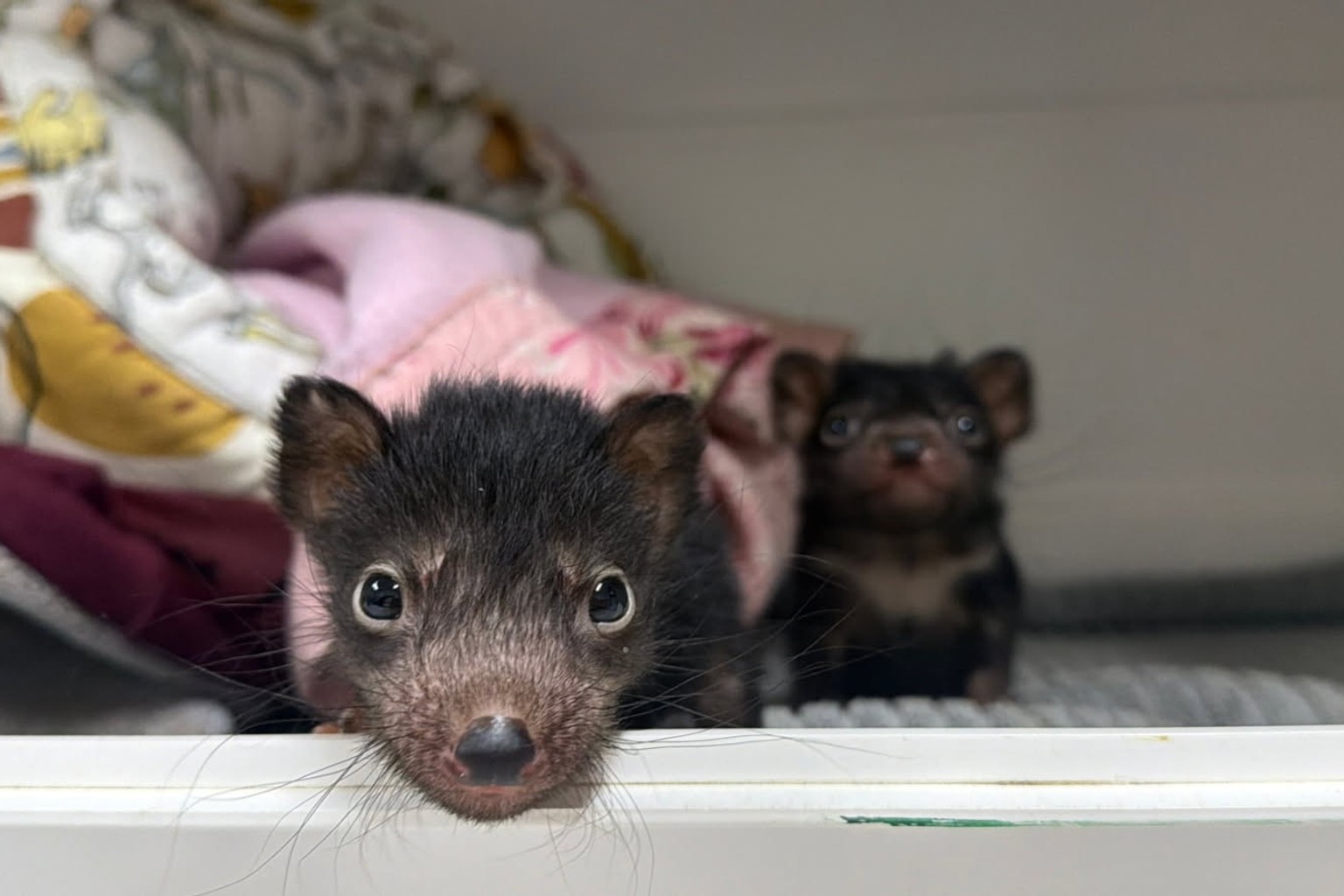
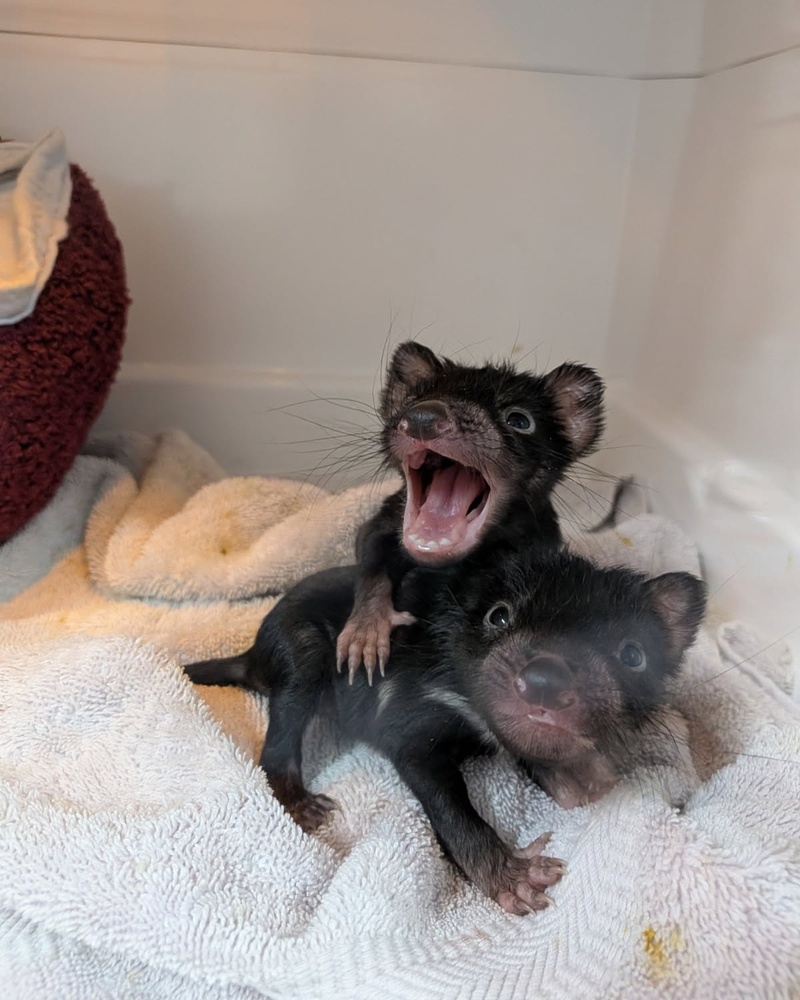
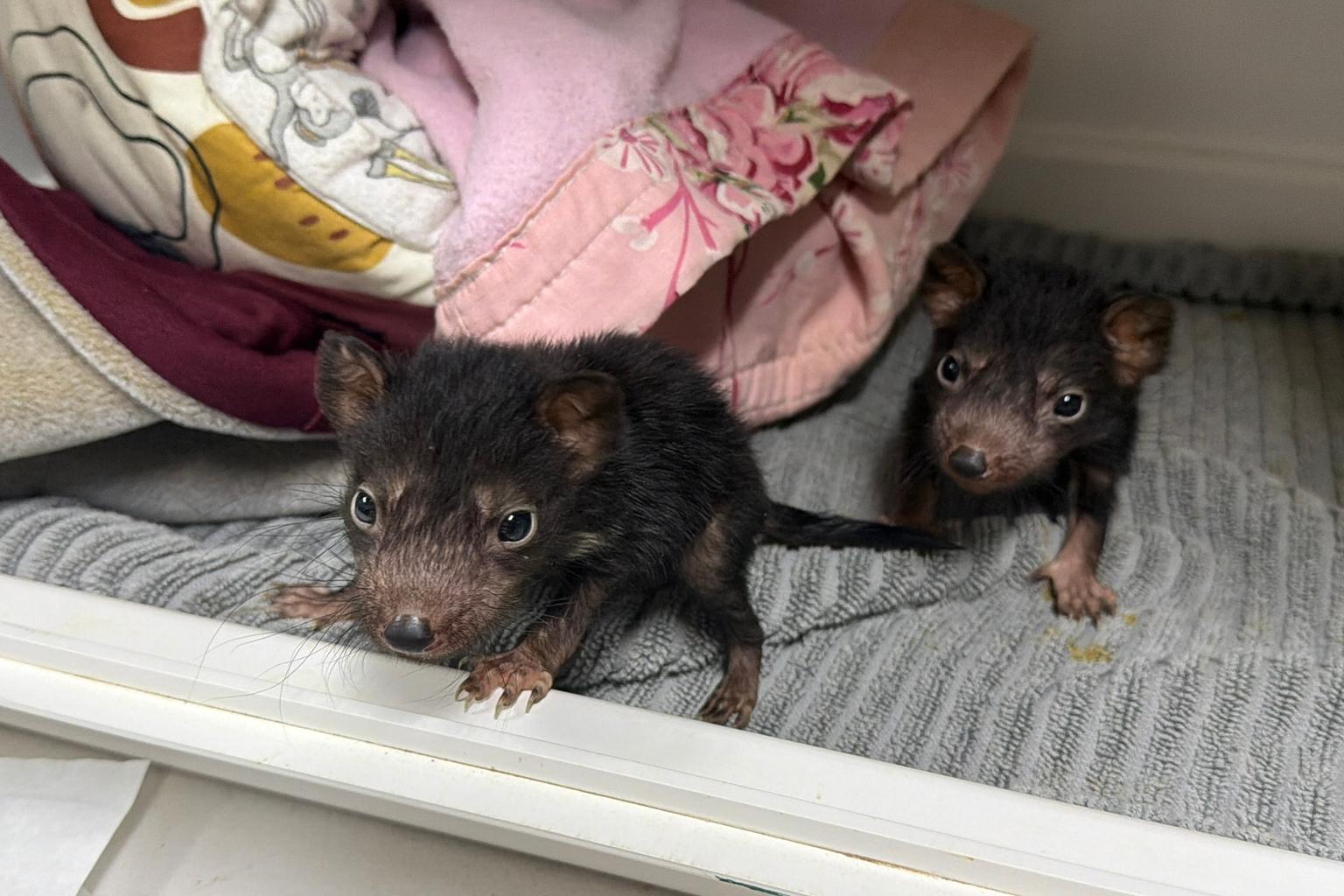
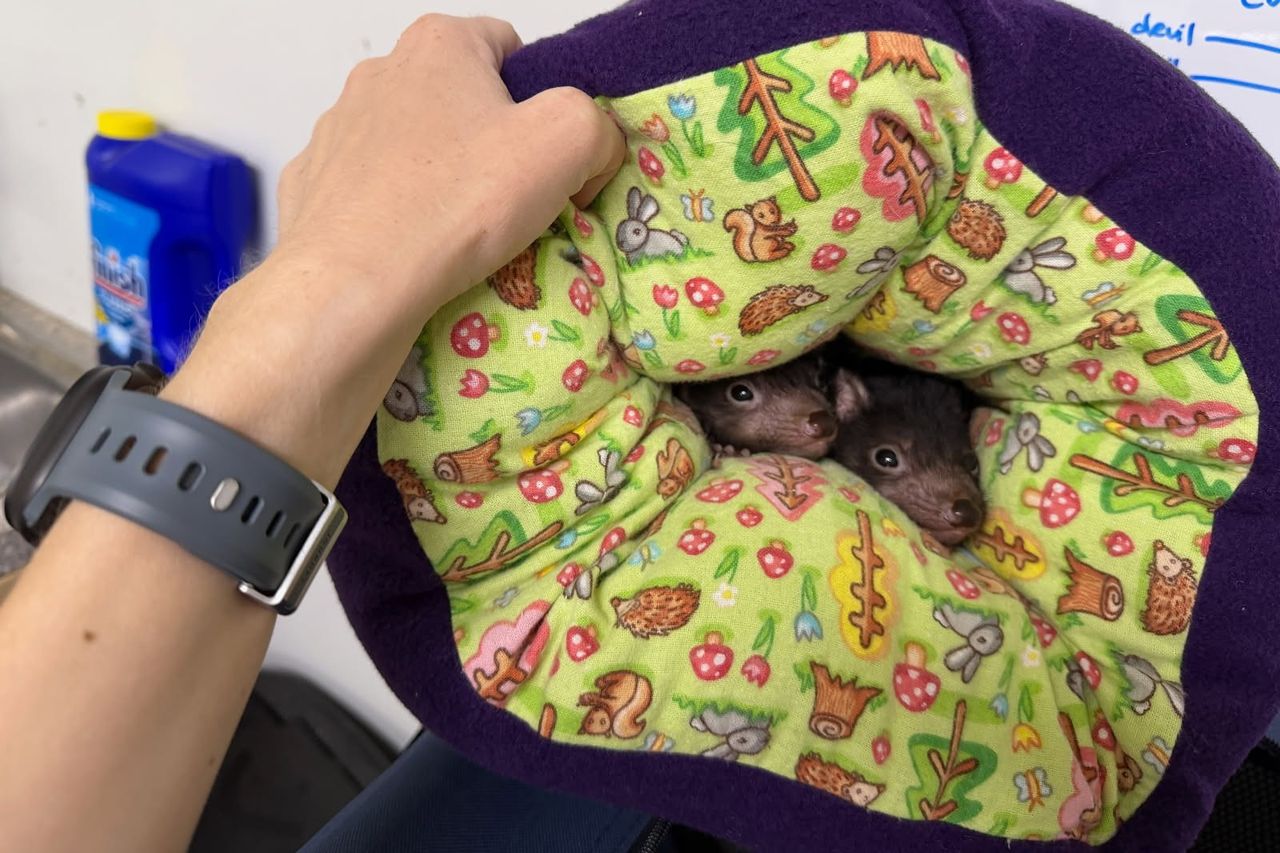
There are currently 12 orphaned animals being cared for at his home, ranging from wallabies and possums to a bettong, wombat and several baby Tasmanian devils.
“I’d say, yeah, it’s been madness,” Irons told Pulse.
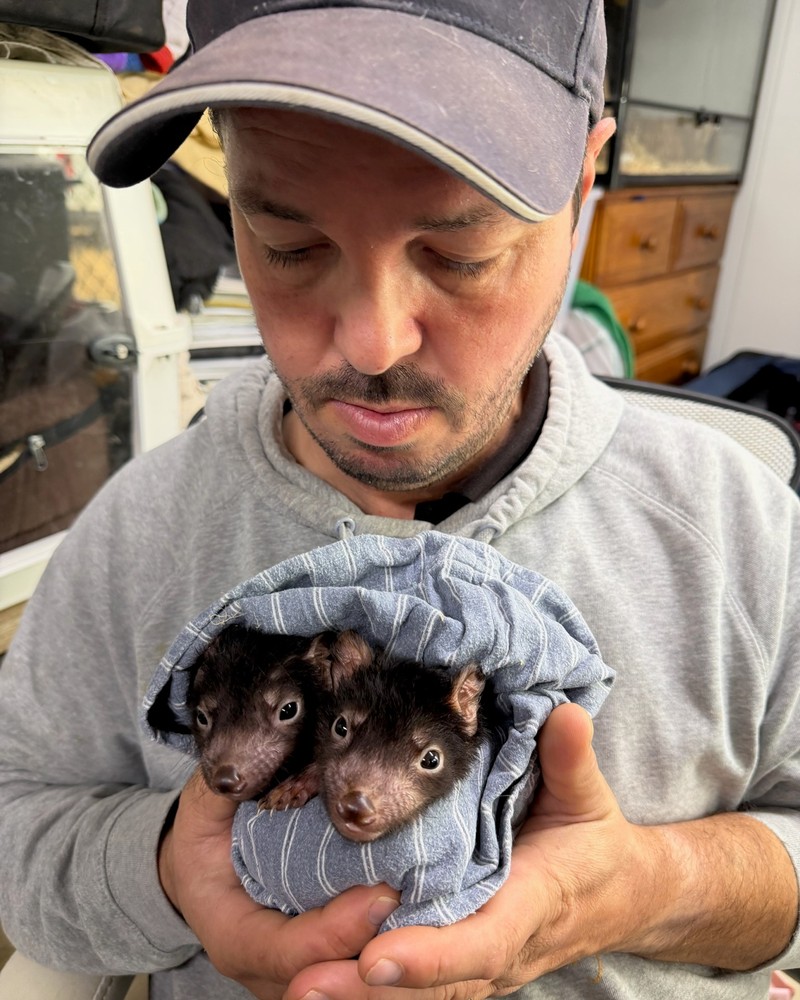
He and his wife are providing round-the-clock feeds, with one just before midnight and another at 3.30am.
Irons said orphan season began as the weather warmed and more young animals emerged from their mothers’ pouches.
“Pretty much if it’s got fur in Tassie, most of them have got a pouch,” he said.
“If you don’t have a pouch, you’re not fashionable in Tassie.”
When a mother is killed, her baby can need weeks or months of care before it is ready to be released.
But for Tasmanian devils, there is a much narrower window.
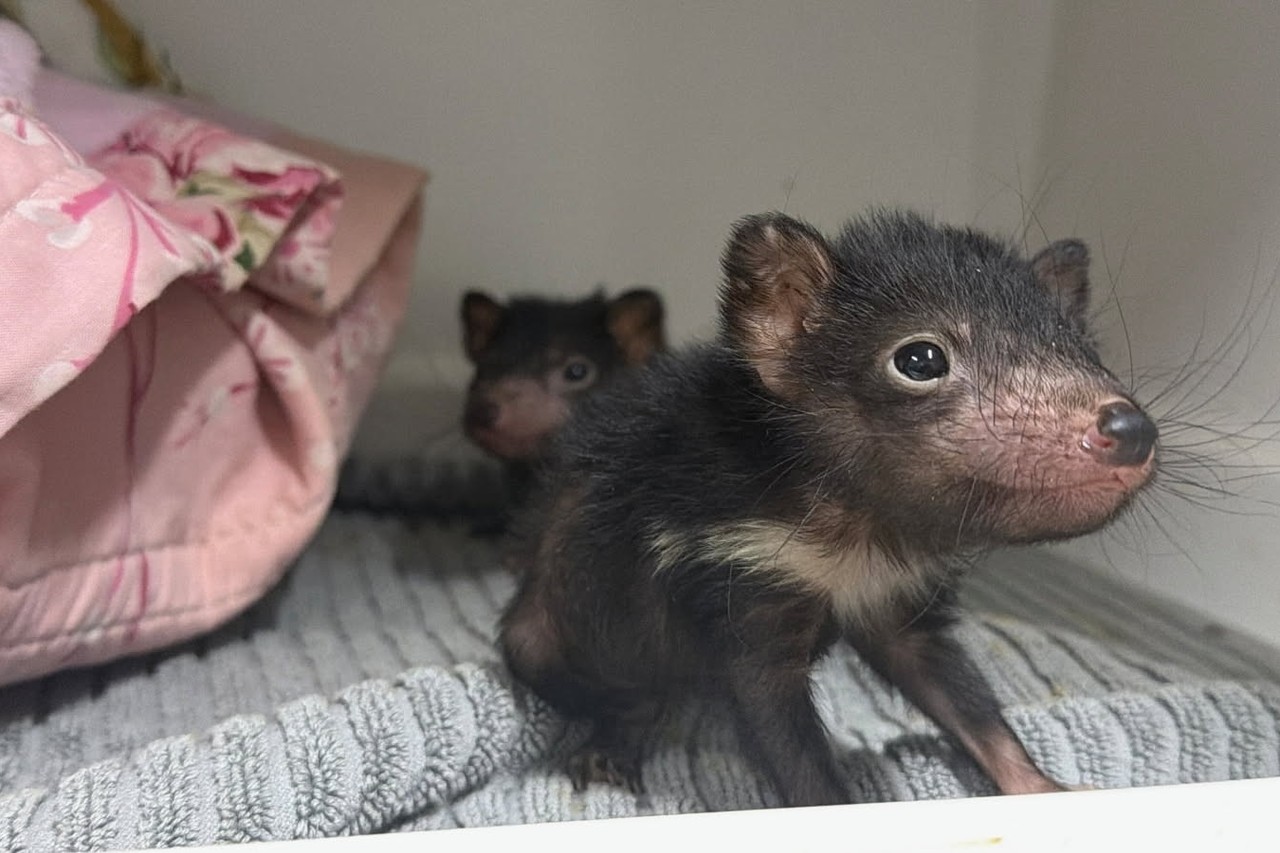
Devils breed in March and April and their babies are born about the size of a grain of rice.
They grow rapidly over the following months, meaning September and October are a key time to find young devils still in their mothers’ pouches.
“If you see a dead devil and it’s safe to stop, to stop and check the pouch, ’cause there’s literally this little window that we find baby devils for the year and then we won’t see them again till next year,” Irons said.
“Everyone we tell says that they’re totally unaware of it.”
He is also concerned about the potential impact of bird flu on devils, which could eat animals that have died from the virus.
“We don’t know what’s gonna happen with bird flu,” he said.
“We know their genetics are absolutely shot from, you know, their past and losing numbers so quickly.”
“So there’s every chance they’re gonna get smashed by bird flu.”
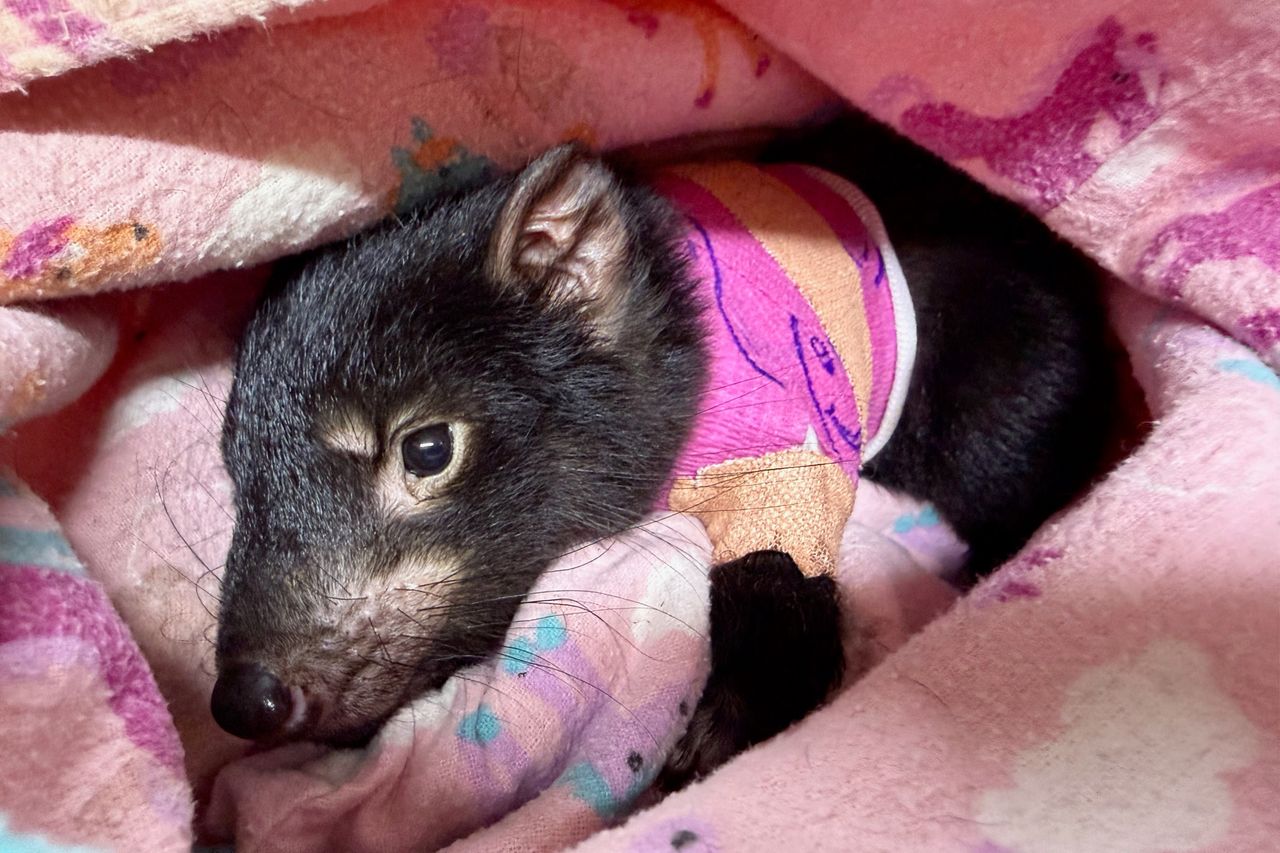
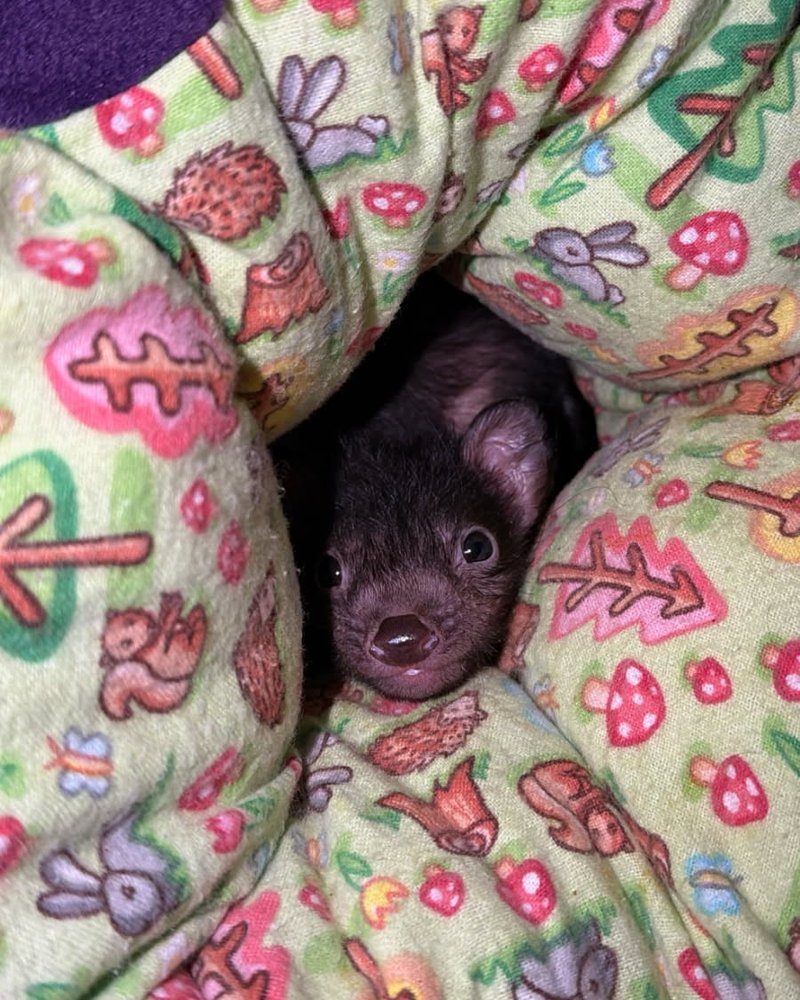
Of the young devils currently in his care, one was attacked by a dog, two lost their mother to a car strike and two lost their mother to devil facial tumour disease.
He said preventing mothers from being killed was the best outcome, but people should not be nervous about checking a pouch if they find a dead animal.
“If they’ve never done it before, it might be a bit daunting and it’s really easy,” he said.
“Whatever the animal is, you just pop it on its back. Imagine there’s a zip down the middle of it and sort of, you know, work your way down the middle and just find the pouch and look inside.”
Bonorong can provide advice over the phone to anyone who finds a live pouch young, Irons said.
“Every life counts and then let’s check pouches if we see them,” he said.