Tasmania’s lower house has passed the most significant overhaul of the state’s firearms laws in 30 years, but not before voting down a push to cap the number of guns a person can legally own.
The Firearms Amendment (Strengthening Firearms Security) Bill cleared the House of Assembly around 9:30pm on Thursday night after hours of heated debate and dozens of amendments.
A Labor amendment to limit licence holders to a maximum of 10 firearms failed 16 votes to 15 shortly before 7pm, with independents George Razay and Carlo Di Falco among those who voted against.
Police Minister Felix Ellis said the government strongly opposed caps, arguing they lacked evidence and would penalise law-abiding owners without removing a single illegal gun.
“We think it gets the balance wrong,” he said.

Ellis estimated a buyback scheme would cost between $40 million and $90 million.
Labor leader Josh Willie had urged members to seize what he called a once-in-a-generation opportunity to partner with the federal government on a buyback, with his party pushing their case throughout the day.
“Do you support unlimited guns in Tasmania or don’t you?” Labor member Brian Mitchell said during debate.
Labor member Jen Butler read from a letter sent by a Port Arthur survivor urging support for caps.

The Greens secured several successful amendments, including removing contentious grandfathering provisions for firearms reclassifications and replacing them with transitional arrangements modelled on New South Wales.
Greens spokesperson Tabatha Badger said family violence offenders would now be excluded from holding a firearm for 10 years.
The bill also introduces new mandatory minimum sentences for theft and possession of stolen firearms, passing 21 votes to nine despite opposition from the Greens, several independents and some Labor members who argued mandatory sentencing does not deter crime.
Independent Kristie Johnston said as a trained criminologist, she could not support the provisions.

“There is consistent evidence that mandatory minimum sentencing does not act as a deterrent to crime,” Badger said.
Ellis said the bill was focused on keeping firearms out of the hands of criminals and terrorists.
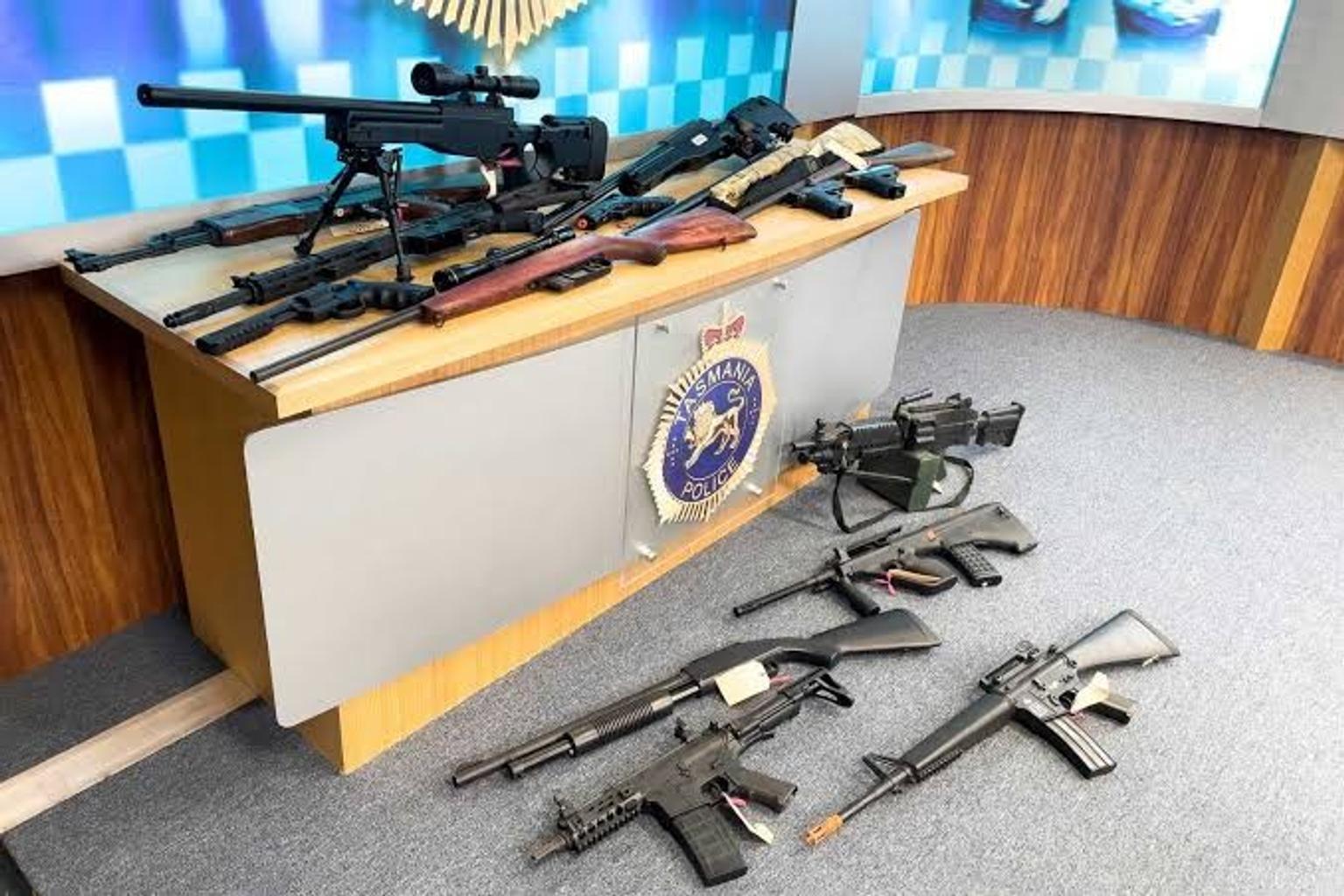
The bill will now progress to the Legislative Council later this year.