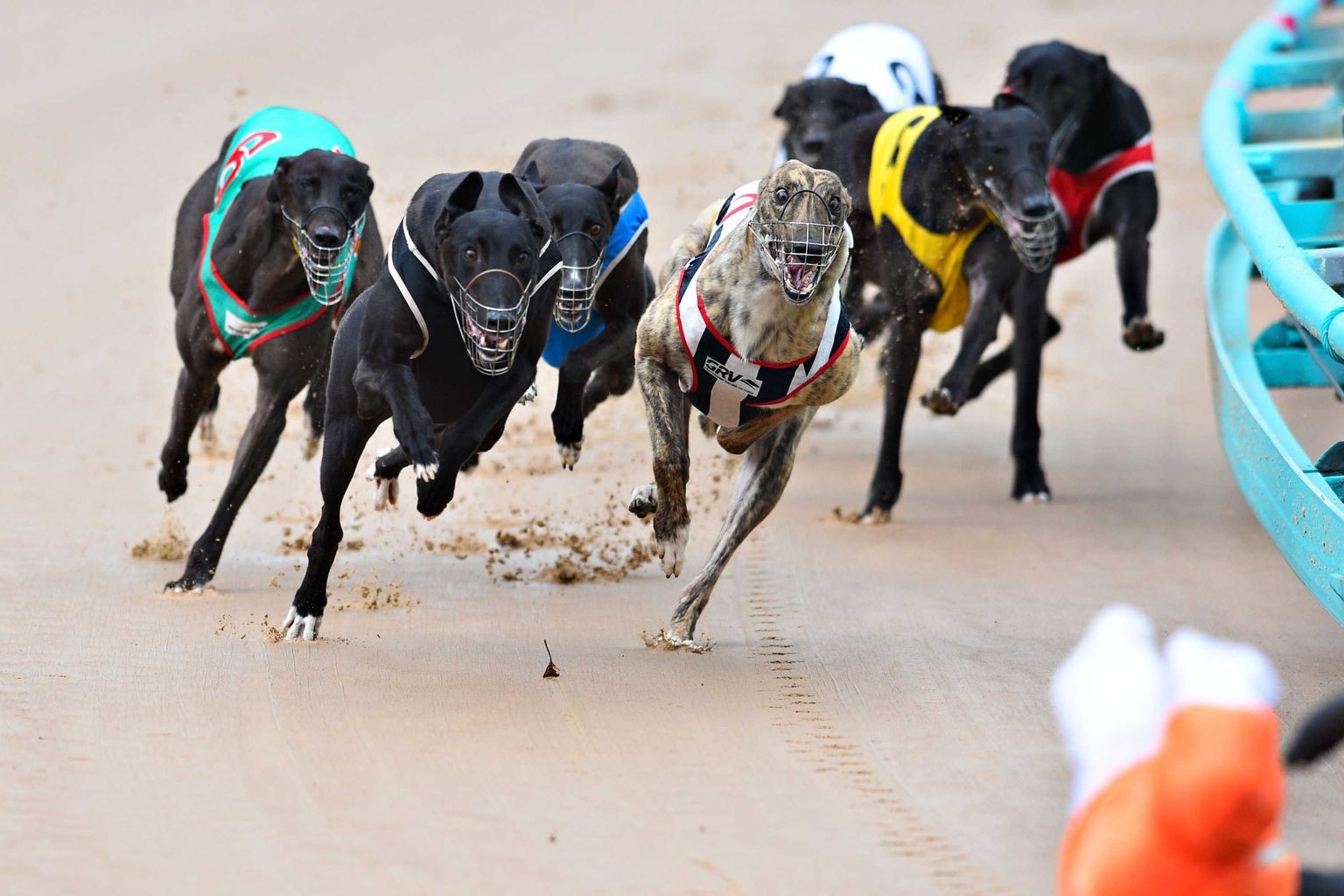
Thirteen greyhound racing participants have expressed interest in the Tasmanian Government’s proposed voluntary exit scheme, following the end of commercial greyhound racing in New Zealand this week.
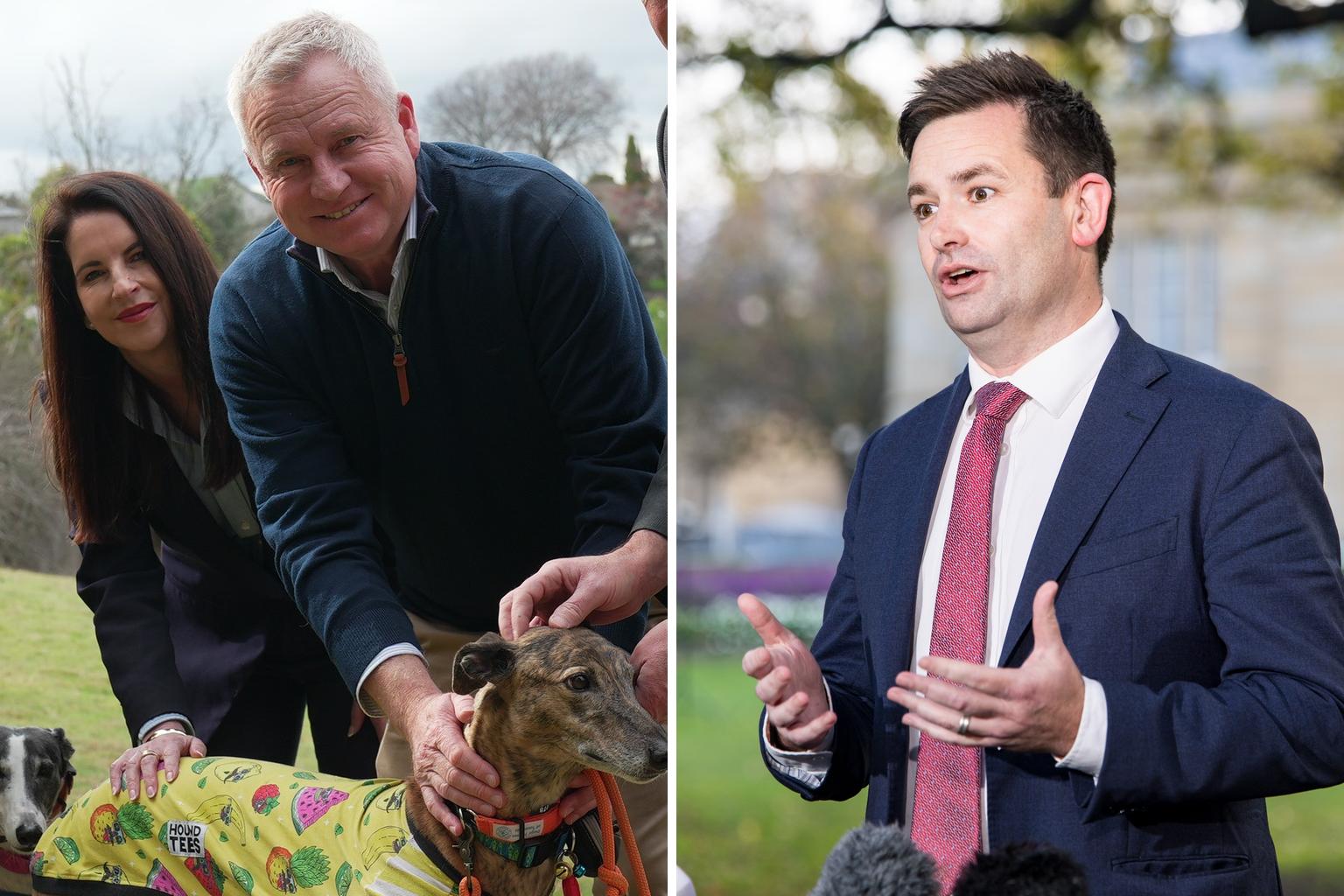
Racing Minister Roger Jaensch said the scheme would provide financial assistance and practical support to those wanting to leave the industry by December 31.
“The government remains committed to the phase-out of greyhound racing by 30 June 2029,” Jaensch said.
“Our commitment is to ensure the transition is responsible and orderly, with a focus on both participant and animal welfare.”
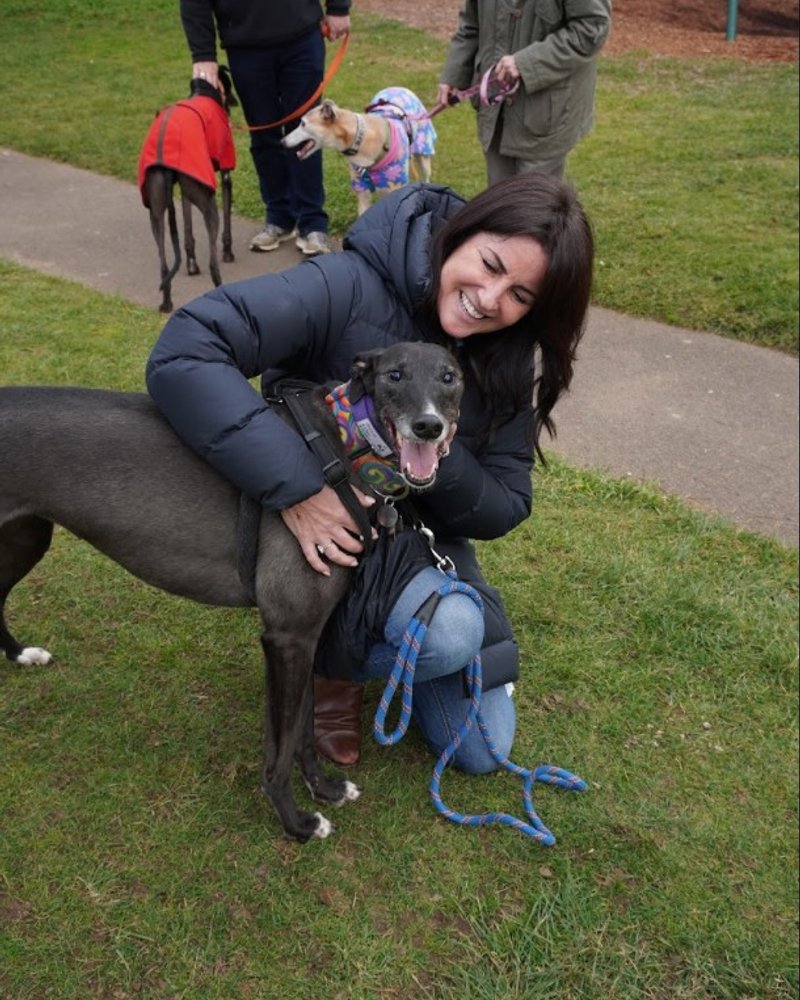
Rosevears MLC Jo Palmer said ongoing injuries and on-track deaths showed the need for action.
“The end of greyhound racing in New Zealand reaffirms that the industry no longer meets community expectations across the world,” Palmer said.
Tasmanian Racing Integrity Commissioner Sean Carroll said the 13 submissions showed participants were engaging with the process.
“These discussions are confidential and are an important part of ensuring the proposed arrangements are practical, equitable and appropriately targeted,” he said.
Carroll is preparing an interim report on proposed arrangements for participants who want to exit by the end of the year.
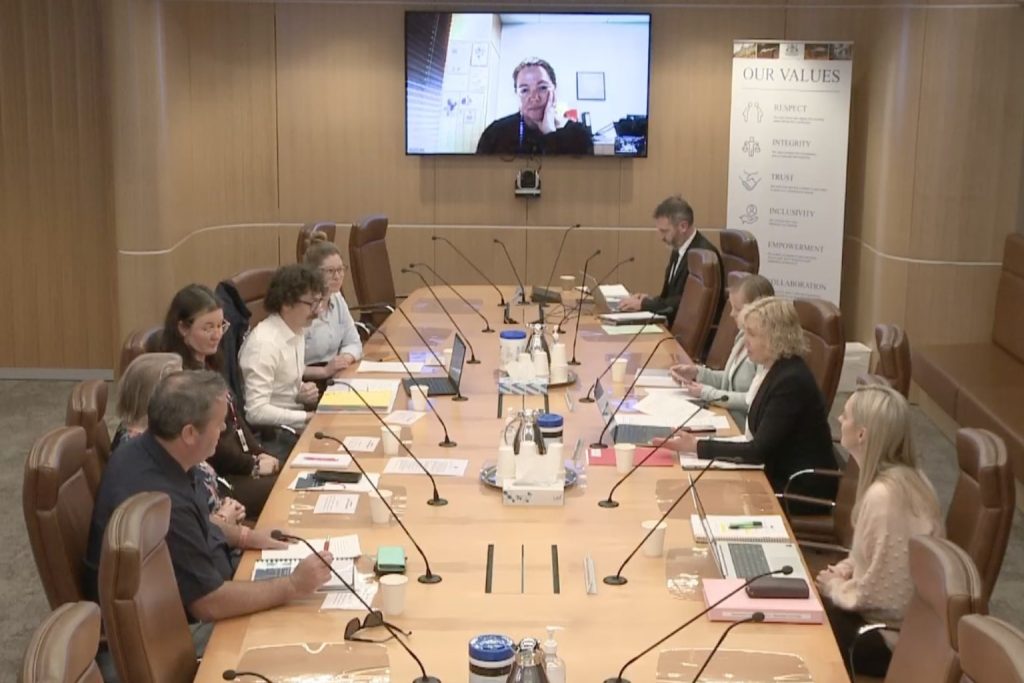
It comes after former New South Wales chief greyhound racing veterinarian Alexander Brittan told a parliamentary committee earlier this week it is “simply not possible to make greyhound racing safe.”
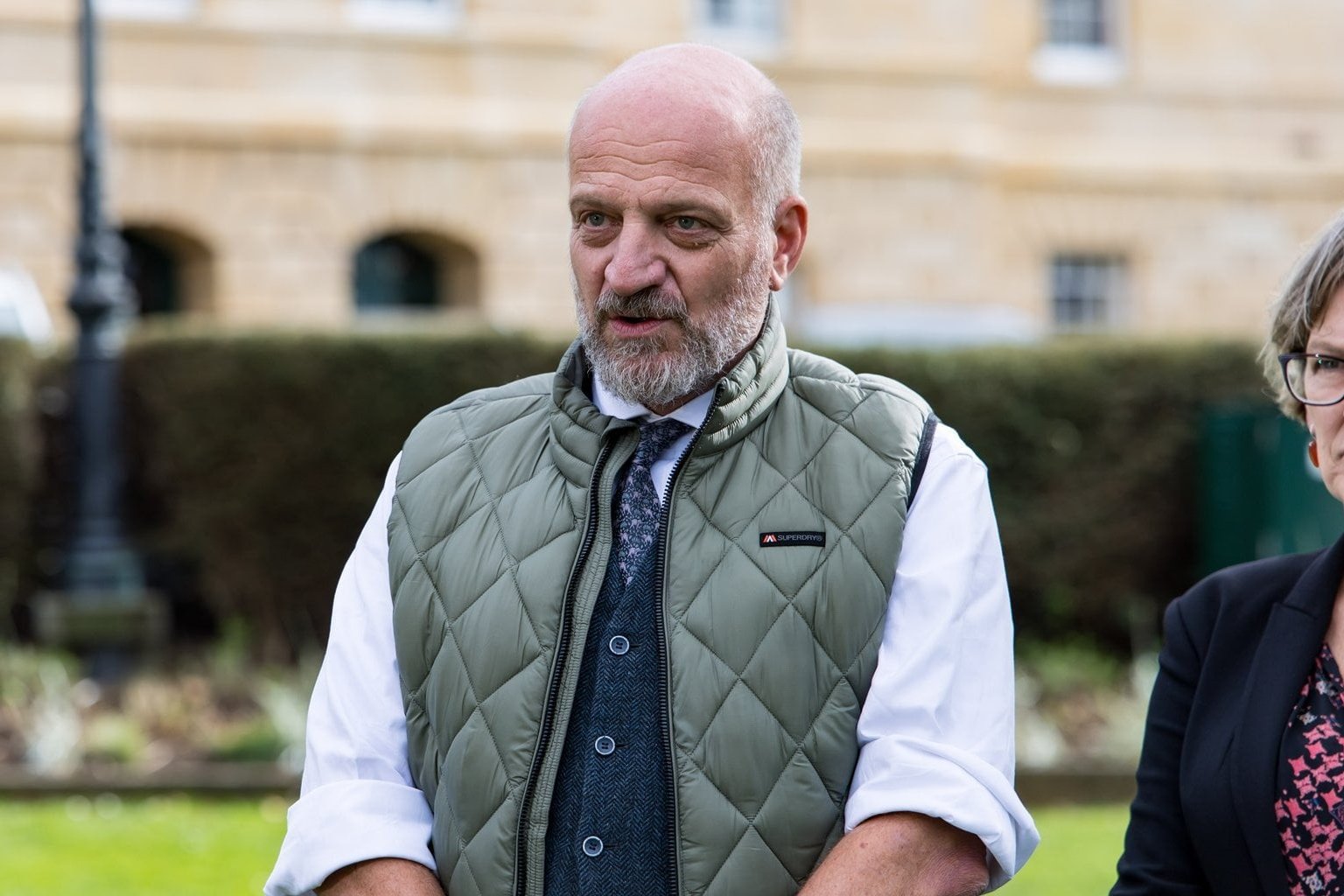
He described injuries including dogs sliced by mechanical lure cables, shattered skulls and fractured legs that dogs continued running on.
Tasmania’s mortality rate sits at around 30%, he told the committee, meaning for every three dogs entering the industry each year – one will die.
Brittan urged the government to bring the proposed phase-out forward from June 2029 to June 2028.
Greyhounds Australasia chief executive Simon Stout disputed that evidence, telling the committee that injury rates were declining and euthanasia rates had decreased by close to 90% since 2017.
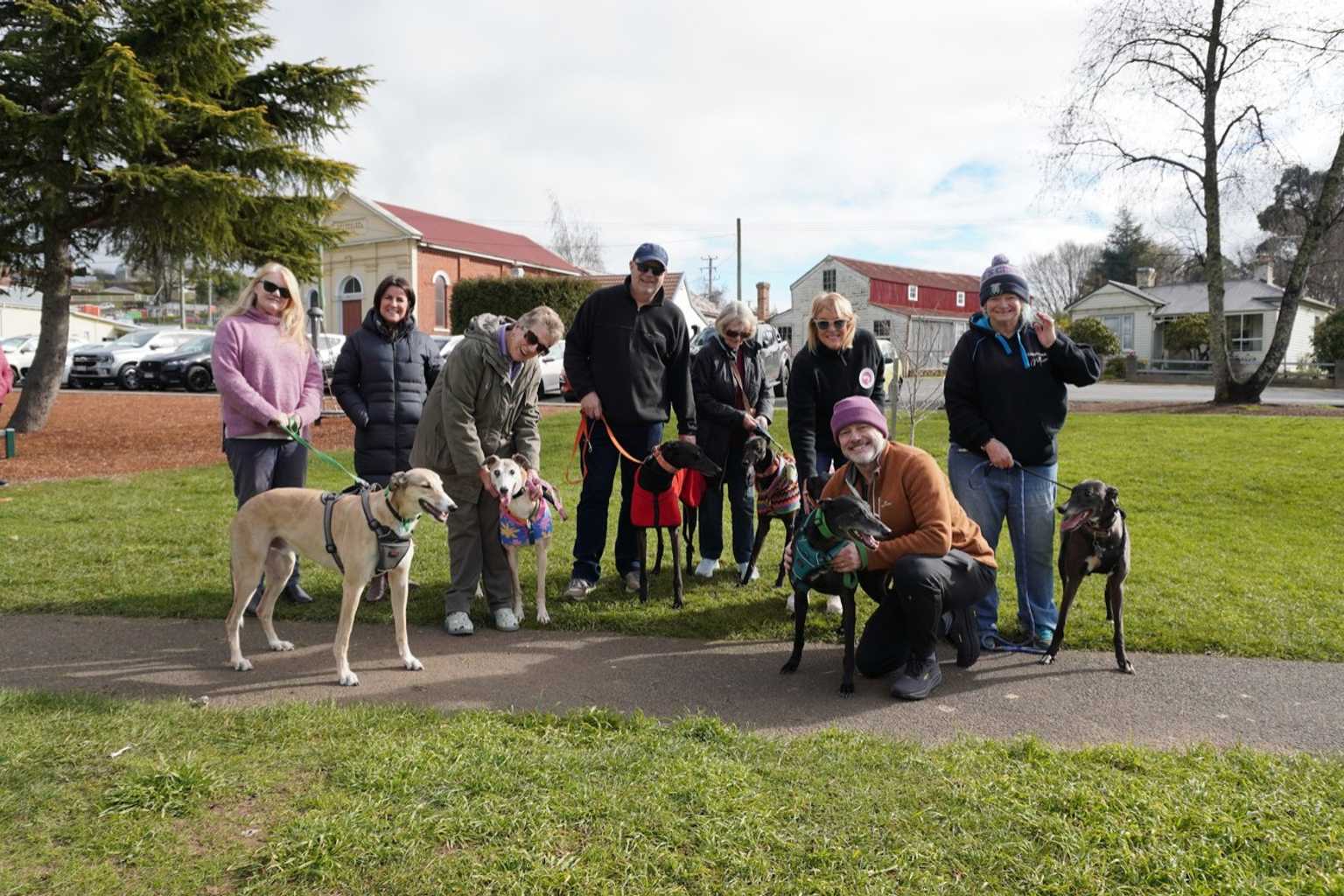
“A closure does not make greyhounds safer, it makes them harder to see,” Stout said.
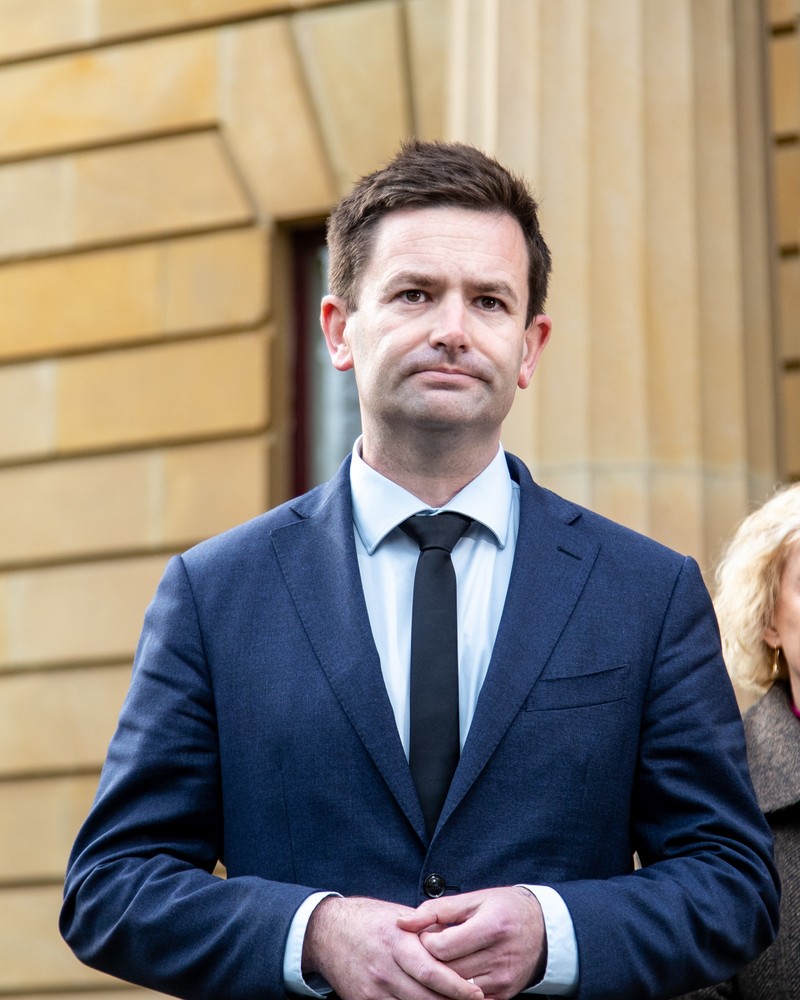
Labor racing spokesperson Dean Winter said the opposition is holding firm on its support for the industry, denying rumours the party was planning to change its position.
“That’s totally false,” Winter said.
“The only political party that has changed their view is the Liberal Party.”
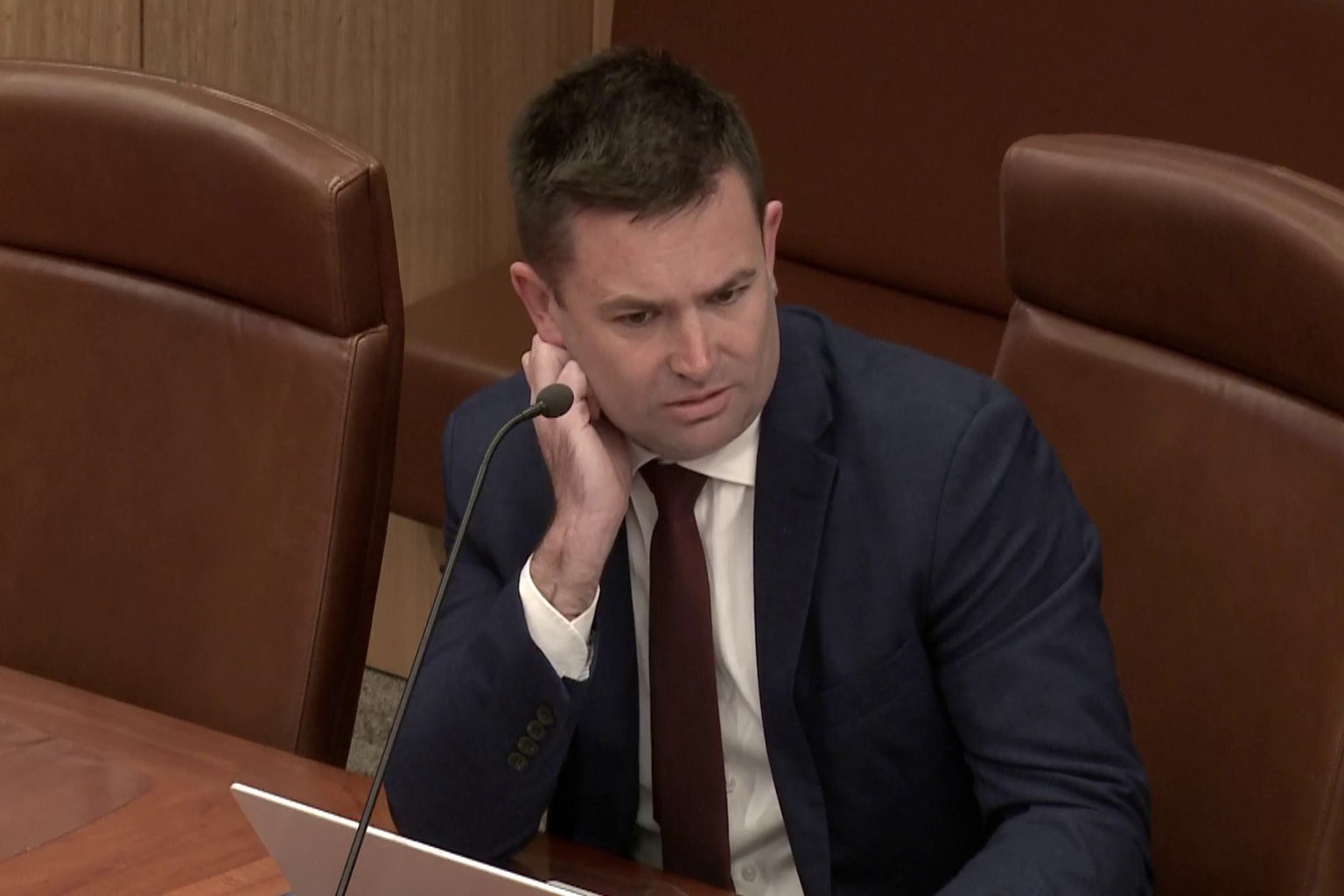
He accused Premier Jeremy Rockliff of betraying the industry after signing a written commitment to support all three racing codes before the 2025 election.
“After the election, in a deal with the Greens and Green Independents, he sold out good working people for his own benefits,” he said.
Winter questioned the details of the government’s shutdown plans, saying there had been “an ad in the paper, but no detail on the sort of compensation people might receive.”
He pointed to a Tasracing submission showing the organisation was seeking $75 million a year to run thoroughbred and harness racing alone after greyhounds are removed.
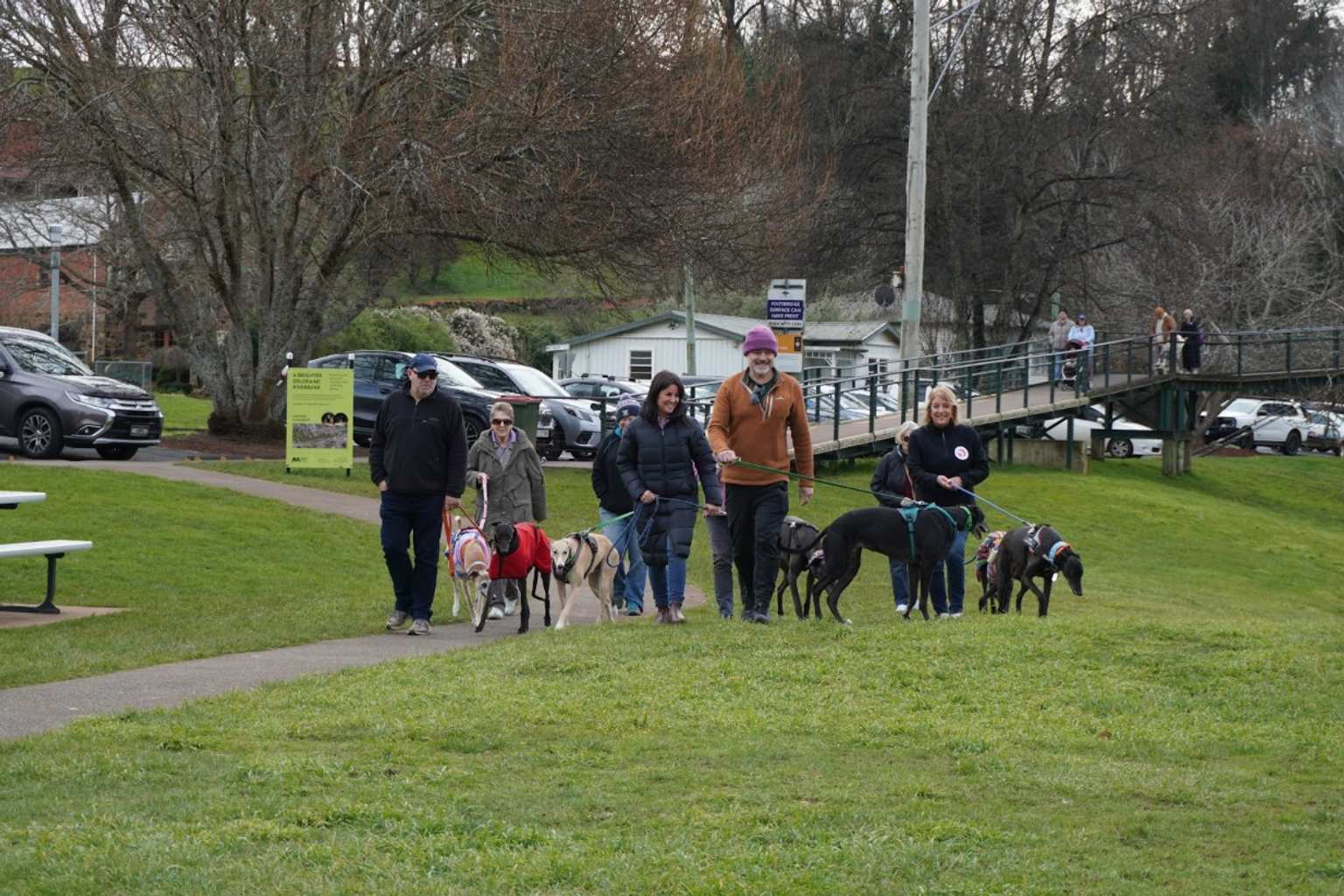
Winter said rehoming 1,000 greyhounds at a rate of 150 per year would take more than six years and cost around $40 million, based on the disputed Greyhound Australasia model.
“This is going to be an incredibly expensive exercise if Jeremy Rockliff gets his way,” Winter said.
The phase-out bill was withdrawn from the Legislative Council in April and Premier Rockliff has said it will not return until the government is confident it has the numbers to pass.