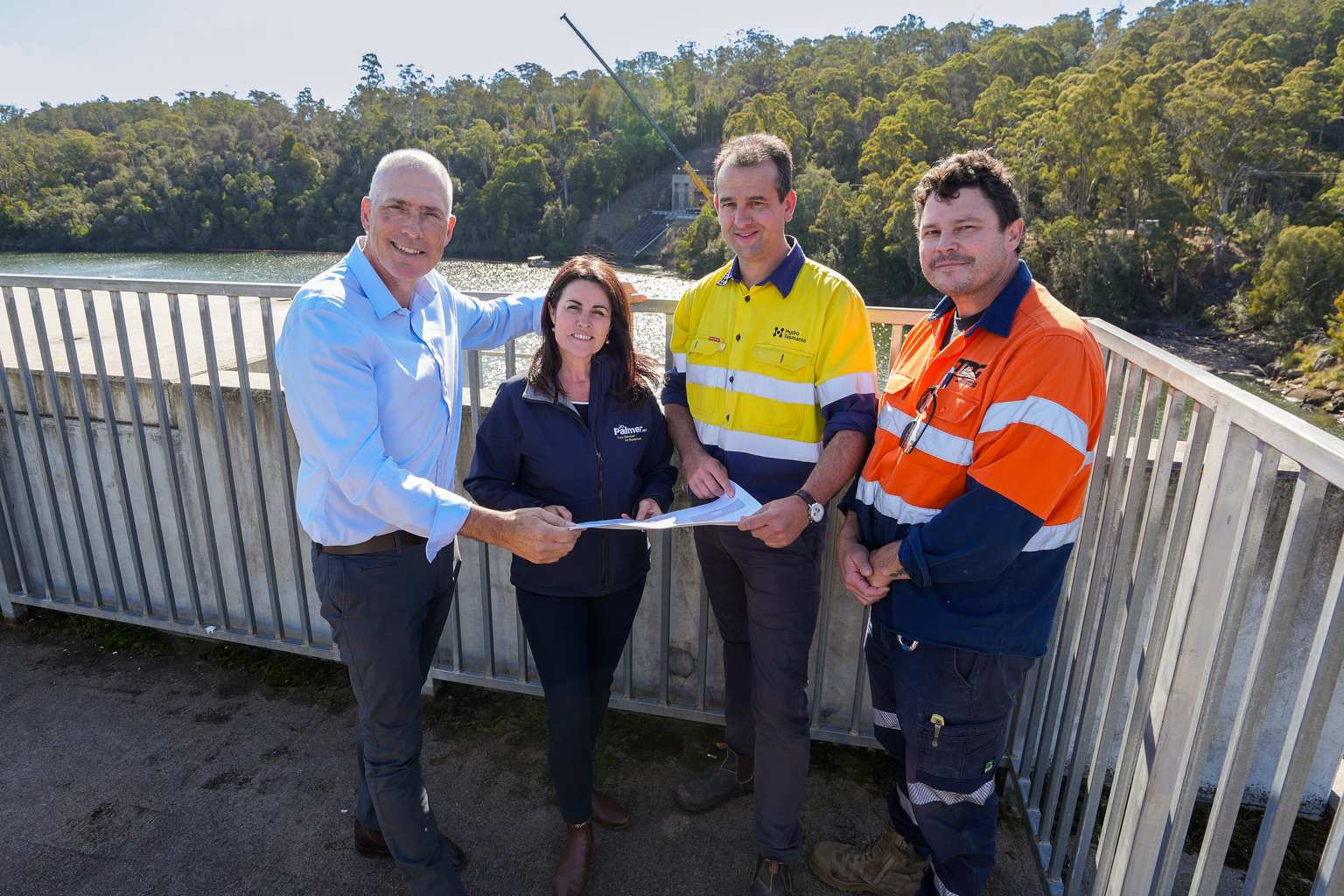
A $2.5 million upgrade to the trash screen at Trevallyn Dam is set to double the lifespan of a critical piece of infrastructure protecting the power station from damage.
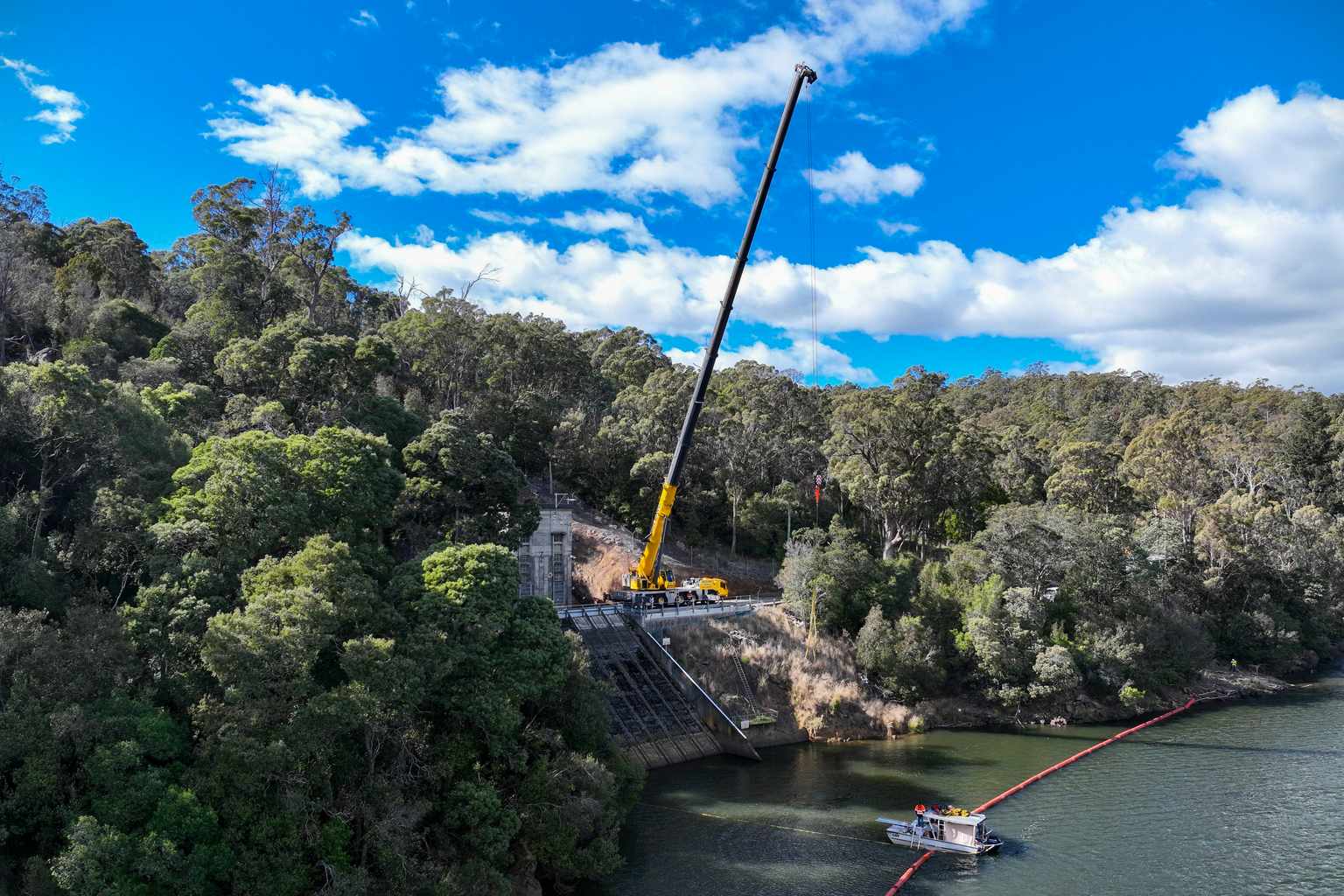
The trash screen is a giant sieve sitting over the intake opening which stops rocks, logs and branches from entering the power station and damaging the turbines.
Tasmania’s Energy and Renewables Minister Nick Duigan said the new screen measures 14 metres high and 12 metres wide and was installed in eight pieces.
“We have doubled the expected life of the trash screen, helping to ensure the safe operation of Trevallyn power station for the next 40 years,” Duigan said.
“This increase of 20 years is due to a new protective paint system on the new trash screen’s steel, substantially improving its durability.”
The previous trash screen was installed around 30 years ago.
Jesse Clark, executive general manager for assets and infrastructure at Hydro Tasmania, said the power station produces 100 megawatts of renewable energy at full load and passes around 100,000 litres of water a second.
“To try to put that into picture, that will fill an Olympic-sized swimming pool in less than 30 seconds,” Clark said.
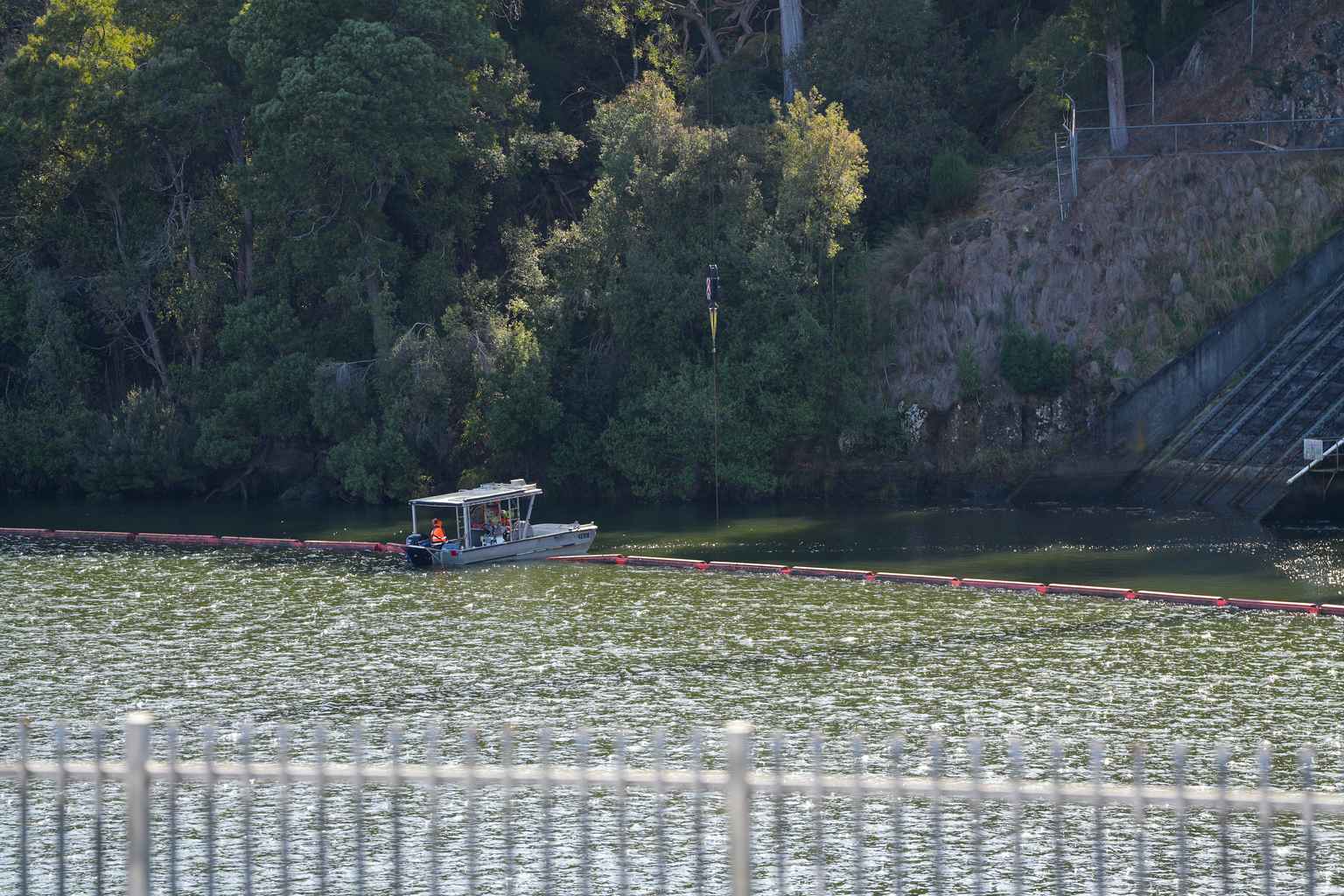
He said the project used an approach where specialist divers completed the work underwater rather than draining the lake.
“In the past, we have lowered the lake, which has been quite disruptive to local water users and tried to do much of it in the dry,” Clark said.
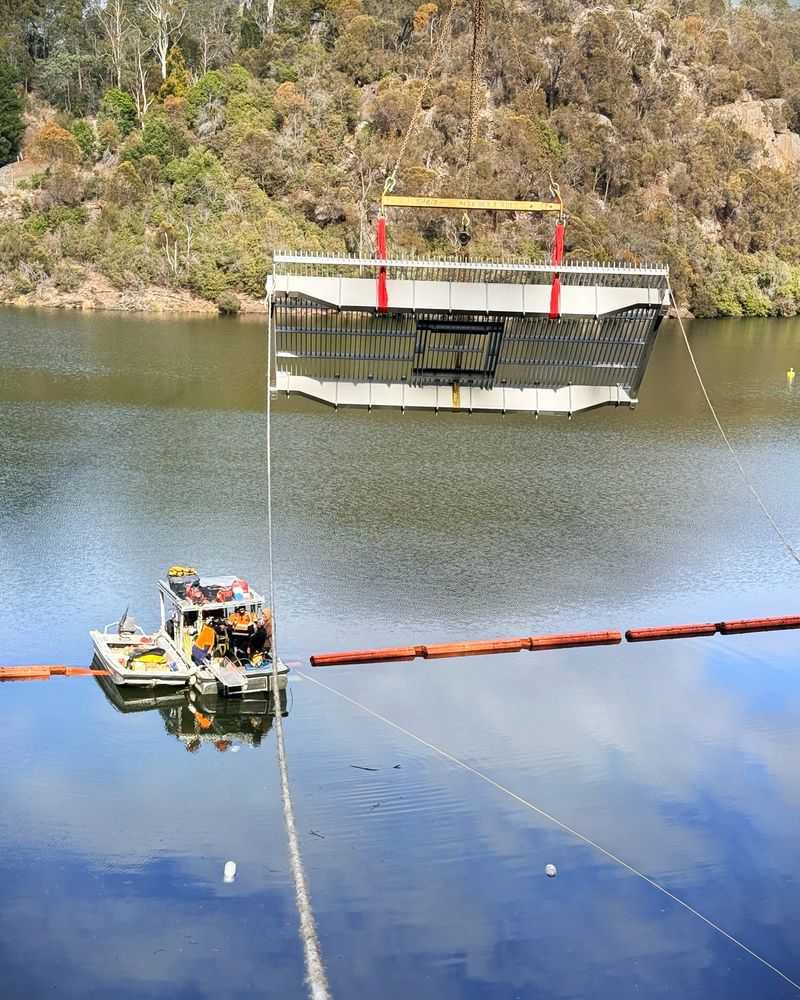
The installation took around six weeks, with divers from Tasmanian Divers Group doing everything from mechanical fitting to directing crane operations underwater.
Diving supervisor Lachie Osborne said working conditions included water temperatures of around 12 to 15 degrees and visibility of roughly half a metre.
He said divers wore helmets fitted with cameras and communications equipment, allowing supervisors on the surface to watch a live feed and direct work below.
Design work began around three years ago through Hydro Tasmania’s in-house consultancy Entura.
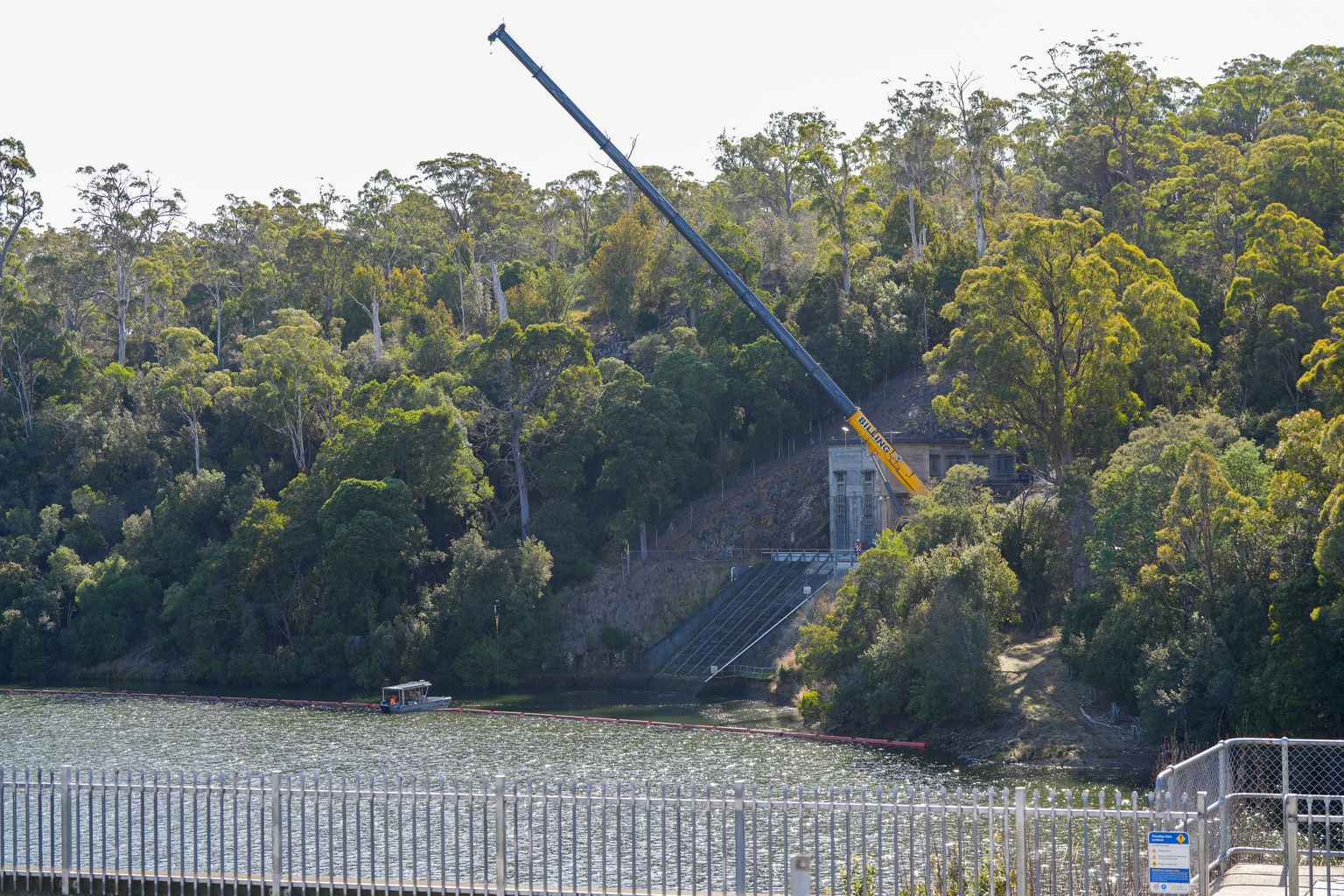
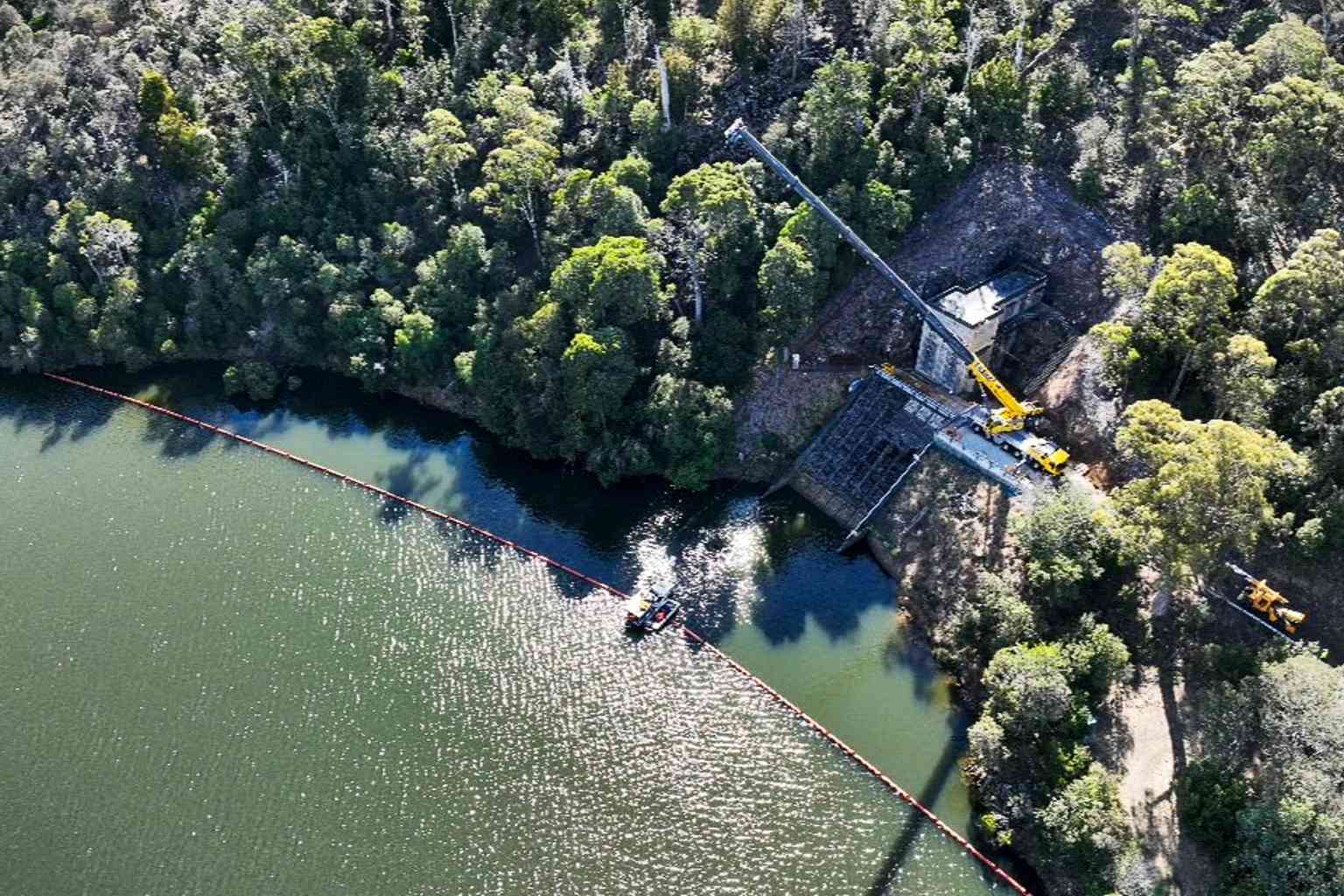
Several local businesses were involved, including Billings Cranes, which provided a 250-tonne crane to lower the screen pieces over the waterway.
The old screens will be recycled where possible.